

How to Import Cocopeat from Indonesia: The 8-Step Buyer Guide
A practical, order-by-order workflow for defining the coir product, acceptance evidence, commercial terms, packing, and destination-document checks.
Order-specific information: Product specifications, test methods, packing, availability, commercial terms, document scope, lead time, and loadability are confirmed in writing for each enquiry and order. Numerical ranges on this page are planning references only, not standing guarantees.
Short answer: importing cocopeat from Indonesia follows eight steps — (1) choose the product, (2) define your specification (EC, pH, moisture, format & packing), (3) request an FOB or EXW quote with your quantity, destination & port, (4) review a sample, spec sheet & lab results, (5) confirm the order (price, payment terms, production time), (6) production (wash, dry, screen, compress, pack), (7) quality control before loading, and (8) receive the shipping documents. MOQ and timing must be confirmed against the requested product, production capacity, packing, and vessel availability.
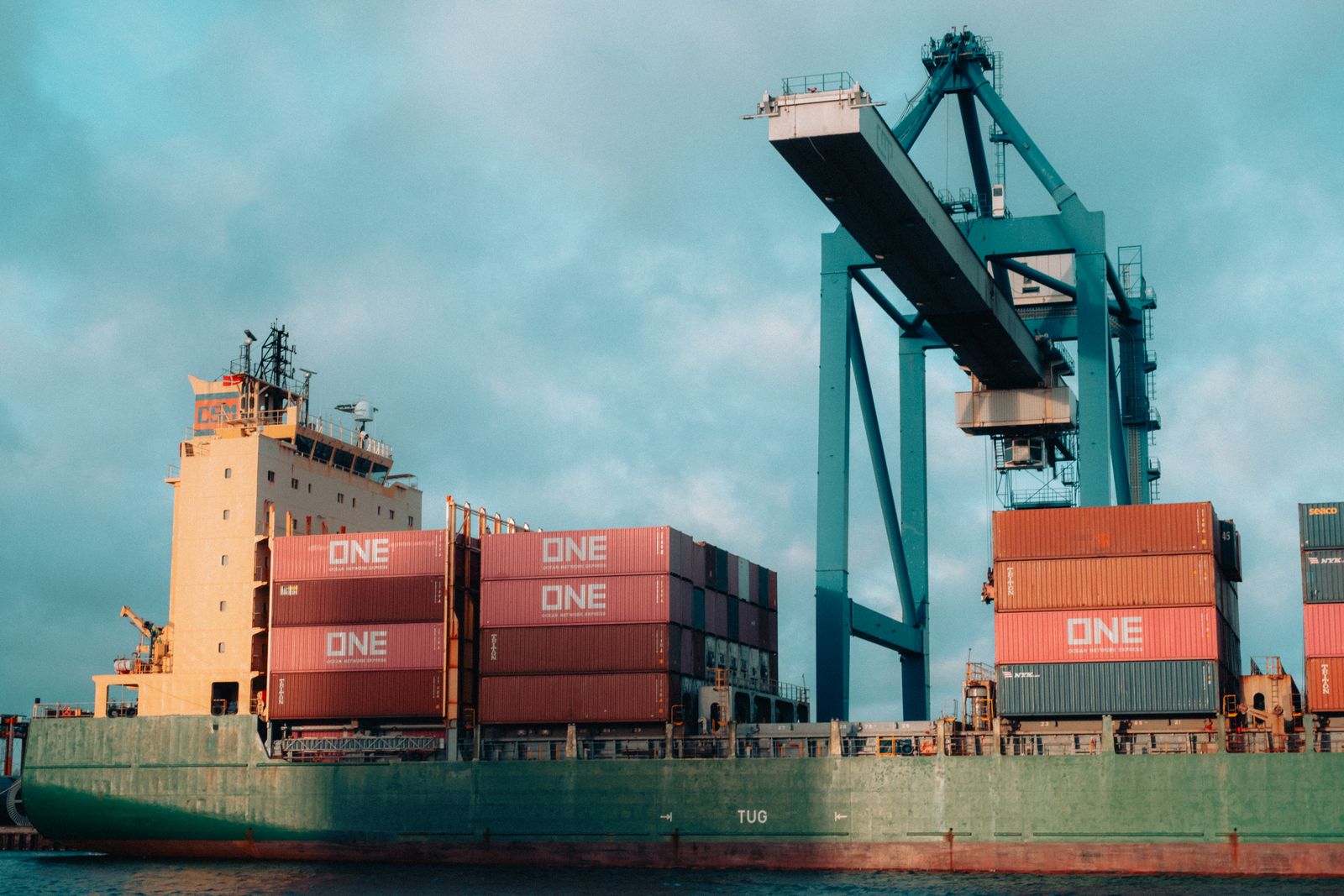
An import plan should connect the product brief, acceptance evidence, packing, commercial terms, and destination requirements. The eight steps below provide a practical buyer workflow for a trial or recurring enquiry.
The 8 steps to import cocopeat from Indonesia
- Choose your cocopeat product Select 5 kg low- or high-EC blocks, 1 kg low-EC blocks, 650 g low-EC bricks, 25 kg or 50 kg HEC bags, crop-specific grow bags, cocofiber bales, or cocobristle packs. If the grade is unclear, include the crop or end use so the correct format can be quoted.
- Define your specification Write down the numbers your buyer or agronomist needs: EC, pH, moisture, weight or dimensions, format, and packing/label. A clear specification makes quotations easier to compare and gives the parties a basis for an agreed test and release plan. See the catalog table below.
- Request an FOB or EXW quote Send the quantity, destination country, named place or discharge port, and preferred Incoterm. The commercial team reviews the brief before confirming quotation timing, available terms, and loadability.
- Review sample, spec sheet and lab results Before you commit, check the material against your spec — request confirmation of physical-sample and lot-data availability, including the stated test method and batch identity. This is the step that protects you from a wrong grade arriving in a full container.
- Confirm the order Agree the price, payment terms and production time in a proforma invoice or sales contract. Payment method, deposit, balance trigger, and any bank-document conditions should be stated in the accepted commercial offer.
- Production The accepted order should state the preparation steps, target values, format, packing, and label requirements that apply to the transaction.
- Quality control before loading Agree the sampling, tests, tolerances, packing checks, release points, and any loading-evidence requirement before acceptance.
- Shipping documents Confirm the applicable commercial, transport, inspection, treatment, and origin documents with the issuing parties and your customs broker before ordering.
Step 2 in detail: the specification that matters
These six values decide whether the media performs and whether two quotes are actually comparable. Fill in the ones your crop or process requires — mark any open points for discussion with the supplier.
| Specification | Why it matters | Current catalog reference |
|---|---|---|
| EC | Salt level must be compared using the agreed extraction method | Low EC < 0.6 mS/cm · 5 kg High EC > 0.7 · HEC bags > 0.6 |
| pH | Sets nutrient availability at the root zone | Blocks 5.0–7.0 · HEC bags 5.0–7.8 · fiber/bristle 5.5–6.5 |
| Moisture | Controls shipping weight & mould risk in transit | Blocks/bricks 10–20% · HEC bags 30–40% · fiber 12–30% · bristle 15–25% |
| Block / brick size | Fits your rehydration, handling, and retail format | 5 kg: 30×30×10–15 cm · 1 kg: 30×15×4–8 cm · 650 g: 20×10×6 cm |
| Weight / bale | Defines the commercial format and handling plan | Blocks and bricks ±10% · cocofiber bale 80–110 kg |
| Packing & label | Retail/OEM presentation & container loadability | 25/50 kg HEC bags · 80–110 kg fiber bales · 1 kg bristle packs · custom grow bags |
Note: figures are planning references only; the accepted order must state the final targets, methods, tolerances, and batch-evidence scope.
What to include in your quote request
Providing these details gives the commercial team a clearer basis for review. A complete request gives the commercial team the information needed to confirm a response schedule.
- Product & grade — blocks, grow bags, loose bulk, bricks or fiber; washed low-EC or natural.
- Target EC, pH & moisture — your required numbers, test method, and end use.
- Format & packing — 5 kg, 1 kg, or 650 g block/brick; 25/50 kg HEC bag; grow bag; fiber bale; or bristle pack.
- Label / branding — private-label artwork or a neutral-pack option, subject to confirmation.
- Quantity — containers or MT, and monthly volume if it is recurring.
- Destination — country and discharge port.
- Incoterm — the requested Incoterm and named place or port.
- Delivery window — the date you need the goods to arrive by.
Buyer checklist
Run through this before you release a deposit — it is the short version of the eight steps above.
- Product and grade chosen for your crop or process.
- Specification written down — EC, pH, moisture, weight or dimensions, format, and packing.
- Sample or reference-report availability reviewed, with its scope and batch identity understood.
- Incoterm, price and payment terms agreed in writing.
- Production lead time confirmed against your vessel schedule.
- QC and pre-loading photos/video agreed with the supplier.
- Import requirements checked — phytosanitary, fumigation and any local permit.
- Customs broker briefed on the full document set.
Documents to confirm for a shipment
The document list below is a buyer checklist. Requirements and issuing parties vary by destination and must be confirmed before ordering:
- Commercial invoice & packing list — values, weights and shipping marks.
- Bill of Lading (B/L) — title and transport document.
- Certificate of Origin — origin declaration for customs and duty.
- Phytosanitary certificate — plant-health clearance for coir.
- Fumigation certificate — treatment record where required.
- Certificate of Analysis — batch EC, pH and moisture results.
Import rules differ by destination — some countries require an import permit or a specific treatment. Provide the discharge port so the applicable document list and issuing parties can be confirmed; always confirm the current requirements with your own customs broker.
Explore the products you can import
- 5kg Cocopeat Blocks — 30×30×10–15 cm blocks in low-EC and high-EC grades.
- Low-EC Blocks and Bricks — 5 kg, 1 kg, and 650 g formats listed below 0.6 mS/cm.
- Cocopeat Grow Bags — custom low-EC slabs specified by crop, size, blend, and hole layout.
- HEC Cocopeat Bags — 25 kg and 50 kg high-EC formats for blending and repacking.
- Cocofiber and Cocobristle — 80–110 kg fiber bales and 1 kg bristle packs.
Start your cocopeat import
Send your product, target spec (EC, moisture, block size), packing, quantity and destination port — the commercial team will review the enquiry and confirm available terms, timing, and batch-evidence details.