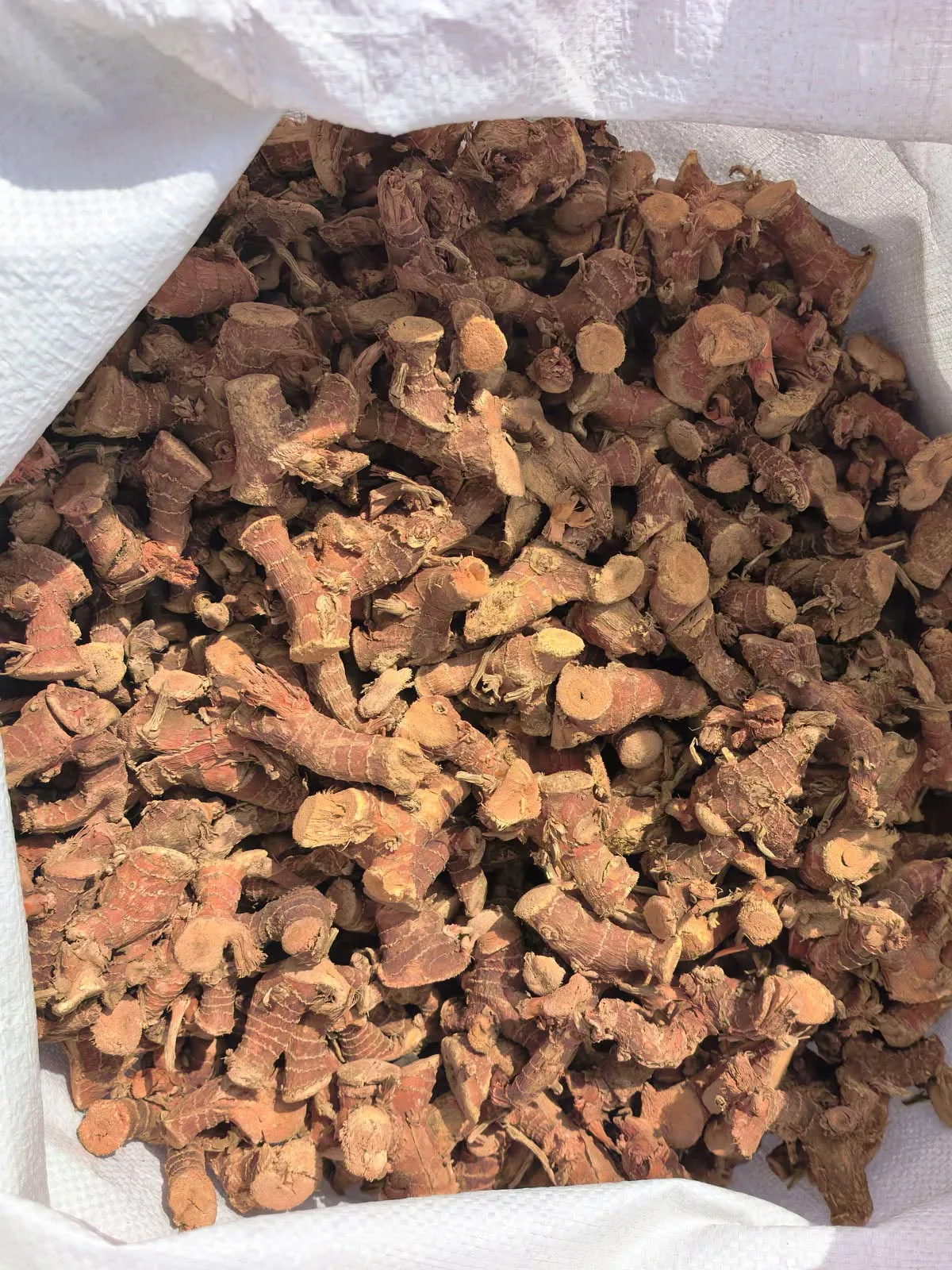
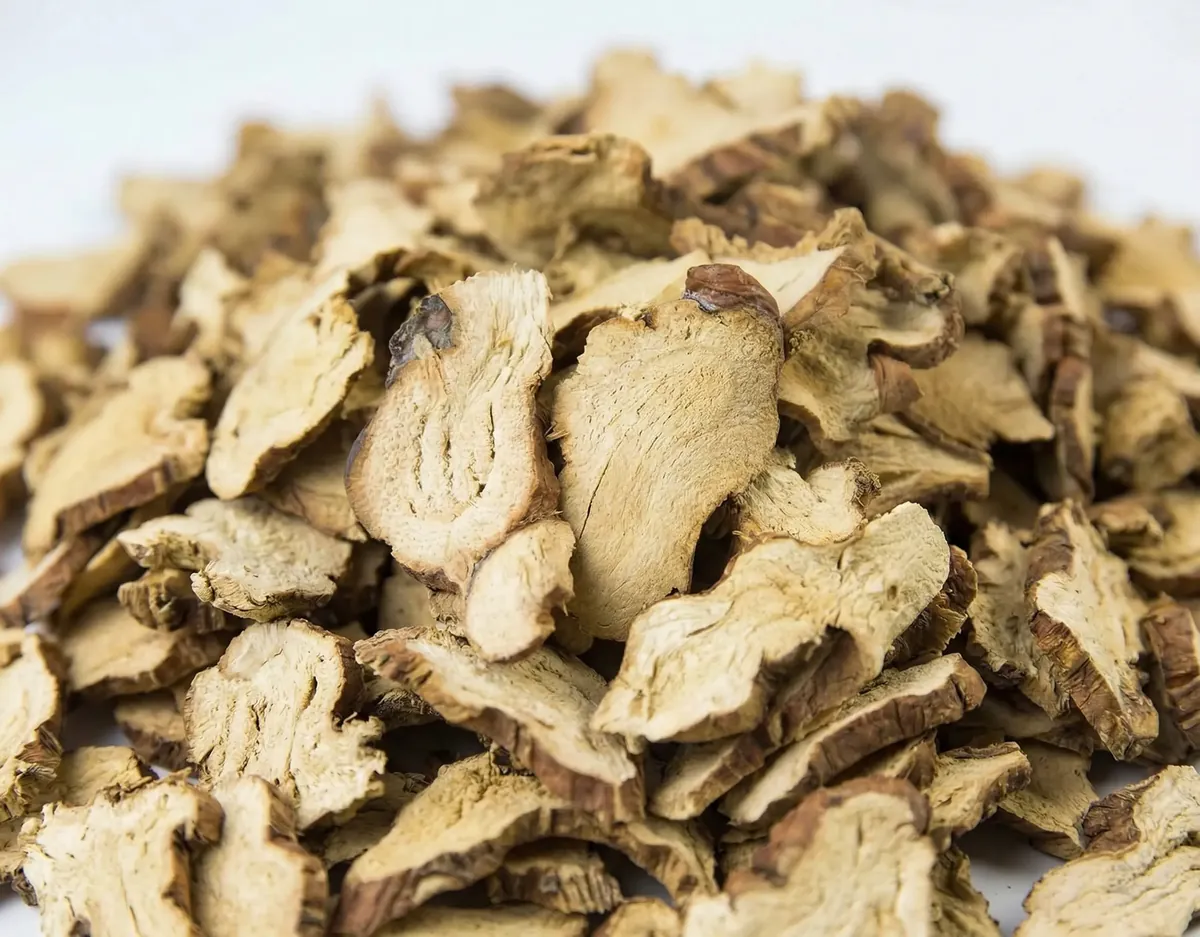
Dried galangal slices
- Cut
- Buyer-defined
- Basis
- Approved sample
Market notes
Buyers here tell us that getting the goods approved and getting the payment approved are two separate steps. We schedule production against the second one, because that is the one that decides when a container can sail.
Short answer: For dried galangal in Argentina, define application, format, physical tolerances, moisture, packing, quantity, destination, documents, and Incoterm. Buyers tell us the payment approval and the import approval are separate steps, and the second one sets the date.
Buyers are food manufacturers producing seasonings, sauces, and prepared foods for a large domestic market, and importers supplying a specialist retail and food service channel. The manufacturing base is substantial and the technical conversation is straightforward — specifications are read carefully and samples are assessed properly.
What is particular to this destination sits beside the technical conversation rather than inside it. Buyers here consistently tell us that clearing the goods and settling the payment run on separate tracks, and that the second one is the harder date to predict.
We take that at face value rather than treating it as an obstacle to be talked around. It is a fact about how a transaction here is sequenced, and the useful response is to change what we schedule against — not to ask a buyer to work differently.
| Product | Relevance here | Suggested grade / format | Note |
|---|---|---|---|
| Dried galangal slices | Lead | Buyer-defined cut, sample-led | Manufacturers buying a defined input for a formulation rather than a general trade item. |
| Dried galangal whole & chunk | On request | Written piece definition | Where a buyer reduces in-house or repacks for a specialist channel. |
Raise the commercial sequence at enquiry alongside the specification. On this route the two are planned together or the schedule does not hold.
Both products in detail
Our default on every other route is to begin production against a confirmed order. Here we begin against a confirmed payment position instead, and we say so at quotation rather than discovering the difference mid-order. That is not a comment on any buyer; it is the only way a production date can mean the same thing to both of us.
The practical version is a quotation with two dates rather than one: the date material can be ready, and the date it can be ready by if the commercial side is settled by a given point. Both are stated, so a slip on one is visible immediately instead of appearing as a supplier failure later.
A supplier who quotes the shortest technically possible lead time on this route is quoting for a sequence that rarely happens. We would rather name a date that includes the commercial step and hold it than name a shorter one and explain it twice.
For a manufacturer planning a production run, a date that holds is worth considerably more than a date that is early. That is true everywhere; here the gap between the two is simply wider than usual.
None of this touches the specification, the sample process, or the documents. The technical side of an Argentine order is the same as anywhere else on this list, and it is worth saying plainly so that the commercial sequence does not colour the rest of the conversation.
It also does not change what we ask of a buyer. We do not need to be told anything about your banking arrangements — only whether the commercial side is settled, and roughly when you expect it to be. That is enough to plan against.
Imported food is subject to national food safety control and plant material travels with a phytosanitary certificate, with conditions confirmed per consignment. The requirements applying to dried rhizome of Indonesian origin are for your broker to confirm for that combination before the first booking.
This is one of the longer routings we quote, so a slip at the start of a shipment is not absorbed later — it moves the arrival by the same amount, weeks away. That is the practical reason we would rather settle the commercial sequence before production than run the two in parallel and hope they meet.
Buenos Aires for most shipments and for buyers in and around the capital. Where a buyer's operation sits elsewhere the inland leg is significant, so the discharge point is worth naming at booking rather than assuming.
Tanjung Priok to Buenos Aires, stated in the quotation for the booking offered. This is a long routing with transhipment as the usual case, so we quote the one actually booked rather than a typical figure.
Both appear on the quotation rather than only the optimistic one, so a slip is visible at the moment it happens instead of surfacing as a missed arrival weeks later. It also means neither side has to remember what was assumed.
The routing is long and crosses a wide temperature range with time at transfer ports. Liner and ventilation are agreed against the routing actually booked, and the arrival figure is specified rather than assumed.
A small first lot is a sensible way to test a specification on a route this long, where the cost of being wrong is a full round trip. Tell us it is a trial and it is priced and documented as one.
Enquiries arrive in Spanish and English and the trade name used here is galanga. The botanical name Alpinia galanga keeps a description stable across both languages and across documents read by a broker before the buyer sees them.
Commercially, expect the delivery terms and the payment structure to be discussed alongside the specification rather than after it. That is not unusual in itself; what is unusual is how much of the schedule depends on it, which is why we would rather have that conversation in the first exchange than the fourth.
Approve a physical sample before any container commitment. The approved sample becomes the acceptance reference.
Format, tolerances, packing, and documents recorded before production. No verbal promises.
Trial quantities and mixed loads are reviewed before quotation — you are not forced into full-container risk.
Against a confirmed commercial position rather than against the order date. We say that at quotation rather than discovering it mid-order — it is the only way a production date means the same thing to both of us on this route.
Because the shorter figure is quoted for a sequence that rarely happens. For a production run a date that holds is worth more than a date that is early, and here the gap between the two is wider than usual.
Only whether the commercial side is settled and roughly when you expect it to be. We do not need details of your banking arrangements — that is not our business and it is not what we plan against.
No. The technical side of an order here is the same as anywhere else on this list: written specification, approved sample, per-lot figures, and the ordinary document set. Only the scheduling changes.
It is the sensible way to test a specification precisely because the route is long — being wrong costs a full round trip. Tell us it is a trial and it is priced and documented as one rather than rounded up to look conventional.
Destination is pre-filled. Tell us roughly when you expect the commercial side to be settled — that is what the production date is built from on this route.
Complete briefs receive a substantive reply from the export desk — not an autoresponder. Incomplete enquiries receive clarifying questions the same day.