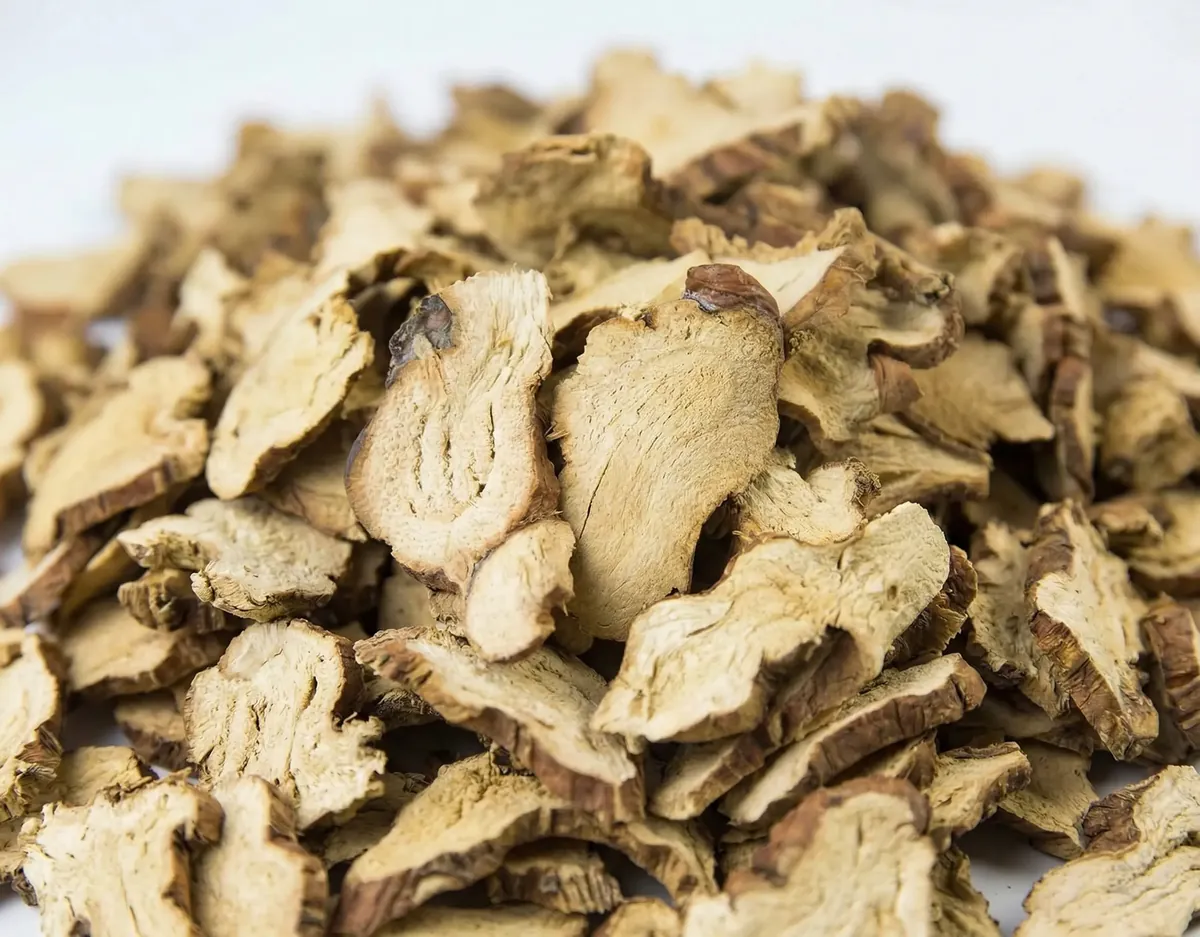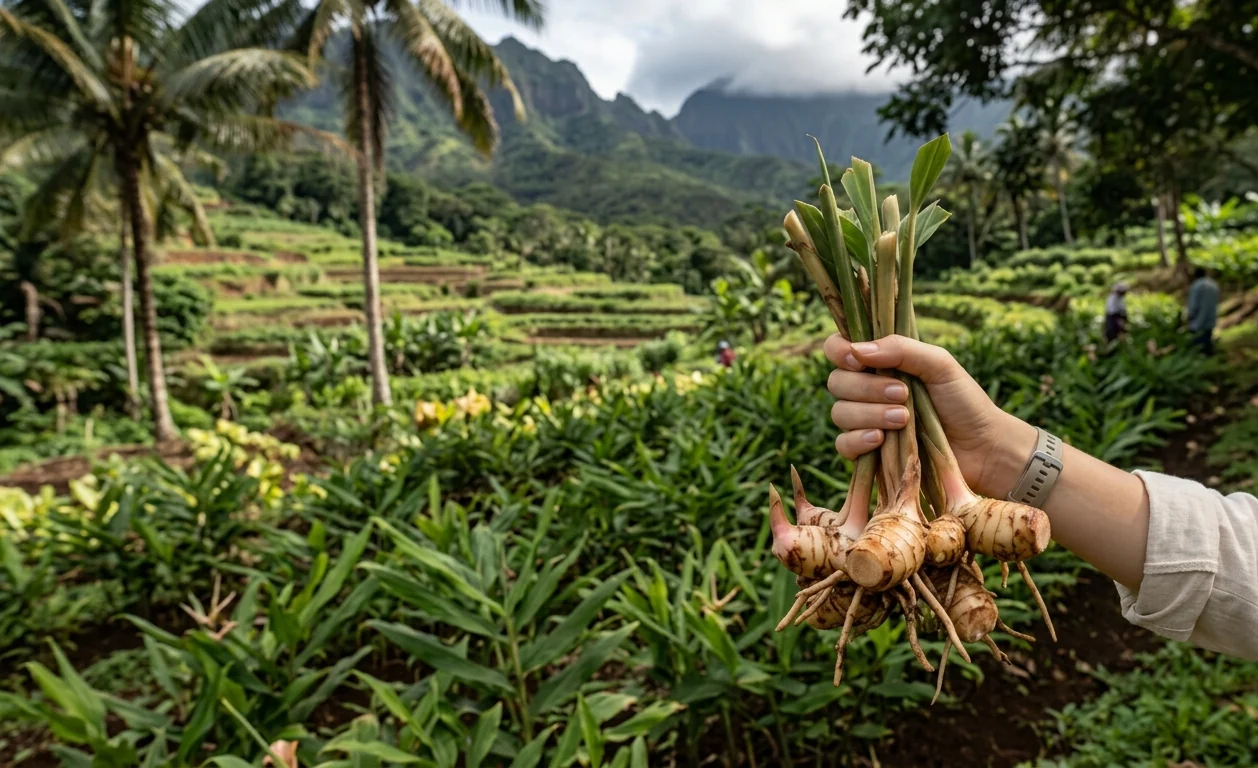
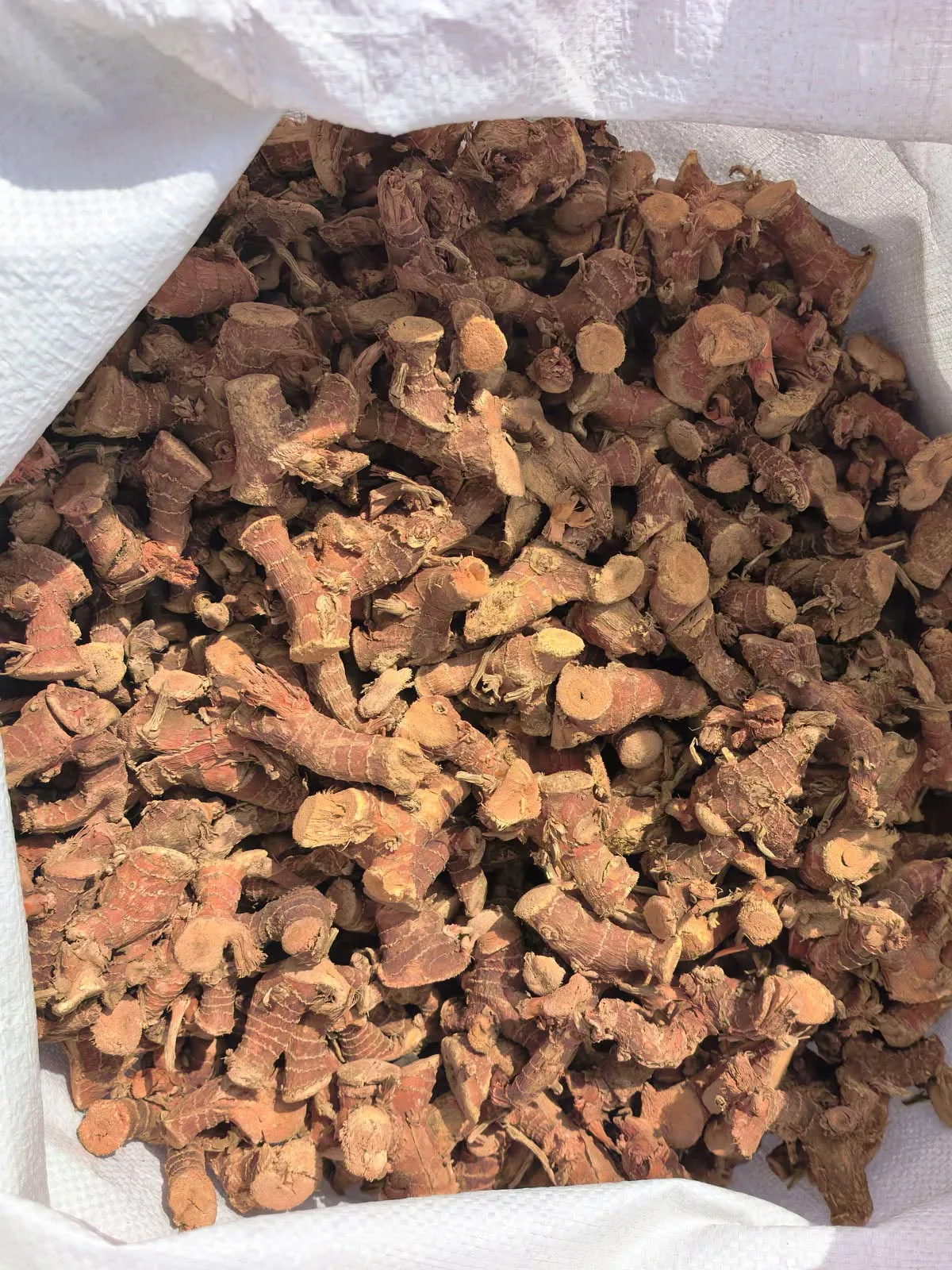
Dried galangal slices
- Cut
- Buyer-defined
- Basis
- Approved sample
Market notes
Two very different buyers ask two very different things about the same material here. And the regulatory work sits mostly with you as importer, not with us — this page sets out what we supply to make that straightforward.
Short answer: A galangal enquiry for United States should state use, slices or whole/chunk, cut or piece tolerance, moisture, packing, volume, destination, documents, and trade term. Two distinct channels ask different questions of the same material, and FSVP puts the obligation on your importer.
Dried galangal moves through two separate channels here, and they behave so differently that quoting one as though it were the other is the fastest way to lose both. Food manufacturers producing Asian sauces, pastes, and seasoning blends buy sliced material where piece size affects dosing, and they will judge a sample on whether their line can run it.
The herbal and botanical trade buys the same rhizome as a raw ingredient and asks almost nothing about appearance. What that channel wants is identity confirmation and contaminant scope — proof that the material is Alpinia galanga and nothing else, documented well enough to survive their own compliance review. It is the more demanding of the two on paper and the less demanding on looks.
Geography splits the routing decision in a way it does not in Europe. West Coast buyers pull through Los Angeles and Long Beach; East Coast and Midwest buyers through Savannah, Norfolk, or New York. That choice changes transit time materially, so it belongs in the first enquiry rather than at booking.
| Product | Relevance here | Suggested grade / format | Note |
|---|---|---|---|
| Dried galangal slices | Lead | Buyer-defined cut, sample-led | Asian food manufacturing and the botanical trade, which ask different questions of the same material. |
| Dried galangal whole & chunk | On request | Written piece definition | Extraction and milling operations that prefer to control particle size themselves. |
Relevance reflects what US buyers actually enquire about, not what we would prefer to sell.
Both products in detail
Two things run in parallel for food shipments into the US. Prior notice must reach the FDA before the consignment arrives, and the facilities involved must be registered. Separately — and this is the part buyers most often underestimate — the Foreign Supplier Verification Program places a documented obligation on you as importer to verify that your foreign supplier produces food meeting US safety standards.
That is your programme to run, not ours. What we can do is make it cheap to run: supply the specification, the lot evidence, and the documentation your FSVP file needs, in the form your consultant or broker asks for. Tell us what your programme requires and it is agreed before the first shipment rather than assembled afterwards.
A food manufacturing buyer and a botanical trade buyer will ask about the same material and want different things established. The manufacturer is building a supplier file and needs the documentation to satisfy a system, repeatably. The botanical buyer is closer to the material itself and is more likely to press on identity, appearance, and how the lot was handled.
Neither is harder than the other, but preparing for one does not prepare for the other, and a supplier who has only met the first kind of buyer tends to over-document and under-describe. The useful question at enquiry is not the volume but which of the two conversations we are in.
Under FSVP the verification duty belongs to the importer, not to us. Saying so is accurate and, on its own, unhelpful: an obligation we do not carry is still one we can make easy or difficult to discharge. Practically the difference is whether the documentation arrives as a set that answers the questions a verification programme asks, or as a folder that has to be interpreted.
So we would rather be told what your programme requires and produce against it than send a standard pack and let your side reconcile it. It is the same work either way; the order it is done in decides whether it is done once.
A phytosanitary certificate accompanies each consignment, issued against conditions confirmed at the time rather than carried forward from a previous shipment. This is the straightforward half; the food route above is where the timing risk sits, and it is worth planning the two as one sequence rather than two separate errands.
West Coast via Los Angeles or Long Beach; East Coast via Savannah, Norfolk, or New York. Name the port in your enquiry — it changes transit more than any other single variable.
Tanjung Priok to US West and East Coast, stated in the quotation for the booking offered.
US warehouses are built around the 48×40 inch pallet rather than the European footprint. Confirm the pallet standard and stack height your receiving site expects and it is specified before production.
Slices and whole or chunk share a document set and a prior notice, so combining them adds no regulatory complexity — only a loading plan that has to account for two bulk densities. Say the split you want and it is built in.
The botanical name Alpinia galanga carries more weight in the US botanical trade than it does anywhere else on this list, where a common name would usually do. Expect it on specifications and expect to be asked to confirm it, because the channel that buys for extraction and supplement manufacture treats identity as the first question rather than the last. Greater galangal appears as a common name; Siamese ginger occasionally surfaces in older trade writing.
Commercially, US buyers tend to work on T/T and often want landed cost rather than FOB, particularly for a first order. Expect a documentation-heavy onboarding — that is FSVP working as intended rather than a buyer being difficult, and a supplier who answers it briskly stands out from one who treats each request as an imposition.
Approve a physical sample before any container commitment. The approved sample becomes the acceptance reference.
Format, tolerances, packing, and documents recorded before production. No verbal promises.
Trial quantities and mixed loads are reviewed before quotation — you are not forced into full-container risk.
The written specification, current-lot evidence for the consignment, and the supplier and facility details your programme requires. FSVP is your obligation as importer rather than ours, so tell us what your consultant asks for and we agree the document set before the first shipment instead of assembling it after arrival.
Yes, and the choice is worth making early. Transit differs enough between the two coasts to change your planning, so naming the discharge port in the first enquiry gets you a more useful quotation than a general one.
It changes what we lead with. Identity confirmation and contaminant scope move to the front, appearance moves to the back, and whole or chunk is usually the better format because you are milling it yourself. Tell us the end use and the specification is written from that rather than from a default.
Include the discharge port and, for food shipments, what your FSVP programme needs from a supplier.
Complete briefs receive a substantive reply from the export desk — not an autoresponder. Incomplete enquiries receive clarifying questions the same day.