Market notes

Indonesia Galangal Dried Supplier for France

France has one of the most established Southeast Asian food channels in Europe, and galangal reaches it through importers who have handled the product for decades. They know it as galanga, and they will not accept a general description of quality.

Short answer: Before quoting galangal for France, align application, format, physical tolerances, moisture, packing, quantity, arrival point, documents, and Incoterm. Galanga is bought on sample here rather than on paper, which shortens some arguments and lengthens others.

Who buys what, and why it differs here

The Southeast Asian food trade in France is deep and long-established, built around communities with direct culinary roots in the region. That produces a buyer who is unusually familiar with the raw material — importers and wholesalers here have handled galangal for a long time, often alongside a wider portfolio of Southeast Asian ingredients, and they evaluate a sample rather than a specification sheet.

That familiarity cuts both ways for a supplier. A vague description gets nowhere, but a sample-led approach lands immediately, because it is how this trade already works. The written specification we build around the approved sample is the part that is new to some of these buyers, and it is generally welcomed once explained: it turns a relationship that has always run on trust into one that also runs on record.

There is a second, quieter thread worth naming: the grinding and repacking trade that supplies smaller wholesalers under their own labels. Those buyers care less about slice appearance and more about piece definition and yield, which makes whole or chunk the more natural line for them even where slices lead the market overall.

Product fit for this market

Relevance by product — France
Product Relevance here Suggested grade / format Note
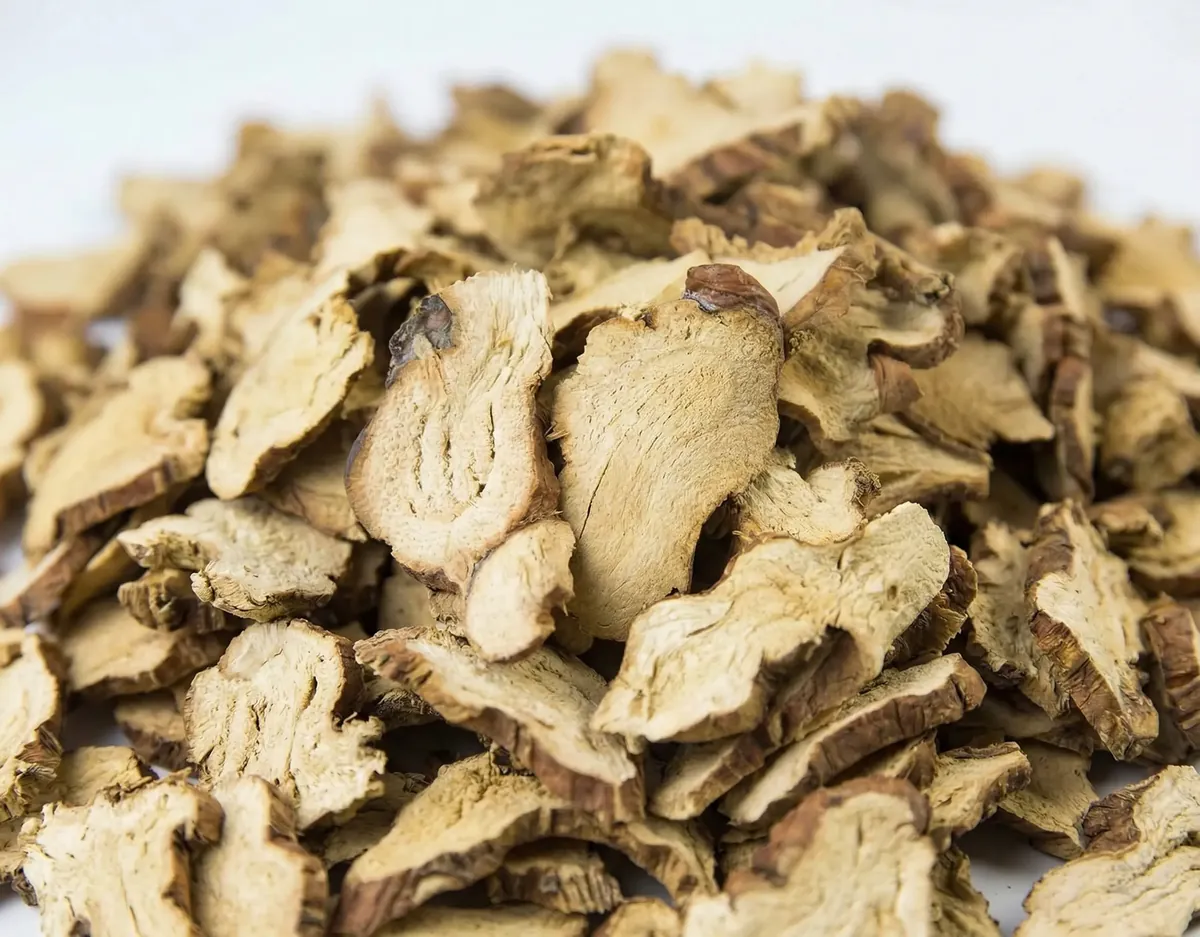
Dried galangal slices Lead Buyer-defined cut, sample-led An established Southeast Asian food channel with experienced importers who assess by sample.
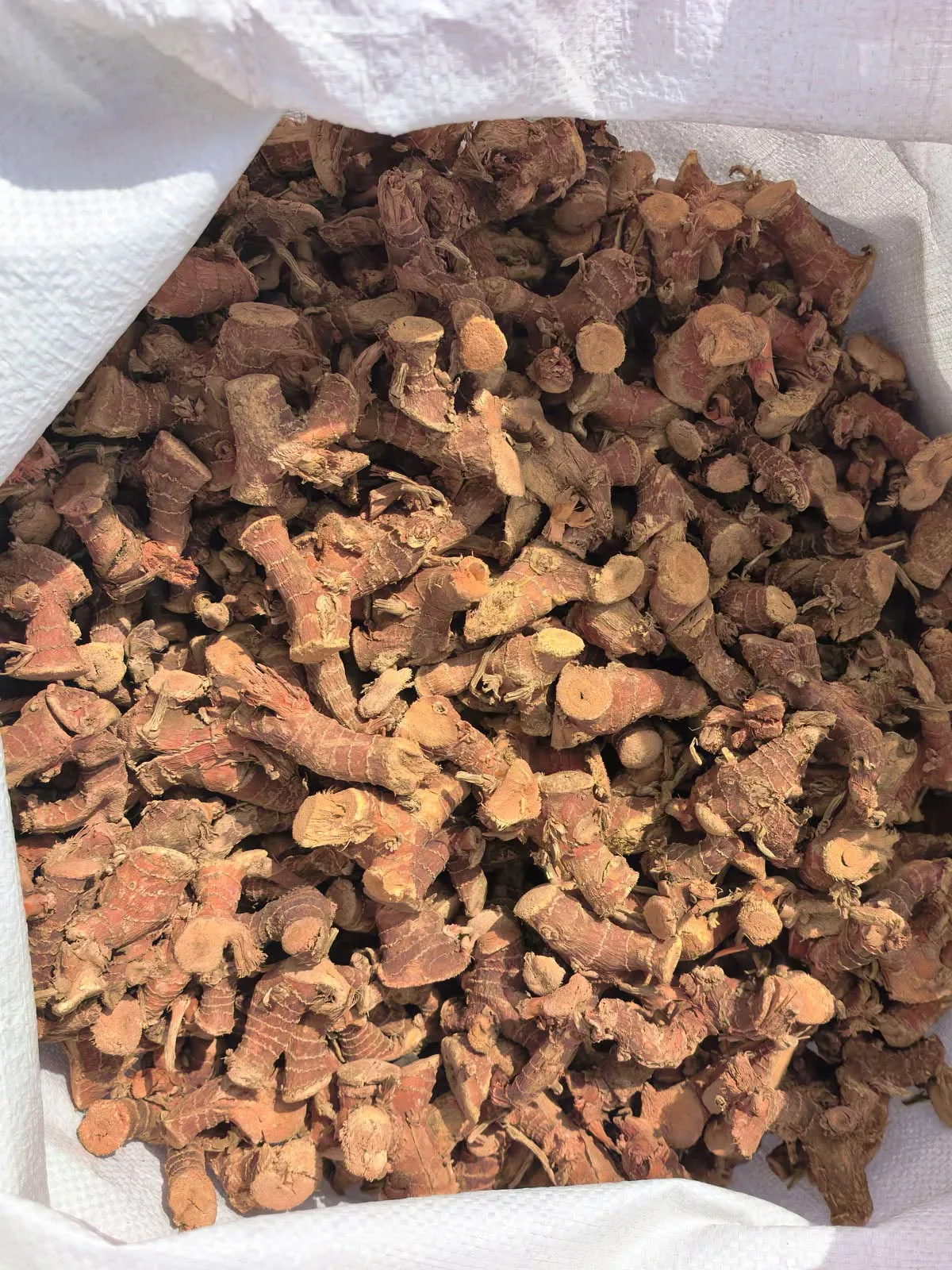
Dried galangal whole & chunk Secondary Written piece definition Repackers and grinders serving the same wholesale and retail channel.

Unusually among the destinations covered here, dried spice leads the enquiry in France rather than following it.

Both products in detail

Trusted rather than verified, and what that costs

France imports under EU rules, so residue limits and mycotoxin limits for dried spices are the union-wide ones, and consignments travel with a phytosanitary certificate under EU plant health conditions. The competent authority on the French side sits with the relevant national services, and consignments are presented at a border control post as elsewhere in the union.

One difference from Germany is worth stating: French buyers in this channel are less likely to run their own laboratory analysis on arrival and more likely to judge on the physical sample and on the relationship. That does not lower the compliance obligation. It moves where the obligation is checked — from the buyer's incoming bench to our own records — and raises what a mistake costs, because nothing catches it early.

What being trusted rather than verified asks of a supplier

It is easy to read a market that does not test as a market that is easier to serve. It is the opposite. Where a buyer measures every arrival, a drift in specification is caught on the first lot and corrected. Where a buyer judges on the sample and then relies on the relationship, the same drift is caught by a customer complaint several lots later — and by then it is not a technical conversation.

So the discipline this market asks for is internal rather than contractual: the same documentation and the same retained samples we would produce for a buyer who verifies, produced for a buyer who does not. We would rather hold that standard unasked than be asked for it after something has gone wrong.

The approved sample carries more weight here

Where the relationship does the work that a laboratory does elsewhere, the sample round stops being a formality and becomes the reference for everything after it. It is worth spending longer on than buyers in this market usually expect — agreeing not only that the sample is acceptable, but what specifically about it is being accepted, so that a later lot can be compared against something written rather than remembered.

This is also why we keep retained samples against shipped lots rather than only against the approved one. If a question is raised months later, a stored sample from the lot in question answers it directly, and without it the conversation has nowhere to start.

Repacking, and what it changes about the pack we ship

Where an importer repacks for retail, the consumer-facing pack carries French language labelling. That obligation sits with the importer rather than with us, but it has a practical consequence upstream: a bulk pack that is convenient for a repacker to open, decant, and account for is worth more here than one optimised purely for stacking. Tell us the repacking step exists and the outer is specified around it.

Route and packing

Port of discharge

Le Havre for northern France and Paris distribution; Marseille where the buyer sits in the south or routes onward into the Mediterranean.

Transit

Tanjung Priok to Le Havre and to Marseille, stated in the quotation for the booking offered.

Wholesale pack sizes

The Asian wholesale channel here works in pack sizes suited to onward distribution rather than industrial input. Tell us the pack weight your channel expects and it is specified before production.

Sample first

This market evaluates by sample more than most. Budget time for a sample round before the first container — it is how the trade works here and skipping it slows things rather than speeding them.

Terminology and commercial norms

French trade calls it galanga, and buyers in the Southeast Asian channel may also use the Vietnamese or Lao names depending on their supply relationships — a supplier who recognises those names rather than correcting them to English signals familiarity with the channel. Correspondence runs in French for smaller wholesalers and in English for larger importers.

Commercially, T/T is standard and CIF is common. Relationships in this channel tend to be long and built slowly, with a first order deliberately small. A supplier who treats a modest first shipment with the same documentation discipline as a large one is doing the thing that actually earns the second.

How a first order into France is de-risked

  1. Sample first

    Approve a physical sample before any container commitment. The approved sample becomes the acceptance reference.

  2. Written specification

    Format, tolerances, packing, and documents recorded before production. No verbal promises.

  3. Start small

    Trial quantities and mixed loads are reviewed before quotation — you are not forced into full-container risk.

Questions from French buyers

Is galanga the same as the dried galangal on your product pages?

Yes. Galanga is the French trade name for the same rhizome — botanically Alpinia galanga, called lengkuas at origin. Use the term your customers use; the written specification is what defines the material.

We buy on sample rather than on specification. Does that work with you?

It is how we prefer to start. You approve a physical sample, and we then write the specification around what you approved so the acceptance basis is recorded rather than remembered. The sample stays the reference; the document just makes it enforceable.

Our first order will be small. Is that a problem?

No, and it is the normal pattern in this channel. The specification and lot evidence process is the same regardless of volume — a small first shipment handled properly is how a long relationship starts here.

Request a quotation basis for France

Destination is pre-filled. Include the pack size your channel works in, and request a sample in the same message.

Complete briefs receive a substantive reply from the export desk — not an autoresponder. Incomplete enquiries receive clarifying questions the same day.

Opens WhatsApp with your brief filled in. Nothing is stored on this site.

WhatsApp