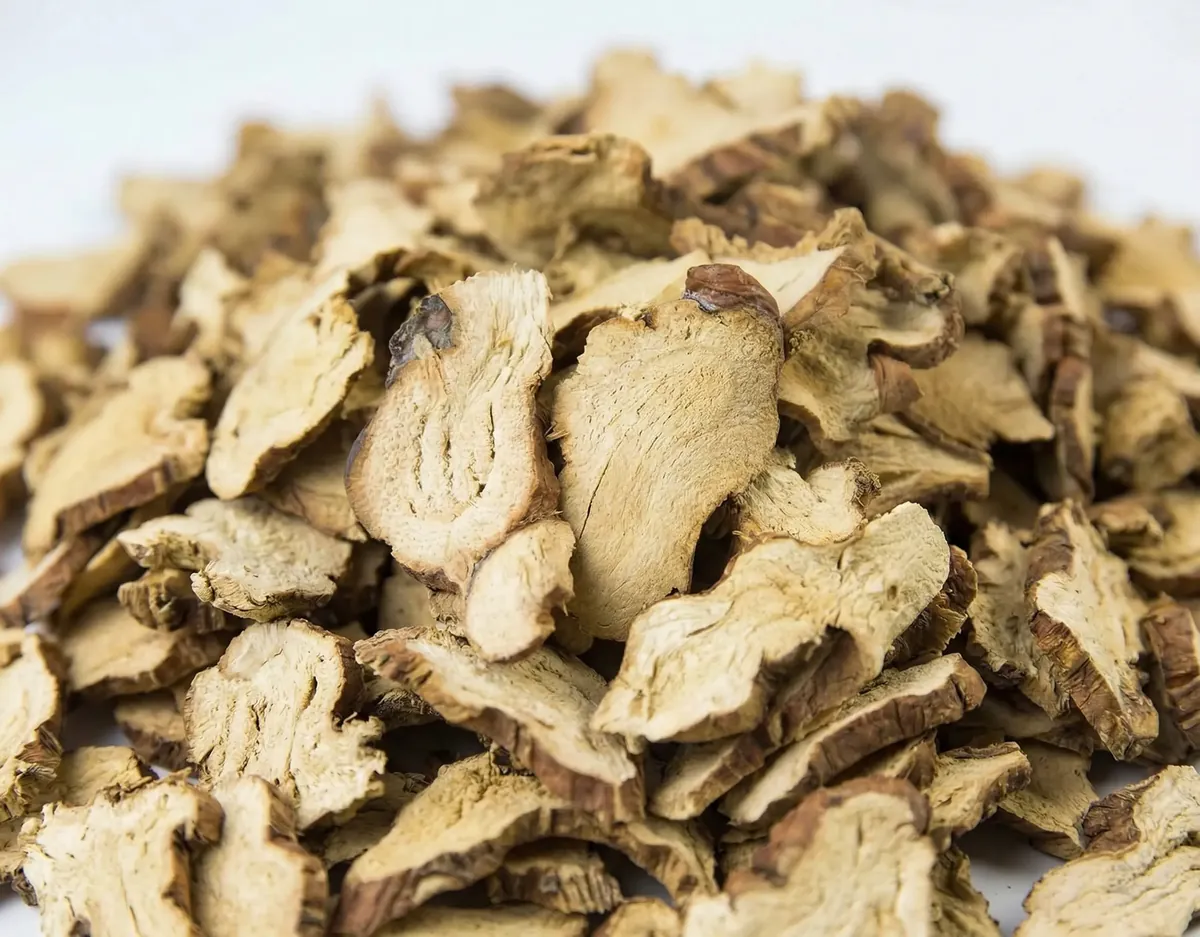
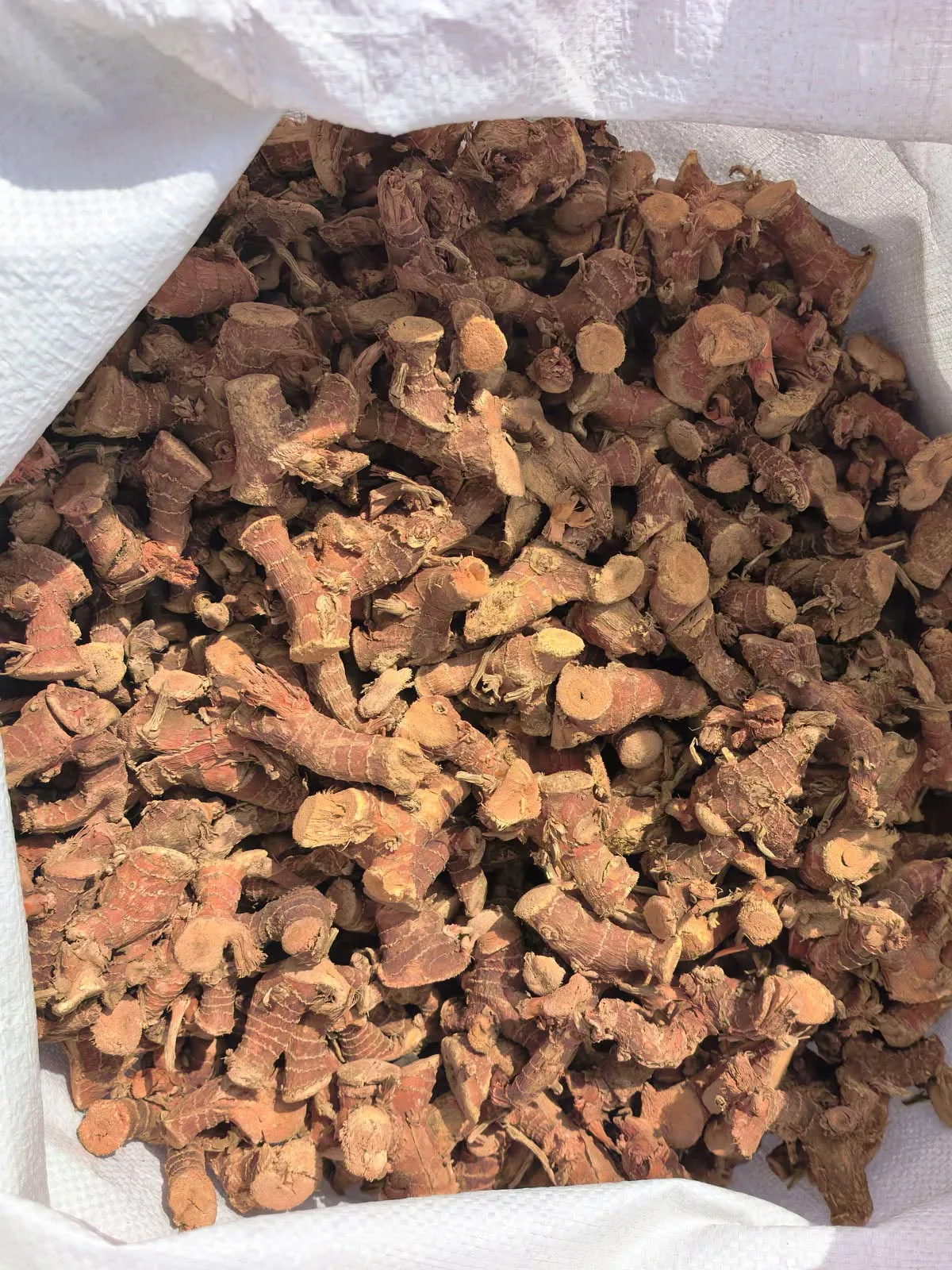
Dried galangal slices
- Cut
- Buyer-defined
- Basis
- Approved sample
Market notes
The single most expensive assumption an exporter can make about the UK is that it still follows EU rules. It does not, the two regimes have been diverging since they separated, and Northern Ireland sits under different arrangements again.
Short answer: An answerable galangal brief for United Kingdom includes application, preferred format, physical tolerance, moisture, packing, order size, destination, documents, and Incoterm. Buyers already know the product, and Great Britain sets its own post-Brexit residue rules.
Britain imports far more of both categories than it produces, and it does so through a concentrated importer and distributor layer rather than through growers buying direct. That shapes the conversation: your counterpart is more often a trading business managing a portfolio of origins than a technical end user, and their first questions are about reliability and compliance rather than agronomy.
Dried galangal has an unusually established position here. Britain has a large and long-standing South and Southeast Asian food sector, spanning manufacturing, wholesale, and retail, which means galangal is a familiar commodity rather than a speciality import. Buyers know what good material looks like and will not accept a general description of it.
The channel splits in a way worth naming before quoting. Manufacturers buy to a process and care about dosing consistency; the wholesale trade buys to resell and cares about how the material looks when a customer opens the sack. Both are workable and the specification is written differently for each, so the useful first question is which one you are.
| Product | Relevance here | Suggested grade / format | Note |
|---|---|---|---|
| Dried galangal slices | Lead | Buyer-defined cut, sample-led | A mature buyer base in food manufacturing and wholesale that already knows the product well. |
| Dried galangal whole & chunk | On request | Written piece definition | Grinders and repackers serving the wholesale channel. |
A UK importer buying for onward distribution needs different documentation than one consuming the material — say which applies.
Both products in detail
Residue limits, plant health conditions, and border controls for Great Britain are set domestically. They began from the EU position and have been diverging since, which means a specification written against EU limits is a reasonable starting point and an unreliable finishing one. A supplier who tells you "it meets EU standards, so it is fine for the UK" has not checked.
Alongside the phytosanitary certificate we supply, regulated goods entering Great Britain need advance notification through IPAFFS, and that notification is the importer's rather than the exporter's. It is a small step that strands consignments when nobody has been told it is their job.
Northern Ireland operates under arrangements that keep it aligned with EU rules for goods, which means a consignment destined for Belfast can face different requirements than the same consignment destined for Birmingham. If your business moves goods to or through Northern Ireland, that belongs in the first enquiry — it is the detail most often discovered too late.
Nobody writes down that a specification prepared for an EU buyer will serve here. It simply goes unquestioned, because for a long time it was true and because the documents look the same. That is what makes it durable: an assumption nobody has articulated is an assumption nobody thinks to check.
The cheapest correction is a question rather than a review. Asking which set a consignment is being prepared for takes one line at enquiry; discovering the answer at the border takes considerably longer and involves a party who is not obliged to be helpful about it.
A good deal of what has to be arranged here is arranged by the importer rather than by us, and prenotification is the clearest example. It is not something a supplier can do on a buyer's behalf, and it is not something that becomes our problem when it is missed — but a consignment held for it is delayed just the same, so we would rather confirm it is in hand than treat it as none of our business.
That is the honest division of labour on this route: we supply the documents that make the notification straightforward and answerable, you make it, and neither part works without the other.
The laboratory scope and document set are decided against the specific destination within the UK rather than against "Europe" as a category. That is one extra question at enquiry stage and it removes the most common cause of a held consignment here.
Felixstowe or London Gateway for most shipments; Southampton and Liverpool where inland routing favours them.
Tanjung Priok to the UK, stated in the quotation for the booking offered.
Where material is repacked for retail sale rather than fed into a process, pack weight consistency and appearance matter more than anything a manufacturer would measure. Say if that is the end use — the specification changes shape entirely.
Declare it if goods move on to Northern Ireland or the Republic of Ireland. The requirements differ and cannot be added after arrival.
Galangal is called galangal here — the Dutch and German trade names do not travel, and neither does the assumption that a buyer needs the product explained. What does travel is a high familiarity with the material, built over decades of South and Southeast Asian food manufacturing, so vague quality language is spotted quickly and read as inexperience rather than as brevity.
Commercially, T/T is standard and CIF is commonly requested. UK importers frequently run multi-origin portfolios and will compare you against Thai, Vietnamese, and Chinese suppliers on paper before they compare on product. Documentation completeness is therefore part of the first impression rather than an administrative afterthought.
Approve a physical sample before any container commitment. The approved sample becomes the acceptance reference.
Format, tolerances, packing, and documents recorded before production. No verbal promises.
Trial quantities and mixed loads are reviewed before quotation — you are not forced into full-container risk.
As a starting point, not as a conclusion. GB sets its own residue limits and plant health conditions, and they have been diverging from the EU position since separation. We scope the laboratory plan and documents against the GB requirements specifically rather than assuming equivalence.
Yes, and it is worth raising in the first message. Northern Ireland stays aligned with EU rules for goods, so a consignment routed there can face different requirements than one staying in Great Britain. Declaring it early is far cheaper than discovering it at the border.
Substantially. Retail repacking rewards consistent pack weight and appearance; manufacturing rewards a piece definition your line can dose. Both are workable, but the specification is written differently, so tell us which end use applies before we quote.
Destination is pre-filled. Say whether goods stay in Great Britain or move to Northern Ireland or Ireland.
Complete briefs receive a substantive reply from the export desk — not an autoresponder. Incomplete enquiries receive clarifying questions the same day.