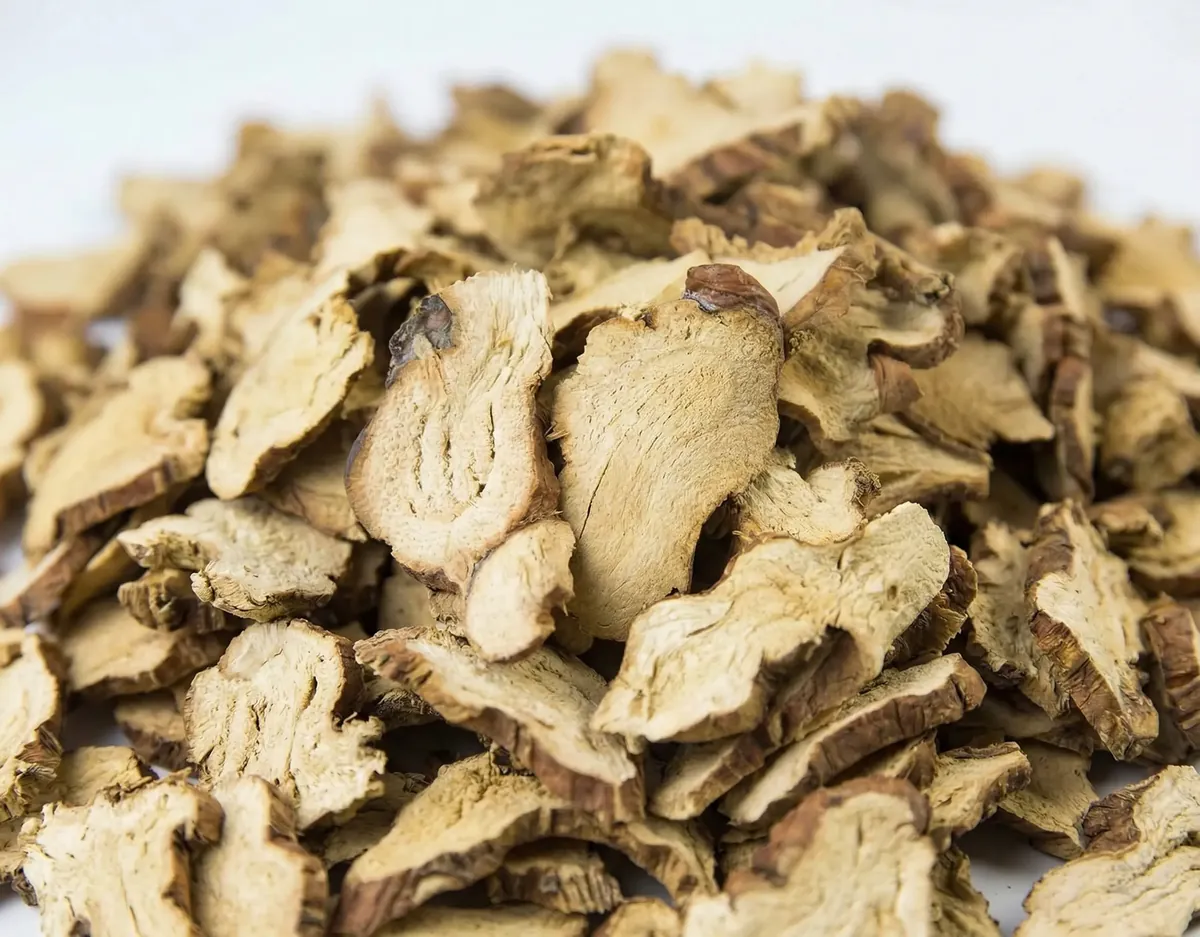
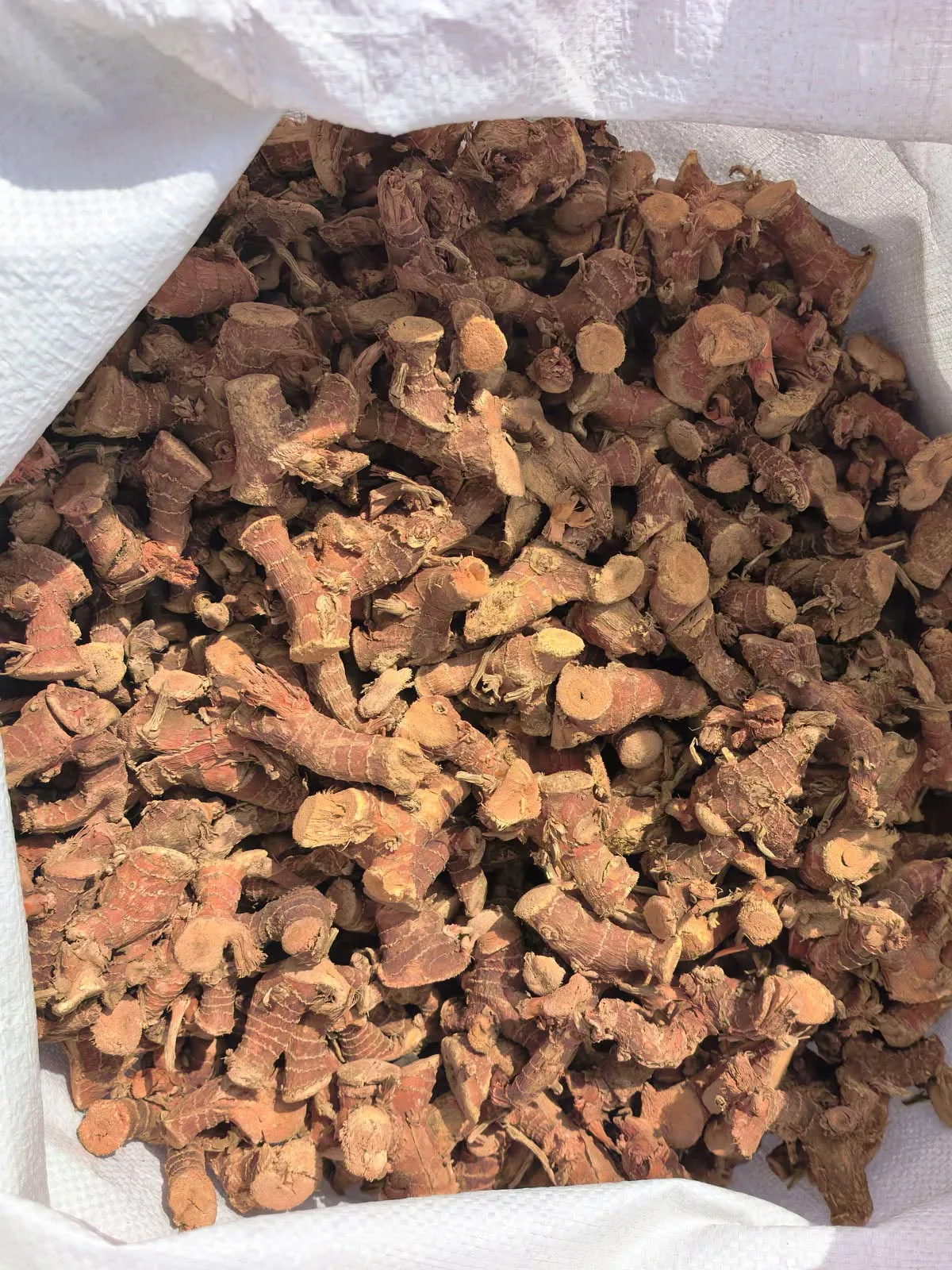
Dried galangal slices
- Cut
- Buyer-defined
- Basis
- Approved sample
Market notes
Two very different demands meet here: controlled-environment farming that exists because the climate leaves no alternative, and a re-export trade that moves goods onward across the Gulf and beyond. What you are doing with the cargo changes the documentation more than the product does.
Short answer: An answerable galangal brief for United Arab Emirates includes application, preferred format, physical tolerance, moisture, packing, order size, destination, documents, and Incoterm. Jebel Ali routing, and an import permit that must exist before the vessel sails.
Very little of what arrives here is eaten here. The domestic food trade is real but modest against the volume moving through, and that ratio is the single most useful thing to understand before quoting: your counterpart is more often deciding what to do with a container than what to cook with it.
The second thread is trade rather than production. Jebel Ali is one of the region's major transhipment points, and a substantial share of what lands there moves onward into Saudi Arabia, the wider Gulf, East Africa, and South Asia. For dried galangal that matters a great deal, because a re-exporter's documentation requirements are driven by the eventual destination, not by the UAE.
The practical consequence: tell us at enquiry stage whether the cargo stays in the UAE or moves on. A consignment destined for onward sale into Saudi Arabia carries different expectations than one being consumed locally, and discovering that after booking is expensive.
| Product | Relevance here | Suggested grade / format | Note |
|---|---|---|---|
| Dried galangal slices | Lead | Buyer-defined cut, sample-led | Food trade and re-export; South and Southeast Asian cuisine channels are well established here. |
| Dried galangal whole & chunk | On request | Written piece definition | Repackers and processors serving the regional trade. |
Project buyers and re-exporters ask different questions of the same material — say which you are and the quotation becomes more useful.
Both products in detail
We do not currently hold Halal certification. For a rhizome the question is about handling and segregation rather than the material itself, but that distinction settles nothing commercially: if the certificate is what your onward market asks to see, the reasoning behind its absence is not a substitute for it.
Being direct about it now is worth more to you than a hedged answer. This market in particular buys to distribute onward, so the requirement often comes from a customer you have and we do not — which means you can answer this faster than we can. If a destination on your list requires certified Halal, we are not the right supplier for that part of your book today, and it is cheaper to know before a sample round than after one.
A buyer purchasing for consumption asks whether the material suits their process. A buyer purchasing to distribute asks something narrower and harder: whether the documentation will still hold up when the goods are sold on to somebody with their own requirements. The material is the same; the evidence has to travel further.
In practice that favours a document set issued to be forwarded rather than filed — certificates that name the lot, quantities that reconcile across papers, and a description consistent enough that a second buyer reading it cold reaches the same conclusion as the first. None of that costs anything at issue and it cannot be added afterwards.
This is the requirement most easily discovered too late. An import permit has to be obtained before the consignment leaves the country of export, and anything not named on that permit is refused on arrival. It is issued to the importer, which makes it yours to hold rather than ours to arrange — and it means a purchase order alone is not enough to start loading.
Practically, that reorders the conversation. Send us the permit, or the commodity descriptions you intend to apply for, before we quote a shipping window — a permit that names the goods differently from the invoice is the most expensive kind of paperwork error on this route.
Food consignments entering the UAE are subject to federal and emirate-level food control, with labelling, documentation, and shelf-life expectations confirmed per consignment. Where cargo is destined for onward movement, the receiving country's requirements govern — which is why the re-export question belongs in the first enquiry.
A phytosanitary certificate accompanies the goods under conditions confirmed per shipment. This is usually the simpler half of the paperwork here; the permit and the re-export declaration are the parts that decide your timeline.
Jebel Ali for most shipments, including cargo intended for onward movement. Khalifa Port is used where a buyer's operation sits closer to Abu Dhabi.
Tanjung Priok to Jebel Ali — one of the shorter routes from Indonesia to the Gulf, stated in the quotation for the booking offered.
Ambient temperatures at destination are high for much of the year, and that raises the cost of any residual moisture more than it would in a temperate market. Packing, liner, and moisture targets are agreed against that rather than against a default written for somewhere cooler.
If the cargo moves onward, tell us the eventual destination at enquiry. Documents that satisfy UAE entry may not satisfy the next border, and retrofitting a certificate after the container has landed is rarely possible.
Trade here runs in English and uses the international terms rather than a distinct local vocabulary. What varies more than terminology is buyer type: a food importer selling into the domestic trade and a re-export trader use the same words to mean quite different requirements, so the useful first question is what happens to the cargo after it arrives.
Commercially, letters of credit are more common in the Gulf than in European trade, and CIF quotations are the norm. Project buyers frequently want phased delivery tied to a construction or planting schedule rather than a single shipment, which is workable but needs to be stated up front because it changes both pricing and booking.
Approve a physical sample before any container commitment. The approved sample becomes the acceptance reference.
Format, tolerances, packing, and documents recorded before production. No verbal promises.
Trial quantities and mixed loads are reviewed before quotation — you are not forced into full-container risk.
Not currently. For a plant-derived product the certification concerns handling and cross-contamination controls rather than the material itself, but that does not remove the requirement where your buyer or onward market asks for the certificate. If certified Halal is mandatory for your line, we are not the right supplier for it today — and you should know that before a sample round rather than after.
It changes the documentation rather than the material. The receiving country's requirements govern, so tell us the eventual destination in your first message. Certificates that satisfy UAE entry may not satisfy the next border, and they generally cannot be added after the container has landed.
Yes. Phased delivery affects both pricing and booking, so raise it at enquiry rather than after the first container. The specification stays the same across phases, which is the point of writing it down once.
It raises the cost of any residual moisture, and it does so faster than a temperate market would. We agree packing, liner, and moisture targets against your climate rather than a default — say how and where the material will be stored and it goes into the specification.
Destination is pre-filled. Tell us whether the cargo stays in the UAE or moves onward, and to where.
Complete briefs receive a substantive reply from the export desk — not an autoresponder. Incomplete enquiries receive clarifying questions the same day.