Market notes

Indonesia Galangal Dried Supplier for Germany

Germany is a spice market before it is anything else to us, and Hamburg is where most of it lands. German buyers ask for more documentation earlier than buyers anywhere else we ship to — this page sets out what we can put in writing before you commit.

Short answer: Before quoting galangal for Germany, align application, format, physical tolerances, moisture, packing, quantity, arrival point, documents, and Incoterm. Organic expectations run high and buying is documentation-first — a market that rewards writing things down.

Who buys what, and why it differs here

Hamburg has traded spice for centuries and still concentrates a large share of the European trade. What that means for a supplier is that German importers are rarely first-time buyers of dried spice — they have long-standing origins, established quality expectations, and internal laboratories or contracted ones. A new origin is assessed on paper before it is assessed on product.

Two demand threads matter for galangal. Food manufacturing uses it in seasoning and sauce production, often as part of an Asian-cuisine portfolio. Separately, Germany has one of Europe's strongest organic markets, and organic-certified spice consistently commands both premium and preference. We should be direct that this is a threshold we do not currently cross — see below.

The second thread is the organic channel. They buy material as a component, buffer or blend it to their own recipe, and sell on under their own brand. That changes what matters: batch-to-batch consistency outranks any single grade name, because their formulation assumes a stable input.

Product fit for this market

Relevance by product — Germany
Product Relevance here Suggested grade / format Note
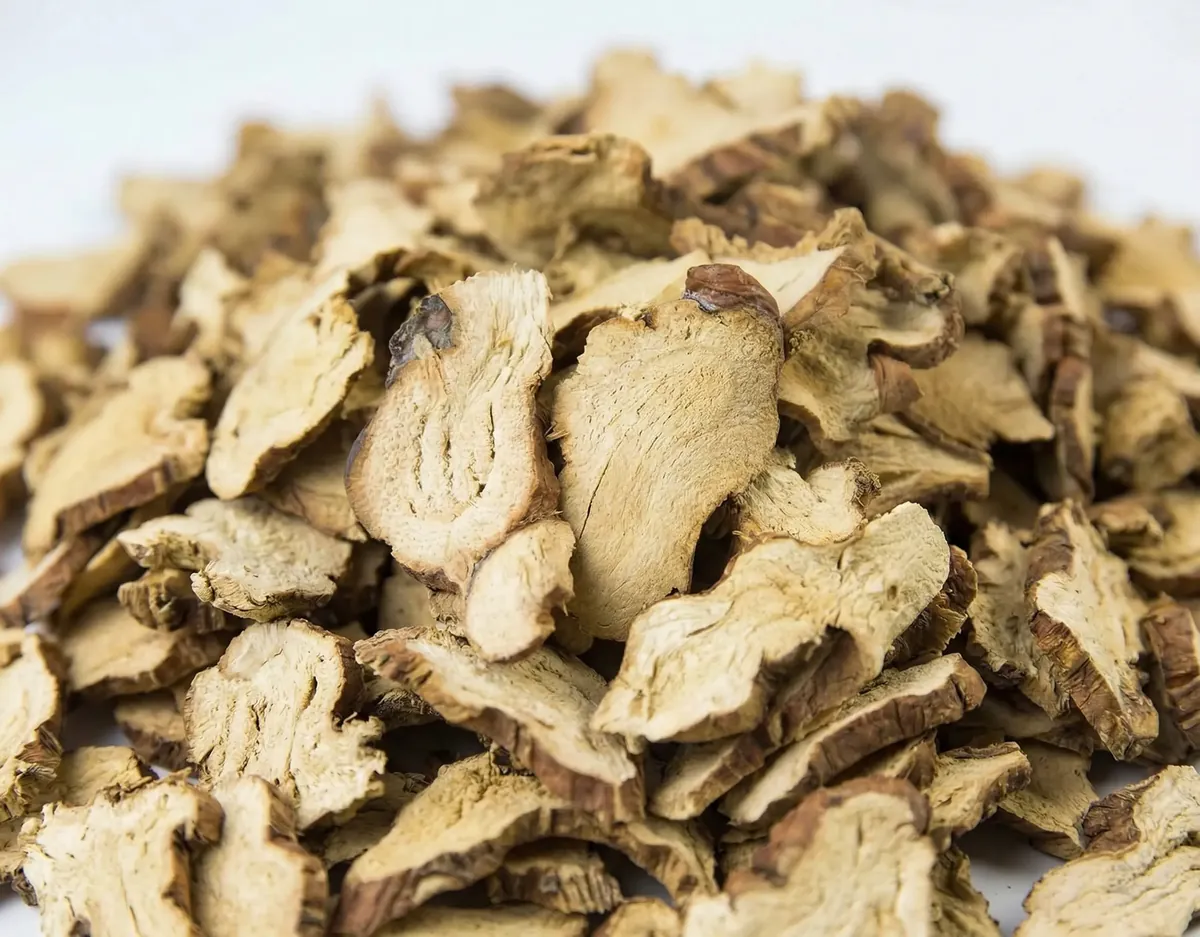
Dried galangal slices Lead Buyer-defined cut, sample-led Seasoning and sauce manufacturing; Hamburg importers also distribute onward across Europe.
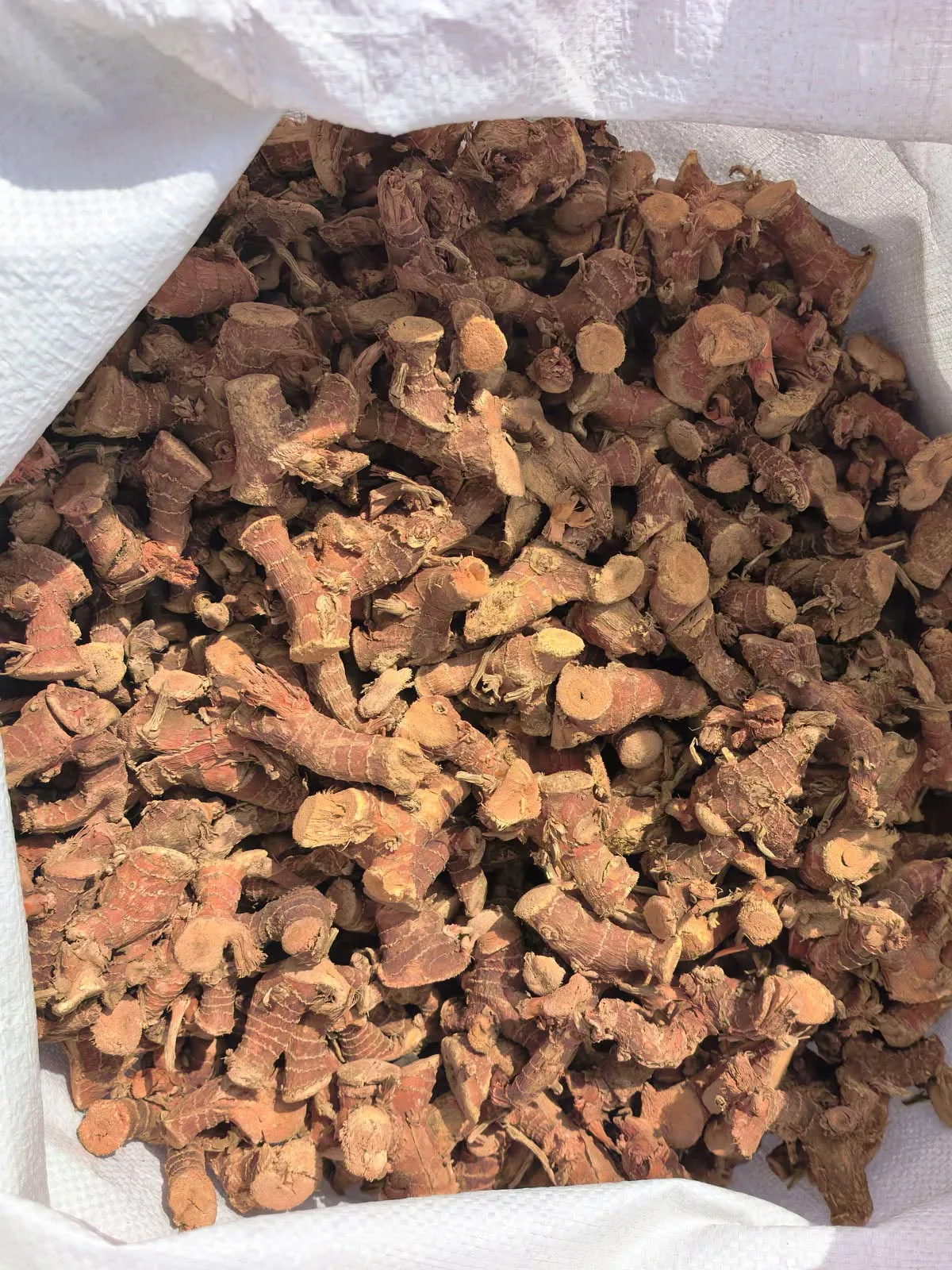
Dried galangal whole & chunk Secondary Written piece definition Grinders and extractors who prefer to control particle size in-house.

Slices carry this market; whole and chunk follow the grinding and repacking trade.

Both products in detail

A market that moves material onward, and what it asks for

Residues and contaminants

Germany imports under EU rules, so maximum residue levels and mycotoxin limits for dried spices are the same as anywhere in the union. What differs is enforcement culture and buyer expectation: German importers commonly run their own incoming analysis in addition to whatever the supplier provides, and they expect the supplier's figures to survive that check. A specification that quietly rounds in the supplier's favour is found quickly here.

Organic — where we stand

German demand for organic-certified spice is real and well established, and buyers will ask early. We do not hold EU Organic certification. Saying so at enquiry stage saves both sides a sample round. If organic is a requirement for your line, we are not currently the right supplier for that line — though the conventional specification remains open, and buyers who run both often start there.

A large market whose role is to move material onward

Volume here can be misleading about what the buyer is doing. A significant share of the spice arriving in Germany is being consolidated, stored, and distributed rather than consumed in the country, which means the party we deal with is frequently not the party that will use the material.

That changes which parameters carry weight. A distributor is judged on whether every delivery matches the last one, because their customers compare consecutive lots against each other rather than against a specification sheet. Absolute quality is our problem to get right once; repeatability is the one they live with every month.

Why the organic question comes up before anything else

Buyers here raise certification earlier in a conversation than buyers in most markets, and it is worth understanding that as a filter rather than a preference. Where a distributor supplies a channel that requires it, an uncertified supplier cannot be slotted in later — so establishing our position in the first exchange is not us closing a door, it is us not wasting a sample round on a line we cannot serve.

The conventional side of the same buyer's business is a different matter and often the practical starting point. It is worth saying which of the two an enquiry is for, since the answer decides whether there is anything to discuss.

Plant health

Consignments travel under EU plant health rules with a phytosanitary certificate, with conditions confirmed per consignment. For buyers importing material as an input rather than as a finished product, it is worth confirming early how your onward packing and labelling affect your own obligations downstream.

Route and packing

Port of discharge

Hamburg for most shipments; Bremerhaven where a buyer's inland routing favours it. Rotterdam is also used for German-bound cargo moving inland by barge or rail.

Transit

Tanjung Priok to Hamburg, stated in the quotation for the booking offered.

Documentation

German buyers typically want the full document set confirmed before booking rather than in transit. We would rather work that way too — it removes the most common cause of delay at arrival.

Pallet handling

Euro pallet handling is standard. Confirm footprint and stack height and it is specified before production.

Terminology and commercial norms

German trade calls galangal Galgant, and buyers will often use it alongside the botanical Alpinia galanga in specifications and purchase documents — often both in the same line, because the German trade treats the botanical name as part of the identity rather than as decoration. Using Galgant in an enquiry reply signals you have served the market before; answering only in English signals you have not.

Commercially, German buyers work on T/T and expect terms to be stated plainly from the outset. Negotiation tends to be shorter and more literal than in some markets: what is written is what is expected, and vague language reads as evasion rather than flexibility. That suits a specification-led supplier and is one reason this market is worth the documentation effort.

How a first order into Germany is de-risked

  1. Sample first

    Approve a physical sample before any container commitment. The approved sample becomes the acceptance reference.

  2. Written specification

    Format, tolerances, packing, and documents recorded before production. No verbal promises.

  3. Start small

    Trial quantities and mixed loads are reviewed before quotation — you are not forced into full-container risk.

Questions from German buyers

Do you have EU Organic certification?

No. German organic demand is significant and we would rather say so at enquiry stage than after a sample round. The conventional specification is open and documented in full; if your line requires certified organic, we are not the right supplier for that line today.

Is Galgant the same as the dried galangal on your product pages?

Yes. Galgant is the German trade name for the same rhizome — botanically Alpinia galanga, called lengkuas at origin. Use whichever term your purchase documents use; the written specification defines the material.

Will your figures hold up against our own incoming analysis?

That is the point of recording them per lot rather than publishing fixed values on a website. You receive the figures for the consignment you are buying and are free to verify them before release. If a result differs from the specification, the specification is the acceptance basis — not our word for it.

We blend rather than sell the material on directly. Does that change anything?

It changes what matters most. A blender needs batch-to-batch consistency because the formulation assumes a stable input, so the moisture figure and the piece definition per lot are worth more to you than any grade name. Tell us the range your recipe tolerates and it goes into the written specification.

Request a quotation basis for Germany

Destination is pre-filled. Include the document set your process requires so we can confirm it before booking.

Complete briefs receive a substantive reply from the export desk — not an autoresponder. Incomplete enquiries receive clarifying questions the same day.

Opens WhatsApp with your brief filled in. Nothing is stored on this site.

WhatsApp