Market notes

Indonesia Galangal Dried Supplier for Australia

Here the cost of a failed consignment is not the consignment. Inspection rates follow your import history, so one bad shipment raises the rate on every shipment after it until a clean run brings it back down.

Short answer: Galangal buyers serving Australia should confirm use, format, cut or piece range, moisture, packing, volume, destination, documents, and trade term. Inspection rates follow your import history, so the first shipments set the cost of the rest.

Who buys what, and why it differs here

Australia has one of the largest Southeast Asian food sectors outside Asia, built on decades of migration and now supplying mainstream retail rather than a niche. Paste and sauce manufacturers, the restaurant supply trade, and the Asian grocery wholesale channel all buy dried galangal, and between them they cover most of the volume.

What sets this market apart is not who buys but what happens after the container arrives. Imported food is inspected against a scheme where the rate applied to your goods depends on the compliance record behind them. Pass consistently and the rate falls. Fail once and it rises — for the goods after the failure, not just the ones that failed.

That turns the first few shipments into something more consequential than a trial. They are the record that sets your cost of doing business here for a long time afterwards, and it is worth treating them that way rather than as a low-stakes start.

Product fit for this market

Relevance by product — Australia
Product Relevance here Suggested grade / format Note
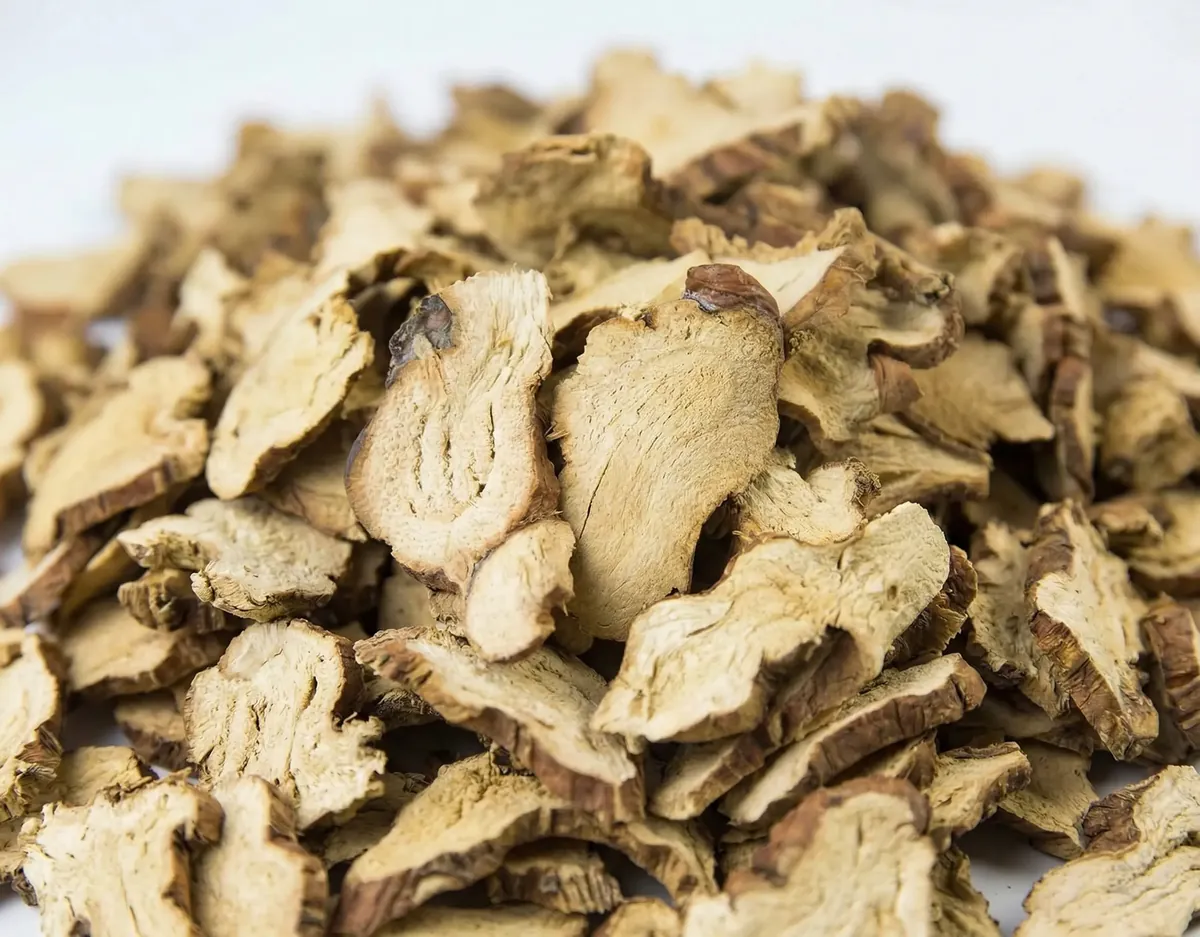
Dried galangal slices Lead Buyer-defined cut, sample-led Paste and sauce manufacturing, restaurant supply, and the Asian grocery wholesale trade.
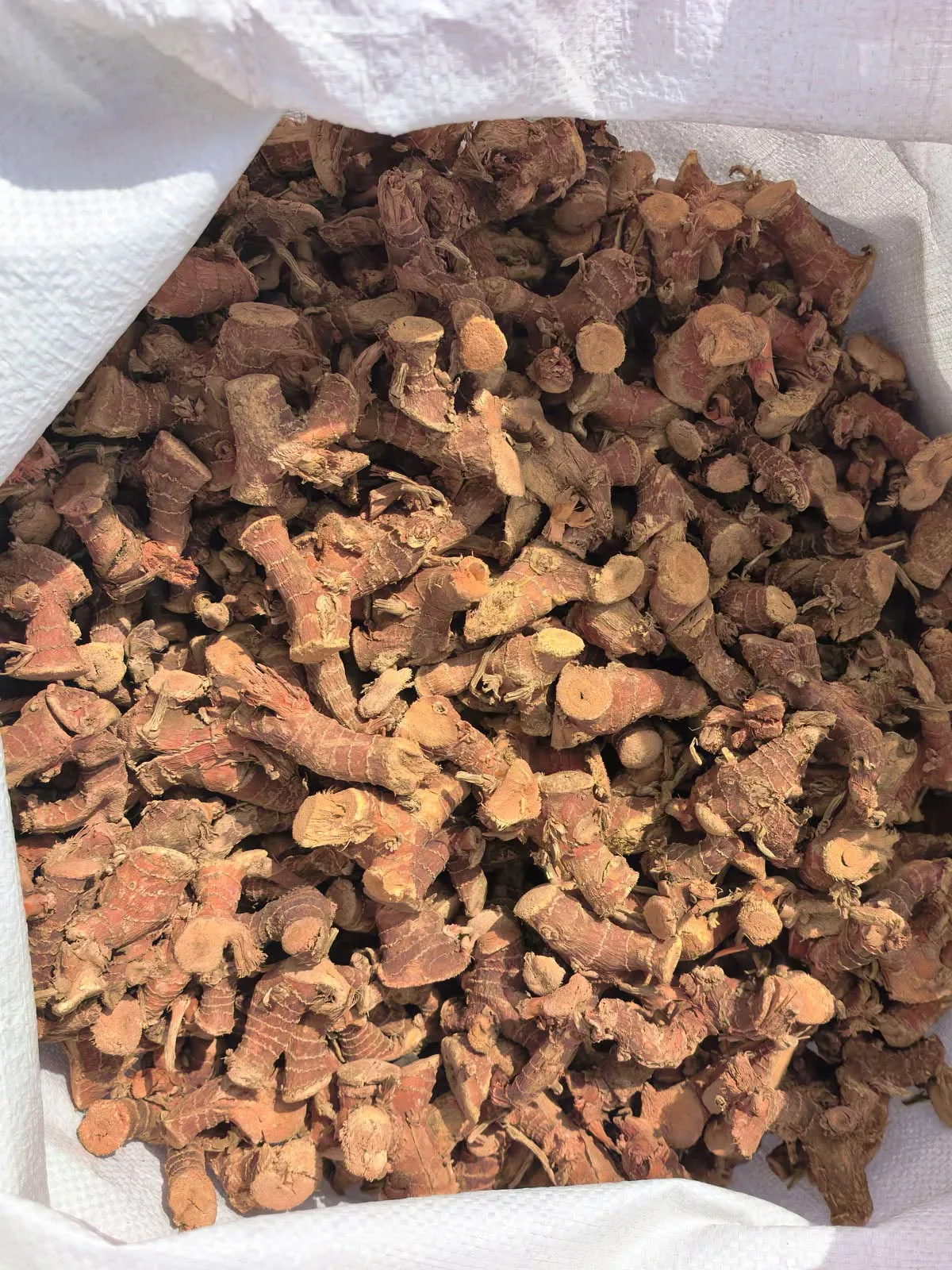
Dried galangal whole & chunk Secondary Written piece definition Grinders and repackers serving the same channels.

Whichever format you take, the laboratory scope is agreed before shipment rather than after — the inspection history is what you are protecting.

Both products in detail

How the inspection scheme actually works

Your rate is a function of your record

Imported food is categorised by risk, and the inspection rate applied is not fixed. A history of passing consignments reduces how often your goods are pulled; a failure moves it the other way and keeps it there until a run of clean consignments re-establishes the record. Spices sit within the categories this applies to.

What that changes about a first order

In most markets a small first order limits your exposure. Here it does something more useful: it starts a record. A modest consignment that passes is worth more than a large one that has to be argued about, because the passing consignment buys you a lower rate on everything that follows.

It also changes what a supplier should be asked for. Not reassurance, but a laboratory scope agreed against Australian requirements before production, and figures for the actual lot rather than for a typical one.

The record belongs to the pairing, not to us alone

It is worth being precise about what accumulates. A history is built around a combination — the commodity, the origin, and the parties involved — rather than around a supplier in the abstract. That has a consequence buyers sometimes find unwelcome: our performance on a different commodity, or another importer's history with us, does not transfer to your account.

It also has a consequence in the other direction, which is the useful one. The record you and we build together is yours as much as ours, and it is a reason to keep a working arrangement rather than re-tender it every season for a marginal saving. The saving is visible; the inspection cost of starting again is not, until it appears.

Why the second shipment is the one to plan for

Most suppliers optimise the first shipment and improvise the rest. Here the sensible order is reversed: the first consignment should be specified conservatively enough that it passes without argument, precisely so that the shipments after it can be planned against a lower intervention rate.

Practically that means we would rather agree a tolerance we are confident of on lot one than the tightest figure we could theoretically hit. A held container does not merely cost the delay on that container; it prices every one behind it.

Plant health

The plant health paperwork is the routine half. A phytosanitary certificate accompanies the goods under conditions confirmed for each consignment, and it is rarely where trouble starts. What does matter, more than at most borders, is how the cargo presents: a load that looks carelessly handled invites a closer look at everything else about it — and a closer look is the thing this market charges you for.

Route and packing

Port of discharge

Melbourne and Sydney handle most of the food trade; Brisbane, Fremantle, and Adelaide where the buyer's distribution sits closer. Inland cost differs enough between them to belong in the enquiry rather than be assumed.

Transit

Tanjung Priok to Melbourne and to Sydney, stated in the quotation for the booking offered.

Time held at the border

Where a consignment is selected for inspection it waits, and that wait is part of your lead time rather than an exception to it. Planning a delivery date without allowing for it is how first orders arrive late even when nothing went wrong.

Pallet and labelling

Australian warehouses have their own pallet conventions and food labelling requirements apply to anything reaching consumers. Tell us if material is repacked for retail and the specification is written around that.

Terminology and commercial norms

Trade runs in English and galangal is called galangal — the Southeast Asian names appear in the grocery channel but not on purchase documents. What is unusual is how often buyers here already know the regulatory language, because the inspection scheme has taught them. Expect questions about laboratory scope early rather than after a problem.

Commercially, T/T is standard and buyers frequently want landed cost. Relationships tend to be cautious at the start and stable afterwards, which follows directly from the way the inspection record works: switching supplier restarts a history that took effort to build.

How a first order into Australia is de-risked

  1. Sample first

    Approve a physical sample before any container commitment. The approved sample becomes the acceptance reference.

  2. Written specification

    Format, tolerances, packing, and documents recorded before production. No verbal promises.

  3. Start small

    Trial quantities and mixed loads are reviewed before quotation — you are not forced into full-container risk.

Questions from Australian buyers

What happens to our inspection rate if a consignment fails?

It rises, and it stays raised until a run of clean consignments brings it back down. That is why we agree the laboratory scope against Australian requirements before production rather than testing to a generic panel and hoping it covers what gets checked.

Should we start with a small order or a full container?

Small, and not for the usual reason. A modest consignment that passes starts a compliance record that lowers your rate on everything after it. The point is not limiting exposure — it is buying a history worth having.

Can you supply the laboratory results before shipment rather than after?

Yes, and it is the standard sequence rather than a favour. Figures are for the lot being shipped, not a typical lot, and they are shared before release so you can decide rather than discover.

Request a quotation basis for Australia

Destination is pre-filled — change it to Sydney or another port if that serves you better. Say whether you have an existing import history here.

Complete briefs receive a substantive reply from the export desk — not an autoresponder. Incomplete enquiries receive clarifying questions the same day.

Opens WhatsApp with your brief filled in. Nothing is stored on this site.

WhatsApp