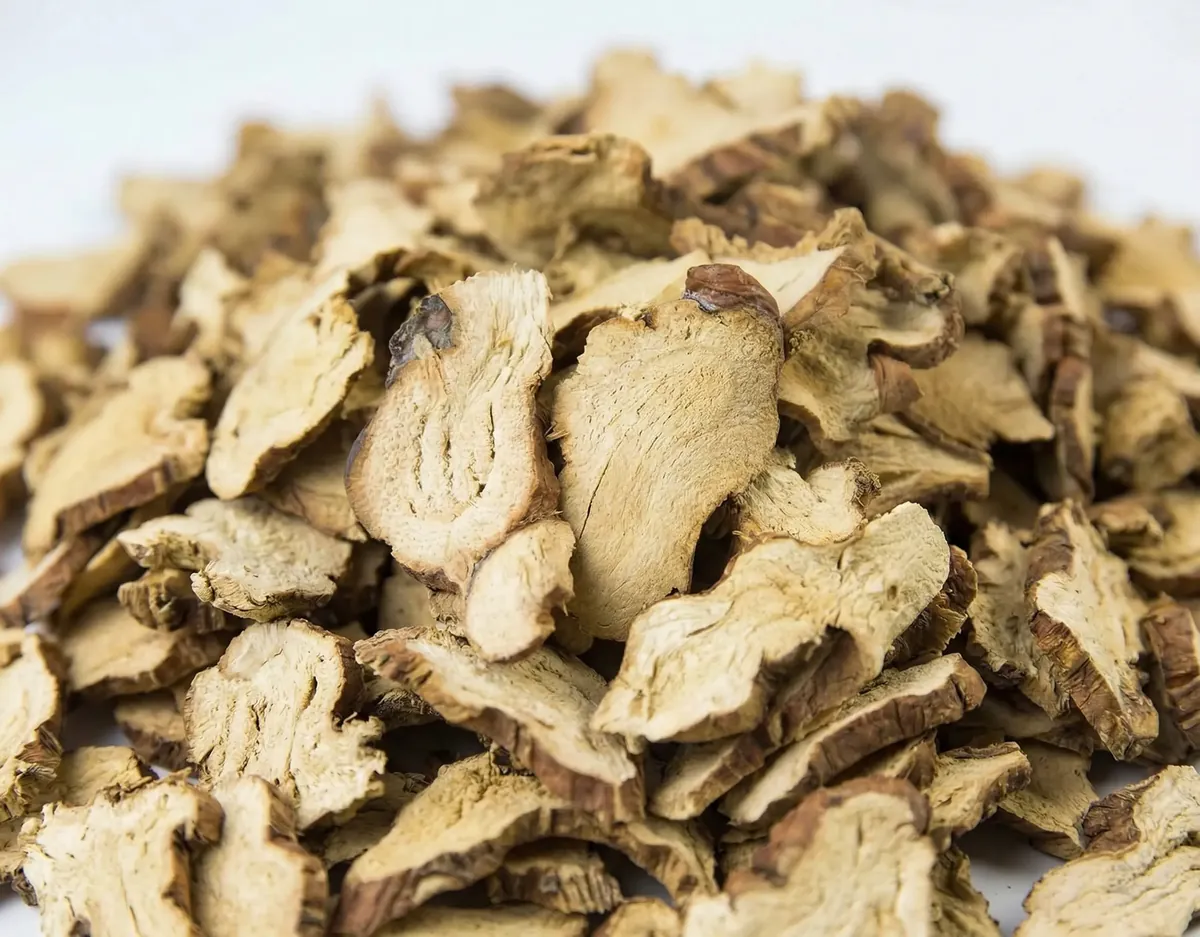
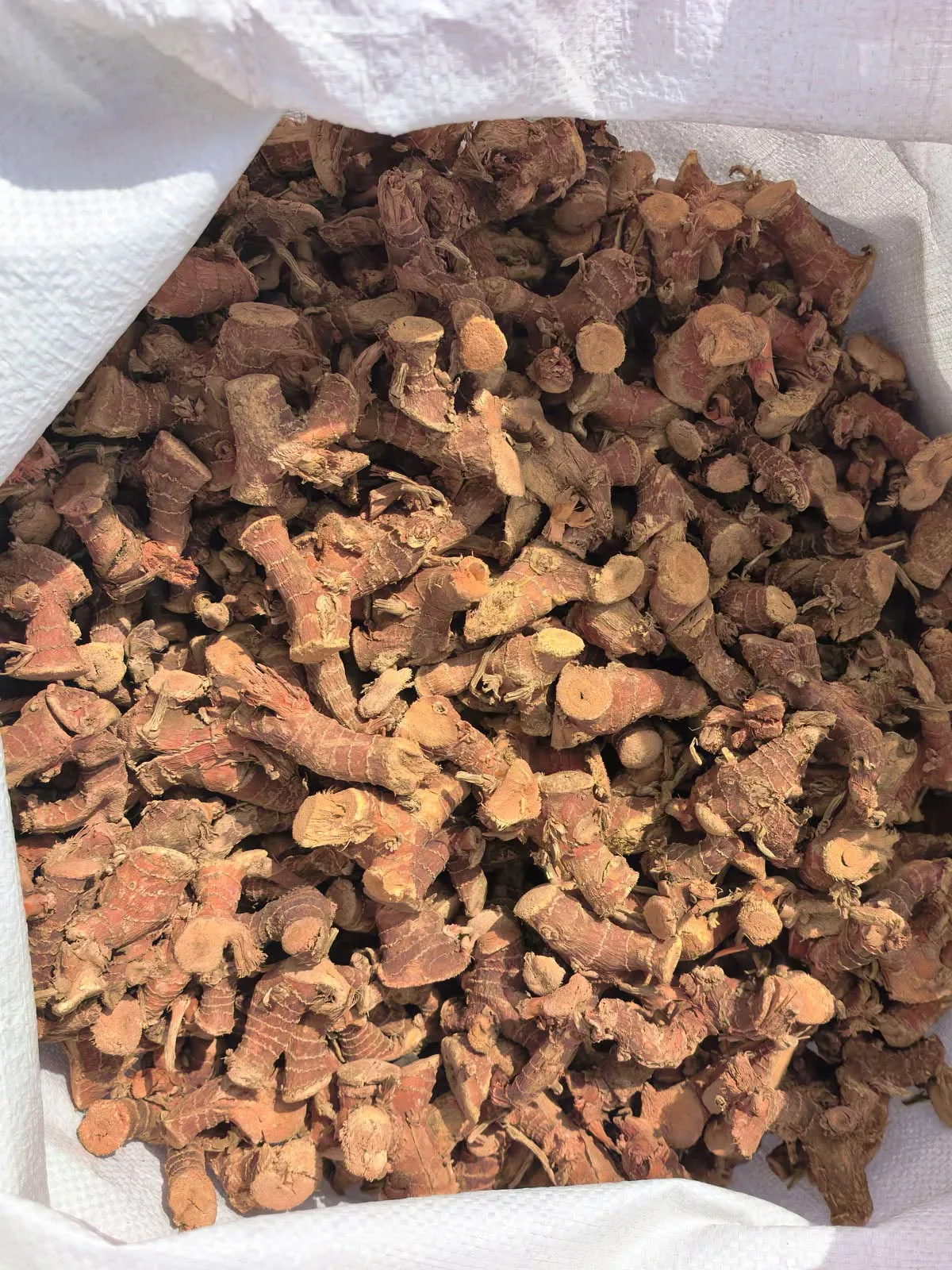
Dried galangal slices
- Cut
- Buyer-defined
- Basis
- Approved sample
Market notes
Japan is among the strictest markets anywhere on residues and the least forgiving on variation — and for a supplier who works from written specifications rather than adjectives, that is an advantage rather than an obstacle.
Short answer: Galangal buyers serving Japan should confirm use, format, cut or piece range, moisture, packing, volume, destination, documents, and trade term. Positive List residue rules, and small consistent repeat lots rather than large occasional ones.
Japanese buyers order smaller quantities more often, and they expect each delivery to match the last one closely. That pattern is sometimes read by exporters as low-volume and therefore low-priority. It is the opposite: a Japanese buyer who keeps reordering has effectively certified a supplier, and the relationship tends to be long and stable once it is established. What gets a supplier there is not a competitive first price but an uneventful first three shipments.
Two channels buy it. Food manufacturers producing Southeast Asian products need a piece size their line can dose consistently; the specialist import trade serves restaurants and retail where appearance carries more weight than it does upstream. Both share the same underlying expectation: documentation that matches reality, and a supplier who reports a problem before the buyer discovers it.
This is also the market where our approach needs the least translation. We already work by agreeing acceptance points in writing and confirming them against the lot being shipped. In most markets that has to be explained; here it is simply what a serious supplier is expected to do.
| Product | Relevance here | Suggested grade / format | Note |
|---|---|---|---|
| Dried galangal slices | Lead | Buyer-defined cut, sample-led | Food manufacturing and specialist import; residue scope decided before shipment. |
| Dried galangal whole & chunk | On request | Written piece definition | Processors preferring to control particle size themselves. |
Order sizes here are typically smaller than in comparable destinations. That is a characteristic of the market, not a lack of seriousness.
Both products in detail
Japan regulates agricultural chemical residues in food through a positive list approach: substances are permitted at specified levels, and anything not specifically provided for falls under a uniform limit that is far stricter than most exporters expect. The practical effect is that a consignment can be compliant in the EU and non-compliant here on a substance nobody thought to test for.
This changes how the laboratory plan is built. Rather than testing a standard panel and hoping it covers the destination, the scope is decided against Japanese requirements before shipment and recorded in the specification. It costs more per consignment. It costs considerably less than a rejected container.
Consignments are subject to plant quarantine on arrival and travel with a phytosanitary certificate, with conditions confirmed per consignment. Inspection is thorough here in a way it is not everywhere, and presentation of the cargo — cleanliness, absence of soil and plant debris, packing integrity — carries weight beyond the paperwork. A load that looks carelessly handled invites a closer look at everything else.
A supplier who has satisfied a European or American requirement can reasonably feel they have done the difficult part. The structure here is genuinely different, and a scope built elsewhere is a starting point rather than an answer — so the question worth asking a laboratory is not whether our existing package is acceptable but what this market specifically requires.
It is worth being alert to a comfortable answer here. If a laboratory replies that the requirement is broadly the same as another market, that reply is itself worth questioning rather than relied upon, because the assumption it encodes is exactly the one that produces a surprise on arrival.
First orders here tend to be modest, and it would be easy to price the attention accordingly. That reads the market backwards. A buyer who evaluates thoroughly before committing is a buyer who intends to keep the arrangement if it works, and the evaluation is the expensive part for both sides — not the tonnage.
So the work of specifying a small first consignment properly is worth doing at full effort, and we would rather quote a realistic date on a small lot than an optimistic one on a large one. On this route the first shipment is being assessed as much as the material is.
Everything above rewards the same behaviour: deciding what will be true before production, writing it down, and verifying it against the actual lot. That is our standard process rather than a special accommodation for this market — which is why Japan is worth pursuing despite the smaller order sizes.
Yokohama, Kobe, or Nagoya depending on where the buyer's operation and inland distribution sit.
Tanjung Priok to the main Japanese ports, stated in the quotation for the booking offered.
Part-container and consolidated shipments are common for this market. Say what quantity and frequency actually suit your operation rather than sizing an order to fill a container — the specification does not change with volume.
Packing condition, marking legibility, and cargo cleanliness are noticed here in a way they are not everywhere. We agree marking and packing detail in writing rather than leaving it to the packer's habit.
Trade documentation runs in English with international terms. What matters more than vocabulary is register: enquiries here are usually precise and understated, and a reply that oversells reads as a warning sign rather than as confidence. Answering narrowly and exactly — including saying plainly what we cannot do — is the more persuasive approach with Japanese buyers.
Commercially, T/T is common and first orders are deliberately small. Expect a longer evaluation period before volume grows, and expect questions that seem disproportionate to the order size. They are not: the buyer is assessing whether the third shipment will match the first.
Approve a physical sample before any container commitment. The approved sample becomes the acceptance reference.
Format, tolerances, packing, and documents recorded before production. No verbal promises.
Trial quantities and mixed loads are reviewed before quotation — you are not forced into full-container risk.
By deciding the laboratory scope against Japanese requirements before shipment rather than testing a standard panel and hoping it covers them. A consignment can be compliant in the EU and non-compliant here on a substance nobody thought to test for, so the scope is agreed with you and recorded in the written specification.
No. Order size is a characteristic of this market rather than a measure of seriousness, and the specification and evidence process is identical regardless of volume. Part-container and consolidated shipments are workable — tell us the quantity and frequency that genuinely suit your operation.
Often yes, and if we cannot we will say so before you order rather than after. A tolerance we agree becomes the acceptance basis for the shipment, so we only agree ranges we can actually hold across repeat deliveries.
You hear it from us before you hear it from your own incoming inspection. Current-lot evidence is shared before release precisely so that a variance becomes a decision you make rather than a problem you discover.
Destination is pre-filled. Include the residue scope your process requires and the quantity and frequency that suit your operation.
Complete briefs receive a substantive reply from the export desk — not an autoresponder. Incomplete enquiries receive clarifying questions the same day.