Market notes

Indonesia Galangal Dried Supplier for South Korea

Every other market on this list approves the shipment. This one approves the supplier first. That front-loads the work onto the relationship rather than onto each container, which is slower to start and steadier once it runs.

Short answer: Galangal buyers serving South Korea should confirm use, format, cut or piece range, moisture, packing, volume, destination, documents, and trade term. The one market that approves the supplier before the shipment — facility registration comes first, and it decides the timeline.

Who buys what, and why it differs here

Korean demand for dried galangal does not come from a domestic culinary tradition that uses it. It comes from manufacturing: sauce, paste, and seasoning producers making Southeast Asian style products for Korean consumers and for export, and from a food service channel that has grown with Thai and Vietnamese cuisine. The buyer is usually formulating rather than cooking, which means the enquiry arrives with a target specification attached instead of a request for a sample of your best grade.

There is a second buyer shape that catches suppliers out. A large share of ingredient purchasing here runs through trading companies rather than direct from the factory that will use the material. The trading house is not a middleman to be routed around — it holds the import registrations, carries the compliance burden, and often knows the regulatory position better than the manufacturer does. Treating it as an obstacle is the fastest way to lose an account you have not yet opened.

What follows from both is the same thing: the first conversation here is about whether you can be approved as a source at all, not about price. Suppliers who lead with a quotation are answering a question nobody asked yet.

Product fit for this market

Relevance by product — South Korea
Product Relevance here Suggested grade / format Note
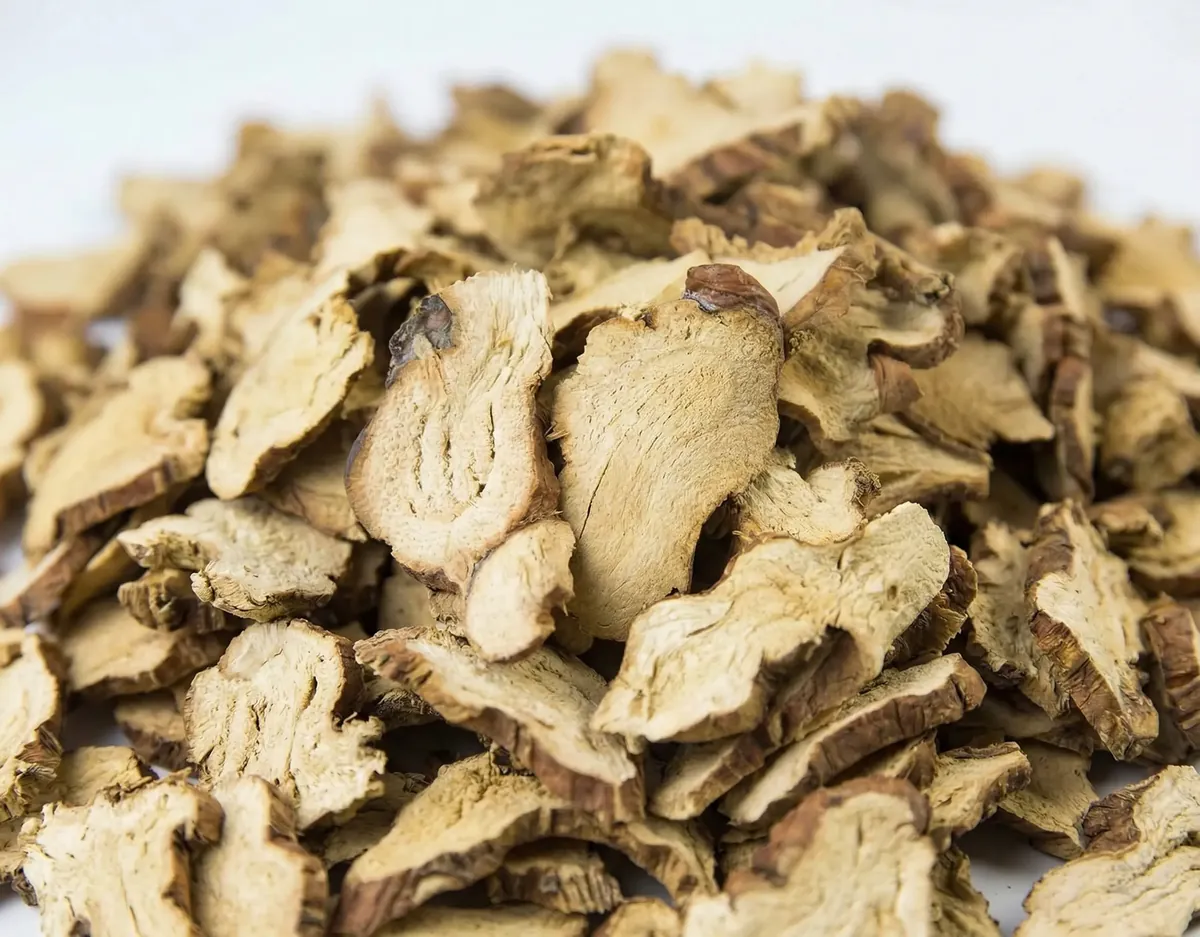
Dried galangal slices Lead Buyer-defined cut, sample-led Bought by sauce and seasoning manufacturers where the cut feeds a defined process step and consistency between lots matters more than any single lot.
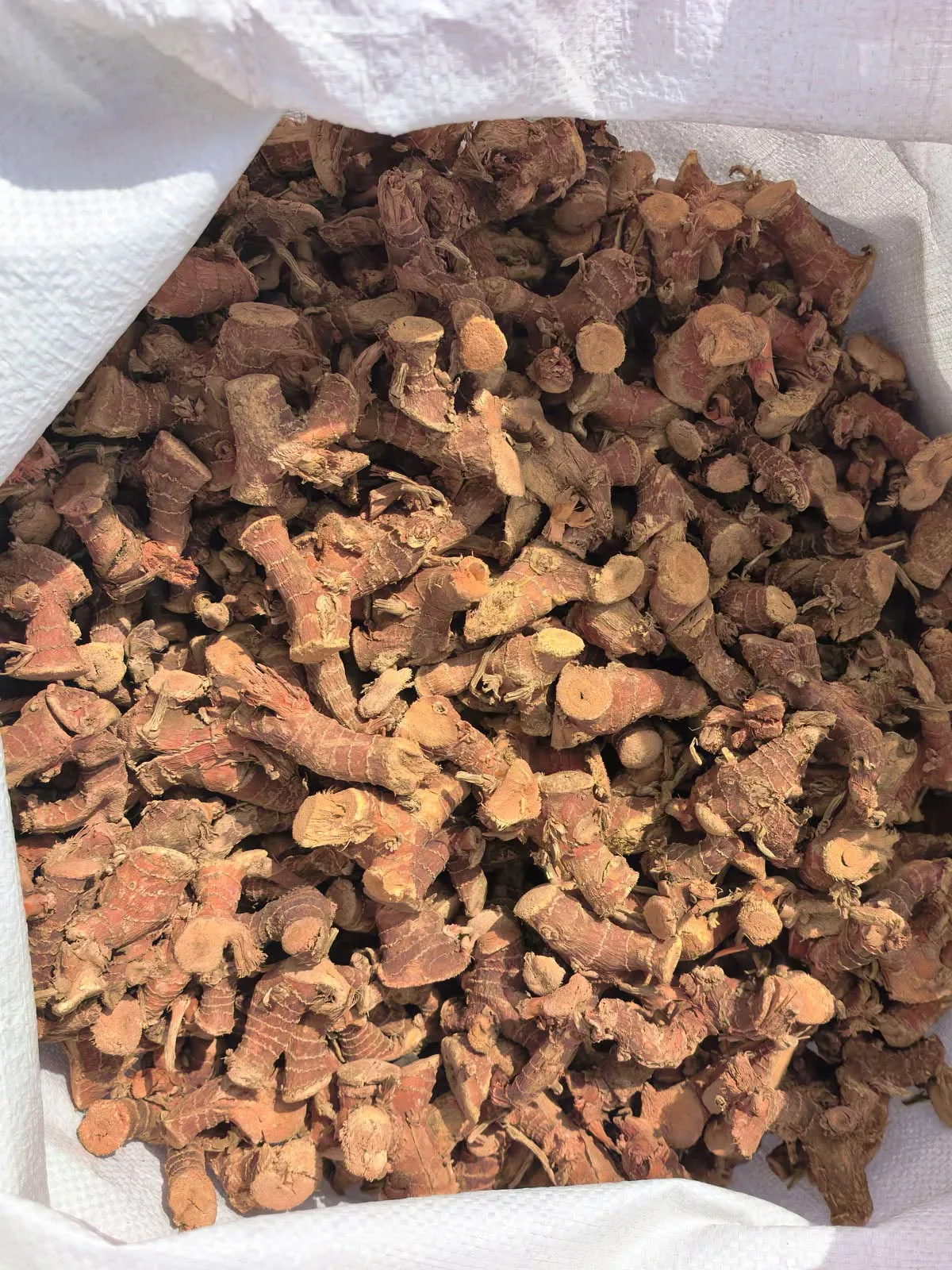
Dried galangal whole & chunk On request Written piece definition For processors reducing in-house, and for extract producers who want control of particle size themselves.

Both formats ship here. Which one a buyer takes usually follows from whether the reduction step is theirs or ours, not from the application.

Both products in detail

Approval sits on the supplier, not the container

The facility is registered before anything ships

Korea controls imported food partly at the source: the overseas establishment that produces or processes the food is registered with the Korean food safety authority, and that registration is arranged before import rather than discovered at the port. For a buyer this is ordinary administration. For a supplier it is the single fact that determines whether a first order is weeks away or months away, and it is the question worth asking in the first exchange rather than the fifth.

The practical consequence is a different order of operations from every other market on this list. Elsewhere the specification is agreed and the compliance work follows the cargo. Here the supplier-side approval runs in parallel with — or ahead of — the commercial conversation, and a buyer who has done this before will expect you to know that.

Then the consignment is assessed as usual

Registration does not replace consignment-level checks. Imported food is still declared and subject to inspection on arrival, and testing scope is set against Korean requirements rather than carried over from a European or American panel.

Plant health travels alongside

Dried plant material arrives with a phytosanitary certificate and is subject to plant quarantine on entry, with conditions confirmed per consignment rather than assumed from the last shipment.

What registration changes about the first conversation

At most destinations a buyer can move from enquiry to first container in the time it takes to agree a specification and book a vessel. Here there is a step before that which neither side can compress, and it sits on our side rather than yours. Pretending otherwise produces a schedule that slips for reasons a buyer cannot see.

So the honest first exchange includes a question most suppliers leave until later: whether you need material within a window that this step can meet. If you do not, the order of work is straightforward. If you do, it is better to know at message one than to discover it after a sample round.

Why the gate is worth passing once

The compensating feature is that this is front-loaded rather than recurring. Once the arrangement is in place it applies to subsequent shipments rather than being rebuilt for each one, which is the opposite of the markets on this list where every consignment carries its own permit and its own waiting period.

That makes this a market where a buyer planning continuity is better served than a buyer testing the water with one container. It is worth saying which of those you are, because it changes whether the effort is proportionate.

Why this shape suits a written specification

A regime that approves the supplier rewards suppliers who can document what they do and repeat it. That is the same discipline a written specification enforces, so the work is not duplicated: the evidence a Korean buyer needs to register and maintain a source is largely the evidence a specification-led relationship produces anyway.

Route and packing to Busan

Port of discharge

Busan for most shipments. Incheon is used where a buyer's plant sits in the Seoul metropolitan area and inland haulage from Busan is the larger cost.

Transit

Tanjung Priok to Busan, sailing schedule and transit stated in the quotation for the booking offered.

Lot size and cadence

Once a facility is registered, the marginal cost of a further shipment is low and the marginal cost of a first one was high. That asymmetry favours a steady cadence over a single large annual booking, because the work that made shipment one expensive has already been paid for and is worth amortising.

Labelling for a registered source

Where a source is registered, the marks on the carton and the identifiers on the documents have to agree with what was registered. Mismatches between a commercial description and a registered one are a paperwork problem that becomes a delivery problem, and they are avoidable entirely at the specification stage.

Terminology and commercial norms

Korean buyers working in this category generally use the botanical name or the English trade term in written specifications, because the material is an imported ingredient rather than one with a long domestic vernacular. That is convenient: it removes the naming ambiguity that markets with a strong local trade name introduce. What matters more here is that the description used commercially matches the description used in the import registration, which is a different kind of naming problem and a more consequential one.

On commercial terms, ingredient buying through a trading house usually runs on T/T, and the trading company will often want the specification and the documentation set addressed to it rather than to the end user. That is normal. Tell us the structure at enquiry and the document set is built to fit it, rather than reissued later because the wrong party was named.

How a first order into South Korea is de-risked

  1. Sample first

    Approve a physical sample before any container commitment. The approved sample becomes the acceptance reference.

  2. Written specification

    Format, tolerances, packing, and documents recorded before production. No verbal promises.

  3. Start small

    Trial quantities and mixed loads are reviewed before quotation — you are not forced into full-container risk.

Questions from Korean buyers

Is your facility already registered to export food to Korea?

Ask us directly and you will get a direct answer rather than a hedge. This is the question that decides the timeline for a first order here, and it is better answered at enquiry than discovered later. If registration is not yet in place for your intended import route, we will say so and tell you what the path looks like from our side.

We buy through a trading company. Who should the specification be issued to?

Whichever party carries the import obligation — usually the trading house. Tell us the structure at enquiry and the specification, certificate of analysis, and origin documents are issued so they can be forwarded intact to the end user. Reissuing a document set because the wrong party was named costs more time than getting it right the first time.

Can we use the test panel our European supplier provides?

Use it as a starting point, not as the scope. Korean requirements are set independently of the EU and of Japan, and a panel built for one destination is not evidence for another. Send us what your importer or your own laboratory requires and the testing scope is agreed against that before shipment.

Our plant is near Seoul. Does discharging at Incheon change the specification?

No. Port choice changes freight and inland haulage, not the material or the documents. Tell us where the goods actually go and we will quote the routing that lands the lower delivered cost rather than the shorter sea leg.

How much of the approval work sits with us rather than with you?

More than in most markets, and that is worth planning for rather than resenting. The import-side registrations and declarations sit with the importer; what sits with us is producing the evidence those filings rely on, consistently enough that the approval keeps holding after the first shipment.

Request a quotation basis for South Korea

Destination is pre-filled. Tell us the product, the volume pattern you are planning, and whether you are buying directly or through a trading company — the last one changes how the documents are issued.

Complete briefs receive a substantive reply from the export desk — not an autoresponder. Incomplete enquiries receive clarifying questions the same day.

Opens WhatsApp with your brief filled in. Nothing is stored on this site.

WhatsApp