Market notes

Indonesia Galangal Dried Supplier for Netherlands

This is the market most likely to test what you claim rather than take it on trust. Dutch buyers run their own incoming checks as a matter of course, which is uncomfortable for a supplier who guesses and useful for one who writes things down.

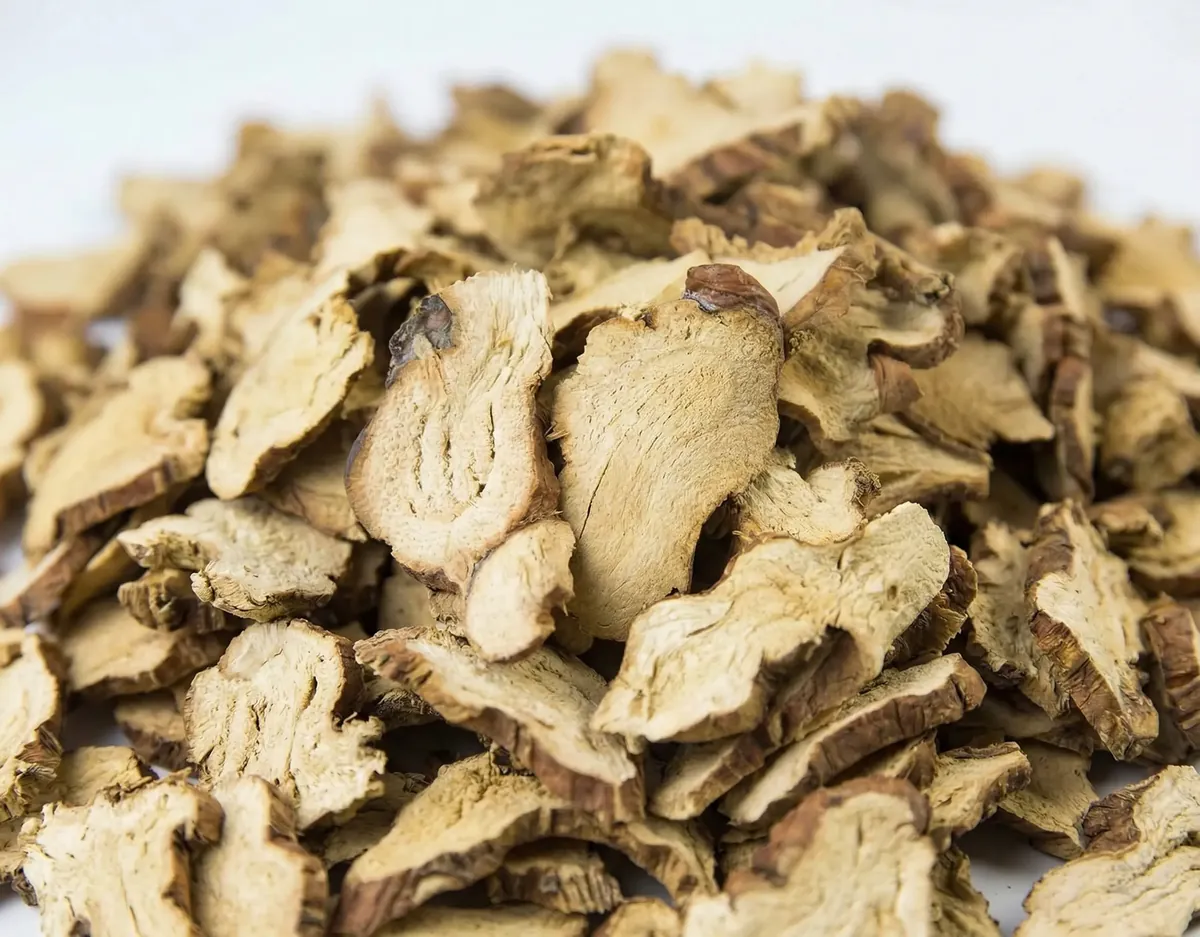
Short answer: For a galangal quotation to Netherlands, agree the use, slices or whole/chunk, physical tolerance, moisture, packing, quantity, destination, documents, and trade term. Rotterdam works as a European spice gateway, so a share of what lands here is bought to move again.

Who buys what, and why it differs here

The Netherlands is not a large consumer market for dried galangal. It is a distribution hub, and that shapes everything a buyer here asks for. Rotterdam is Europe's largest seaport and a long-standing spice gateway, and Dutch importers move a significant share of what lands there onward into Germany, Belgium, Scandinavia, and the UK.

Two buyer types dominate. Food manufacturers producing Asian sauces, pastes, and seasoning blends buy to a process and care about dosing consistency. Wholesalers supplying the Asian grocery channel buy to resell and care about how the material presents. Both, unusually, will check rather than assume — incoming inspection is normal practice here in a way it is not in most of the markets on this list, and a figure you cannot support is found rather than forgiven.

There is a historical thread worth naming, because it explains a vocabulary that confuses suppliers who have not served this market. Indonesian ingredients have a long-established place in Dutch kitchens, and the trade name used here comes directly from Indonesian rather than from English or Latin.

Product fit for this market

Relevance by product — Netherlands
Product Relevance here Suggested grade / format Note
Dried galangal slices Lead Buyer-defined cut, sample-led Bought by sauce and paste manufacturers where piece size affects dosing, and by wholesalers repacking for retail.
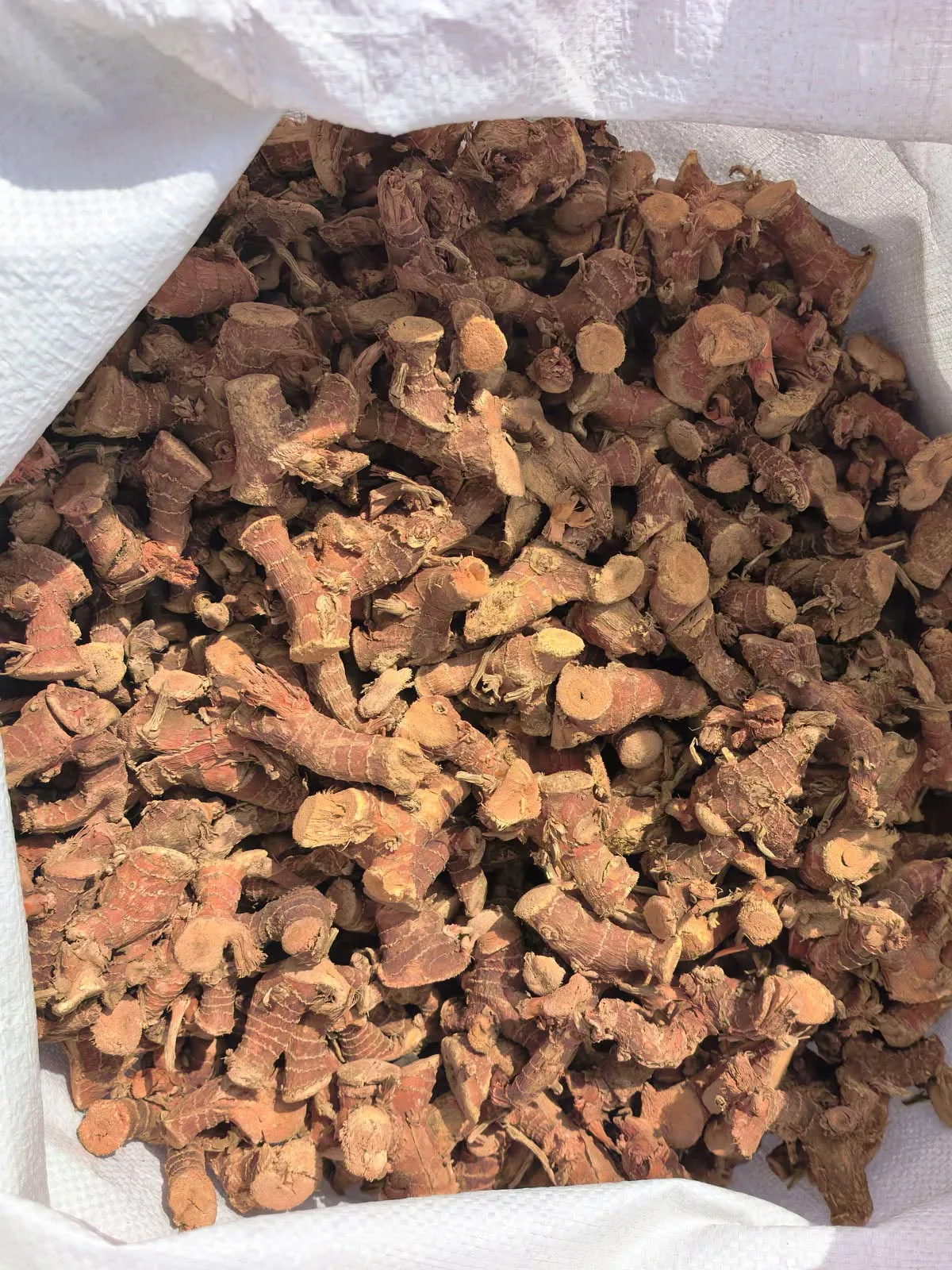
Dried galangal whole & chunk On request Written piece definition For importers who mill or extract in-house rather than buy a finished cut.

Relevance reflects what Dutch buyers actually enquire about most, not what we would prefer to sell. Any of the four ships to the Netherlands.

Both products in detail

Import requirements, and who checks them

Dried galangal — food safety route

Dried spice entering the Netherlands enters the European Union, so the rules are EU-level and the enforcement is Dutch. Pesticide residues are governed by EU maximum residue levels, which apply to dried galangal as a dried spice rather than as a fresh product — a distinction that changes the applicable figures and is worth confirming with your own compliance team before the first order. Mycotoxin limits for dried spices apply as well. Consignments are presented at a border control post and the competent authority is the NVWA, the Dutch food and consumer product safety authority.

What this means in practice: the laboratory plan is scoped to the EU before shipment, not after arrival. We agree with you which parameters are tested and to which limits, and that agreement is part of the written specification.

Plant health, and why it is the quiet half

Entry also runs under EU plant health conditions, with a phytosanitary certificate issued for each consignment rather than carried over from the last. It attracts less attention than the food safety side because it rarely produces a surprise — but it is the document that is checked first, and a consignment held on it never reaches the laboratory stage that this market is actually known for.

What an incoming check actually settles

An arrival test is often described as a hurdle. It is more useful to think of it as the moment a written specification stops being a claim and becomes a record. Once a lot has been measured against an agreed figure and matched it, that result exists for both sides — and every subsequent lot is judged against something concrete rather than against an impression.

Which is why we would rather agree a figure we can hold on ordinary lots than one that flatters the best lot we have ever produced. In a market that verifies, a tolerance that is met every time is worth more than a tighter one that is met most of the time, and the second is a slower way of losing the account.

Being tested is the point, not the risk

Buyers here will verify. Moisture, identity, and contaminant scope get checked on arrival rather than accepted from a certificate, and a supplier whose figures do not survive that is found out on the first shipment rather than the fifth.

We would rather that than the alternative. A specification you can test against is the only thing that actually protects you, and a market that tests it is a market where writing things down earns something. If your incoming panel differs from what we normally issue, send it — the scope is set against what you will actually measure.

Route and packing to Rotterdam

Port of discharge

Rotterdam for most shipments, with Antwerp where inland routing favours it. Both are entry points into the same customs territory, so the choice is a logistics decision your side owns rather than a specification question.

Transit

Tanjung Priok to Rotterdam, sailing schedule and transit stated in the quotation for the booking offered.

Moisture on a long route

Moisture is the parameter most likely to be measured here, and it is also the one most affected by things that happen after we load. Liner and ventilation are therefore agreed before production rather than left to the packer — an arrival figure outside specification is read as a supplier failure whether it was caused in the drying yard or in the container.

Pallet handling

Dutch warehouses are built around Euro pallet handling. Tell us the pallet footprint and stack height your site expects and it is specified before production — retrofitting this after arrival is expensive and entirely avoidable.

Onward movement

Where material is bought to be redistributed rather than used, say so. It does not change the border requirements here, but it changes what documentation your own customers will ask you for later — and that is easier to build in now than to reconstruct.

Terminology and commercial norms

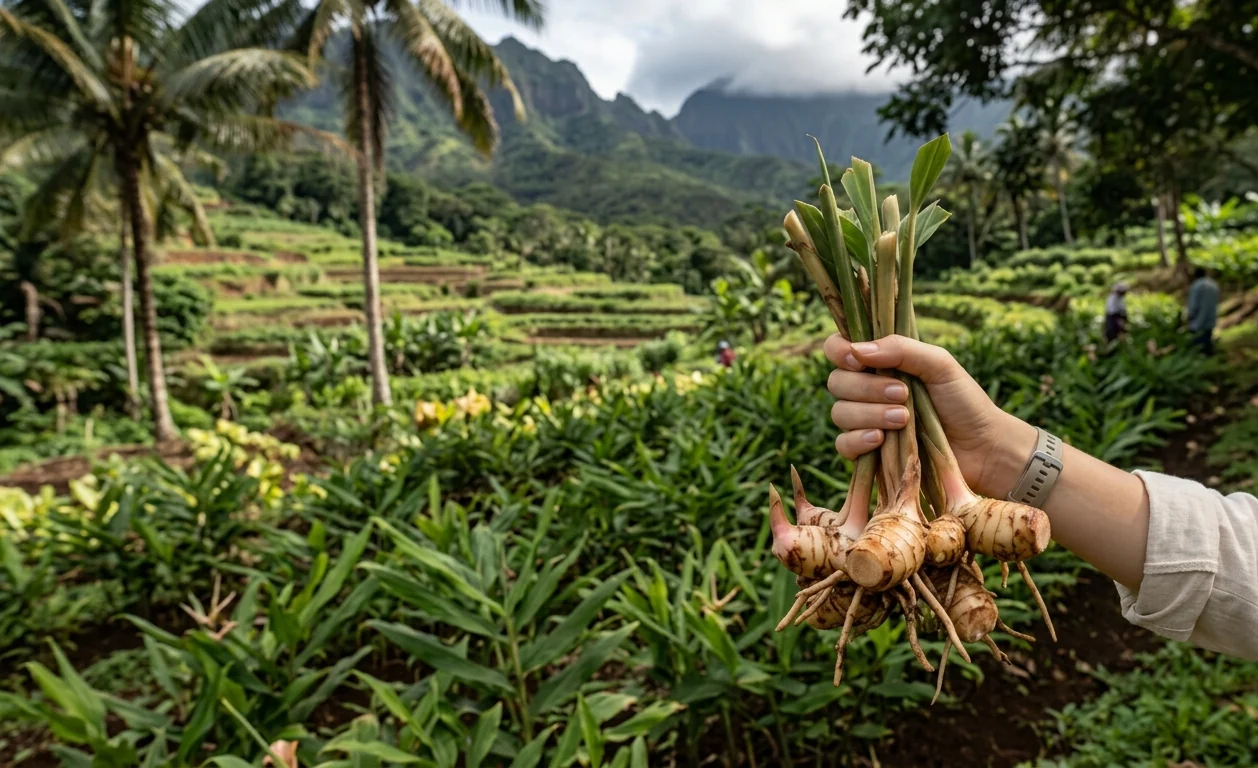
This is where the Netherlands differs from the rest of Europe: the trade name here is laos, borrowed directly from Indonesian, and Dutch buyers will often use it in preference to "galangal" or the botanical Alpinia galanga. If your enquiry says laos, we know exactly what you mean — it is the same material we call lengkuas at origin.

On commercial terms, Dutch and wider EU trade tends to run on T/T rather than letters of credit, and CIF Rotterdam is requested more often than FOB. Volumes are typically smaller and more frequent than in markets that buy by the season, which suits a buyer redistributing onward and makes lead time worth stating in your first message rather than negotiating later.

How a first order into the Netherlands is de-risked

  1. Sample first

    Approve a physical sample before any container commitment. The approved sample becomes the acceptance reference.

  2. Written specification

    Format, tolerances, packing, and documents recorded before production. No verbal promises.

  3. Start small

    Trial quantities and mixed loads are reviewed before quotation — you are not forced into full-container risk.

Questions from Dutch buyers

We run our own incoming checks. Will your figures hold up?

That is the intention, and it is why we issue figures for the lot you are buying rather than a permanent number on a website. If your panel measures something we do not normally report, tell us at enquiry and it goes into the scope — being measured on a parameter nobody agreed is the one situation that helps neither of us.

We buy to redistribute rather than to use. Does that change anything?

Not at the border, but it changes what your own customers will ask you for afterwards. Tell us and the document set is built so it can be forwarded intact rather than reassembled from records months later.

Which residue limits apply to dried galangal entering the Netherlands?

EU maximum residue levels apply, and dried spices are assessed differently from fresh produce, so the applicable figures are not the ones you would use for a fresh rhizome. We scope the laboratory plan to those requirements before shipment and record it in the specification rather than testing after arrival.

Our buyers use the term laos rather than galangal. Is it the same product?

Yes. Laos is the Dutch trade name, borrowed from Indonesian, for the same rhizome we ship as dried galangal — botanically Alpinia galanga. Use whichever term your customers use; the specification is what defines the material, not the name on the enquiry.

Request a quotation basis for the Netherlands

Destination is pre-filled. Tell us the product, volume, and whether you want both categories checked for consolidation.

Complete briefs receive a substantive reply from the export desk — not an autoresponder. Incomplete enquiries receive clarifying questions the same day.

Opens WhatsApp with your brief filled in. Nothing is stored on this site.

WhatsApp