Market notes

Indonesia Galangal Dried Supplier for Baltic states

Estonia, Latvia, and Lithuania are usually bought for as one area rather than three markets. That changes the order size, the pack format, and which country the goods actually enter through.

Short answer: Galangal buyers serving Baltic states should confirm use, format, cut or piece range, moisture, packing, volume, destination, documents, and trade term. Three markets too small to stock separately, so the order is sized for the region and the entry country is a warehouse decision.

Who buys what, and why it differs here

Buyers are food manufacturers producing seasonings and prepared foods, and importers supplying retail and a restaurant channel in the larger cities. Each of the three markets is modest on its own, and that is exactly why they are rarely approached one at a time.

An importer here commonly holds stock in one country and distributes across all three, because the volumes do not justify separate inventory and the internal movement is unrestricted. The practical consequence for a supplier is that the buyer is sizing an order against a region rather than against the country on the invoice.

This page is written for the three together for the same reason. Splitting it into Estonia, Latvia, and Lithuania would produce three descriptions of one commercial situation, which helps nobody — and where one of these markets develops a requirement genuinely its own, it gets its own page rather than a share of this one.

Product fit for this market

Relevance by product — Baltic states
Product Relevance here Suggested grade / format Note
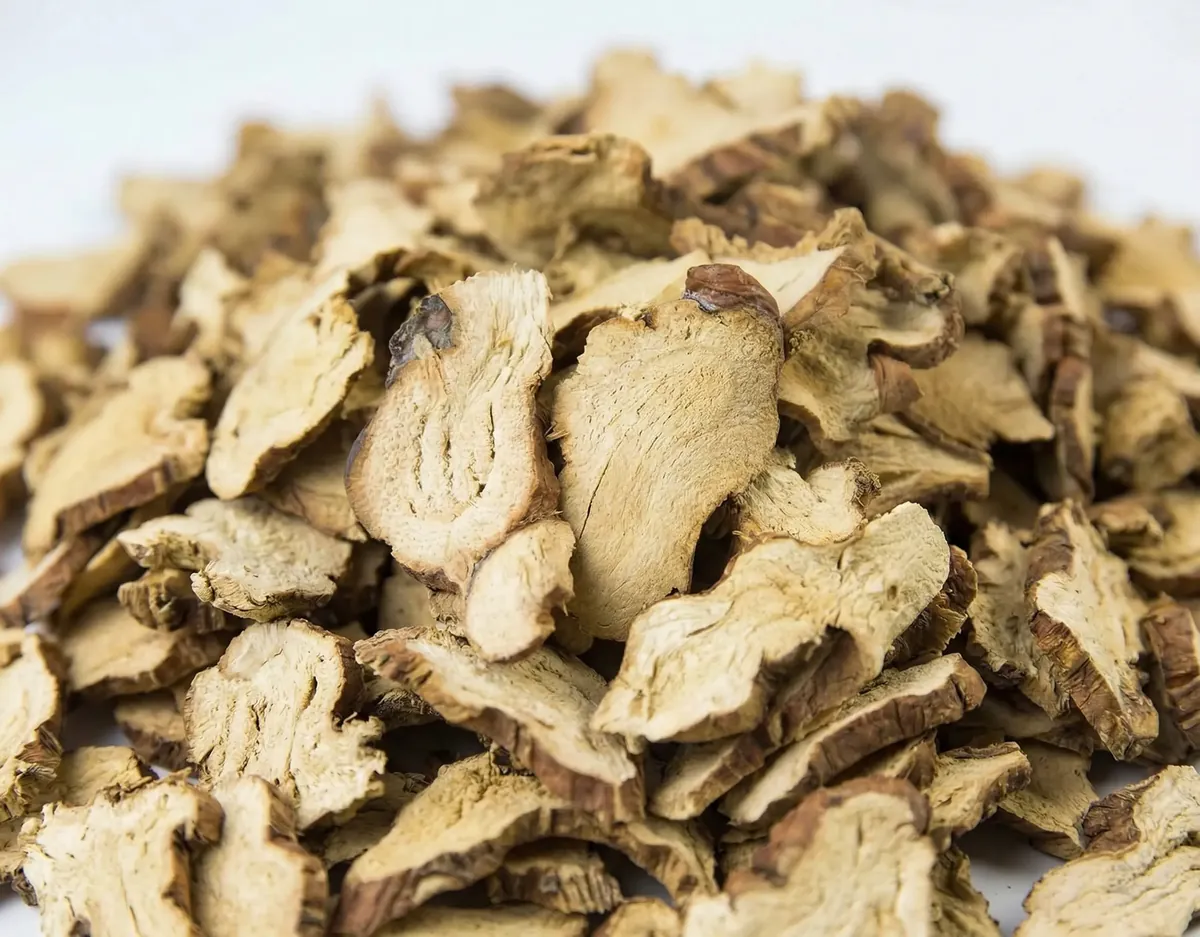
Dried galangal slices Lead Buyer-defined cut, sample-led Importers and manufacturers supplying retail and food service across the three markets.
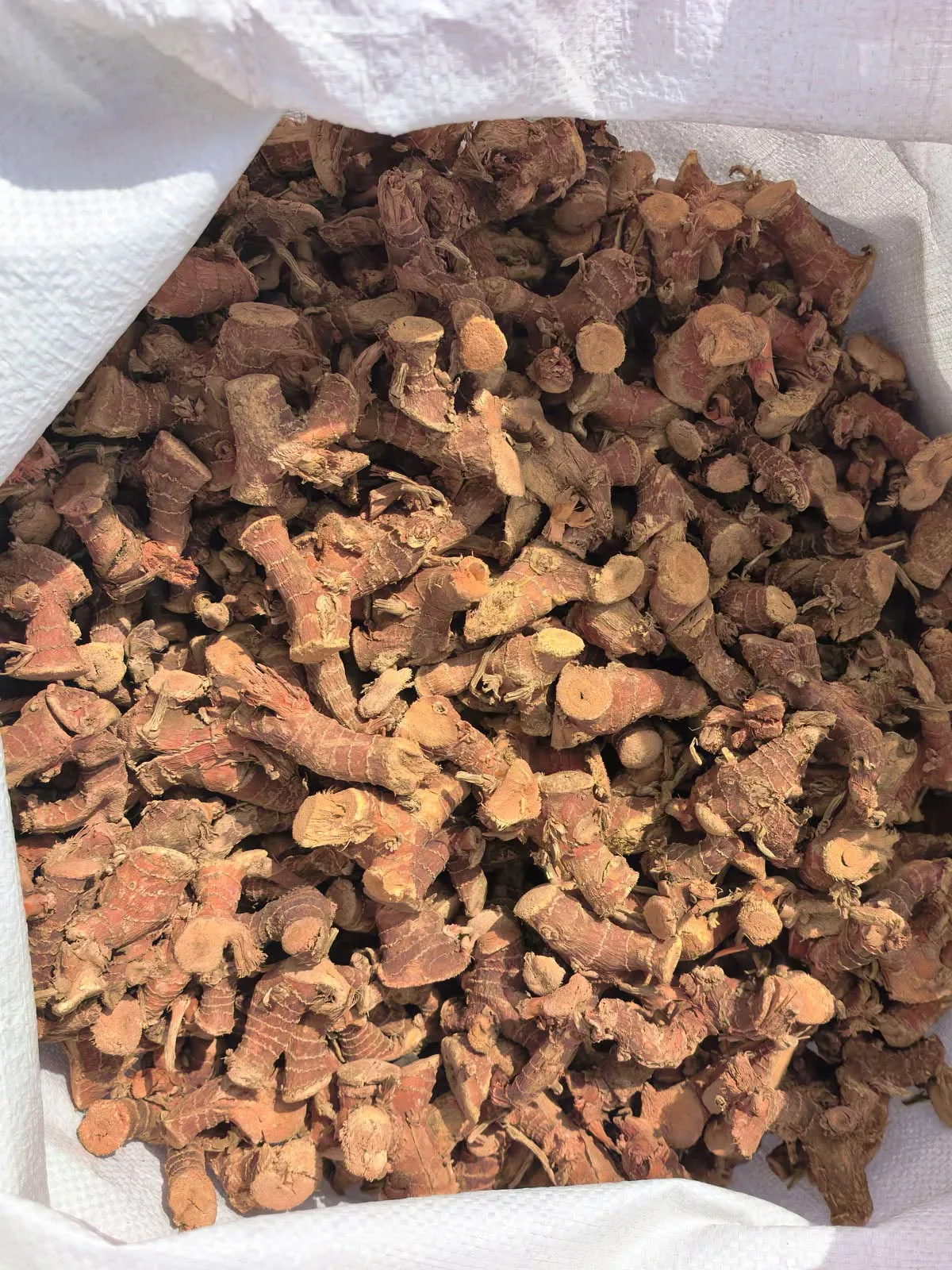
Dried galangal whole & chunk On request Written piece definition Where a buyer repacks for the wholesale trade or reduces in-house.

Order sizes here follow regional consumption, not one country. Tell us the area you cover rather than the country on the invoice.

Both products in detail

Three markets, one order

The regime is European, briefly

All three are in the European Union, so entry conditions are the EU ones with a phytosanitary certificate per consignment, enforced nationally. That position is set out on our other European pages and it is the same whichever of the three a consignment enters through.

Why the entry country is a logistics choice, not a market choice

Because the goods move freely between the three once cleared, the port a consignment arrives at reflects where the buyer's warehouse sits rather than where the material will be used. Riga, Klaipeda, and Tallinn all serve the area, and the decision is usually driven by inland cost and by which service happens to call.

That is worth saying plainly because it removes a question suppliers sometimes ask unnecessarily. We do not need to know the final country. We do need to know the port and the warehouse, because those decide the documents and the packing.

Sizing an order for an area rather than a country

A buyer covering three markets from one stock point orders more than any single market would justify, and holds it longer. Both matter to us: the quantity is easier than a single-country order would suggest, and the storage period is longer, which brings the moisture target and the pack format into the conversation earlier than usual.

Part-container loads are still common and there is no penalty for them. But if you are buying for the region, say so — it is often the difference between a part load and a full one, and the packing brief is not the same for the two.

Where these markets stop being one thing

The single-area picture holds for distribution and breaks for retail. Where material is repacked for consumer sale, labelling obligations attach in the country of sale and each of the three has its own language requirement — an obligation that sits with the repacker rather than with us, but one that changes which pack format is useful to them.

So the useful question at enquiry is not which country but which step: bulk into a manufacturing process, bulk into a repacking line, or something that will carry a consumer label. The three produce different pack specifications from identical material.

A cool arrival at the end of a long route

The routing ends considerably cooler than it starts, and much of the year the difference is sharp. The condensation risk sits at that transition rather than in steady heat, and it is amplified where material is then held in stock for a regional draw-down rather than used immediately.

Route and packing to Riga or Klaipeda

Port of discharge

Any of the three main Baltic ports, or a continental hub with an onward feeder or road leg. As set out above, the choice follows your stock point — so name it at booking and the documents are issued against it from the start.

Transit

Tanjung Priok to the named discharge port, stated in the quotation for the booking offered, with the feeder leg included where the routing uses one.

Regional stock holding

Material bought for an area is held longer than material bought for immediate use. Tell us the expected draw-down period and it goes into the moisture target and the pack format rather than being discovered at the end of the stock cycle.

Pack format for three end uses

Bulk into a process, bulk into a repacking line, and material destined for a consumer label are three different pack briefs. Say which applies rather than which country — the country does not change the pack and the step does.

The warm-to-cold transition

Condensation risk sits where warm cargo meets cold air or enters a heated store. Liner and ventilation are agreed against the routing actually booked and against the holding period rather than the voyage alone.

Terminology and commercial norms

Enquiries arrive in English and specifications are written in it, with Estonian, Latvian, and Lithuanian appearing at the consumer-labelling stage rather than in the trade documents. The botanical name Alpinia galanga is what keeps a description stable across a chain where the buyer, the warehouse, and the eventual repacker may be in three different countries.

Commercially the pattern is the ordinary European one. What differs is the planning horizon: a regional stock cycle is longer than a single-market one, so buying tends to run to a schedule rather than to immediate need — which suits a supplier who would rather quote a date that holds than the earliest one available.

How a first order into the Baltic states is de-risked

  1. Sample first

    Approve a physical sample before any container commitment. The approved sample becomes the acceptance reference.

  2. Written specification

    Format, tolerances, packing, and documents recorded before production. No verbal promises.

  3. Start small

    Trial quantities and mixed loads are reviewed before quotation — you are not forced into full-container risk.

Questions from Baltic buyers

We distribute across Estonia, Latvia, and Lithuania. Do you need to know which?

No. Once cleared, the goods move freely between the three, so the final country does not change what we produce. What we do need is the port and the warehouse, because those decide the documents and the packing.

Why is there one page for three countries?

Because the commercial situation is one situation. Splitting it would produce three descriptions of the same thing, which helps nobody. If one of these markets develops a requirement genuinely its own, it gets its own page rather than a share of this one.

Does buying for the region change the order size?

Usually upwards, and it often turns a part load into a full one. It also means the stock is held longer, which brings the moisture target and the pack format into the conversation earlier than a single-market order would.

What about consumer labelling in three languages?

That obligation attaches in the country of sale and sits with the repacker rather than with us. It matters to us only because it changes which pack format is useful — so tell us whether material will carry a consumer label, not which country it will be sold in.

Which of the Baltic ports should we route through?

Whichever suits your warehouse. Riga, Klaipeda, and Tallinn all serve the area and some cargo arrives via a continental hub instead. The specification does not change; the documents are issued against whichever you name.

Request a quotation basis for the Baltic states

Destination is pre-filled — change it to Klaipeda or Tallinn if that suits your warehouse. Tell us the area you cover and the draw-down period rather than a single country.

Complete briefs receive a substantive reply from the export desk — not an autoresponder. Incomplete enquiries receive clarifying questions the same day.

Opens WhatsApp with your brief filled in. Nothing is stored on this site.

WhatsApp