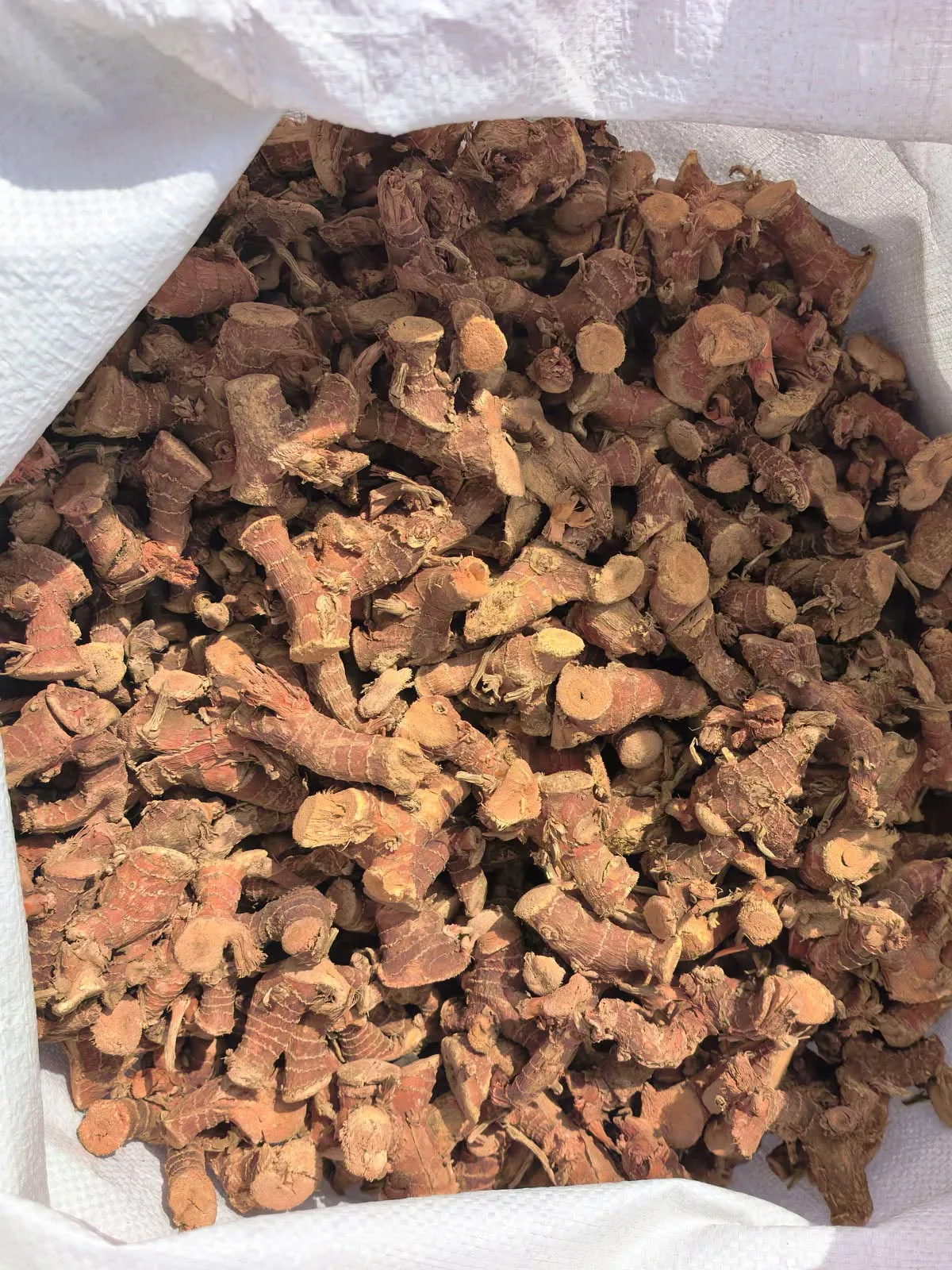
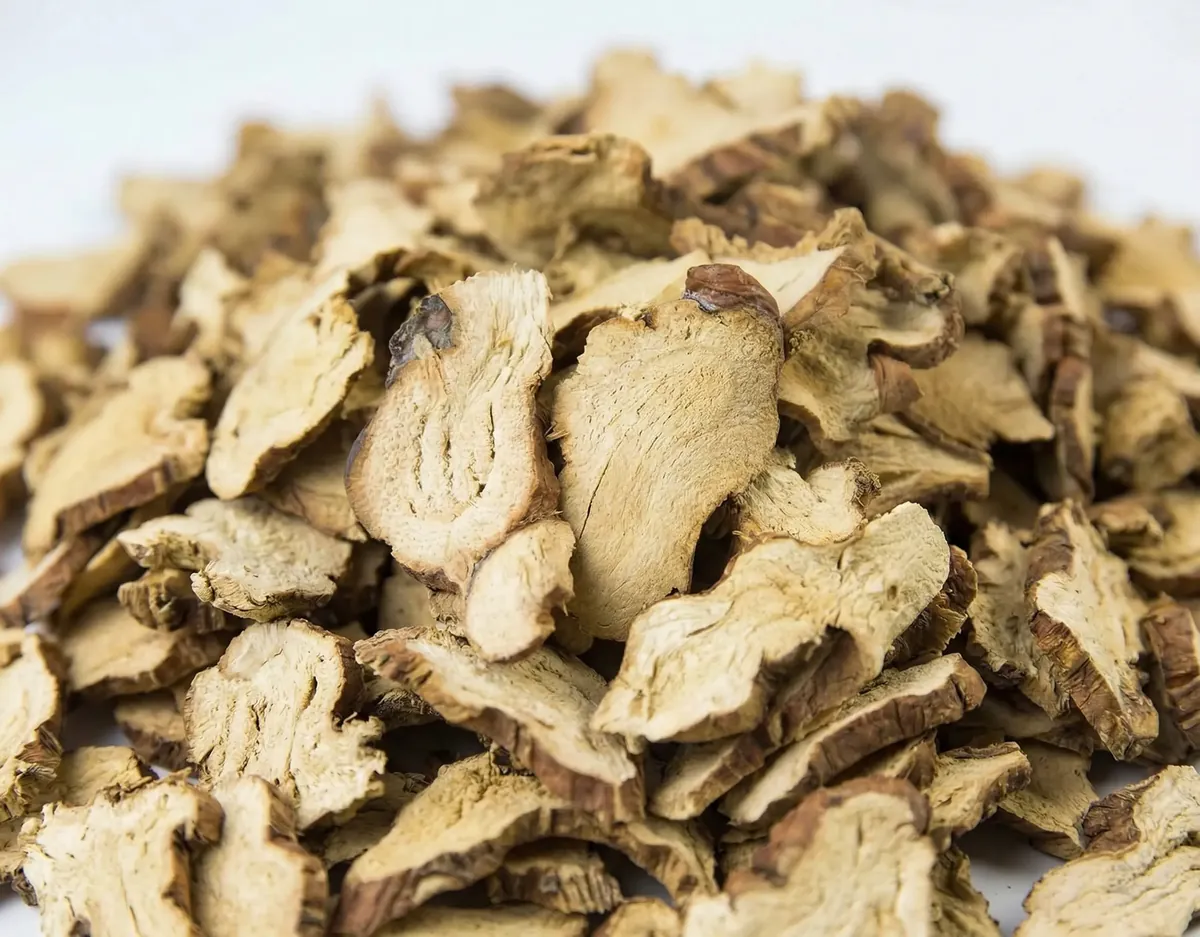
Dried galangal slices
- Cut
- Buyer-defined
- Basis
- Approved sample
Market notes
The one market on this list where the first enquiry is often larger than we can honestly commit to. The useful conversation is not whether we can meet your specification but what share of your requirement we can hold without letting you down.
Short answer: An answerable galangal brief for Bangladesh includes application, preferred format, physical tolerance, moisture, packing, order size, destination, documents, and Incoterm. The first enquiry is often for more than we can honestly commit, so the useful answer is what share of it we can hold.
Spice import here is concentrated: a comparatively small number of established import houses handle a large share of the volume, supplying repackers, the wholesale trade, and food manufacturers behind them. An enquiry therefore tends to arrive from a party that is already buying this category at scale from several origins, and that is used to negotiating against a landed benchmark rather than exploring a new supply idea.
That produces a situation we do not face anywhere else on this list. In most markets we are the larger party in the transaction, or at least an equal one, and the question is whether the material fits. Here the buyer is frequently the larger party, and the binding question is our own capacity rather than their requirement.
We would rather say that at the start than discover it at allocation. A supplier who accepts a volume they cannot hold does not merely deliver late; they take a position in a buyer's programme that somebody reliable could have filled. That is a worse outcome for the buyer than a smaller commitment honoured.
| Product | Relevance here | Suggested grade / format | Note |
|---|---|---|---|
| Dried galangal slices | Lead | Buyer-defined cut, sample-led | Bought against a landed benchmark by houses already importing this category from several origins. |
| Dried galangal whole & chunk | On request | Written piece definition | For repackers and grinders reducing in-house rather than buying a finished cut. |
Tell us the requirement you actually have rather than the one you think we can fill. We would rather quote a share of it than decline the whole.
Both products in detail
We will commit to a defined quantity over a defined period, written down, and we will hold it. We will not accept an open-ended requirement on the understanding that volumes can be scaled up later, because that understanding is where supply arrangements in this category usually fail — not at the specification stage.
The practical form that takes is a share rather than a whole. If your annual requirement runs through several suppliers already — which at this scale it usually does — then the question is whether we are a sound one of them, not whether we can replace the set. That is a smaller conversation and a much more likely one to succeed.
A buyer working to a landed benchmark can compare offers quickly, and a supplier who quotes against a specification the buyer has not seen is comparing nothing. What makes an offer legible here is stating the grade and the tolerances alongside the number, so the comparison is like for like rather than a lower figure against an unstated cut.
We are not going to claim we will be the cheapest offer on a desk that receives many. What we can do is make ours easy to check, and say plainly which of the levers behind the price we are able to move and which we are not.
Imported food is subject to national food safety control and plant material travels with a phytosanitary certificate, with conditions confirmed per consignment. The requirements applying to dried rhizome of Indonesian origin are for your own broker to confirm for that combination before the first booking.
Where a buyer takes material repeatedly and in quantity, the parameter that decides the relationship is not the best lot but the spread between lots. A programme is planned against an expected figure, and a delivery that sits outside it forces a re-blend or a re-grade somewhere downstream at the buyer's cost rather than ours.
So the commitment worth making here is a tolerance we can hold every time across a season, supported by figures for each lot shipped rather than for a representative one. A tighter number we meet occasionally is worth less to a buyer at this scale than a wider one that never moves.
Chattogram handles the great majority of containerised import. Where a buyer's operation or onward distribution favours another entry point, say so at booking — it changes the inland cost more than it changes the sea leg.
Tanjung Priok to Chattogram, stated in the quotation for the booking offered.
Where supply runs across a season rather than as a single booking, the specification stays fixed for the whole programme and releases are scheduled against it. Tell us the period and the draw-down pattern at enquiry — both change the packing brief and the booking sequence more than they change the unit price.
Arrival conditions here are humid for much of the year and material frequently waits before it is used. A figure agreed at loading and a figure measured at the point of use are not the same number on this route; which of the two the contract names should follow from who carries the risk between them.
Much of this material is opened and repacked rather than used whole, so bag weight against the repacking line and an outer that stacks in a working warehouse matter more than presentation. Tell us the intake and it is specified to that.
Enquiries arrive in English and use the English trade term, and the botanical name Alpinia galanga settles which rhizome is meant where an offer sheet lists several. Because buyers here compare offers from several origins side by side, the description on our documents needs to match the description on our offer exactly — a difference that would pass unnoticed elsewhere reads here as a different product.
Commercial practice follows established import trade norms and letters of credit are common. What is worth raising early rather than late is the payment and delivery structure, because at this order size it shapes what we can commit to as much as our own production does.
Approve a physical sample before any container commitment. The approved sample becomes the acceptance reference.
Format, tolerances, packing, and documents recorded before production. No verbal promises.
Trial quantities and mixed loads are reviewed before quotation — you are not forced into full-container risk.
Possibly not, and we would rather say so before you plan around us. Tell us the requirement you actually have and we will answer with the share we can commit to over a defined period and hold. A supplier who accepts volume they cannot deliver takes a place in your programme that somebody reliable could have filled.
Because that is where arrangements in this category usually fail, and it fails at allocation rather than at the specification stage. A written quantity over a written period is a commitment we can be held to; an open-ended understanding is not, however comfortable it sounds at the start.
With the grade and the tolerances stated alongside the number, so your comparison is like for like. A lower figure against an unstated cut is not cheaper, it is unmeasured — and we would rather tell you which levers behind our price we can move than move them quietly.
Neither. What matters is the spread. A programme is planned against an expected figure and a delivery outside it forces a re-blend or re-grade at your cost. We would rather agree a tolerance we hold every time and supply per-lot figures than quote a tighter one we meet occasionally.
They are not the same number on this route, because arrival conditions are humid for much of the year and material often waits before use. Which one the contract names is a commercial allocation of that risk rather than a technical detail, and it belongs in the same conversation as terms.
Destination is pre-filled. Include the period your requirement covers and the draw-down pattern — at this order size those shape the answer more than the specification does.
Complete briefs receive a substantive reply from the export desk — not an autoresponder. Incomplete enquiries receive clarifying questions the same day.