Market notes

Indonesia Galangal Dried Supplier for Belgium

Much of the buying here is done by traders who hold stock and sell onward. They will not tell us who eventually uses the material, and they should not have to — so we write the specification for repeatability instead of for a use.

Short answer: An answerable galangal brief for Belgium includes application, preferred format, physical tolerance, moisture, packing, order size, destination, documents, and Incoterm. The buyer holds stock and sells onward, and who eventually uses the material is not disclosed — so the specification is written for reproducibility, not for a use.

Who buys what, and why it differs here

A large share of enquiries from this market come from ingredient trading houses rather than from the factories that will process the material. They buy, hold, and sell onward to manufacturers in several countries, and their commercial value lies precisely in standing between the two ends.

That has one consequence we plan around rather than push against: we are not told what the material is for. The trader is under no obligation to disclose their customer list, and treating that reticence as an obstacle would misread an ordinary commercial position.

What it removes, though, is the shortcut most of our other destination pages rely on. Elsewhere we can ask what a buyer is making and answer with a grade. Here the same question has no answer available, so the specification has to be built from something else.

Product fit for this market

Relevance by product — Belgium
Product Relevance here Suggested grade / format Note
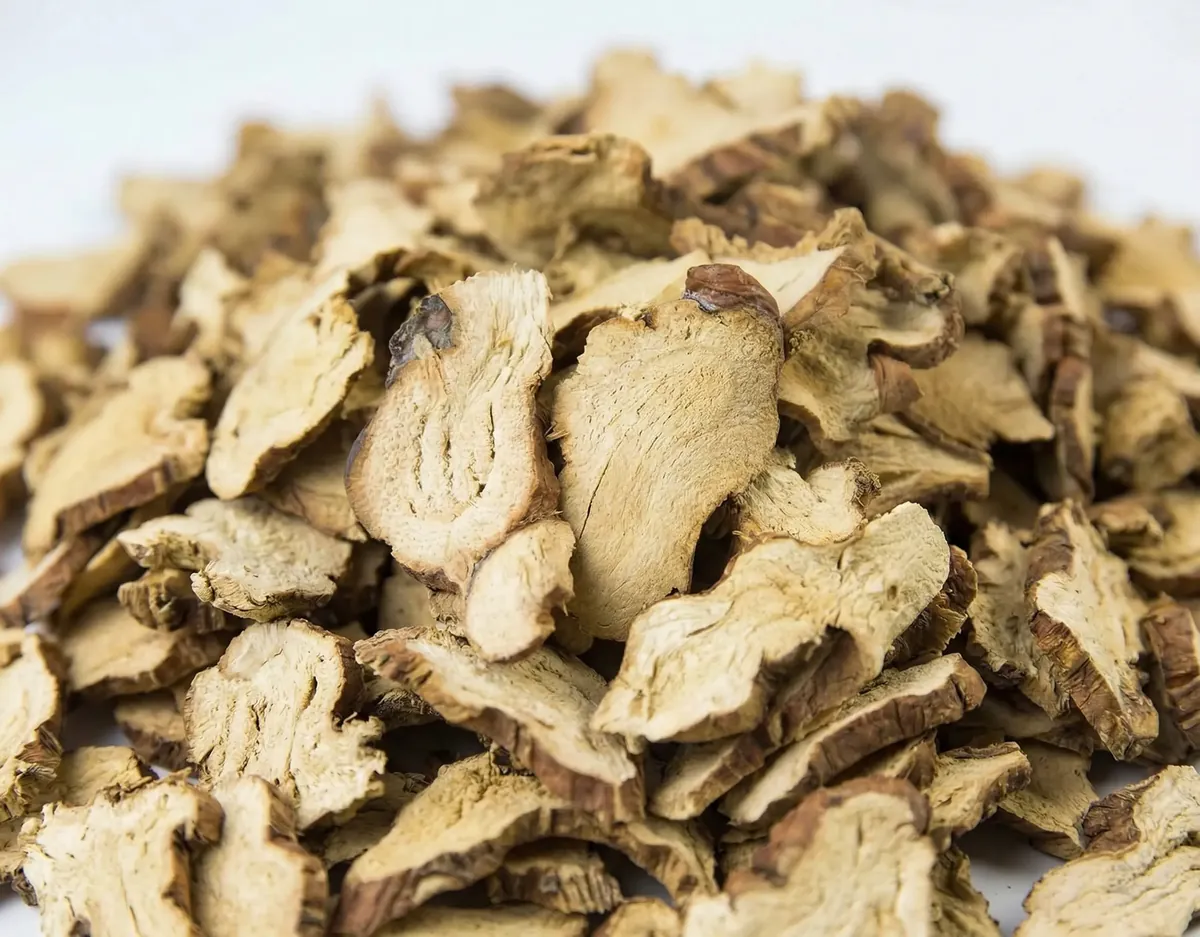
Dried galangal slices Lead Written tolerances, no recommended grade Traders resell against a published description, so the tolerance matters more than the optimum.
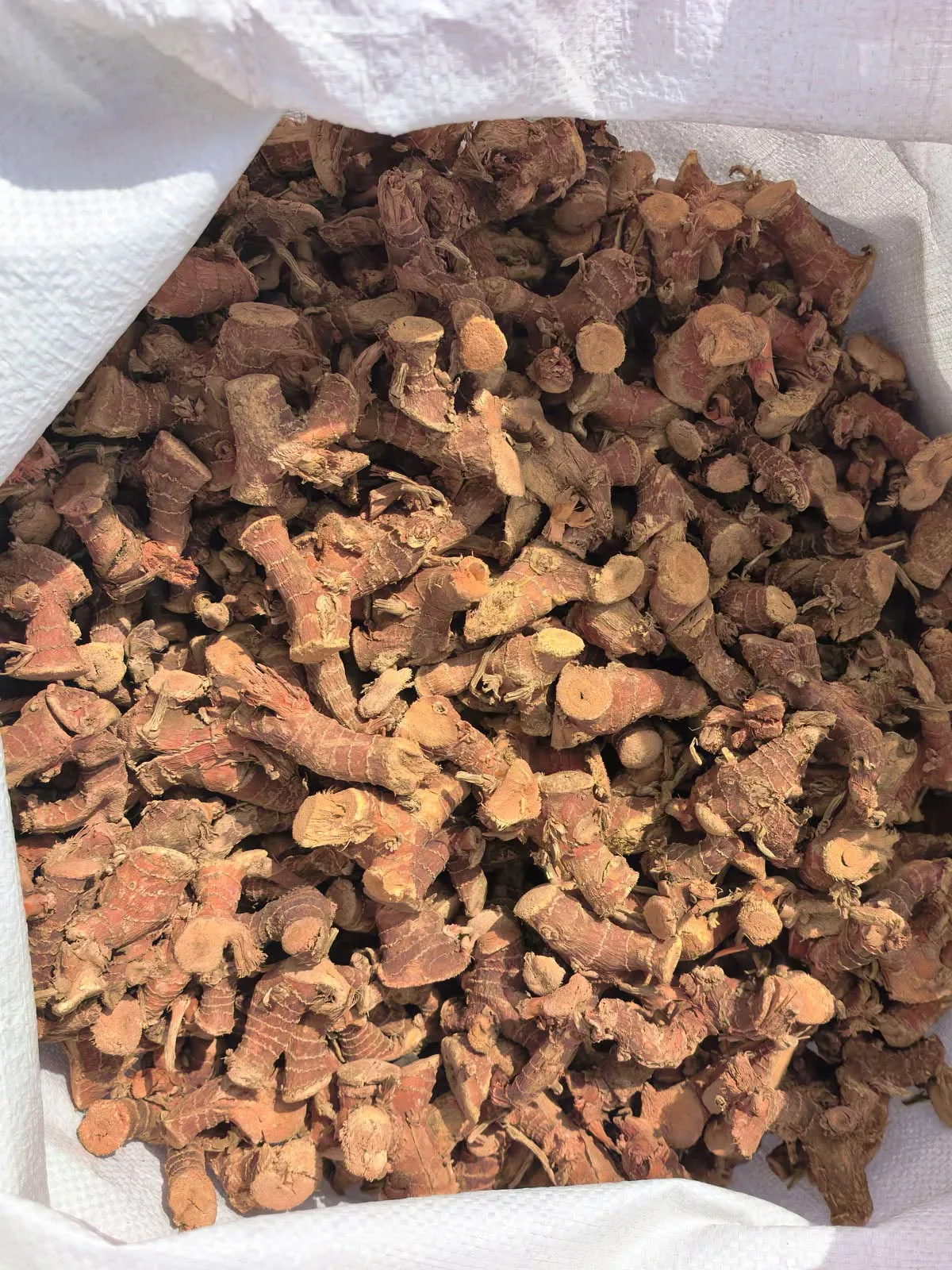
Dried galangal whole & chunk On request Piece definition agreed in writing Where the onward customer grinds or cuts to their own requirement.

We do not propose a grade on this route. A grade recommendation assumes an end use, and on this route the end use is not ours to know.

Both products in detail

Specifying for a use nobody will name

The regime and the routing, briefly

Nothing about the border is distinctive: the bloc-wide conditions apply, a phytosanitary certificate accompanies each consignment, and arrival follows the northern European pattern described on our Netherlands page. That description is not repeated here because it would be the same paragraph twice.

What replaces the missing question

Instead of asking what the material is for, we ask two questions that a trader can answer without disclosing anything: what description will you resell it under, and what tolerance will you publish to your own customer. Those two answers are what actually bind us, and they are commercially safe to give.

Once we have them the specification writes itself in a particular direction. It is built from figures we can hold on every lot rather than from the best figures a good lot can reach, because the trader has to be able to repeat the sentence they sold last quarter.

Why the second order is the real test

A first container can be selected. The second one, drawn from a different harvest window, is what tells a trader whether the description they published is one they can keep using. That is the order we prepare for, and it is why we would rather quote a tolerance we will still meet in six months than a narrower one that flatters the sample.

It also changes what we volunteer. Where a figure moves between lots we say which way and by how much, rather than reporting only the lot in hand. A trader who is surprised by normal variation has to explain it to somebody downstream, and they will not want to do that twice.

Documents written to be forwarded

The pack that travels with a consignment here is likely to be handed on, in whole or in part, to a customer we will never deal with. So it is written to make sense to a reader who has none of the surrounding conversation: lot identity that survives repacking, the figures stated against the lot actually shipped, and the ordinary export set issued at shipment.

What we do not do on this route

We do not ask who the onward customer is, and we do not price differently according to guesses about it. We also do not hold third-party retail-standard or organic certification, which matters here because a trader may be asked for it by a customer we cannot see. Better established at enquiry than discovered mid-chain.

Route and packing via Antwerp

Port of entry

Antwerp is usual, and the northern European service pattern is the one set out on our Netherlands page rather than restated here.

Transit

Quoted by your forwarder against the service booked.

Lot identity through storage

Marked so it survives being broken down in a warehouse and sold in parts. Where a trader repacks, the reference on the outer needs to lead back to the same lot record without our help.

Pack sizes

Chosen against how the material will be drawn down rather than how it ships. Stock sold in parts over months is a different packing problem from stock consumed on arrival.

Retained samples

Held against lots actually shipped, so a question raised by a downstream customer months later still has a physical reference on our side.

Terminology and commercial norms

Correspondence runs in English, Dutch, and French, and a single trading house may use more than one internally. Because the paperwork is written to be forwarded, the botanical name Alpinia galanga carries more weight here than any trade name — it is the part of the description that survives translation and a change of reader.

Commercially the terms are ordinary European ones. The distinctive planning point is not the negotiation but the horizon: a trader is buying the ability to sell the same description again, so the conversation that matters is about what we can repeat rather than about what a single lot can achieve.

How a first order into Belgium is de-risked

  1. Sample first

    Approve a physical sample before any container commitment. The approved sample becomes the acceptance reference.

  2. Written specification

    Format, tolerances, packing, and documents recorded before production. No verbal promises.

  3. Start small

    Trial quantities and mixed loads are reviewed before quotation — you are not forced into full-container risk.

Questions from Belgian buyers

We will not disclose our end customer. Is that a problem for you?

No, and we will not ask. What we do need is the description you intend to resell under and the tolerance you will publish to your own customer. Those two answers bind us and neither discloses anything about your trade.

Which grade do you recommend for us?

We do not make a recommendation on this route, and the reason is not evasion. Every grade recommendation assumes an end use, and on a trading purchase the end use is not ours to know. We would rather write tolerances we can hold than guess at an application.

How do you handle variation between harvests?

We tell you which figures move, in which direction, and roughly how far, rather than reporting only the lot in front of us. You have to be able to explain normal variation to somebody downstream, and you should not be hearing about it for the first time from them.

Will the documents make sense to our customer if we pass them on?

They are written on that assumption. Lot identity survives repacking, the figures are stated against the lot actually shipped, and the export set is issued so it reads correctly to somebody who was not part of our correspondence.

Do you hold retail-standard or organic certification?

Neither, and that is the current position rather than something in progress. It is worth raising early on this route, because the request often reaches a trader from a customer further down the chain who is not in the conversation yet.

Request a quotation basis for Belgium

Destination is pre-filled. Tell us the description you will resell under and the tolerance you need to publish — that is enough for us to quote against, and it discloses nothing about your customers.

Complete briefs receive a substantive reply from the export desk — not an autoresponder. Incomplete enquiries receive clarifying questions the same day.

Opens WhatsApp with your brief filled in. Nothing is stored on this site.

WhatsApp