Market notes

Indonesia Galangal Dried Supplier for Central America and the Caribbean

A large share of what is bought here feeds hotels and restaurants serving visitors. That means the order is placed against a forecast of people who have not arrived yet, on a resupply chain too long to correct quickly.

Short answer: Galangal buyers serving Central America and the Caribbean should confirm use, format, cut or piece range, moisture, packing, volume, destination, documents, and trade term. Demand is set by visitors who have not arrived yet, so the buyer orders against a forecast rather than a contract.

Who buys what, and why it differs here

Buyers are food importers and distributors supplying hotels, restaurants, and catering operations, alongside a smaller manufacturing and retail trade. The markets are individually modest — the Dominican Republic, Jamaica, Costa Rica, Guatemala, Trinidad and Tobago and their neighbours — and most of them import the great majority of what they consume.

What sets the region apart is not the size of the demand but where it comes from. A substantial part of it is generated by visitors, which means the buyer is forecasting rather than scheduling. They know roughly what a season should look like and they cannot make it happen.

Every other page on this list is written for a buyer who knows what they need: a production plan, a signed catering contract, a distribution programme. Here the quantity is an estimate of other people's behaviour, and that changes what a supplier should be offering.

Product fit for this market

Relevance by product — Central America and the Caribbean
Product Relevance here Suggested grade / format Note
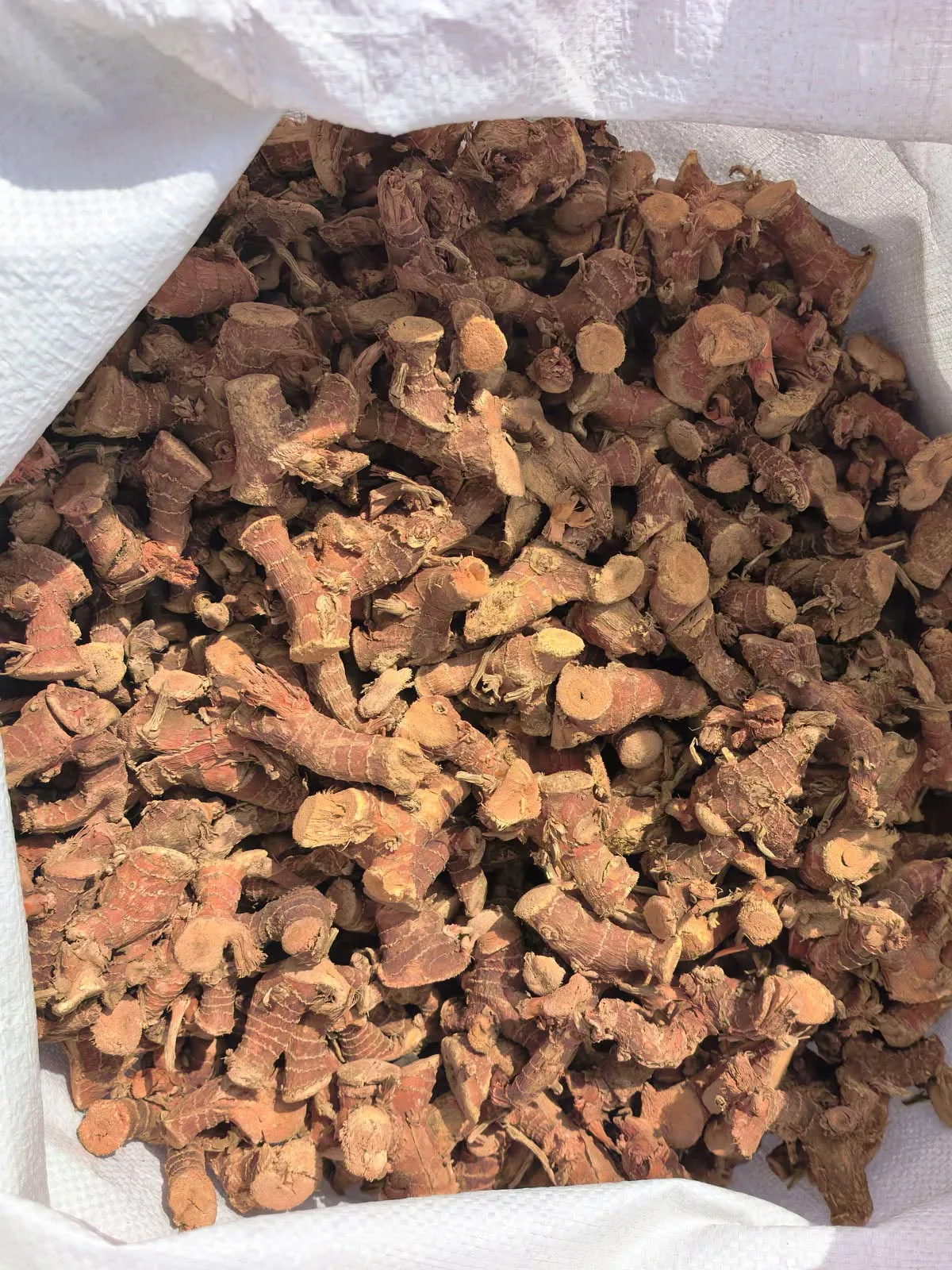
Dried galangal slices Lead Buyer-defined cut, sample-led Distributors supplying hotel and restaurant kitchens, plus the specialist retail trade.
Dried galangal whole & chunk On request Written piece definition Where a buyer repacks for food service or reduces closer to use.

Tell us the season you are covering rather than a monthly rate. Ordering here works backwards from a period, not forwards from a run rate.

Both products in detail

Ordering against a forecast

Two ways to be wrong, and they are not symmetrical

A forecast that is too high leaves stock on the shelf at the end of a season — an inventory cost, unpleasant but survivable. A forecast that is too low leaves a kitchen short with no realistic way to reorder in time, because the resupply chain from this side of the world runs in weeks rather than days.

Because the two errors cost differently, the sensible response is not a more accurate forecast but a product and a pack that tolerate being held. That is a specification question rather than a planning one, and it is where we can actually help.

What we do about the long chain

Almost nothing reaches this region directly from Southeast Asia; consignments are transhipped, sometimes more than once, and the practical lead time reflects that. We quote the routing actually booked rather than a typical figure, and where a transfer carries more schedule risk than the sea legs we say which one.

The useful consequence for a buyer is that a season should be covered by a booking made well before it starts, not topped up during it. We would rather help plan that than quote an optimistic lead time that implies a correction is possible.

Pack format for stock that has to wait

Material bought against a forecast spends longer in store than material bought against a production plan, and it sits in a warm, humid climate while it waits. Both facts point the same way: a smaller resealable inner unit, a barrier specified for the holding period rather than the voyage, and a moisture target set against the point of use.

A larger pack is cheaper per kilo and worse here, because a part-used unit sitting open through a humid season is where a season's stock actually gets lost.

Import control

Requirements are national rather than regional across these markets, so imported food is subject to each country's own food safety control and plant material travels with a phytosanitary certificate confirmed per consignment. Confirm the position for the specific market rather than assuming it carries across the region.

Why we would rather ship a smaller first order here

On a long chain into a forecast-driven market, a large first order concentrates two uncertainties at once: whether the specification is right, and whether the season behaves. Splitting them is cheaper. A modest first shipment settles the specification while the volume risk stays small, and the second booking is then a planning decision rather than a bet.

Route and packing to a regional transhipment hub

Port of discharge

Varies by market and by service. Most consignments reach the region through a transhipment hub rather than on a direct call, and the number of transfers matters more to the schedule than the final port does.

Transit

Stated in the quotation for the routing actually booked, including the transfers. A figure quoted for one market in the region says little about another, so we do not publish a regional average.

Booking a season, not a month

Cover for a period is arranged before the period starts rather than replenished during it. Give us the season you are covering and the production date is built backwards from the sailing that lands ahead of it.

Inner unit for stock that waits

A smaller resealable unit is usually worth its cost here, because a part-used pack held open through a humid season is the most common way stock is lost. Tell us the unit the receiving kitchen works with.

Moisture across a warm route and a warm store

The routing is warm throughout and the storage that follows it is warmer still. Liner and ventilation are agreed against both, and the moisture target is set for the point of use rather than for arrival.

Terminology and commercial norms

Enquiries arrive in Spanish and English depending on the market, and the trade name galanga is used where Spanish is the working language. The botanical name Alpinia galanga settles a description that has to pass through a transhipment agent and a national broker before it reaches the buyer.

Commercially, expect modest lot sizes, part-container shipments as the normal case, and planning horizons set by a season rather than a month. What is worth raising at enquiry is the period you are covering — on this chain it decides the booking sequence, and the booking sequence decides whether the cover actually arrives in time to be useful.

How a first order into the region is de-risked

  1. Sample first

    Approve a physical sample before any container commitment. The approved sample becomes the acceptance reference.

  2. Written specification

    Format, tolerances, packing, and documents recorded before production. No verbal promises.

  3. Start small

    Trial quantities and mixed loads are reviewed before quotation — you are not forced into full-container risk.

Questions from Caribbean and Central American buyers

We order against an occupancy forecast. How should we size a first shipment?

Smaller than the forecast suggests. A large first order concentrates two uncertainties at once — whether the specification is right and whether the season behaves. A modest shipment settles the first while the second stays small, and the next booking becomes a planning decision rather than a bet.

What if we run short mid-season?

On this chain a top-up rarely arrives in time, and we would rather say that than imply a correction is possible. Cover for a period is arranged before the period starts, which is why we ask for the season rather than a monthly rate.

Does the pack size really matter that much?

Here it does. Stock bought against a forecast waits longer and waits warm, and a part-used pack held open through a humid season is the most common way a season worth of material is lost. A smaller resealable unit costs more per kilo and usually saves more than it costs.

Can you quote one transit time for the region?

No, and a regional average would mislead you. Almost nothing arrives on a direct call, so the number of transfers drives the schedule and it differs by market and by service. We quote the routing actually booked and name the transfer that carries the most risk.

Do the import requirements apply across the whole region?

No. They are national rather than regional here, so confirm the position for the specific market with your own broker. That is one respect in which this region is not a single area, whatever the shipping pattern suggests.

Request a quotation basis for the region

Destination is pre-filled — change it to the market and port you actually use. Tell us the season you are covering rather than a monthly rate.

Complete briefs receive a substantive reply from the export desk — not an autoresponder. Incomplete enquiries receive clarifying questions the same day.

Opens WhatsApp with your brief filled in. Nothing is stored on this site.

WhatsApp