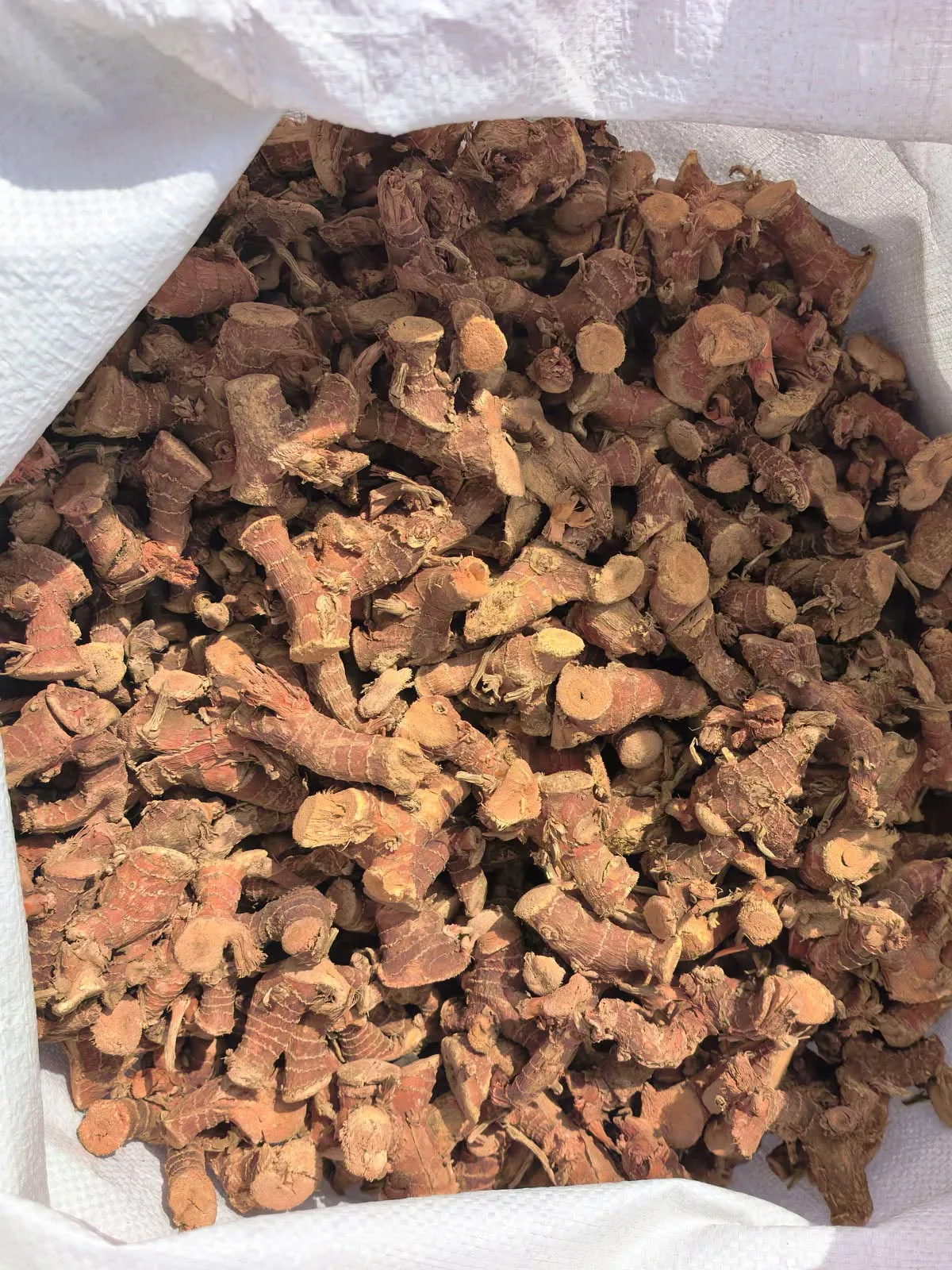
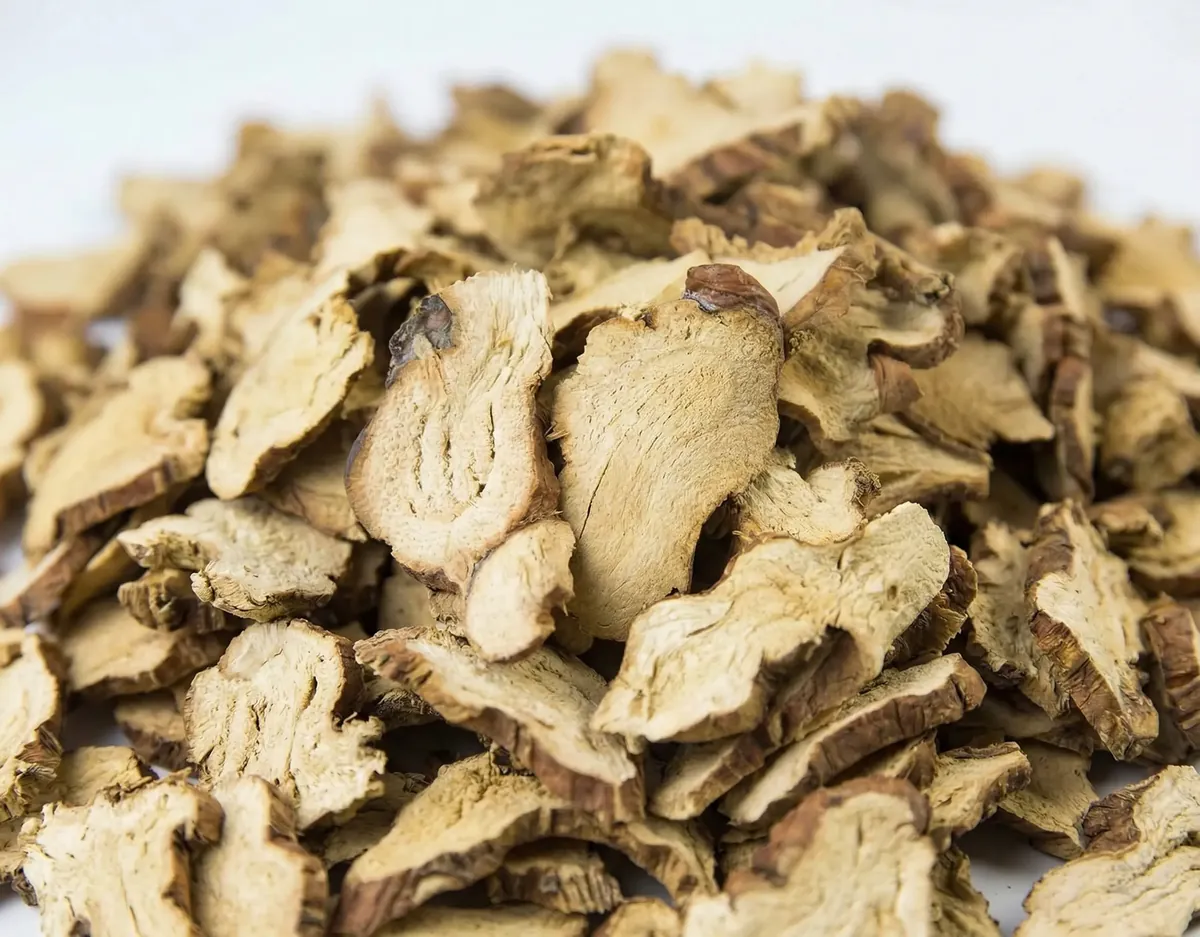
Dried galangal slices
- Cut
- Buyer-defined
- Basis
- Approved sample
Market notes
This is the one market where the certificate of origin may be worth money rather than just filing space. Where a preferential arrangement applies, choosing an origin is a costing decision as much as a quality one.
Short answer: Before quoting galangal for Chile, align application, format, physical tolerances, moisture, packing, quantity, arrival point, documents, and Incoterm. Where a preferential arrangement applies, the certificate of origin is a price component rather than filing space.
Chile has an outward-facing trade policy and a food industry accustomed to sourcing internationally. Demand for an ingredient like this comes from manufacturers producing Asian-style products, importers supplying a growing restaurant sector, and distributors serving the wider Pacific coast.
What is genuinely different is that origin can carry a tariff consequence. Where a preferential trade arrangement covers a given tariff line, material from one origin lands at a different duty from otherwise identical material from another. That turns the certificate of origin from a document you file into a number in your costing, and it makes supplier selection partly an arithmetic exercise.
We are not going to tell you which arrangement applies to your tariff line, because that is precisely the sort of claim that is easy to get wrong and expensive to rely on. What we can do is issue origin documentation correctly and tell you exactly what it will say, so your broker can check the position against something concrete rather than against a supplier's assurance.
| Product | Relevance here | Suggested grade / format | Note |
|---|---|---|---|
| Dried galangal slices | Lead | Buyer-defined cut, sample-led | Bought by manufacturers producing Asian-style products and by importers supplying food service and retail. |
| Dried galangal whole & chunk | On request | Written piece definition | For buyers reducing in-house, and where a larger piece holds condition better across a long route. |
Volumes are modest and consolidated shipments are normal. Check the tariff position for the format you intend to buy — classification can differ.
Both products in detail
A certificate of origin states where the material was produced. Where it is being used to claim preferential treatment, the form it takes and the rules it has to satisfy are set by the arrangement rather than by us, and they can be specific about how the document is issued and by whom. Tell us at enquiry what your broker requires and we will confirm what we can produce before the booking rather than after clearance.
Tariff classification is not always identical for whole material and a processed cut, and where classification differs the preferential position can differ with it. That is worth checking against the format you actually intend to buy rather than the category in general — it is a cheap check that occasionally changes which product makes commercial sense.
Where a preferential arrangement exists, what a buyer pays depends on how the goods are classified as much as on where they came from, and the two are assessed together. A supplier who issues documents describing one thing and a broker who enters another produce a mismatch that surfaces at clearance rather than at quotation.
What we can control is consistency across the set. The goods are described the same way on the invoice, the packing list, the certificate of origin, and the analysis, so that whatever classification your broker settles on is supported by every document rather than contradicted by one of them.
Chile is about as far from Indonesia as our shipping goes. That has an obvious consequence for transit and a less obvious one for ordering: the cost of being wrong about a specification is higher here than anywhere else on this list, because the correction takes a full round trip. It is the strongest argument we have for settling the specification and the sample before the first container rather than after it.
Health control and a phytosanitary certificate per consignment apply in the ordinary way. The part specific to this destination is that requirements are assessed for the particular commodity and origin pair, so the answer for dried rhizome from Indonesia is something your broker looks up rather than something either of us can read off a general food route.
San Antonio for most shipments, with Valparaíso used depending on service and berth availability. Both serve the central region where most food manufacturing sits.
Tanjung Priok to San Antonio, sailing schedule and transit stated in the quotation. This is among the longest routes on our destination list and typically involves more than one transfer, so the transhipment points belong in the quoted transit rather than outside it.
Normal for this destination. Tell us the quantity you actually need — on a long route with transfers, a realistic lot is easier to schedule and cheaper to correct if something has to change.
This is one of the longer routes we quote, and the length is spent twice: once in days at sea and again in the waiting between transfers, where a box sits still and warm. Liner and ventilation are agreed against the routing actually booked, because a two-transfer routing and a direct one are not the same cargo journey even when the port pair is identical.
Enquiries arrive in Spanish and English, and the trade name is galanga. Where a document supports a tariff claim it will be read closely by a broker and possibly by customs, so consistency between the commercial description, the tariff classification, and the botanical name Alpinia galanga matters more here than in a market where origin carries no duty consequence.
Commercially, expect the costing conversation to include duty rather than treat it as an afterthought, and expect lead time to be discussed alongside price because the route is long. Say at enquiry whether you intend to claim preferential treatment — it changes which documents we prepare, not just which we send.
Approve a physical sample before any container commitment. The approved sample becomes the acceptance reference.
Format, tolerances, packing, and documents recorded before production. No verbal promises.
Trial quantities and mixed loads are reviewed before quotation — you are not forced into full-container risk.
That depends on the tariff line and the arrangement covering it, and it is a question for your broker rather than for us — a supplier asserting a duty position is offering something they cannot stand behind. What we can tell you precisely is what our origin documentation will state, so your broker can check the position against a real document.
Tell us what your broker needs and we will confirm before the booking whether we can issue it in that form. Where a preferential claim is intended, the form and the issuing body can be specified by the arrangement, and that is worth settling before production rather than after clearance.
Possibly, because tariff classification is not always identical for whole material and a processed cut. It is a cheap thing to check against the format you actually intend to buy, and it occasionally changes which product makes commercial sense.
With the transhipment points visible rather than hidden inside a single transit figure, and with a realistic lot rather than an aspirational one. On a route with two transfers, a schedule with no slack fails at the first delay, and a smaller first shipment is cheaper to correct.
We can provide the documentation for the lot we shipped and the records behind it. What we cannot do is speak to a classification decision or a ruling, which sits between you, your broker, and customs. Keeping the documents filed with the lot record is what makes a later query answerable.
Destination is pre-filled. Tell us the product, the volume, and whether you intend to claim preferential treatment — that changes which documents we prepare, not just which we send.
Complete briefs receive a substantive reply from the export desk — not an autoresponder. Incomplete enquiries receive clarifying questions the same day.