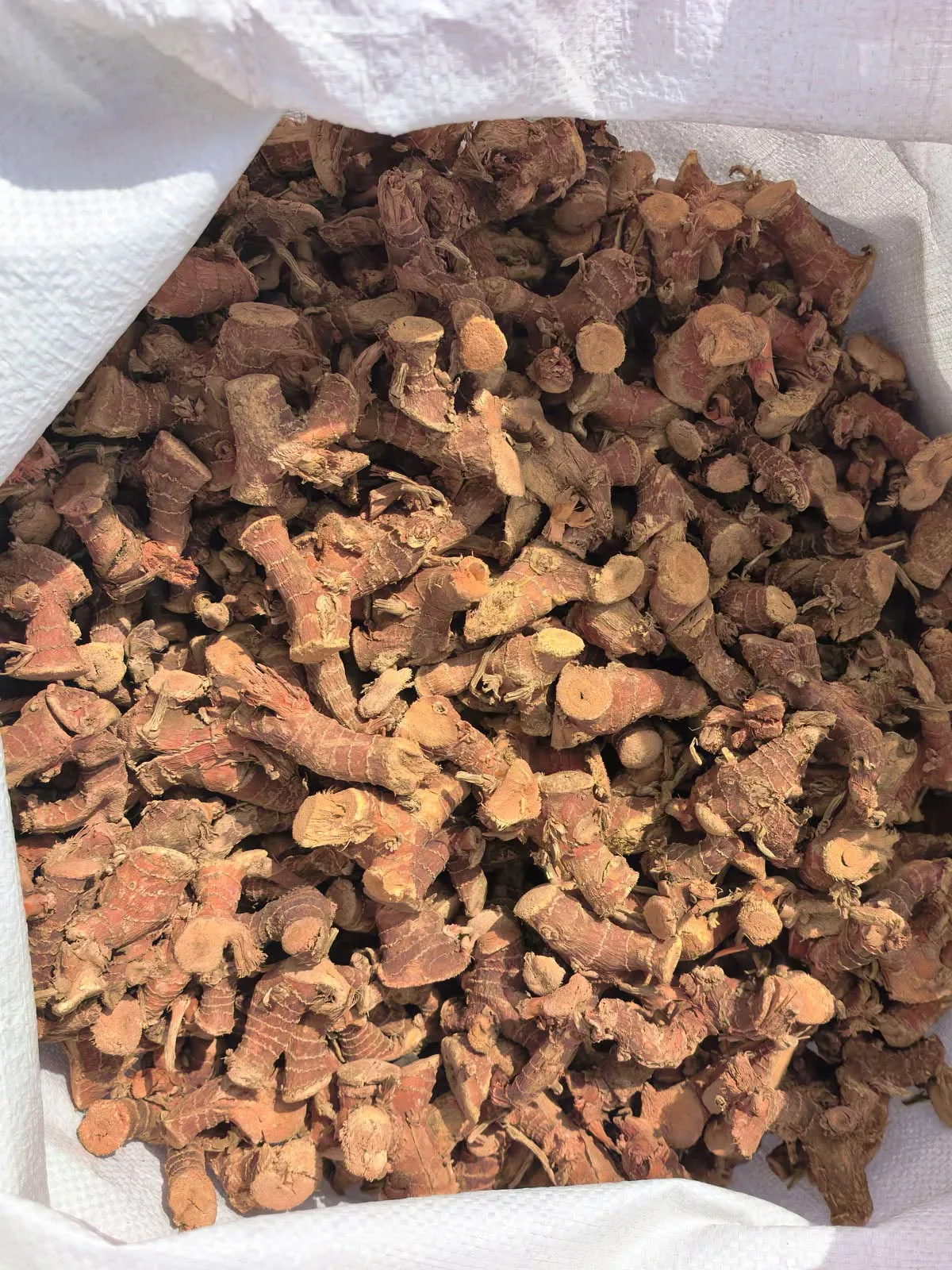
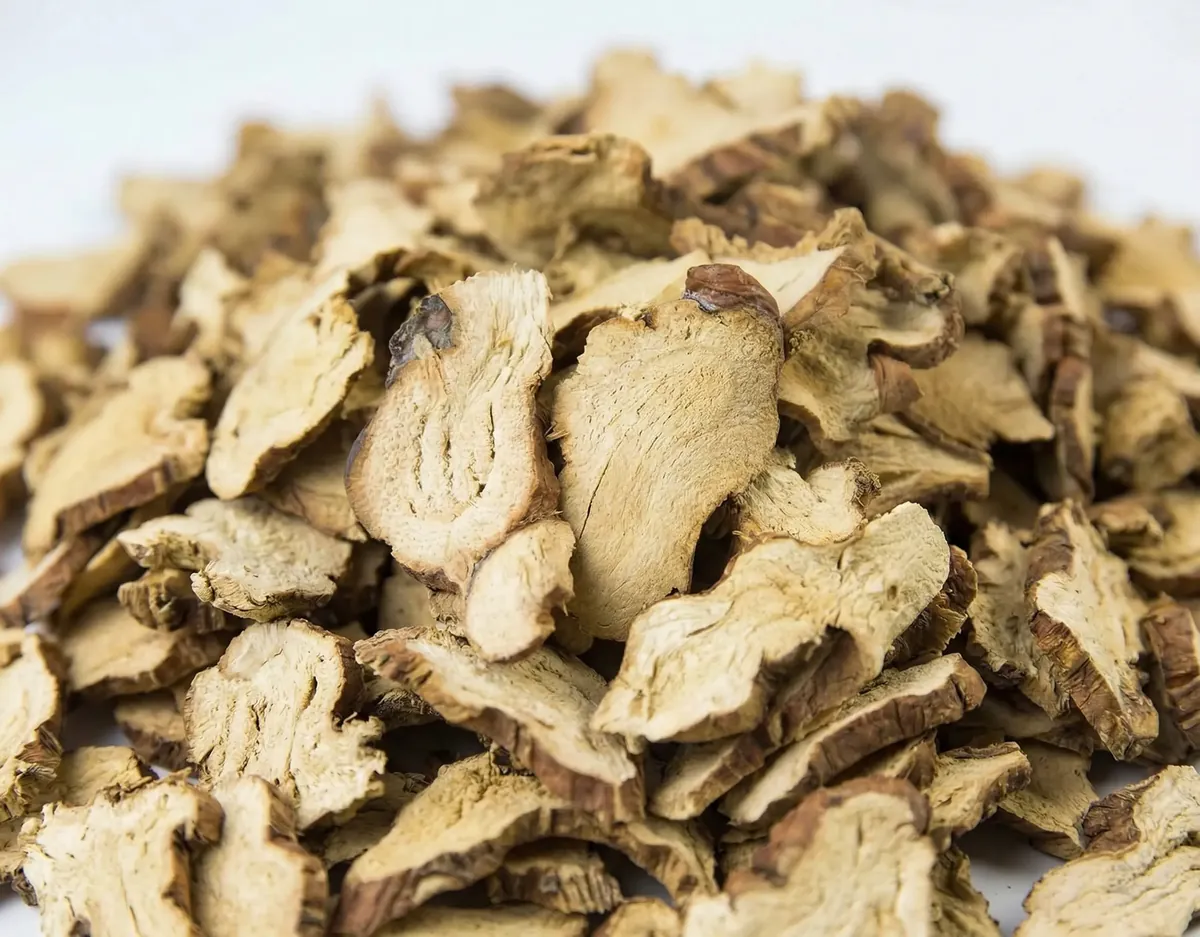
Dried galangal slices
- Cut
- Buyer-defined
- Basis
- Approved sample
Market notes
A market where the commercial documents get read as closely as the goods. Declared value can be examined rather than accepted, which means a price agreed for perfectly ordinary reasons still has to be explainable.
Short answer: A galangal enquiry for Colombia should state use, slices or whole/chunk, cut or piece tolerance, moisture, packing, volume, destination, documents, and trade term. What the invoice says can matter as much as what the goods are, because declared value is checked rather than accepted.
Buyers for an ingredient like this are food manufacturers producing seasonings and prepared foods for a large domestic market, and importers supplying a growing Asian food channel in the main cities. The material is not a traditional ingredient here, so most of what is bought is bought deliberately for a formulation rather than out of habit.
What is particular to this destination sits on the commercial side rather than the technical one. Customs treatment of an import depends on the value declared as well as on what the goods are, and where a declared value can be examined against a reference rather than simply accepted, the invoice stops being a formality.
That has a consequence suppliers rarely think about: a genuinely low price — a trial quantity, a promotional first lot, a grade at the lower end of a range — can create a customs question that has nothing to do with quality. The answer is not a higher price. It is documents that make the real reason legible.
| Product | Relevance here | Suggested grade / format | Note |
|---|---|---|---|
| Dried galangal slices | Lead | Buyer-defined cut, sample-led | Bought for a defined formulation rather than as a general trade item. |
| Dried galangal whole & chunk | On request | Written piece definition | Where a buyer grinds in-house or repacks for a specialist channel. |
Trial quantities are normal here and worth pricing honestly. Say so on the documents rather than quietly, so a low first invoice reads as what it is.
Both products in detail
Customs administrations generally have means of testing whether a declared value looks consistent with what comparable goods are worth. Where those means are applied routinely rather than exceptionally, a declaration below what is expected does not imply anyone has done anything wrong — it simply invites a question that has to be answered before the goods move.
For a supplier the practical lesson is narrow and useful: the price we agree has to be supportable by the paperwork we issue. Not justified, not defended — supportable, in the sense that a reader who was not in the conversation can see how the figure was arrived at.
A trial quantity is priced to get material into a plant, not to make a margin. A lot at the lower end of a grade range costs less because it is a different specification, not a discount. A first order placed to open a relationship may be quoted keenly and said so openly. All three are legitimate; none of them is self-evident from a number on an invoice.
So we write the reason into the documents rather than leaving it to be inferred: the quantity and its purpose, the grade and the tolerances it was priced against, and any terms that explain the figure. It costs nothing at issue and it is the difference between a question answered in a sentence and one answered over weeks.
Where commercial documents are examined, discrepancies do more damage than low numbers. A description on the invoice that differs from the packing list, a quantity that needs arithmetic to reconcile, a grade named one way in the offer and another in the certificate — each of those turns a routine check into an investigation.
Our side of that is straightforward and we treat it as a condition of the route: the goods are described identically in every document, quantities reconcile without explanation, and the specification named on the invoice is the one the lot was actually made to.
Imported food is subject to national food safety control and plant material travels with a phytosanitary certificate, with conditions confirmed per consignment. The requirements applying to dried rhizome of Indonesian origin are for your broker to confirm for that combination before the first booking.
Everything above rewards the same habit: deciding what is true before production, putting it in writing, and making every document say the same thing. That is how this desk works anyway, so the requirement is not an imposition — but it does mean an arrangement here is easier to start carefully than to correct later.
Cartagena on the Caribbean coast for most shipments and for buyers in the interior; Buenaventura on the Pacific where a buyer's operation sits closer to it. The inland leg from either is significant, so the choice belongs in the enquiry.
Tanjung Priok to Cartagena and to Buenaventura, stated in the quotation for the booking offered. These are long routings and transhipment is usual, so we quote the one actually booked.
The invoice, packing list, certificate of origin, and analysis are issued as one consistent set describing the same goods in the same words. On this route that is not tidiness — it is what keeps a routine check routine.
Small first lots are normal and we would rather price one honestly than round it up to look conventional. Tell us it is a trial and the quantity and purpose are stated on the documents, so the figure reads as what it is.
The sea leg is among the longest we quote and passes through consistently warm water with time at transfer ports. Liner and ventilation are agreed against the routing actually booked, and the arrival figure is specified rather than assumed.
Enquiries arrive in Spanish and English, and the trade name used here is galanga. Where a description has to satisfy a customs reader as well as a technical one, the botanical name Alpinia galanga is what keeps it stable across both — it means the same thing in either language and on either kind of document.
Commercially, expect the delivery terms and the documentary requirements to be settled alongside the price rather than after it. On a long route with an examined declaration, the terms decide who is holding the goods if a question is asked, and that is worth agreeing while both sides are still relaxed about it.
Approve a physical sample before any container commitment. The approved sample becomes the acceptance reference.
Format, tolerances, packing, and documents recorded before production. No verbal promises.
Trial quantities and mixed loads are reviewed before quotation — you are not forced into full-container risk.
It can create a question, and the answer is documentation rather than a higher price. Tell us it is a trial and the quantity and its purpose go on the documents, so the figure reads as what it is instead of having to be explained after the container has arrived.
The exact legal name and details for the invoice, the incoterm, and the grade as you want it described. We then use the same wording on every document in the set — most delays on this route come from documents that disagree with each other rather than from documents that are wrong.
No, and we would be cautious about a supplier who does. Valuation practice varies by tariff position and changes over time, so that is your broker to confirm. What we control is issuing documents that support the value declared rather than complicating it.
Whichever is closer to your operation — the inland leg from either is significant and the difference in landed cost is larger than the difference in sea freight. The specification does not change; the transit and the routing do, so we quote the one actually booked.
Less so than in most markets on this list, which is why we work from a written specification and an approved sample rather than from a description. There is no established local reference to compare against, so the sample becomes the reference for everything after it.
Destination is pre-filled — change it to Buenaventura if that serves you better. If this is a trial quantity, say so: it changes how the documents are written, not whether we quote.
Complete briefs receive a substantive reply from the export desk — not an autoresponder. Incomplete enquiries receive clarifying questions the same day.