Market notes

Indonesia Galangal Dried Supplier for Czechia

No frontier to cross and no port of your own. Cargo enters free circulation somewhere else and arrives here overland, which means the part of the journey nobody on either side controls is the part that decides the date.

Short answer: An answerable galangal brief for Czechia includes application, preferred format, physical tolerance, moisture, packing, order size, destination, documents, and Incoterm. No frontier to cross and no port to control. The buyer owns the specification and none of the approach to it.

Who buys what, and why it differs here

Buyers are food manufacturers producing seasonings, sauces, and prepared foods, and importers supplying retail and a substantial Asian food service and grocery channel. Galangal is not an ingredient that needs introducing here — an established Vietnamese community means it is already understood, specified, and used.

So the demand side is straightforward. What is not straightforward is the approach. The country has no coastline, and unlike a landlocked market outside a customs union, there is no frontier to negotiate either: a consignment enters free circulation at a port in another member state and travels here without any further formality.

That sounds like the easy version, and in one sense it is. In another it is harder to manage, because the absence of a border also means the absence of any point at which either of us has standing. The port that matters is one neither party owns, in a country neither party is dealing with.

Product fit for this market

Relevance by product — Czechia
Product Relevance here Suggested grade / format Note
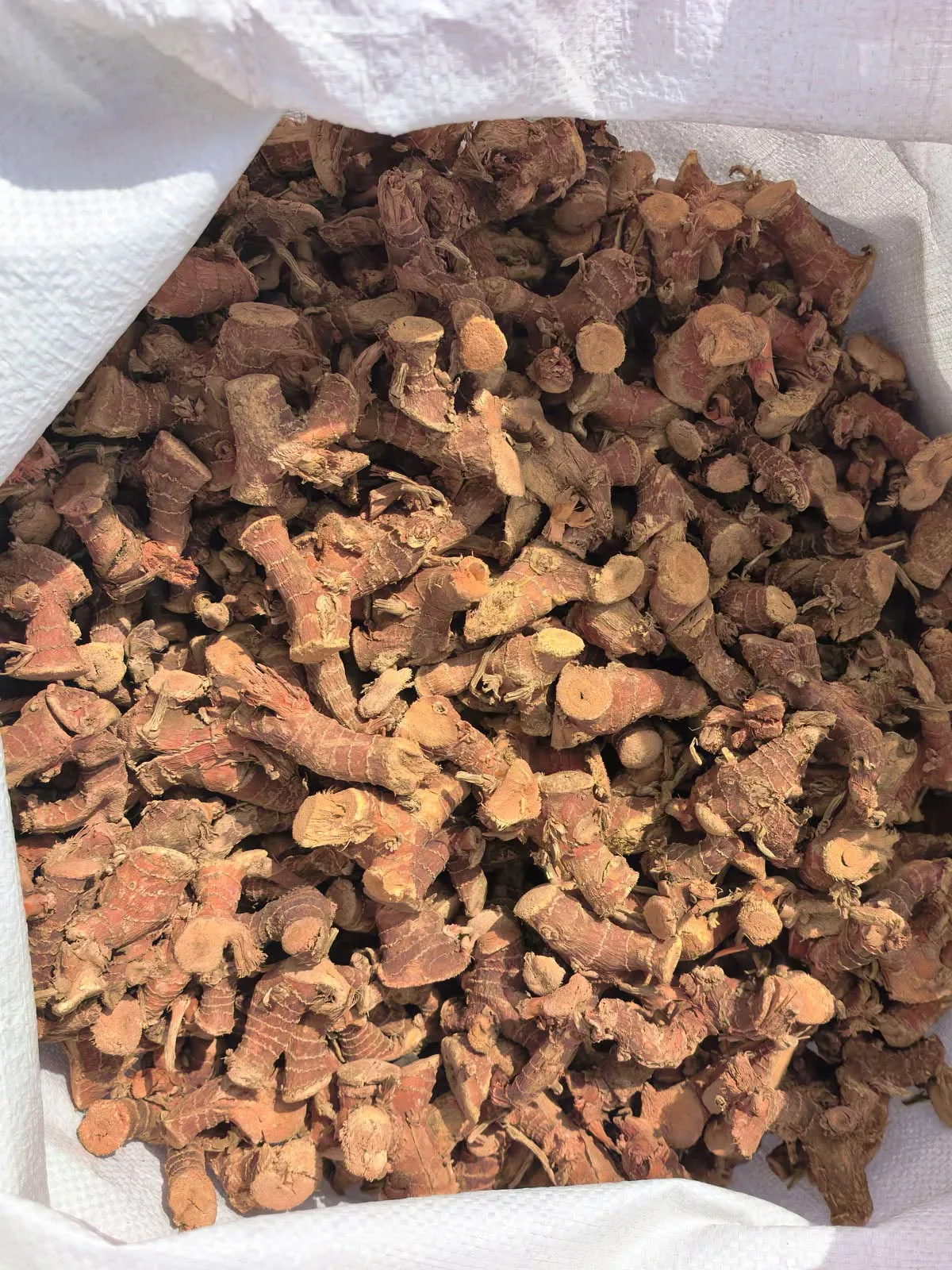
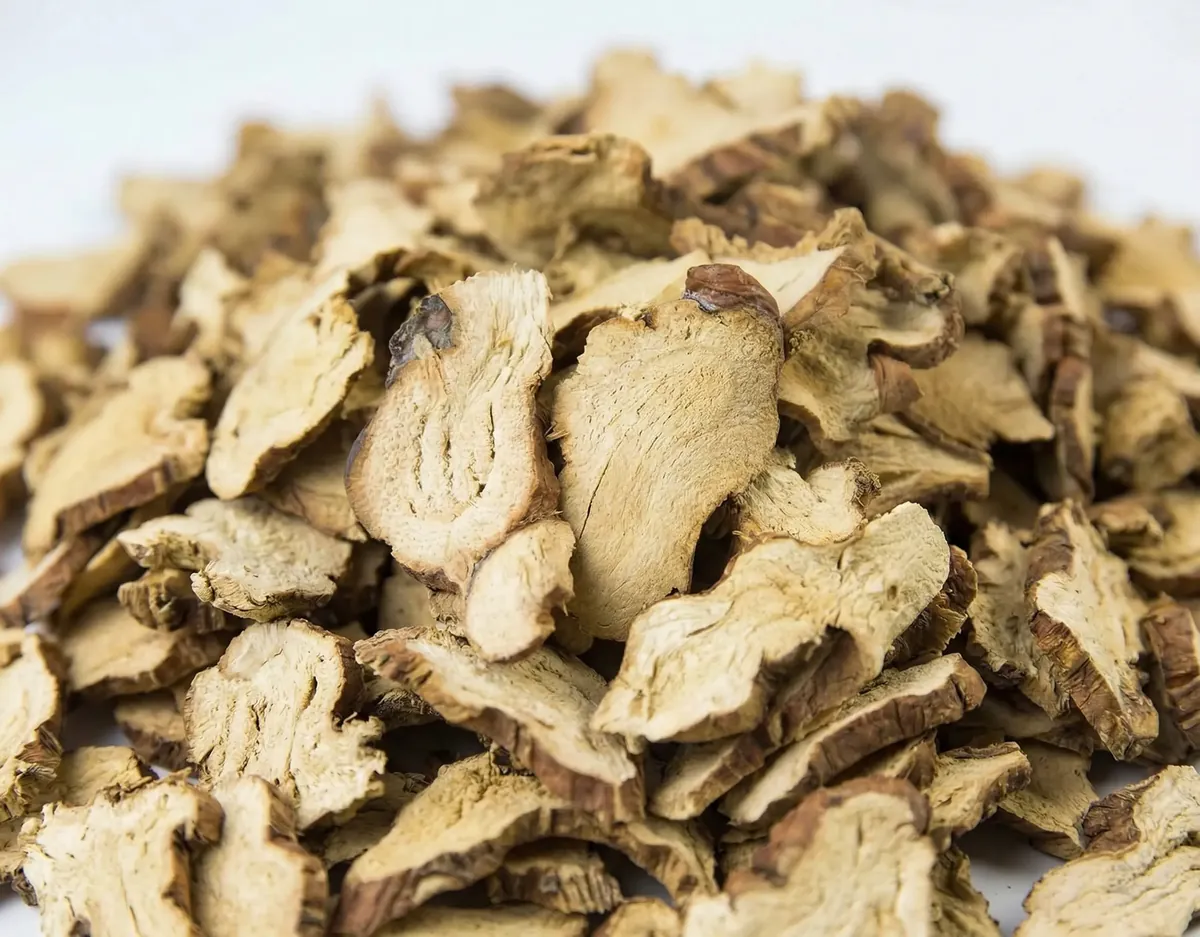
Dried galangal slices Lead Buyer-defined cut, sample-led Manufacturers and importers supplying an established Asian food channel.
Dried galangal whole & chunk On request Written piece definition Where a buyer reduces in-house or repacks for the wholesale trade.

Name the port of entry at enquiry rather than at booking. On this route it affects the date more than anything in the specification does.

Both products in detail

No border to cross, and no port to control

The regime is European, briefly

Entry conditions are the EU ones with a phytosanitary certificate per consignment, and the checks happen at the border control post serving the port of entry rather than here. That position applies at any European port and is set out on our other EU pages.

Where the assessment actually happens

This is the practical consequence of having no coastline inside the union: the consignment is examined, cleared, and released in another country, and by the time it reaches the buyer it is domestic goods. If something is queried, it is queried by an authority that has no relationship with the buyer and no reason to expedite anything for a party it has never dealt with.

There is nothing wrong with that arrangement and it usually passes without incident. It simply means the document set has to be built for the port of entry rather than for the destination, and those are not always the same thing in practice.

Choosing the port deliberately rather than by default

Most buyers here inherit a routing from whichever forwarder they started with, and it is worth examining rather than accepting. Northern and southern approaches into this market exist, they behave differently at different times, and the inland leg from each is a meaningfully different cost and duration.

We do not have a recommendation and would be wary of a supplier who offered one — port capacity and congestion shift, and we are not positioned to judge them. What we can do is issue documents against whichever entry point you name, and quote against the routing actually booked rather than a typical figure for the country.

The date has two owners and neither is us

On this route we can commit to production and to the sea leg. Everything after discharge — clearance in another member state and the inland movement here — is arranged by your side with parties we do not appoint. We quote that portion as a range relayed from your forwarder rather than as a promise.

It is the same honesty we apply to any route with a leg we do not control, but it is worth stating plainly here because the absence of a customs frontier makes the second half feel like a formality. It is not a formality; it is simply somebody else's responsibility.

What an established channel changes about the specification

Because the ingredient is familiar to the buyers who use it, the conversation moves quickly past what the material is and onto whether it repeats. That favours agreeing a tolerance we can hold on every lot and supplying per-lot figures with each delivery, rather than spending the first exchange explaining a product the buyer already knows better than most of our other customers do.

Route and packing

Port of entry

A port in another member state, chosen by your forwarder. Northern and southern approaches both serve this market and the inland leg differs materially between them, so it belongs in the enquiry rather than in the booking confirmation.

Transit

Quoted as the sea leg to the named port of entry, which we state for the booking offered, plus the inland leg relayed from your forwarder as a range. We do not add the two into a single figure.

Documents built for the entry point

The document set is prepared against the port where the goods are actually assessed rather than against the destination. Naming the entry point late is the most common reason a set has to be reissued on this route.

Packing for a road leg after the ship

Material continues overland after discharge, with the extra handling that implies. Outer packaging is specified for the whole journey rather than for container stacking alone.

Moisture across the transition

The routing ends considerably cooler than it starts, and the condensation risk sits where warm cargo meets cold air rather than in steady heat. Liner and ventilation are agreed against the routing actually booked.

Terminology and commercial norms

Enquiries arrive in English and Czech, and specifications are usually written in English. The botanical name Alpinia galanga matters here for a specific reason: the documents are read by a broker in one country and a buyer in another, and it is the term that does not shift meaning between them.

Commercially the pattern is the ordinary European one — written specifications, approved samples, terms agreed alongside price. What is worth raising in the first message rather than the fourth is the port of entry, because it decides both the document set and the half of the schedule that we cannot quote.

How a first order into Czechia is de-risked

  1. Sample first

    Approve a physical sample before any container commitment. The approved sample becomes the acceptance reference.

  2. Written specification

    Format, tolerances, packing, and documents recorded before production. No verbal promises.

  3. Start small

    Trial quantities and mixed loads are reviewed before quotation — you are not forced into full-container risk.

Questions from Czech buyers

There is no border, so why does the port of entry matter?

Because that is where the consignment is actually assessed and released. The document set is built for that port rather than for the destination, and if something is queried it is queried by an authority with no relationship to either of us.

Which port should we route through?

We do not have a recommendation and would be cautious about a supplier who did — capacity and congestion shift and we are not positioned to judge them. Your forwarder can compare the approaches; we issue documents against whichever you name.

Can you quote a single delivered date?

We quote the sea leg to the named entry port as a commitment and the inland leg as a range relayed from your forwarder. Adding them together would imply we control a portion we do not, and the absence of a customs frontier makes that second half feel more certain than it is.

Our buyers already know this ingredient well. Where should we start?

With repeatability rather than with description. Agree a tolerance we can hold on every lot and we supply per-lot figures with each delivery — that is more useful than a first exchange spent explaining a product your channel already understands.

Do the EU requirements differ from what applies at the coast?

No. Entry conditions are the ordinary European ones with a phytosanitary certificate per consignment, applied at the border control post serving the port of entry. They are set out on our other EU pages; what is particular here is where that happens, not what it is.

Request a quotation basis for Czechia

Destination is pre-filled. Name the port of entry your forwarder uses — on this route it decides the document set and half of the schedule.

Complete briefs receive a substantive reply from the export desk — not an autoresponder. Incomplete enquiries receive clarifying questions the same day.

Opens WhatsApp with your brief filled in. Nothing is stored on this site.

WhatsApp