Market notes

Indonesia Galangal Dried Supplier for Denmark

Ask a buyer here which market their specification has to satisfy and the honest answer is often all of them. What they make is sold on to manufacturers in many countries, so the strictest requirement wins by default.

Short answer: Galangal buyers serving Denmark should confirm use, format, cut or piece range, moisture, packing, volume, destination, documents, and trade term. The buyer cannot tell you which market binds the specification, because their product is sold in all of them.

Who buys what, and why it differs here

Alongside the ordinary food manufacturing and import trade, this market has an unusually developed ingredient sector: companies producing components that are sold on to food manufacturers in many other countries rather than to consumers here. For a raw material supplier that is a different kind of customer entirely.

A manufacturer producing for one national market can write a specification against that market. An ingredient producer selling into dozens cannot, because they frequently do not know at production time which of their customers a given batch will end up serving.

So the requirement that reaches us is not "this market's limit" but something closer to the union of every limit their product might meet. That sounds abstract; it has a very concrete consequence for how a specification here should be written.

Product fit for this market

Relevance by product — Denmark
Product Relevance here Suggested grade / format Note
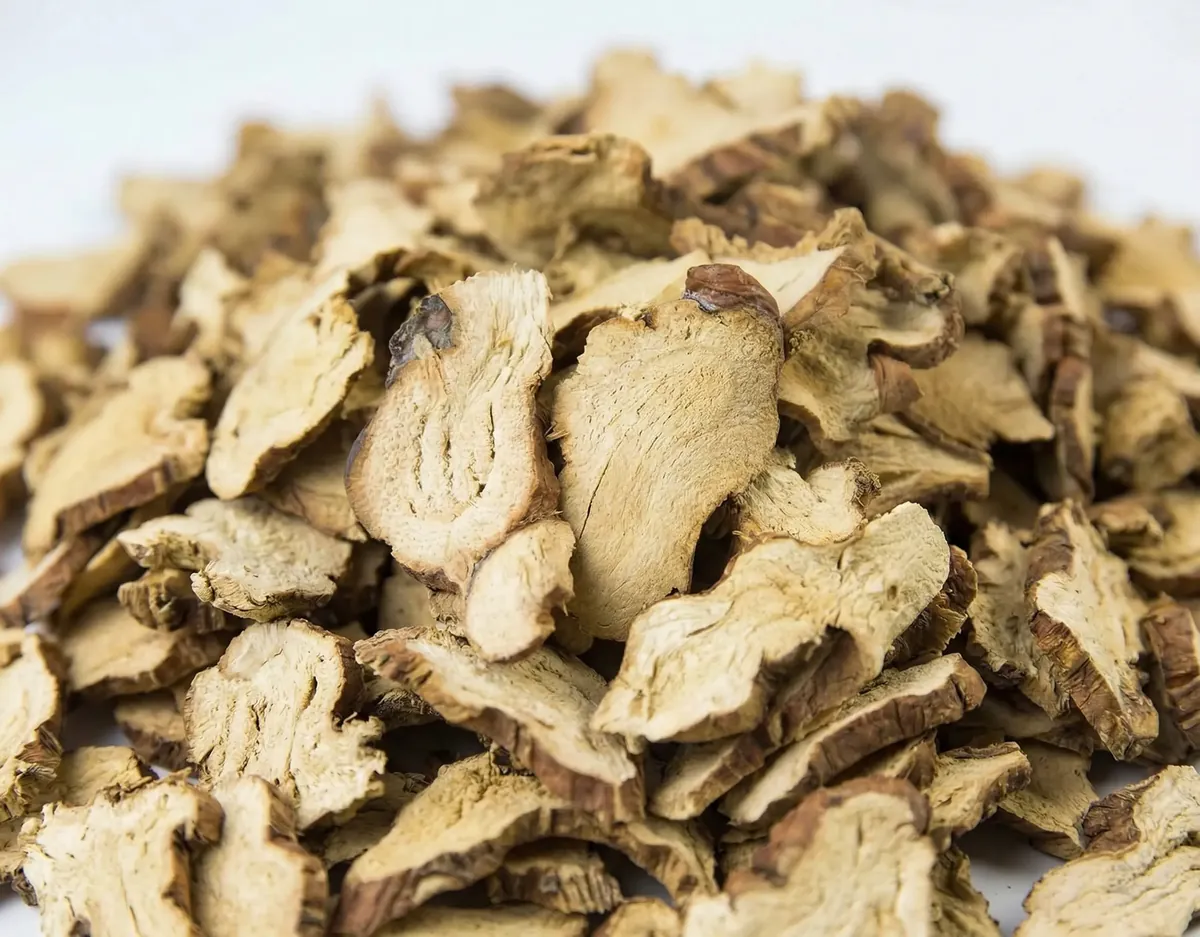
Dried galangal slices Lead Buyer-defined cut, sample-led Ingredient producers and food manufacturers working to a specification written for several jurisdictions at once.
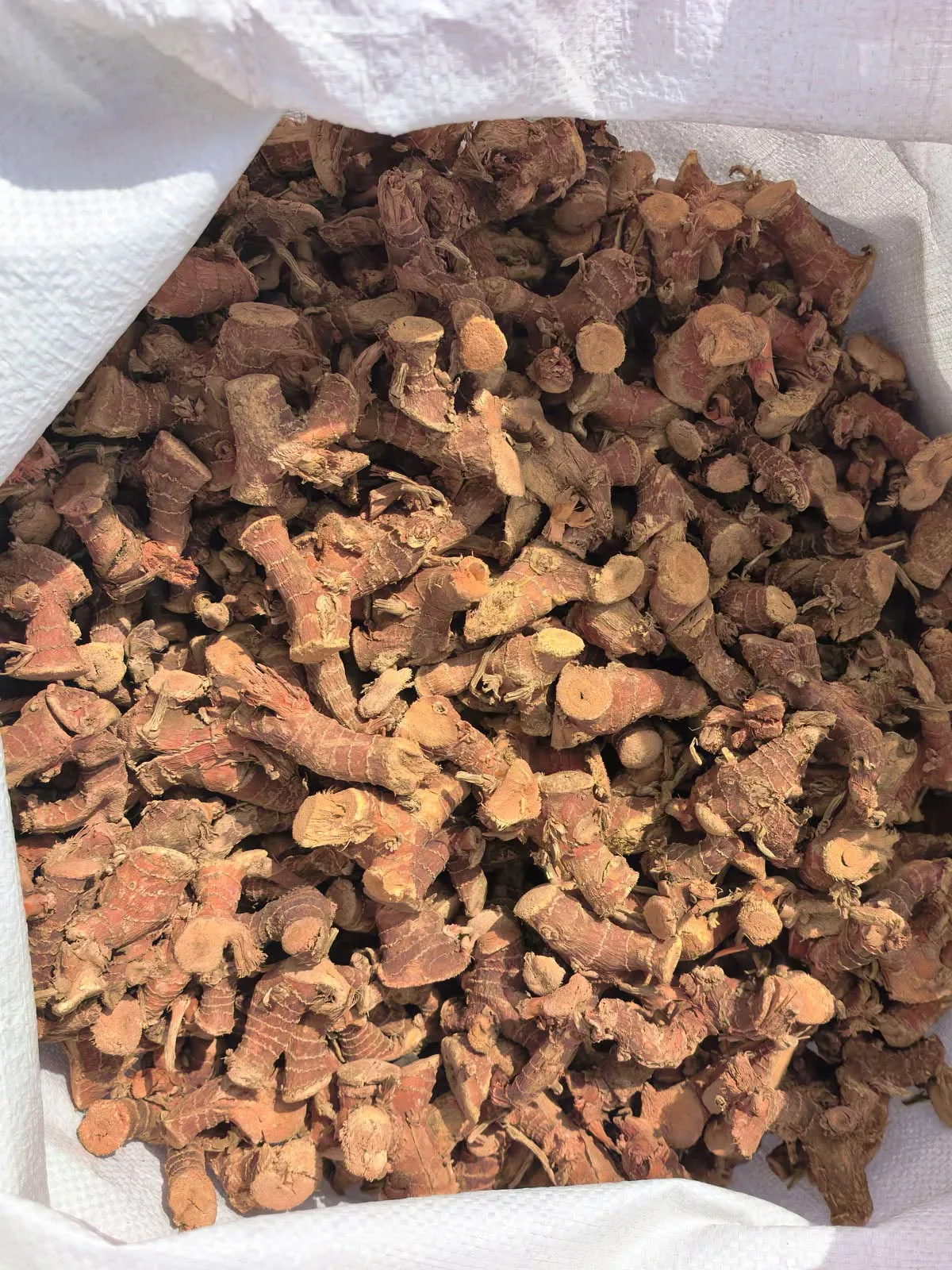
Dried galangal whole & chunk On request Written piece definition Where a buyer reduces in-house or the process starts from a larger piece.

Tell us the set of regimes your product has to satisfy rather than a single destination. It is a shorter conversation than it sounds.

Both products in detail

When the binding market cannot be named

The regime here is European, and that part is settled

Entry conditions are the EU ones with a phytosanitary certificate per consignment, enforced by the Danish authorities. That position is set out at length on our other European pages and it is the least interesting thing about this destination.

Why the strictest requirement wins by default

If a batch might serve a customer in any of a dozen countries, the only specification that is safe to produce against is one that satisfies the most demanding of them. Not because anyone chose it, but because the alternative is segregating stock by eventual destination — which for an ingredient producer is usually more expensive than simply making everything to the higher standard.

That is the reasoning we work with rather than around. It also explains something that confuses suppliers new to this kind of buyer: a requirement can look disproportionate for the market you are shipping to, and be entirely proportionate for the market the finished ingredient will reach.

Tightening voluntarily is cheaper here than anywhere

In most markets, agreeing a narrower tolerance than the rules demand is a cost we carry for no return. Here it can replace work: one specification held reliably removes the need to check a lot against several regimes and to record which one it was cleared for.

So this is one of the few destinations where we will suggest a tighter figure rather than wait to be asked — provided it is one we can hold every time. A tolerance that is narrow on paper and occasionally missed is worse than useless to a buyer whose product is already three steps downstream when the problem appears.

What we need to be told, and what we do not

What helps is the list of regimes your product has to satisfy, or simply the strictest parameter set you work to. What we do not need is your customer list, your formulation, or where a particular batch is going — none of that changes what we produce, and asking for it would just slow the conversation down.

If the answer is genuinely "we do not know yet", that is a usable answer too. It means we specify against the widest plausible requirement now and note it as such, rather than writing something narrow that has to be revisited when the picture resolves.

Documentation that has to travel further than the goods

Where our material becomes part of an ingredient sold onward, questions about it arrive through parties who never dealt with us, long after the lot was consumed. Per-lot figures rather than typical ones, retained samples against lots shipped, and a description that does not need our explanation are what make those questions answerable at all.

Route and packing to Aarhus

Port of discharge

Aarhus for most direct calls; a good deal of cargo also arrives via a larger continental hub and moves on by feeder or road. Which of the two applies affects the date more than the cost, so it is worth naming at booking.

Transit

Tanjung Priok to Aarhus, stated in the quotation for the booking offered, with the feeder leg included where the routing uses one.

One specification, held

Where a tighter tolerance replaces per-regime checking, it has to hold on every lot rather than on average. Per-lot results are supplied with each delivery so the buyer can evidence the position rather than assert it.

Lot identity for a long downstream chain

Identity is marked on inner packs as well as outers and retained samples are kept against lots shipped, because a question about this material may arrive from a party several steps beyond the buyer.

Moisture across a long route

The routing crosses a wide temperature range and ends considerably cooler than it starts. Liner and ventilation are agreed against the routing actually booked, and the arrival figure is specified rather than assumed.

Terminology and commercial norms

Enquiries arrive in English and specifications are written in it. The botanical name Alpinia galanga matters more here than in most markets for a structural reason: the specification will be copied into documents read by parties in several countries, and it is the one term that does not shift meaning as it travels.

Commercially, buying runs against a production plan rather than a season, which favours regular lots over a single large shipment. Approval cycles can be longer than the order size suggests, because a new raw material is assessed against a specification that serves many customers — so the useful thing early is a stable specification rather than a fast quotation.

How a first order into Denmark is de-risked

  1. Sample first

    Approve a physical sample before any container commitment. The approved sample becomes the acceptance reference.

  2. Written specification

    Format, tolerances, packing, and documents recorded before production. No verbal promises.

  3. Start small

    Trial quantities and mixed loads are reviewed before quotation — you are not forced into full-container risk.

Questions from Danish buyers

We cannot say which market a batch will serve. Can you still quote?

Yes, and it is the usual case here. Give us the set of regimes your product has to satisfy, or simply the strictest parameter set you work to, and we specify against that. "We do not know yet" is a usable answer — it means we specify against the widest plausible requirement and note it as such.

Would you agree a tolerance tighter than the regulation requires?

Here, often yes — because one specification held reliably can replace checking a lot against several regimes. The condition is that it has to be a figure we hold every time. A narrow tolerance occasionally missed is worse than useless when your product is already downstream.

Do you need to know our customers or our formulation?

No, and we would rather not ask. Neither changes what we produce. The regimes to be satisfied are the only part that affects the specification, and that is a much shorter conversation.

A question may reach us years later from a customer of a customer. Can you answer it?

If the lot identity survived, yes. We supply per-lot figures rather than typical values and keep retained samples against lots shipped, so a question arriving through parties who never dealt with us still has something physical behind it.

Is the EU position the difficult part here?

No. Entry conditions are the ordinary European ones and they are covered on our other EU pages. What is particular here sits above them: the requirement your own downstream customers impose, which is usually stricter and cannot be attributed to any single one of them.

Request a quotation basis for Denmark

Destination is pre-filled. Tell us the set of regimes your product has to satisfy rather than a single market — that is what the specification is written against here.

Complete briefs receive a substantive reply from the export desk — not an autoresponder. Incomplete enquiries receive clarifying questions the same day.

Opens WhatsApp with your brief filled in. Nothing is stored on this site.

WhatsApp