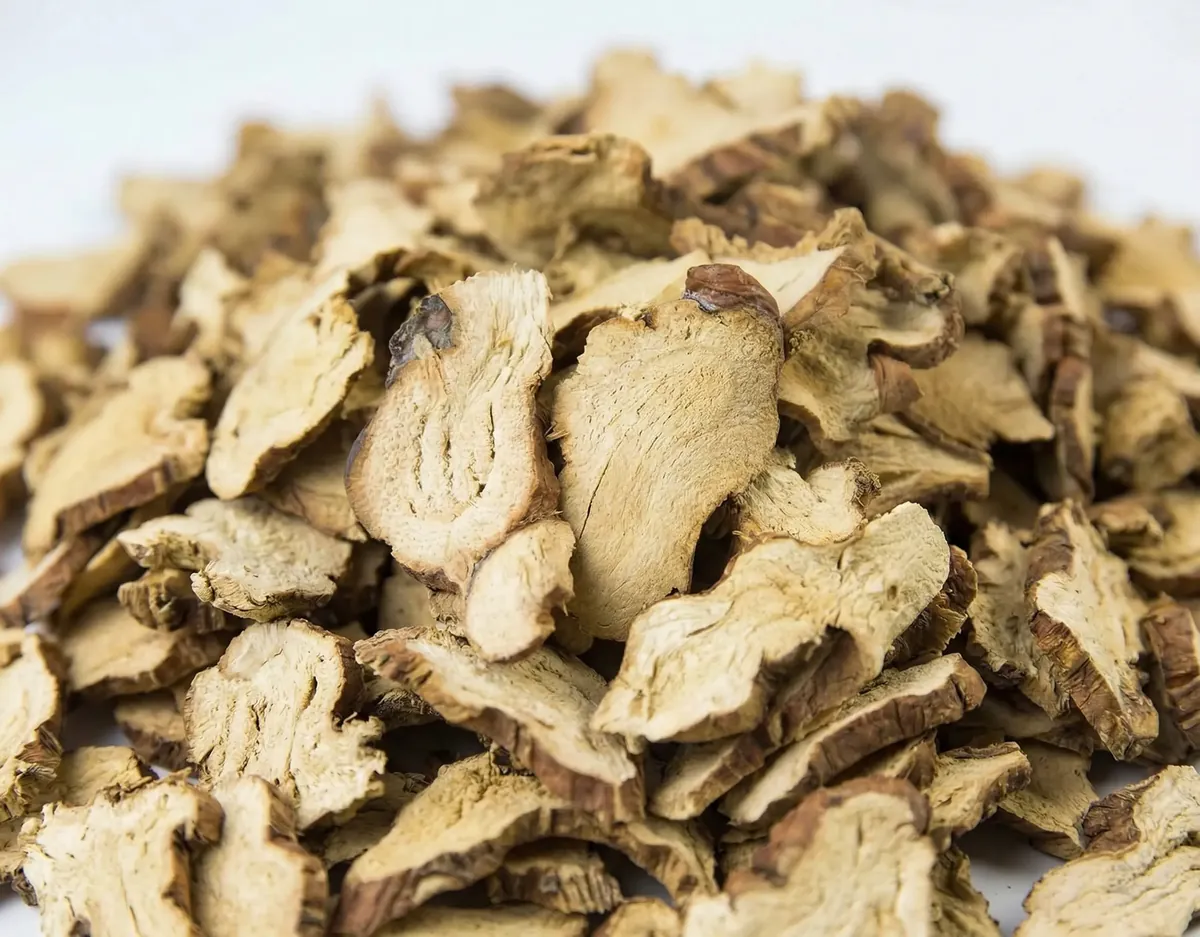
Dried galangal slices
- Cut
- Buyer-defined
- Basis
- Approved sample
Market notes
The buyer here is usually an exporter too. They issue phytosanitary certificates, they lose money when a vessel rolls, and they will recognise an optimistic schedule immediately — because they have written one.
Short answer: Before quoting galangal for Ecuador, align application, format, physical tolerances, moisture, packing, quantity, arrival point, documents, and Incoterm. The buyer is an exporter too, so they read our documents as a peer rather than as a customer.
Buyers are food manufacturers producing seasonings and prepared foods, and importers supplying a growing Asian food channel in the main cities. What is distinctive is not what they make but what else they do: the food economy here is built around exporting tropical agricultural products, so the company buying an ingredient from us is very often shipping its own goods out at the same time.
That changes the conversation in a way no other page on this list has to account for. A buyer who issues export documents themselves knows what a certificate actually takes to obtain, which delays are ordinary and which are excuses, and how much slack a realistic sailing schedule carries.
The useful response is not to sell harder. It is to talk the way we would talk to another shipper: state what is under our control, state what is not, and stop.
| Product | Relevance here | Suggested grade / format | Note |
|---|---|---|---|
| Dried galangal slices | Lead | Buyer-defined cut, sample-led | Manufacturers buying a defined input, and importers supplying the specialist retail channel. |
| Dried galangal whole & chunk | On request | Written piece definition | Where a buyer reduces in-house rather than taking a finished cut. |
The ingredient is unfamiliar here even though export documentation is not. Expect the sample round to matter more than the paperwork conversation.
Both products in detail
A buyer who ships their own cargo knows that a sailing date is a plan and a transit time is an average. Quoting an optimistic figure to look responsive does not work on someone who has explained a rolled booking to their own customer, and it costs credibility that is hard to rebuild.
So the quotation states the routing actually booked, the transit for that routing, and the production date it depends on — and where a leg carries more risk than usual, we say which one rather than padding the whole figure quietly.
A phytosanitary certificate, a certificate of origin, and an analysis are ordinary objects to this buyer. They know what each one can and cannot say, and they will notice a document that has been stretched to imply more than it certifies. That is a good thing: it means the conversation can be technical rather than promotional.
It also means the fastest way to lose the account is to describe a document as evidence of something it does not cover. We would rather say a question is outside what our paperwork can settle and point at what would settle it.
The two halves of this market pull in opposite directions and it is worth separating them. The commercial and documentary side needs almost no explanation. The material itself does — galangal is not a traditional ingredient here, so there is no local reference to compare a sample against.
That makes the approved sample the reference for everything afterwards, and it is worth spending longer on than a buyer used to commodity trading might expect. We keep retained samples against lots actually shipped so a later question has a physical answer rather than a recollection.
Imported food is subject to national food safety control and plant material travels with a phytosanitary certificate, with conditions confirmed per consignment. The requirements applying to dried rhizome of Indonesian origin are for your broker to confirm for that combination before the first booking — a step this buyer will already have planned for.
Guayaquil handles the great majority of containerised import. Posorja is used on some services; where a buyer's operation favours one over the other it is worth naming at booking because the inland leg differs.
Tanjung Priok to Guayaquil, stated in the quotation for the booking offered. This is a long routing with transhipment as the usual case, so we quote the one actually booked rather than a typical figure.
On a routing this long the transfer points carry more schedule risk than the sea legs do. We would rather name which transfer is the exposure than quote a padded total, because a buyer who ships their own cargo will ask anyway.
The routing is warm throughout with time stationary at transfer ports. Liner and ventilation are agreed against the routing actually booked, and the arrival figure is specified rather than assumed.
Because there is no local reference for this material, we keep retained samples against lots shipped rather than only against the approved sample. A question raised months later then has something physical to answer it.
Enquiries arrive in Spanish and English and the trade name used here is galanga. The botanical name Alpinia galanga is what keeps a description stable across two languages and across documents that may be read by a broker before the buyer sees them.
Commercially, expect terms and documentary requirements to be discussed with unusual precision, because the person on the other side drafts the same clauses for their own sales. That tends to make negotiations shorter rather than longer — there is less to explain and less room for a vague commitment to survive.
Approve a physical sample before any container commitment. The approved sample becomes the acceptance reference.
Format, tolerances, packing, and documents recorded before production. No verbal promises.
Trial quantities and mixed loads are reviewed before quotation — you are not forced into full-container risk.
The one for the routing being booked, including the transfers, rather than a typical figure for the port pair. Where a particular transfer carries more schedule risk we name it instead of padding the total quietly — you would spot that anyway.
It answers what it measures on the lot it describes, and nothing beyond that. Where a question falls outside it we will say so and point at what would settle it, rather than stretching a document to imply more than it certifies.
With the sample rather than the documents. There is no local reference to compare against, so the approved sample becomes the standard for everything afterwards — worth spending longer on than a commodity purchase would need.
Yes, retained against lots sent rather than only against the approved sample. In a market with no established reference for the material, that is the only way a question raised months later has a physical answer.
Whichever suits your inland movement — the specification does not change and the difference sits in the landed cost. Name it at booking so the documents are issued against the right discharge point from the start.
Destination is pre-filled. If you ship your own cargo out of here, tell us the schedule discipline you work to — we would rather quote against it than against an average.
Complete briefs receive a substantive reply from the export desk — not an autoresponder. Incomplete enquiries receive clarifying questions the same day.