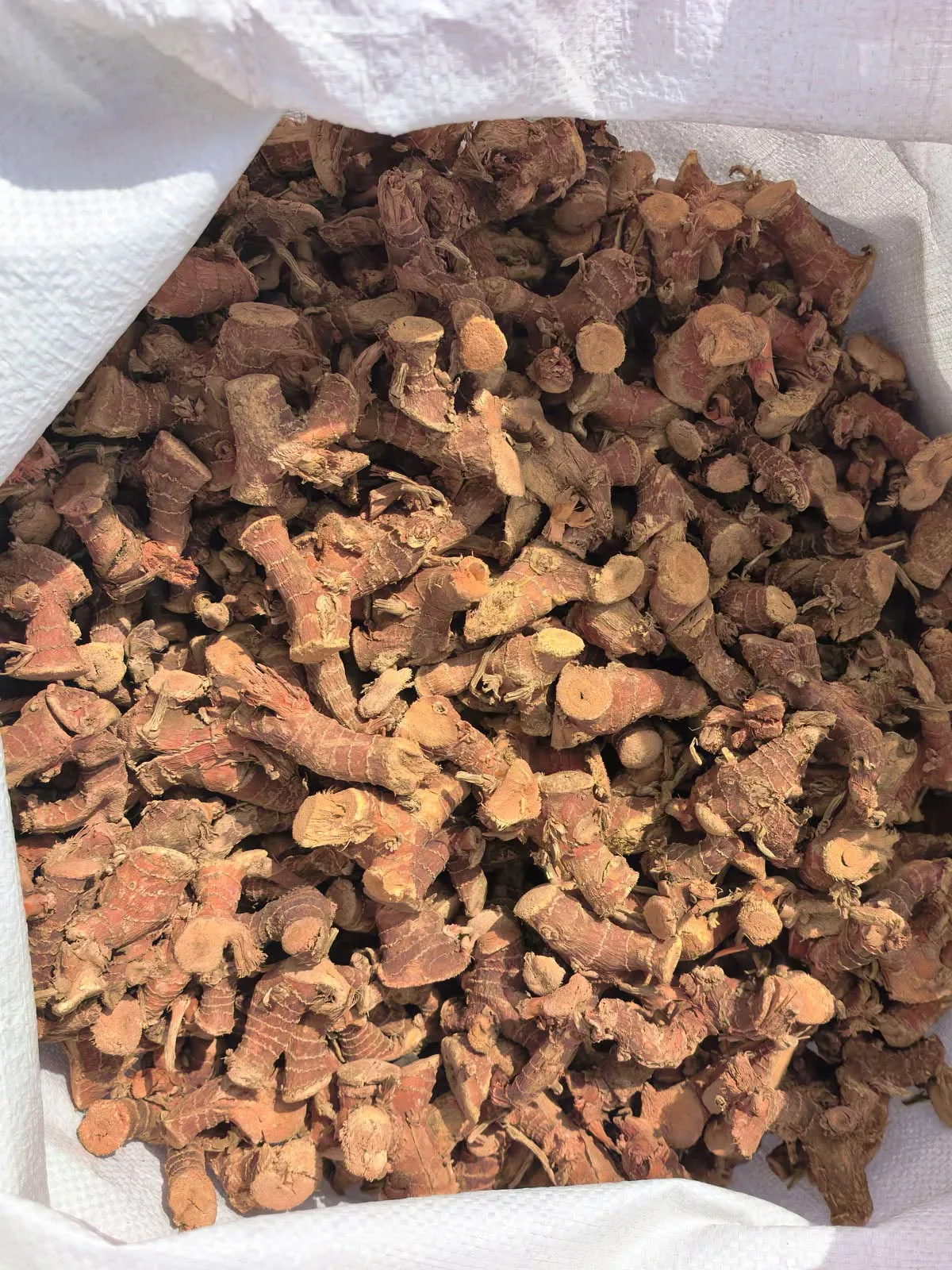
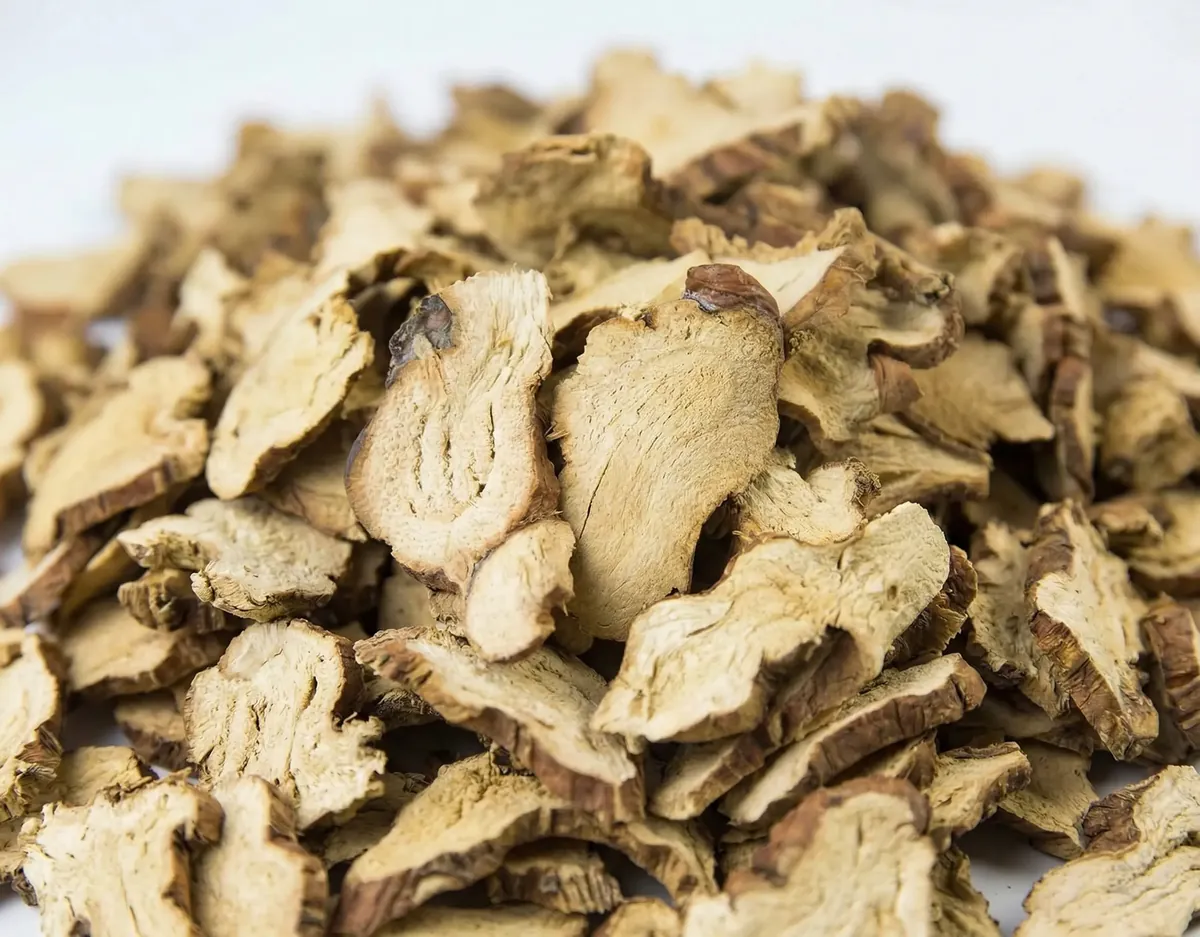
Dried galangal slices
- Cut
- Buyer-defined
- Basis
- Approved sample
Market notes
The only destination on this list where the route itself changes with the season. Winter navigation alters how the port is reached, so a sailing that suits an order placed in June may not be there for one placed in December.
Short answer: A galangal enquiry for Finland should state use, slices or whole/chunk, cut or piece tolerance, moisture, packing, volume, destination, documents, and trade term. Winter navigation alters the approach itself, so the sailing that suits a summer order may not exist in February.
Buyers are food manufacturers producing seasonings, sauces, and prepared foods, and importers supplying retail and a restaurant sector concentrated in the larger cities. Volumes are modest and the technical conversation is the ordinary northern European one.
What makes this destination its own case is not the market but the approach to it. In the northern Baltic, winter conditions change how ports are reached — services are adjusted, some routings are consolidated, and the practical set of sailings available in one part of the year is not the set available in another.
Every other page on this list treats the route as a fixed thing and the seasons as a question about demand or about cargo condition. Here the seasons act on the routing itself, and that changes what a delivery date can be built from.
| Product | Relevance here | Suggested grade / format | Note |
|---|---|---|---|
| Dried galangal slices | Lead | Buyer-defined cut, sample-led | Manufacturers and importers supplying retail and the restaurant channel. |
| Dried galangal whole & chunk | On request | Written piece definition | Where a buyer reduces in-house or repacks for a trade channel. |
Order sizes follow a modest market. What is worth planning early is not the quantity but which part of the year the shipment lands in.
Both products in detail
Entry conditions are the EU ones with a phytosanitary certificate per consignment, enforced by the Finnish authorities. That position applies at any European port and is set out on our other EU pages. It is not what this page is about.
What does not change is the cargo. Dried spice is not troubled by cold, and none of this is a product problem. What changes is the availability and shape of the service: which vessels serve which ports, how a consignment is transferred at a hub, and how much slack a schedule carries.
We do not publish a calendar for it, because conditions differ from year to year and from port to port, and a supplier who prints a schedule is claiming knowledge they do not have. Your forwarder can state the position for the window you are actually booking in, and that is the figure we quote against.
On most routes we set a production date and then find a booking. Here it is worth inverting that: establish which sailings are available in the period you need, then work the production date backwards from the one you take. It sounds like a small difference and it removes the most common way an order here slips.
The practical version is that an order landing near a seasonal transition should be decided earlier than an order landing in the middle of a stable period — not because production takes longer, but because the choice of sailings is narrower and the cost of missing one is higher.
Elsewhere we generally suggest ordering to consumption. On this route, where the set of sailings in a given window may be thinner, holding a little more stock across a transition can be cheaper than being exposed to a single booking. That is a decision for your side, but it is worth taking deliberately rather than defaulting to the pattern that suits an all-year route.
If you do carry stock across a period, tell us — it changes the moisture target and the pack specification, because material held longer is material with more opportunity to change.
A consignment that leaves a tropical port and arrives in a cold one passes through a steep change. The risk is not the cold itself but the point where warm cargo meets cold air, or cold cargo is brought into a heated store. Liner and ventilation are agreed against that transition rather than against an average of the journey.
Helsinki and Kotka serve most containerised import. A share of cargo arrives via a larger continental hub and continues by feeder, and which applies can differ by season rather than by preference.
Tanjung Priok to the discharge port, stated in the quotation for the booking actually offered in the window you are shipping in — not a typical figure for the port pair.
An order landing near a change of period is decided earlier than one landing in the middle of a stable stretch, because the choice of sailings is narrower. Tell us the arrival window and the production date is built backwards from it.
Say so if you do. Both the moisture target and the pack are set for the holding period rather than for the voyage alone, and neither can be adjusted once the material has been made.
Condensation risk sits where warm cargo meets cold air, or where cold cargo enters a heated store. Liner and ventilation are specified against that point rather than against an average of the voyage.
Enquiries arrive in English and specifications are written in it, with the botanical name Alpinia galanga settling any ambiguity in a document that may pass through a forwarder and a feeder operator before the buyer sees it.
Commercially the pattern is northern European and unremarkable: written specifications, approved samples, and payment terms agreed alongside price. What is worth raising early is the arrival window rather than the terms, because on this route the window decides what the rest of the schedule can look like.
Approve a physical sample before any container commitment. The approved sample becomes the acceptance reference.
Format, tolerances, packing, and documents recorded before production. No verbal promises.
Trial quantities and mixed loads are reviewed before quotation — you are not forced into full-container risk.
Not the material — dried spice is untroubled by cold. What it affects is the service: which vessels serve which ports, how a consignment transfers, and how much slack the schedule carries. The risk to the goods sits at the warm-to-cold transition rather than in the cold.
No, and we would be cautious about a supplier who prints a calendar for it. Conditions differ by year and by port. Your forwarder can state the position for the window you are actually booking in, and that is what we quote against.
Earlier than one landing mid-period — not because production takes longer, but because the choice of sailings is narrower and missing one costs more. Give us the arrival window and the production date is built backwards from the sailing you take.
It can be cheaper than being exposed to a single booking, but it is your decision. If you do, tell us — longer holding changes the moisture target and the pack specification, and both are set before production rather than afterwards.
No. Entry conditions are the ordinary European ones with a phytosanitary certificate per consignment, and they are set out on our other EU pages. What is particular to this destination is the routing, not the regime.
Destination is pre-filled. Give us the arrival window you need rather than a lead time — on this route the window decides what the rest of the schedule can look like.
Complete briefs receive a substantive reply from the export desk — not an autoresponder. Incomplete enquiries receive clarifying questions the same day.