Market notes

Indonesia Galangal Dried Supplier for Ghana

Importers here would usually rather buy several spices from one supplier than one spice from several. We sell two products and no more, so the first useful thing we can tell you is where that helps and where it does not.

Short answer: For dried galangal in Ghana, define application, format, physical tolerances, moisture, packing, quantity, destination, documents, and Incoterm. Buyers here prefer one supplier for several spices. We sell two, and saying so early is cheaper than being discovered.

Who buys what, and why it differs here

Buyers are import houses supplying the wholesale and retail trade, and a food manufacturing sector producing seasonings and prepared foods. Both tend to source across a range of dried spices rather than line by line, because a single supplier means one negotiation, one shipment, and one set of documents to reconcile.

That preference is rational and it is the thing this page has to answer honestly. We are a dried galangal specialist. We do not trade a range, we cannot fill a mixed container from our own production, and a supplier who implies otherwise to win a first conversation creates a problem that surfaces at the second one.

Where that leaves us is narrower and, for some buyers, more useful: a single line supplied properly, at a specification that holds, alongside whatever else you buy from whoever you buy it from. It is worth deciding at the outset whether that fits how you purchase.

Product fit for this market

Relevance by product — Ghana
Product Relevance here Suggested grade / format Note
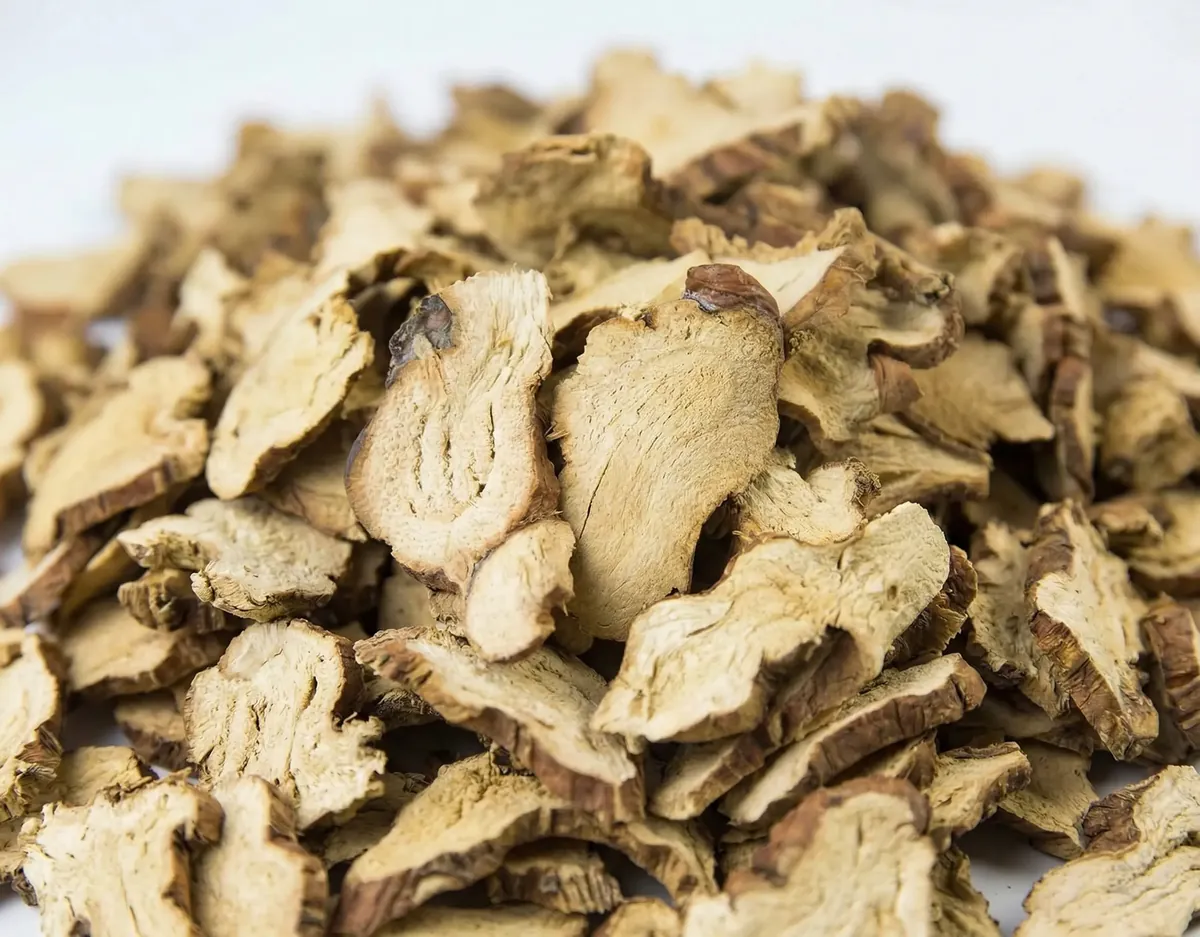
Dried galangal slices Lead Buyer-defined cut, sample-led Import houses and manufacturers taking a single line alongside spices bought elsewhere.
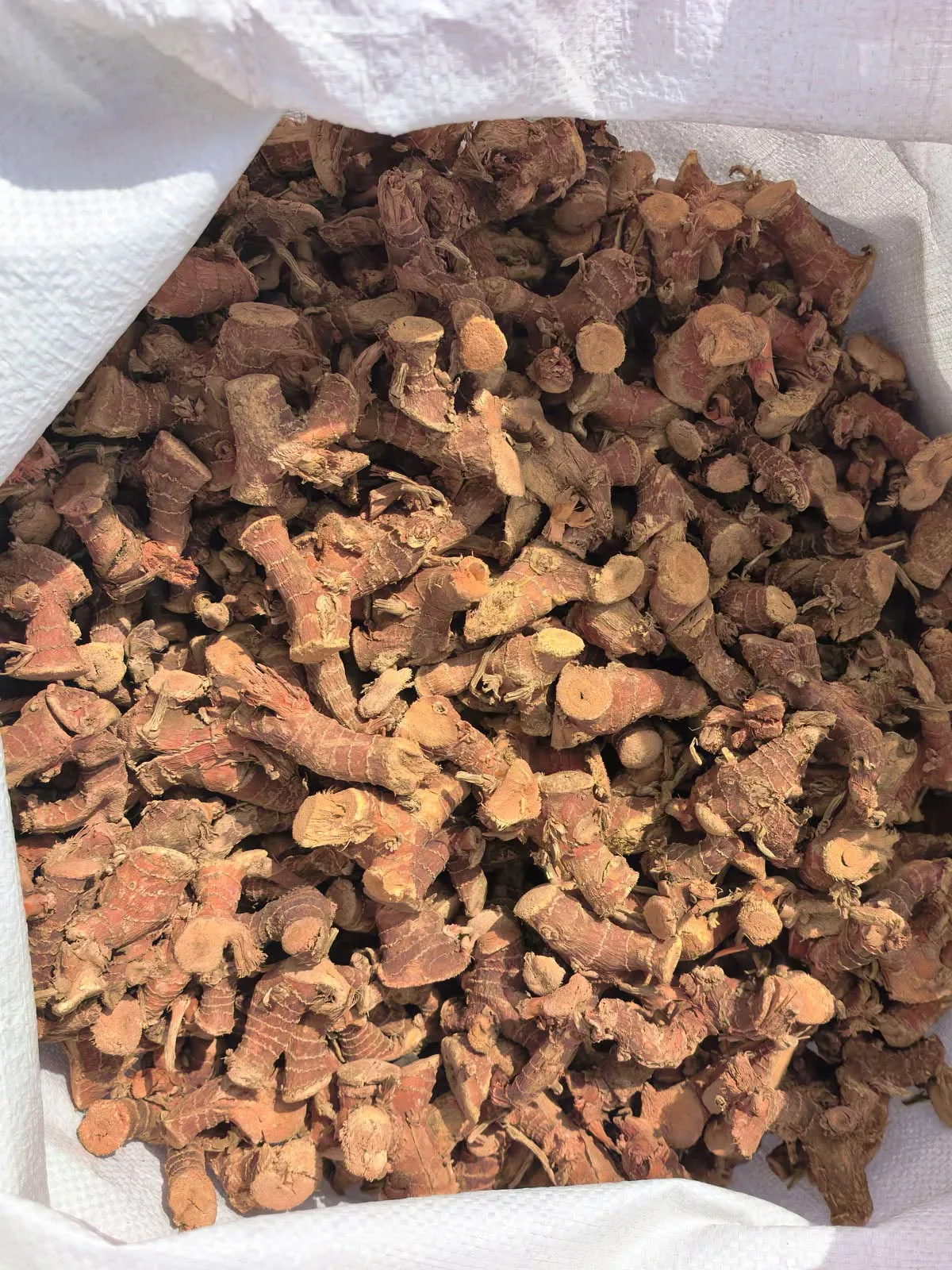
Dried galangal whole & chunk On request Written piece definition Where a buyer grinds in-house or repacks for the wholesale trade.

These two are the whole range. If your order depends on filling a container with several commodities, say so early — it changes whether we are useful to you.

Both products in detail

A two-product supplier in a market that prefers a range

What a narrow range actually costs you

Buying one line from us means an extra supplier relationship, an extra set of documents, and a part load unless you consolidate. Those are real costs and we are not going to pretend they are trivial. If your purchasing is built around single-supplier containers, that arithmetic may simply not work, and it is better established now than after a sample round.

What it does not cost you is attention. A supplier with one commodity to get right does not have a portfolio to average across, and a lot that disappoints is not offset by eight lines that did not.

Where a specialist is worth the extra supplier

It tends to be worth it in two situations. The first is where galangal is a line you have had trouble holding to a consistent specification, because that is a problem of sourcing attention rather than of price. The second is where the material feeds a manufacturing process rather than a repack, so the tolerances matter more than the convenience of a single invoice.

Outside those two, a generalist supplier is probably the right answer and we would say so. We would rather be the second call that works than the first that does not.

Consolidating with your other suppliers

Where a buyer is combining our line with commodities bought elsewhere, the practical question is not who ships but who consolidates and where. That is your forwarder's decision rather than ours, and we work to it: production timed to a consolidation cut-off you give us, packing specified for a shared load, and documents issued so they can be presented alongside other suppliers' paperwork without conflicting with it.

Import control

Imported food is subject to national food safety control and plant material travels with a phytosanitary certificate, with conditions confirmed per consignment. The requirements applying to dried rhizome of Indonesian origin are for your broker to confirm for that combination before the first booking.

Why we say this before you ask

A supplier who discovers halfway through a negotiation that they cannot fill the order has wasted both sides several weeks. Stating the range at the top of the page is not modesty; it is the cheapest possible way to let a buyer whose model needs a generalist go and find one.

Route and packing to Tema

Port of discharge

Tema serves the capital and the industrial area around it; Takoradi is used where a buyer's operation sits in the west. The inland difference is larger than the sea difference, so the choice belongs in the enquiry.

Transit

Tanjung Priok to Tema, stated in the quotation for the booking offered. Where the shipment is consolidated with other suppliers, we quote against your cut-off rather than against the sailing.

Part loads and consolidation

A single line rarely fills a container, so part loads are the usual case. Tell us where consolidation happens and the packing is specified for a shared load rather than for a dedicated one.

Moisture on a warm route

The routing is warm throughout and material frequently waits in ambient storage before use. Liner and ventilation are agreed against the routing actually booked, and the figure that matters is the one at the point of use rather than at the rail.

Marks that work alongside other cargo

Where our line travels with commodities from other suppliers, lot identity has to be legible on inner packs as well as outers so it survives being separated at destination by people working from marks rather than from paperwork.

Terminology and commercial norms

Enquiries arrive in English and use the English trade term, and the botanical name Alpinia galanga settles which rhizome is meant where an offer sheet lists several. That precision matters more than usual here, because our documents may sit in a file next to several other suppliers' documents describing different commodities.

Commercially the pattern follows established import trade practice and letters of credit are common. What is worth raising early is not the terms but the shape of the order: whether our line stands alone or has to fit inside a consolidated shipment decides the production date more than anything in the specification does.

How a first order into Ghana is de-risked

  1. Sample first

    Approve a physical sample before any container commitment. The approved sample becomes the acceptance reference.

  2. Written specification

    Format, tolerances, packing, and documents recorded before production. No verbal promises.

  3. Start small

    Trial quantities and mixed loads are reviewed before quotation — you are not forced into full-container risk.

Questions from Ghanaian buyers

Can you supply other spices alongside galangal?

No. Two products are the whole range and we would rather say that now than be discovered later. If your purchasing depends on filling a container from one supplier, a generalist is the right answer and we would tell you so.

Then why take on an extra supplier for one line?

Usually only in two situations: where galangal has been hard to hold to a consistent specification, or where it feeds a manufacturing process so the tolerances matter more than a single invoice does. Outside those, the convenience of a generalist probably wins.

We consolidate with other suppliers. Can you work to that?

Yes, and it is the usual case. Tell us where consolidation happens and what the cut-off is, and production is timed to that rather than to a sailing. Packing is specified for a shared load and documents issued so they sit alongside other suppliers papers without conflicting.

Does a part load change the specification?

Not the specification, but it changes the packing brief and how lots are marked. Material travelling with other commodities has to stay identifiable after separation at destination, so identity goes on inner packs rather than only on outers.

Tema or Takoradi?

Whichever is closer to your operation. The difference in inland cost is larger than the difference in sea freight, and the specification does not change either way — so it is a logistics decision your side owns.

Request a quotation basis for Ghana

Destination is pre-filled. Tell us whether this line stands alone or has to fit inside a consolidated shipment — that decides the date more than the specification does.

Complete briefs receive a substantive reply from the export desk — not an autoresponder. Incomplete enquiries receive clarifying questions the same day.

Opens WhatsApp with your brief filled in. Nothing is stored on this site.

WhatsApp