Market notes

Indonesia Galangal Dried Supplier for Ireland

An EU buyer whose most convenient routes have a habit of crossing a country that is no longer in the same customs territory. The material does not care. The paperwork does.

Short answer: For dried galangal in Ireland, define application, format, physical tolerances, moisture, packing, quantity, destination, documents, and Incoterm. An EU buyer whose easiest routes cross a country that is no longer in the same customs territory. Where the container lands is not a detail.

Who buys what, and why it differs here

Ireland is a small market with a food sector that is much larger than its population would suggest, because a great deal of what it makes is sold abroad. Two buyer types dominate for an ingredient like this: manufacturers producing seasonings, sauces, and prepared foods — often for export — and importers supplying a well established Asian grocery and food service channel in the cities.

The manufacturing side brings the same pattern that shapes several markets on this list: the requirement that actually binds the ingredient is frequently written by their customer rather than by the border. What makes Ireland its own case is that this sits on top of a routing question no other destination has in the same form.

For decades the practical way to move goods between continental Europe and Ireland involved crossing Great Britain. That route now crosses a customs frontier in both directions, and the response has been a substantial growth in direct services between Ireland and continental ports. For a supplier shipping from Asia the question is narrower but real: where does the container actually land, and who clears it.

Product fit for this market

Relevance by product — Ireland
Product Relevance here Suggested grade / format Note
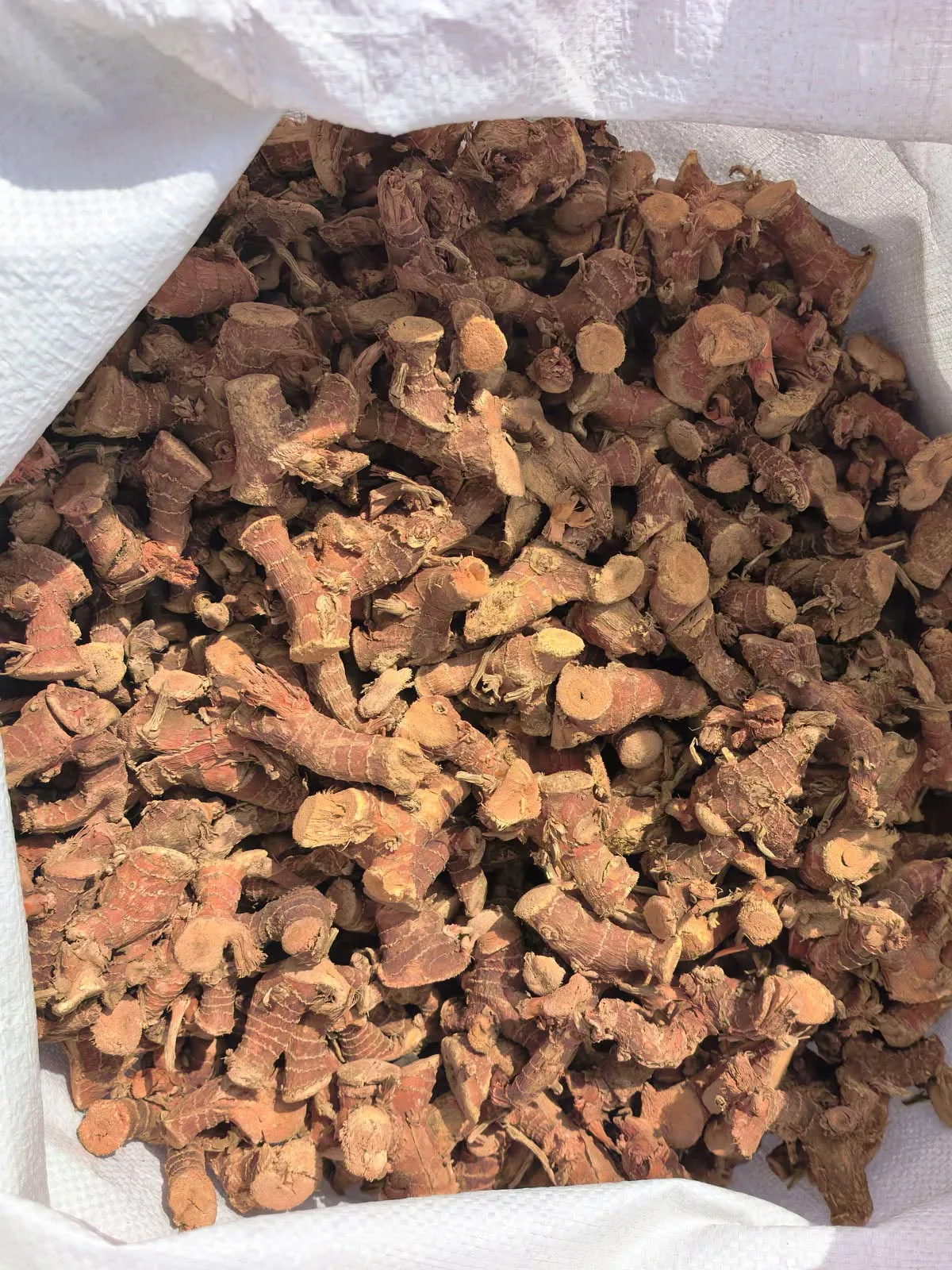
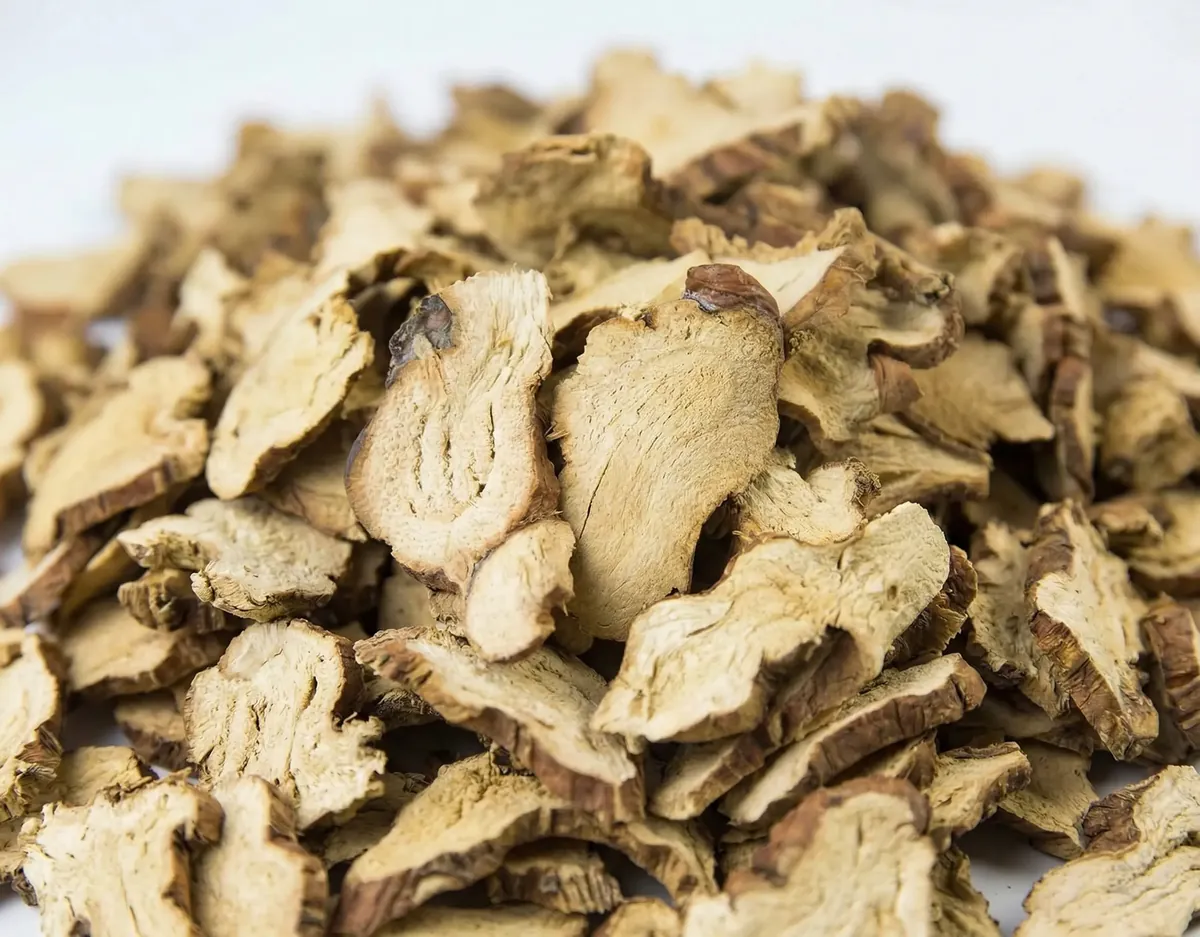
Dried galangal slices Lead Buyer-defined cut, sample-led Bought by manufacturers feeding a defined process step and by importers repacking for the grocery and food service channel.
Dried galangal whole & chunk On request Written piece definition For the smaller number of buyers reducing in-house rather than buying a finished cut.

Volumes here are modest and consolidated shipments are normal. Pack size matters more than pallet economics on a route with fewer direct calls.

Both products in detail

Where the container clears, and why the route decides it

The regime is European, and that part is unremarkable

Ireland is in the European Union, so the residue, contaminant, and plant health position is the same one that applies at any EU port, enforced by the Irish authority, and the consignment travels with a phytosanitary certificate issued for that shipment. It is described at length on our other European pages and repeating it here would add length without adding information. What is genuinely particular to this destination is which border the certificate is presented at, and that is everything below.

Where the container lands is not a detail

If a consignment discharges at a continental port and moves on to Ireland, it has entered the EU there and travels onward inside the bloc. If it discharges outside the bloc and continues, the position is different and the paperwork follows a different path. Neither is wrong; what is wrong is finding out afterwards which one happened. Ask your forwarder to state the discharge port and the clearance point explicitly on the booking rather than accepting a delivered date without them.

Why the routing question exists at all

The reason this matters to a supplier in Asia is narrower than the general trade story and easier to miss. Services calling directly at Irish ports are thinner than those calling at the large continental hubs, so a consignment is frequently transhipped rather than carried through — and it is the transfer port, not the origin, that determines where the goods enter the customs territory.

Two things a forwarder should state, and often does not

The first is the discharge port. The second is the point at which the consignment is cleared into free circulation. A delivered date can be quoted without either, and it frequently is, which is why the same shipment can look identical on two quotations and behave differently at the border.

Neither question is difficult to answer. Both are difficult to answer afterwards, because by then the routing is fixed and the paperwork has already been issued against an assumption nobody wrote down. Ask before the booking and the document set is built to match.

What thinner services mean for a first order

Fewer direct calls has a practical consequence that has nothing to do with customs: a schedule with no slack is a schedule that fails at the first missed connection. On this route we would rather quote a transit that includes the transfer and a realistic margin than the fastest theoretical routing, because a first shipment that arrives late costs more credibility than one that was quoted honestly and arrived when it said it would.

The requirement that comes from the customer

Where the finished product is exported — and for a good share of Irish food manufacturing it is — the buyer's own customer programme can be stricter than the regulation on more than one parameter. Meeting the EU requirement gets the cargo in; meeting the customer's requirement keeps the account. Tell us at enquiry whose specification the lot ultimately has to satisfy and the laboratory scope is set against the strictest one in the chain rather than revised after an audit.

Route and packing to Dublin

Port of discharge

Dublin for most shipments, with Cork serving the south. Deep-sea services call less often here than at the large continental hubs, so many consignments are transhipped rather than carried direct.

Transit and transhipment

Tanjung Priok to Dublin, with the transhipment point and the total transit stated in the quotation rather than only the sea leg.

Consolidated lots

Normal rather than exceptional for this destination. Tell us what you actually need instead of rounding up to a container — on a route with fewer direct calls, a realistic quantity is easier to schedule than an aspirational one.

Moisture on a long route

The cargo crosses several climate zones and may sit at a transhipment port on the way. Liner and ventilation are agreed before production rather than left to the packer, and a route with a transfer has less margin than a direct one, not more.

Terminology and commercial norms

Enquiries arrive in English and use the English trade term, and written specifications rarely have the naming ambiguity that markets with a strong local vernacular introduce. Carrying Alpinia galanga on the documents is still worth doing where the finished product is exported, because the description may be read by a party in another country who was not in the original transaction.

Commercially, expect T/T terms, delivered terms requested more often than FOB, and lead time discussed alongside price because the sailing calendar matters more here than on dense routes. Manufacturing buyers order against a production plan, so regular lots suit them better than one large annual shipment.

How a first order into Ireland is de-risked

  1. Sample first

    Approve a physical sample before any container commitment. The approved sample becomes the acceptance reference.

  2. Written specification

    Format, tolerances, packing, and documents recorded before production. No verbal promises.

  3. Start small

    Trial quantities and mixed loads are reviewed before quotation — you are not forced into full-container risk.

Questions from Irish buyers

Does the container land here directly, or somewhere else first?

Often somewhere else, because deep-sea services call less frequently at Irish ports than at the large continental hubs. Ask your forwarder to state the discharge port and the clearance point on the booking rather than only the delivered date — where the goods enter the bloc changes the paperwork, and it is easier to know beforehand than to reconstruct afterwards.

We export most of what we make. Should we specify to EU limits or our customer's?

To whichever is stricter, and it is frequently the customer. Tell us whose programme the lot has to satisfy at enquiry and the scope is set once against that. Testing to the border requirement alone satisfies entry and leaves you exposed to an audit question later.

Our volumes are small. Is a part-container order realistic?

Yes, and it is the normal shape for this destination rather than a favour. Tell us the quantity you actually need — on a route with fewer direct calls, scheduling a realistic lot is considerably easier than fitting an inflated one into a sailing.

Is the specification the same as what you ship to buyers in Britain?

The material is the same; the scope may not be, because the regimes are now separate. We do not assume a British panel covers an EU consignment or the reverse. Tell us which requirement you are held to and it is agreed before shipment rather than inherited.

How do you handle the extra time at a transhipment port?

By specifying against the arrival window rather than the loading date. A lot that waits for an onward vessel spends longer in changing conditions, so the liner and ventilation choices are made with the whole journey in mind. Tell us the routing your forwarder is offering and we will plan against it.

Request a quotation basis for Ireland

Destination is pre-filled. Tell us the product, the quantity, and — if you know it — the routing your forwarder is offering, because where the container lands changes more than the date.

Complete briefs receive a substantive reply from the export desk — not an autoresponder. Incomplete enquiries receive clarifying questions the same day.

Opens WhatsApp with your brief filled in. Nothing is stored on this site.

WhatsApp