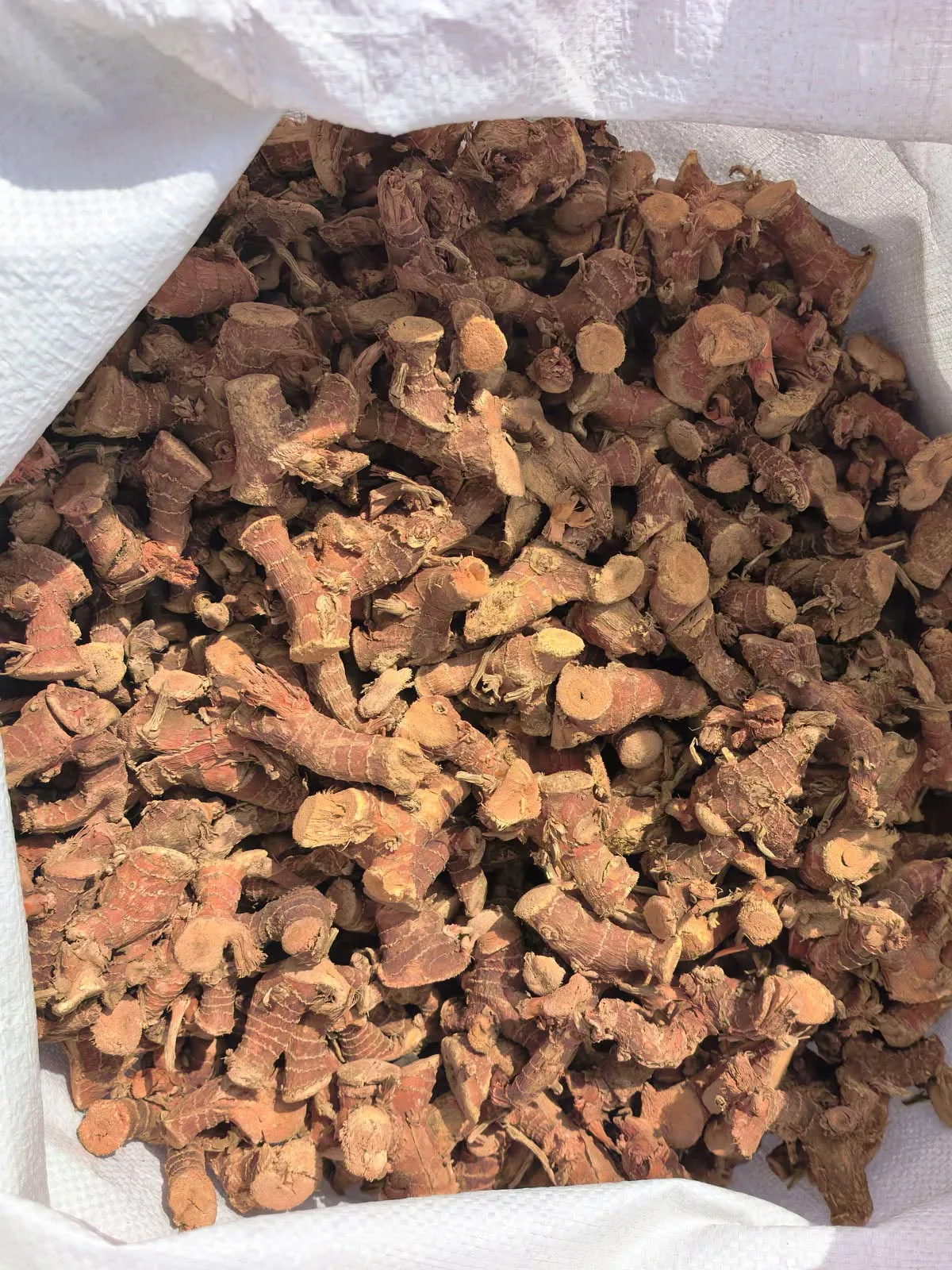
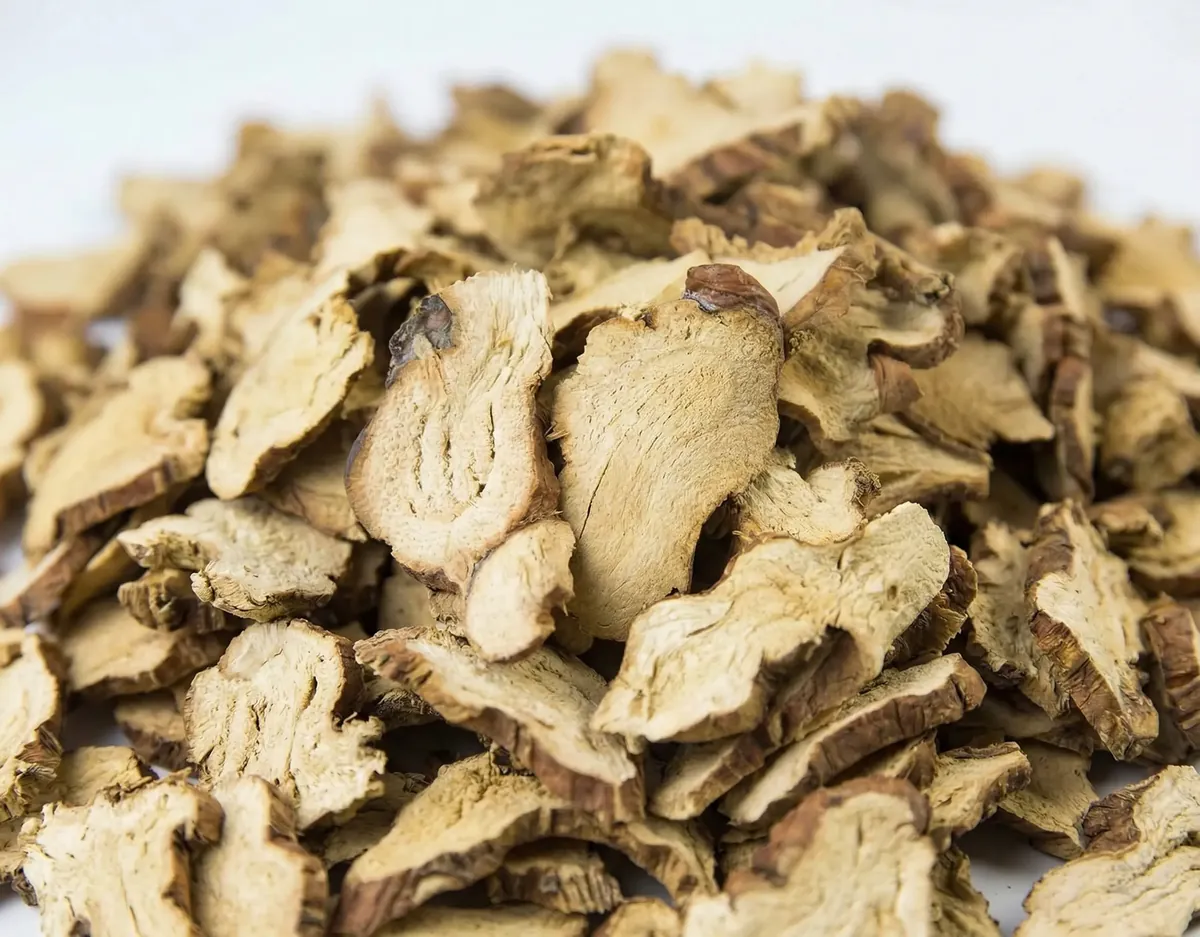
Dried galangal slices
- Cut
- Buyer-defined
- Basis
- Approved sample
Market notes
Access to most of the retail and food service channel here runs through kosher certification. It is not a version of any other certification we hold, and treating it as one would be the fastest way to waste your time.
Short answer: For a galangal quotation to Israel, agree the use, slices or whole/chunk, physical tolerance, moisture, packing, quantity, destination, documents, and trade term. Kosher certification gates most of the retail channel. It is a separate system from halal, and one does not substitute for the other.
Israel has a developed food manufacturing sector and a retail channel where kosher status is not a niche attribute but a condition of shelf access for a large share of products. For an ingredient supplier the consequence is direct: a manufacturer producing certified product needs its inputs to fit that certification, and an ingredient that does not fit cannot be substituted in later.
That produces a buyer conversation with an unusual order. In most markets the specification comes first and the certifications follow. Here the certification question comes first, because it determines whether the rest of the discussion is worth having. A supplier who leads with grade and price is answering a later question.
Alongside the certified channel sits ordinary demand — food service, importers supplying the Asian grocery trade, and manufacturers whose products do not carry certification. Those buyers ask the questions any market asks. The two are worth separating in the first message, because our honest answer differs between them.
| Product | Relevance here | Suggested grade / format | Note |
|---|---|---|---|
| Dried galangal slices | Lead | Buyer-defined cut, sample-led | Bought by manufacturers producing Asian-style products and by importers supplying food service and the grocery channel. |
| Dried galangal whole & chunk | On request | Written piece definition | For buyers reducing in-house rather than buying a finished cut. |
Volumes here are modest and part-container shipments are normal. Format matters less than whether the certification question is settled first.
Both products in detail
We do not currently hold kosher certification, and we would rather say that in the first paragraph than let it emerge after a sample is approved. What we can do is explain the position clearly and let you decide whether it is workable.
Certification is granted by a rabbinical certifying body, and requirements attach to the production process and the facility as well as to the material itself. It is not granted on the strength of another certification, and holding halal certification — which we also do not currently hold — would not substitute for it. Any supplier who implies the two are interchangeable is telling you something useful about how carefully they read.
For the uncertified channel none of this applies, and the conversation is the same as any other market. Tell us which channel you are in and the answer will be direct.
Food safety control and a phytosanitary certificate per consignment apply in the ordinary way. What is worth flagging is timing rather than substance: arrangements here can place obligations on the importer ahead of shipment rather than on arrival, which turns your permit status into a scheduling input for us rather than an administrative detail for you.
Both are certification systems and both concern handling rather than the rhizome itself, and that is where the resemblance ends. The certifying bodies, the standards applied, the supervision arrangements, and the way a certificate is recognised downstream are separate systems. A supplier who treats one as a template for the other will produce an answer that reads wrong to the first buyer who checks it.
Practically, that means we cannot tell you what certification would involve for us here by pointing at what we have looked into for Gulf markets. If your requirement is certified material, the useful thing is to say which body your customer recognises, because that determines what would actually have to be arranged rather than what sounds equivalent.
In most destinations a supplier can quote first and resolve compliance afterwards. Here two gates sit ahead of the commercial discussion — certification and permit — and both belong to the buyer rather than to us. Establishing them at enquiry is not bureaucracy; it is what stops a specification being agreed for a shipment that could not have moved anyway.
Ashdod for most shipments, with Haifa serving the north. The choice follows the buyer's inland position rather than the specification.
Tanjung Priok to Ashdod, sailing schedule and transit stated in the quotation for the booking offered.
Normal rather than exceptional here. Tell us what you actually need — on a market this size a realistic lot is easier to schedule and easier to specify properly than one sized to fill a container.
Where a buyer runs a certified line, questions about how material was stored, handled, and packed at origin can matter as much as what is in it. If your programme requires segregation or specific handling, tell us at enquiry — it is a production decision, not a packing one.
Enquiries arrive in Hebrew and English, and written specifications generally use the English trade term or the botanical name. Anchoring to Alpinia galanga is worth doing where a certifying body or an importer's technical file will read the description, because a name that is unambiguous across languages is easier to document than a trade term that is not.
Commercially, expect a careful first order, expect the certification and permit questions to be settled before price, and expect lead time to be discussed alongside both. A buyer here is managing two gates that we do not control, and being precise about the third — supply — is the useful thing we can offer.
Approve a physical sample before any container commitment. The approved sample becomes the acceptance reference.
Format, tolerances, packing, and documents recorded before production. No verbal promises.
Trial quantities and mixed loads are reviewed before quotation — you are not forced into full-container risk.
No, and we will not imply otherwise. Certification attaches to the facility and the process as well as the material, and it is granted by a rabbinical certifying body rather than inherited from any other certification. If your channel requires it, tell us and we will be straightforward about what would be involved rather than proceeding as though it were a formality.
No. They are separate systems with separate authorities, separate criteria, and separate processes, and one does not substitute for the other in either direction. A supplier treating them as interchangeable is telling you something about how carefully they read requirements generally.
Very little of it. For an uncertified channel the conversation is the same as any other market: specification, sample, documents, and schedule. Say which channel you are in at enquiry and we will skip what does not apply to you.
That is a question for your broker on the current arrangement for this commodity, and it is worth asking before the booking rather than after. Where a permit has to be held in advance, the buyer's paperwork sets the earliest possible sailing date — not our production schedule.
Tell us what the requirement actually is and we will answer honestly about whether we can meet it. Segregation is a production decision rather than a packing one, so it has to be agreed before a lot is made rather than applied to a lot that already exists.
Destination is pre-filled. Tell us the product, the volume, and whether your channel requires certification — that answer decides whether the rest of the conversation is useful.
Complete briefs receive a substantive reply from the export desk — not an autoresponder. Incomplete enquiries receive clarifying questions the same day.