Market notes

Indonesia Galangal Dried Supplier for Italy

Almost nobody here is buying galangal to use themselves. The Italian buyer is usually a middleman for a manufacturer in another country — which means the specification has to survive being handed on.

Short answer: For dried galangal in Italy, define application, format, physical tolerances, moisture, packing, quantity, destination, documents, and Incoterm. Not an Italian kitchen ingredient — most of it is destined for manufacturers elsewhere in Europe.

Who buys what, and why it differs here

Galangal has no domestic culinary base in Italy. It is not a kitchen ingredient here the way it is in Malaysia or even France, and pretending otherwise would be the fastest way to write a page no Italian buyer recognises. Demand comes from ingredient houses and the Asian food wholesale trade concentrated around Milan and the northern industrial belt.

What follows from that is the thing worth planning around: much of the material is destined for manufacturers in other countries rather than for Italian tables. Your counterpart is frequently buying on behalf of someone they will never introduce you to, which changes what the specification has to do. It must be complete enough to be forwarded intact, because it will be — and any gap in it becomes a question the buyer cannot answer without coming back to us.

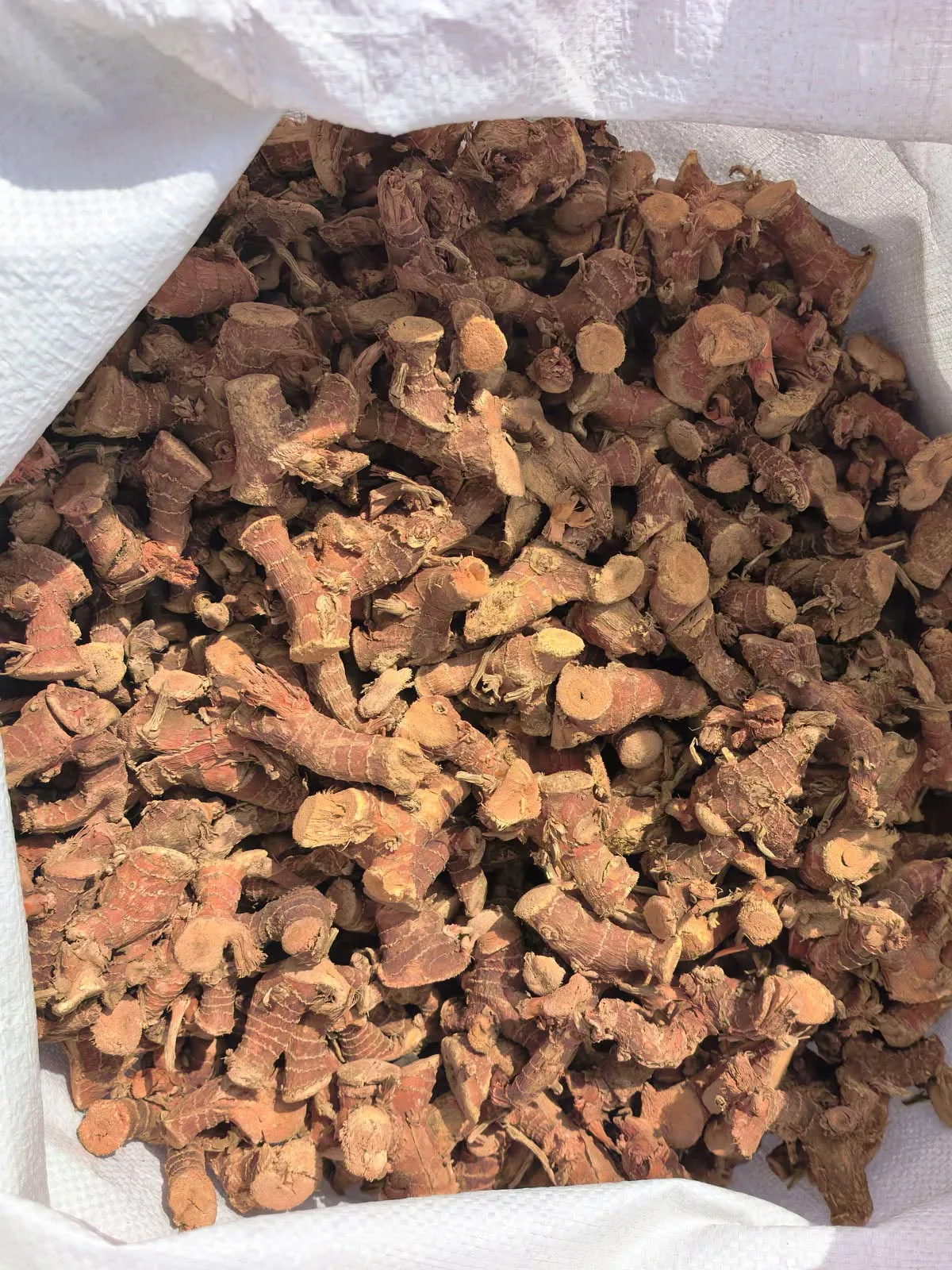
A smaller grinding and repacking trade sits alongside it, serving wholesalers who sell on under their own labels. Those buyers work from piece definition and yield rather than from slice appearance, which makes whole or chunk the more natural line for them.

Product fit for this market

Relevance by product — Italy
Product Relevance here Suggested grade / format Note
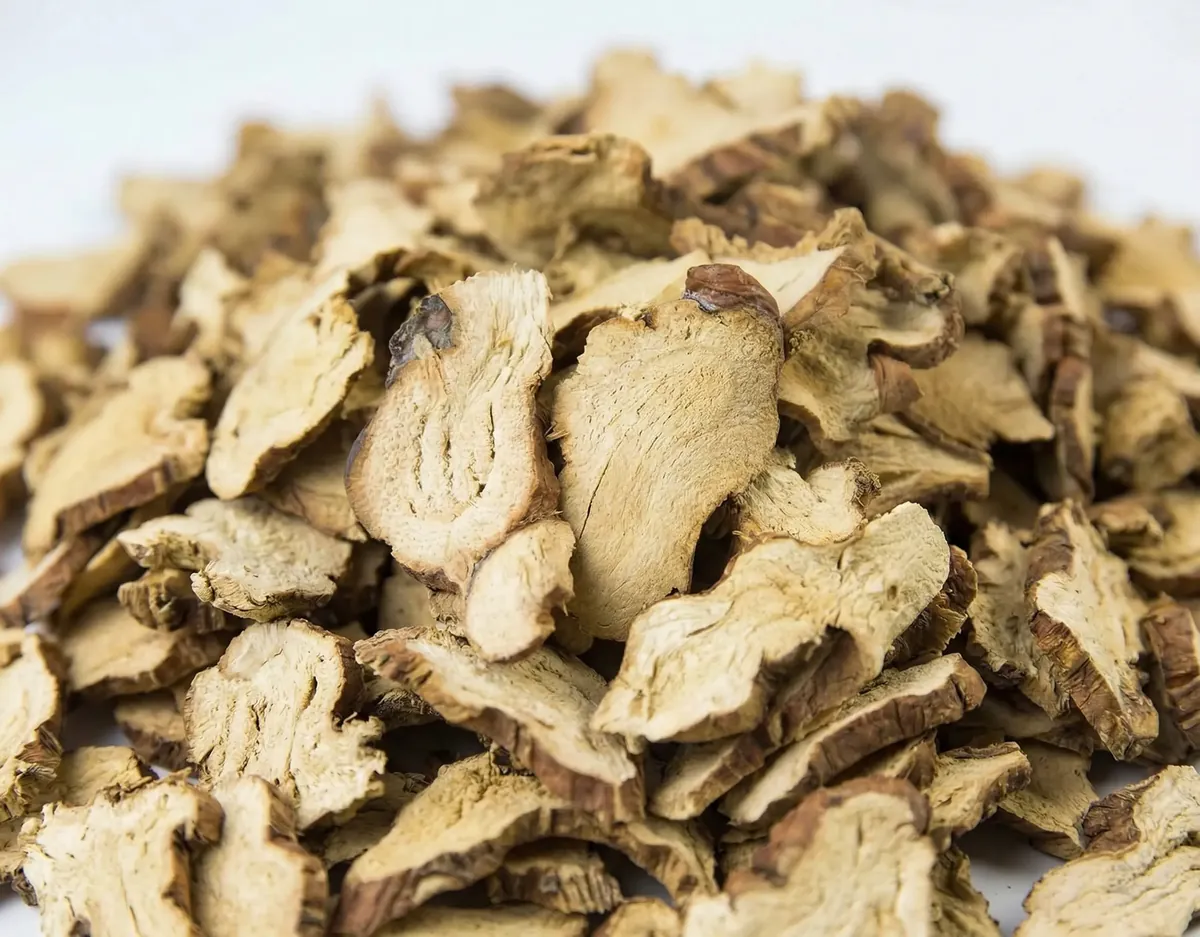
Dried galangal slices Lead Buyer-defined cut, sample-led Ingredient houses and northern wholesale, frequently supplying manufacturers outside Italy.
Dried galangal whole & chunk On request Written piece definition Grinders serving that same northern wholesale channel.

Tell us whether you consume the material or redistribute it. The specification and the paperwork answer to different people in each case.

Both products in detail

Import requirements, and who the documents have to satisfy

The European layer

Dried spice enters under EU food law, with residue and mycotoxin limits checked at the border control post handling the consignment, and travels with a phytosanitary certificate. None of that is particular to Italy, and a supplier who presents it as though it were is padding a page rather than informing you.

What is particular: the document has to travel further

A manufacturer who consumes the material needs a specification and the figures for the lot delivered. An intermediary needs those and something more — a form of the same information they can forward to their own customer, and produce again when that customer asks months later. That is an ordinary request, and we would rather build it into the first shipment than reconstruct it from records afterwards.

Selling to someone who will not use the material

Most of the specification conversations on this list end with a production process. Here they often do not. A buyer who redistributes rather than consumes is not asking what the material will do in their plant; they are asking whether it will satisfy customers they have not named and cannot fully predict.

That produces a distinctive kind of caution. Such a buyer would rather have a specification they can pass on intact than one that is optimal for any single use, and would rather be told the range a lot sits in than the best figure it reached. It reads as conservatism; it is actually them managing a risk they cannot inspect.

What we can do about a customer we never meet

Since the end user is beyond our sight, the useful contribution is documentation that survives being forwarded: figures for the lot actually shipped, a description that does not need our explanation, and consistency between what the papers say and what the packs are marked with.

The failure mode here is not a wrong specification but an unanswerable question — a customer two steps away asking something the paperwork cannot settle, at a point where going back to origin is slow enough to cost the sale. Issued properly at shipment, that question answers itself.

Where the material is repacked

Where a distributor repacks under their own label for onward sale, pack weight consistency and appearance become the parameters that generate complaints — not the ones a manufacturer would raise. Say so at enquiry and the specification is written around the packing line rather than around a production process.

Route and packing

Port of discharge

Genoa and La Spezia serve the north and the industrial belt; Naples and Salerno are the practical choice when the buyer sits in the southern growing regions. Inland cost between those two options is large enough to belong in the enquiry.

Transit

Tanjung Priok to Genoa and to Naples, stated in the quotation for the booking offered.

Breaking a container across members

Where a cooperative splits one container between several farms, labelling and pallet-level identification matter more than container-level documentation. Tell us how many drop points the load serves and the loading plan is built for it.

Summer arrival in the south

Material landing at a southern port in high summer may wait outdoors before redistribution. Wrapping and pallet integrity are specified for that wait where it is expected, rather than for an immediate move into covered storage.

Terminology and commercial norms

Galanga is a trade word here rather than a kitchen one. That cuts both ways: nobody will judge your material by eye the way a Malaysian buyer would, but nobody will forgive a vague description either, because the specification is all they have to work from. It rewards a supplier willing to write things down and punishes one who is not.

Commercially, T/T is standard. Where a cooperative buys for its members, expect more than one decision-maker and a longer path to a first order than a single-grower negotiation would take. That is worth planning for rather than pushing against: the same structure that slows the first shipment tends to make the second one larger.

How a first order into Italy is de-risked

  1. Sample first

    Approve a physical sample before any container commitment. The approved sample becomes the acceptance reference.

  2. Written specification

    Format, tolerances, packing, and documents recorded before production. No verbal promises.

  3. Start small

    Trial quantities and mixed loads are reviewed before quotation — you are not forced into full-container risk.

Questions from Italian buyers

We buy for a group of growers. Can one specification cover all of them?

Usually yes, and it is the normal case here rather than an awkward one. We write the specification to a range that works across the systems your members run, then hold it steady across deliveries. Where one member needs something genuinely outside that range, it is cleaner to treat it as a separate line than to widen the tolerance for everyone.

Can one container be delivered to several of our members?

Yes, provided we know before loading. Multiple drop points change how the container is stuffed and how pallets are labelled, and neither can be fixed after arrival without rehandling the whole load. Give us the number of destinations and the split you want.

Galangal is not an Italian ingredient. Why would we buy it from you?

Most Italian enquiries we would expect for it are not for Italian kitchens — they come from ingredient houses and wholesalers supplying manufacturers elsewhere. If you are not supplying that channel, the honest answer is that we are probably not the right conversation — and we would rather say so than sell you a line your own customers will not ask for.

Request a quotation basis for Italy

Destination is pre-filled — change it to Naples or Salerno if that serves the south better. Say whether you consume the material or redistribute it.

Complete briefs receive a substantive reply from the export desk — not an autoresponder. Incomplete enquiries receive clarifying questions the same day.

Opens WhatsApp with your brief filled in. Nothing is stored on this site.

WhatsApp