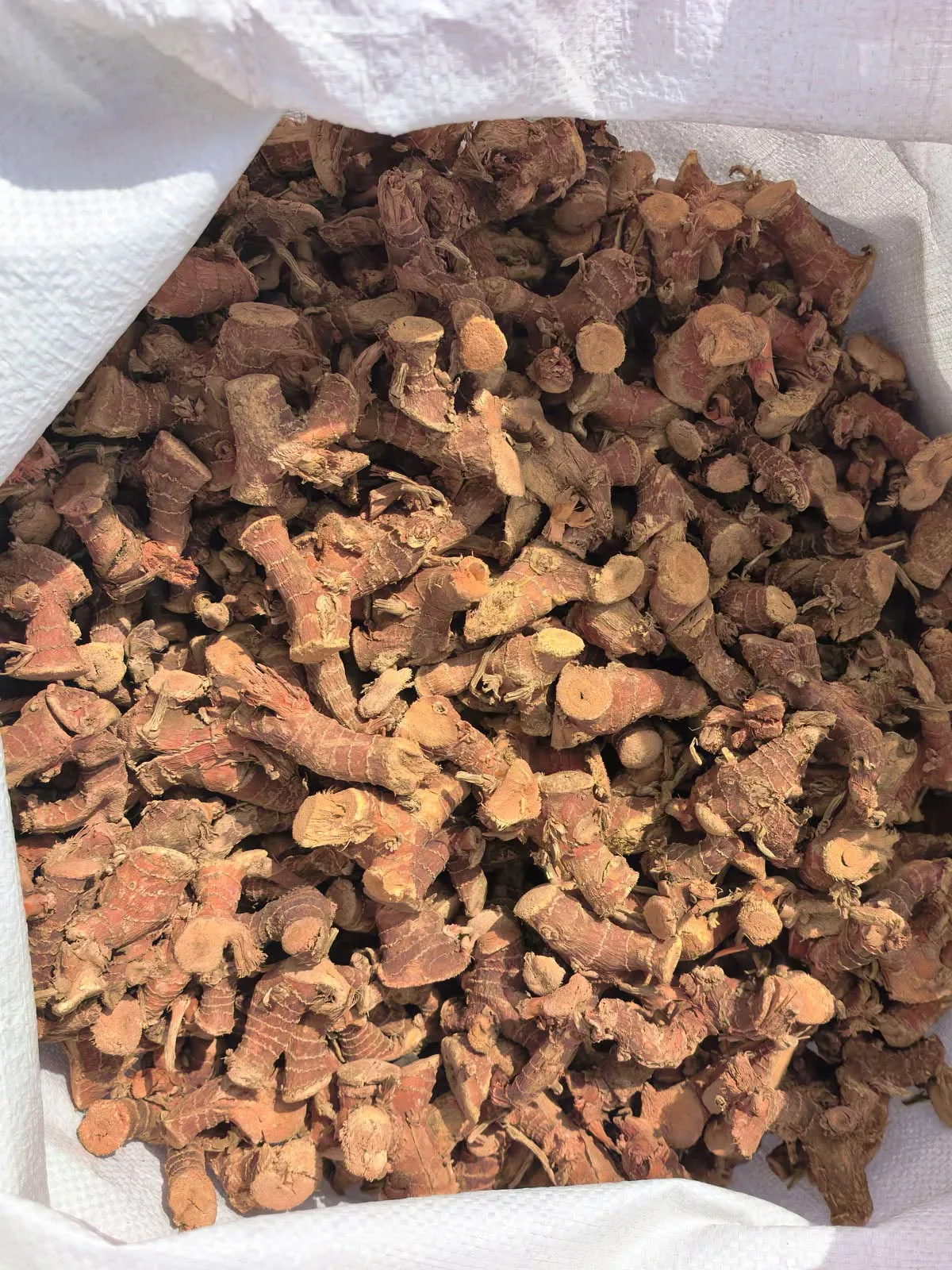
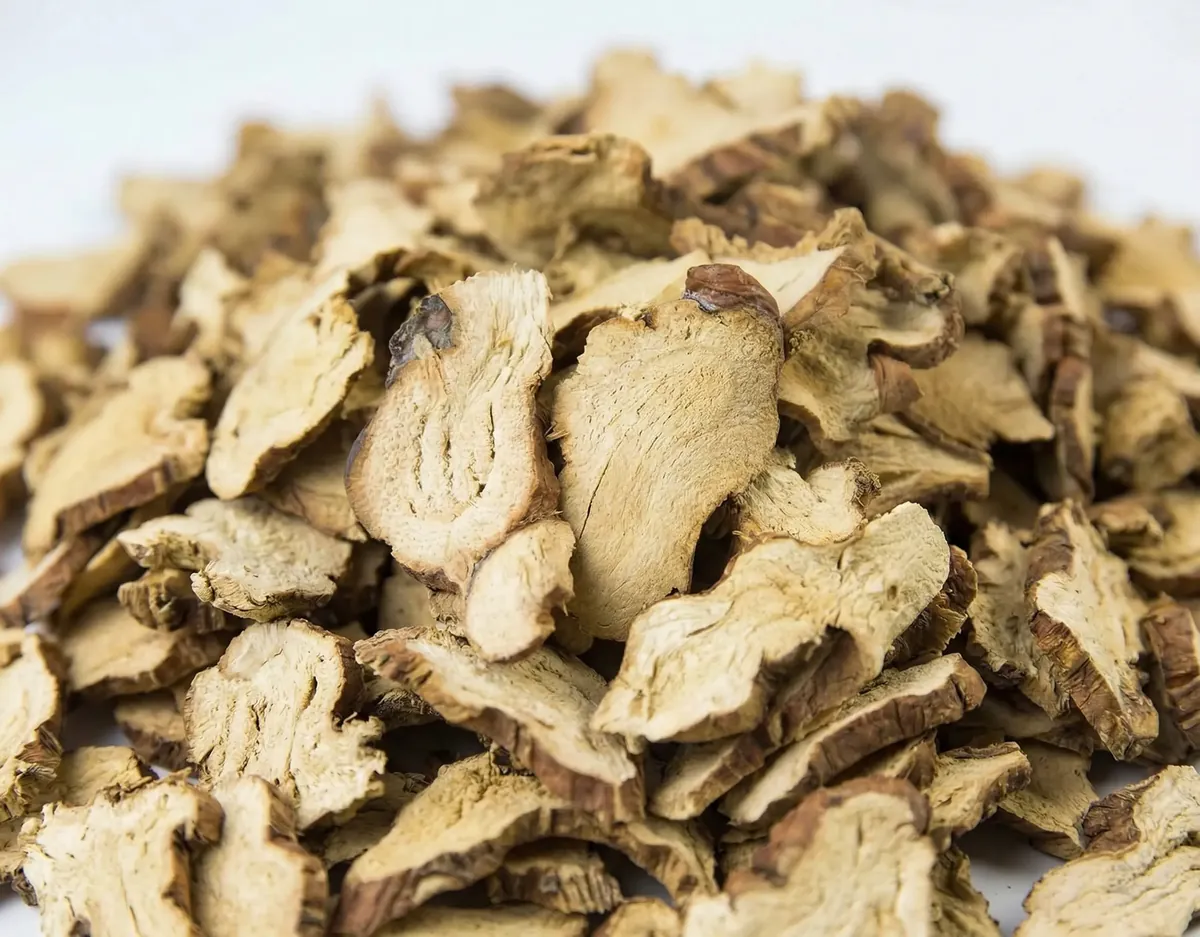
Dried galangal slices
- Cut
- Buyer-defined
- Basis
- Approved sample
Market notes
Every other destination we ship to is reached by sea. This one finishes its journey on a train, and almost everything a supplier normally assumes about transit, temperature, and packing has to be reconsidered.
Short answer: Galangal buyers serving Kazakhstan should confirm use, format, cut or piece range, moisture, packing, volume, destination, documents, and trade term. The one destination that finishes its journey on a train. Transit is a sum of two legs, and the risk on land is temperature rather than humidity.
Demand for an ingredient like this is modest, and there is no reason to present it otherwise: food manufacturers producing Asian-style products, importers supplying a restaurant sector concentrated in the larger cities, and distributors who use the country as a base for the wider region. The last group is the reason volumes are not always what a population figure would suggest.
What makes it worth a page of its own is not the volume but the journey. Kazakhstan has no sea access. Cargo from Indonesia arrives at a Chinese port and continues overland by rail, which means the delivered timeline is two legs rather than one, and only the first of them is something an ocean forwarder can quote.
A supplier who quotes the sea leg and calls it transit has answered a question the buyer did not ask. Everything useful about this destination follows from taking the whole journey seriously.
| Product | Relevance here | Suggested grade / format | Note |
|---|---|---|---|
| Dried galangal whole & chunk | Lead | Written piece definition | A larger piece survives a long overland leg and repeated handling better, and buyers here generally reduce material themselves. |
| Dried galangal slices | On request | Buyer-defined cut, sample-led | Where a defined cut goes straight into a blend, accepting that a finer cut is more exposed to handling on this route. |
Consolidated and part-container lots are normal here. Format follows the journey as much as the process.
Both products in detail
The delivered timeline here is the sea leg to a Chinese port, the transfer, and the rail leg inland — plus border formalities on the way. Each part has its own variability, and quoting only the first understates the whole by a wide margin. We would rather state both legs and the transfer separately than give one number that cannot be planned against.
On an ocean route the risk to dried spice is condensation as the container moves through changing humidity. On a long inland rail leg the dominant risk is different: wide temperature swings between day and night and across seasons, in a container that is not being ventilated by anybody. Packing chosen for a sea crossing is not automatically the right packing for this, and the liner decision in particular is worth making with the land leg in mind.
An ocean forwarder can quote confidently to a port because the leg is theirs. Beyond that discharge point the cargo is on somebody else's network, and the honest position is that we are relaying an estimate rather than making a commitment. We would rather say that than present a single door-to-door figure with a false air of precision.
The practical answer is to agree the ocean leg as a date we own and the inland leg as a range your side controls, so that when it moves — and it does move — it is clear which part moved and who is placed to do something about it.
Cargo crosses at least one additional frontier between the port of discharge and the final destination. That is routine freight forwarding rather than an obstacle, but it means documents have to be complete and consistent for a movement that is not the one they were originally issued for. Complete and unambiguous beats minimal here.
Sea from Tanjung Priok to a Chinese port, then rail inland to Almaty or the buyer's nearest terminal. Alternative routings exist through other corridors and are worth comparing rather than assuming.
Ask your forwarder to price the sea leg and the rail leg separately and state the transfer time between them. A single delivered figure that hides the split is difficult to plan against and impossible to troubleshoot when one leg slips.
Liner and outer choices are made with temperature cycling in mind rather than only sea humidity, and the outer has to survive a transfer between modes as well as the journeys either side of it. Tell us the routing and the pack is specified for it.
Part-container and consolidated shipments are normal on this corridor. Tell us what you actually need — on a route with this many moving parts, a realistic quantity is easier to plan than an aspirational one.
Enquiries arrive in Russian, Kazakh, and English. Because documents on this route are read by parties in at least three countries, anchoring the specification to Alpinia galanga is more useful here than in a single-jurisdiction market — it is the description that survives translation and re-presentation at a border that was not the destination.
Commercially, expect lead time to dominate the discussion, because it genuinely is the variable with the widest range. Settle the routing and the two legs before the price conversation and the rest follows more easily than it would in the other order.
Approve a physical sample before any container commitment. The approved sample becomes the acceptance reference.
Format, tolerances, packing, and documents recorded before production. No verbal promises.
Trial quantities and mixed loads are reviewed before quotation — you are not forced into full-container risk.
Two figures rather than one: the sea leg to the port of discharge and the rail leg inland, plus the transfer between them. Any supplier giving you a single number has either quoted only the sea leg or estimated the rest. We would rather show the split, including where it is most likely to move.
Usually yes. The dominant risk on the land leg is temperature cycling rather than sea humidity, and the outer also has to survive a transfer between modes. Tell us the routing your forwarder is offering and the liner and outer are chosen for it rather than for the crossing alone.
That is a question for your forwarder on the specific corridor, and it is worth asking before the booking. From our side the principle is simple: documents are issued complete and unambiguous rather than minimal, because they will be presented for a movement they were not originally written for.
Yes, and it is normal on this corridor rather than a concession. Tell us what you actually need — with this many moving parts, a realistic lot is easier to schedule and easier to trace than one sized to fill a container.
Sometimes, and if your requirement is served well by regional supply that is a fair answer. Where Indonesian origin is wanted for a profile or specified by a customer, the route is longer but entirely workable — provided it is planned as two legs rather than treated as one.
Destination is pre-filled. Tell us the product, the quantity, and the routing your forwarder is offering — on this corridor the routing shapes the packing and the timeline more than the volume does.
Complete briefs receive a substantive reply from the export desk — not an autoresponder. Incomplete enquiries receive clarifying questions the same day.