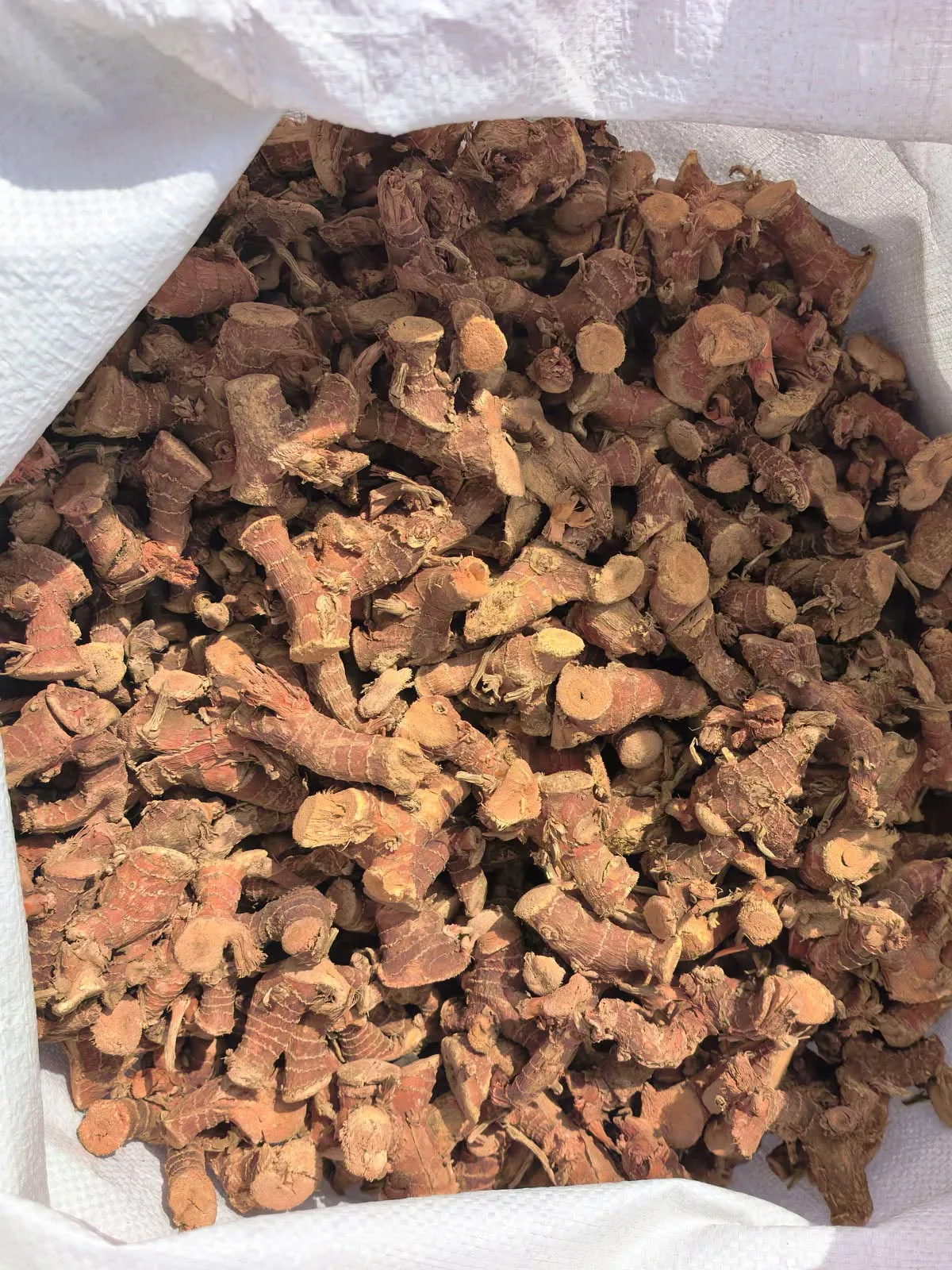
Dried galangal slices
- Cut
- Buyer-defined
- Basis
- Approved sample
Market notes
The one destination where the assessment that decides clearance may happen in our warehouse rather than at yours. Where a pre-shipment conformity check applies, it is the supplier who has to be ready — and ready on a date set by someone else.
Short answer: A galangal enquiry for Kenya should state use, slices or whole/chunk, cut or piece tolerance, moisture, packing, volume, destination, documents, and trade term. The inspection that decides clearance can happen at our end before loading, not at theirs after arrival.
Demand for an ingredient like this comes from food manufacturers producing seasonings and prepared foods, from importers supplying a well established South Asian and Middle Eastern food channel, and from distributors who use the country as a base for the wider region.
None of that is unusual on its own. What sets this destination apart is where the decisive check on a consignment can take place. In most markets on this list our material is assessed after it arrives; here it may have to be assessed and certified before it leaves, by a body appointed for that purpose rather than chosen by either of us.
That inverts who carries the readiness risk. A buyer elsewhere can chase a document after the fact; on this route a missing pre-shipment certificate is not a paperwork problem to be resolved later, because the goods should not have sailed without it.
| Product | Relevance here | Suggested grade / format | Note |
|---|---|---|---|
| Dried galangal slices | Lead | Buyer-defined cut, sample-led | Manufacturers and importers supplying the retail and food service channel. |
| Dried galangal whole & chunk | On request | Written piece definition | Repackers and grinders reducing in-house. |
Confirm early whether a pre-shipment conformity check applies to this commodity. It changes the earliest sailing date more than the specification does.
Both products in detail
Under a scheme of this kind, a designated body inspects the consignment in the country of export and issues a certificate against it. The certificate travels with the goods and clearance at destination depends on it. The inspection is of the actual lot rather than of a description of it, and it happens on a date the inspecting body sets rather than one we choose.
Almost every other requirement on this list is discharged by the buyer: a permit obtained, a registration held, a notification made. This one is discharged at our end. The material has to be finished, packed, marked, and available for inspection before it can be booked, which means our production schedule has to accommodate a step that belongs to a third party.
The practical consequence for you is a date rather than a document. A supplier who treats the inspection as an administrative formality quotes a sailing they cannot make. We would rather build the step into the schedule from the first quotation and be held to a date that includes it.
An inspector examining goods in a warehouse is looking at what is there, not at what a specification says should be there. That favours the discipline this desk already works to — material finished to the agreed figure rather than to a typical one, marks that match the documents, and quantities that reconcile without explanation.
It also removes a common source of dispute. Where a lot has been examined and certified before sailing, an arrival disagreement has a documented reference point that neither side wrote. That is worth something to a buyer taking a first shipment from an unfamiliar supplier, and it is a reason not to resent the step.
Alongside any pre-shipment scheme, imported food is subject to national food safety control and plant material travels with a phytosanitary certificate, with conditions confirmed per consignment. Those are the ordinary requirements and your broker confirms the detail for this commodity and origin.
Some consignments landing at Mombasa are destined for markets inland rather than for use here, and those markets set their own conditions. If that applies, say so at enquiry: the document set is built for where the goods finally enter, and a certificate issued for one destination does not automatically answer another.
Mombasa handles the great majority of containerised import for the country and for a good deal of the region behind it. Where a consignment continues inland, the onward leg is a larger share of the landed cost than the sea leg is.
Tanjung Priok to Mombasa, stated in the quotation for the booking offered. Where a pre-shipment check applies, the quotation states the earliest sailing after inspection rather than the earliest sailing available.
Material has to be finished, packed, and marked before it can be examined, so the production date and the shipping date are further apart here than on other routes. Tell us your required arrival date and the schedule is built backwards from it with that gap included.
Lot marks, pack counts, and the description on the documents have to agree without anyone having to explain them. That is good practice everywhere and a condition of passing here, so it is specified before production rather than tidied up afterwards.
The sea leg runs through consistently warm water and material often waits before use. Liner and ventilation are agreed against the routing actually booked, and the figure that matters is the one at the point of use rather than at the rail.
Enquiries arrive in English and use the English trade term, and the botanical name Alpinia galanga settles which rhizome is meant where an offer lists several. Because a third party may read our documents before the buyer does, consistency between the offer, the invoice, and the packing list matters more here than the wording of any one of them.
Commercially the pattern follows established import trade practice. What is worth raising early is the inspection step rather than the terms, because it is the only part of this transaction whose timing neither of us controls.
Approve a physical sample before any container commitment. The approved sample becomes the acceptance reference.
Format, tolerances, packing, and documents recorded before production. No verbal promises.
Trial quantities and mixed loads are reviewed before quotation — you are not forced into full-container risk.
That is the first thing to confirm, and your broker can answer it faster than we can. We do not name schemes or inspecting bodies here because appointments change and a stale name is worse than none. Tell us the answer and we build the step into the schedule.
Enough that we quote the earliest sailing after inspection rather than the earliest sailing available. The material has to be finished, packed, and marked before it can be examined, so the production date and the shipping date sit further apart here than on other routes.
It does not sail, which is the point of the step. That is why we specify to the agreed figure rather than to a typical one and make sure marks, counts, and documents reconcile before an inspector sees them — the check is of the goods in the warehouse, not of the description.
It gives an arrival disagreement a reference point that neither of us wrote, which is worth something on a first shipment from an unfamiliar supplier. It does not replace your own incoming checks and we would not suggest it does.
Yes — the market where the goods finally enter sets its own conditions, and a certificate issued for one destination does not automatically answer another. Say so at enquiry, because the document set is built for the final entry point rather than for the port.
Destination is pre-filled. Tell us whether a pre-shipment conformity check applies and whether the cargo continues inland — both change the date more than the specification does.
Complete briefs receive a substantive reply from the export desk — not an autoresponder. Incomplete enquiries receive clarifying questions the same day.