Market notes

Indonesia Galangal Dried Supplier for Mauritius

The one destination where our lot usually travels in a container it does not fill, next to cargo we did not pack and cannot see. That is a normal way to ship here, and it changes the packing brief more than the specification does.

Short answer: For dried galangal in Mauritius, define application, format, physical tolerances, moisture, packing, quantity, destination, documents, and Incoterm. Our lot travels in a container it does not fill, alongside cargo we did not pack — which changes the packing brief and the risks.

Who buys what, and why it differs here

Buyers are food importers supplying retail and the wholesale trade, manufacturers producing sauces and prepared foods, and distributors serving the hotel and restaurant sector. The ingredient is already understood here — it does not have to be introduced, explained, or justified against a substitute, which removes a stage that most destinations on this list still require.

The market is small and there is no reason to present it otherwise. What follows from that size is the thing worth a page: order quantities are frequently below a full container, so a part load is the ordinary way to ship rather than a concession we make for a first order.

Every other page on this site is written on the quiet assumption that a container holds one consignment of ours. Here it usually does not, and the consequences are practical rather than theoretical.

Product fit for this market

Relevance by product — Mauritius
Product Relevance here Suggested grade / format Note
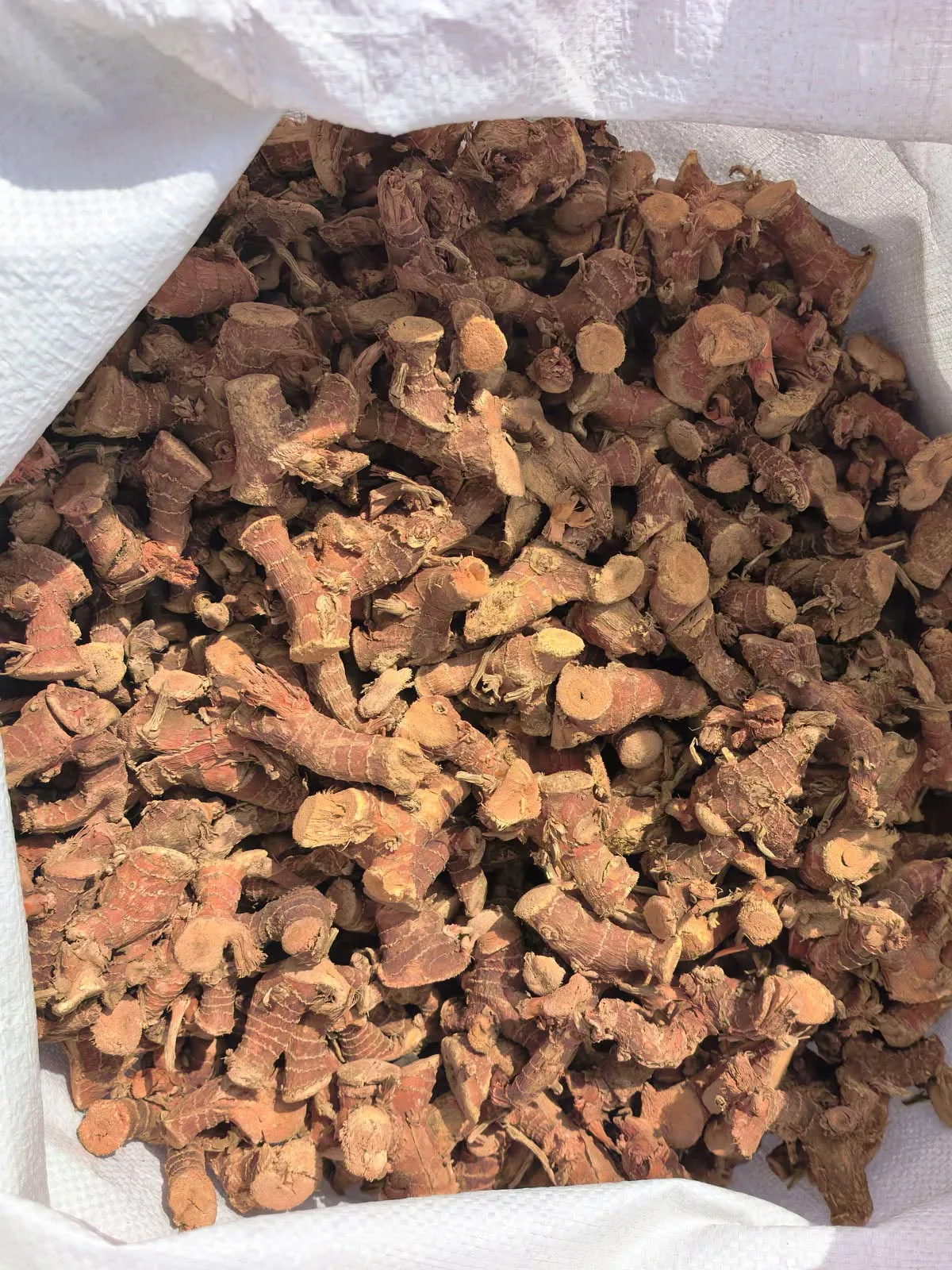
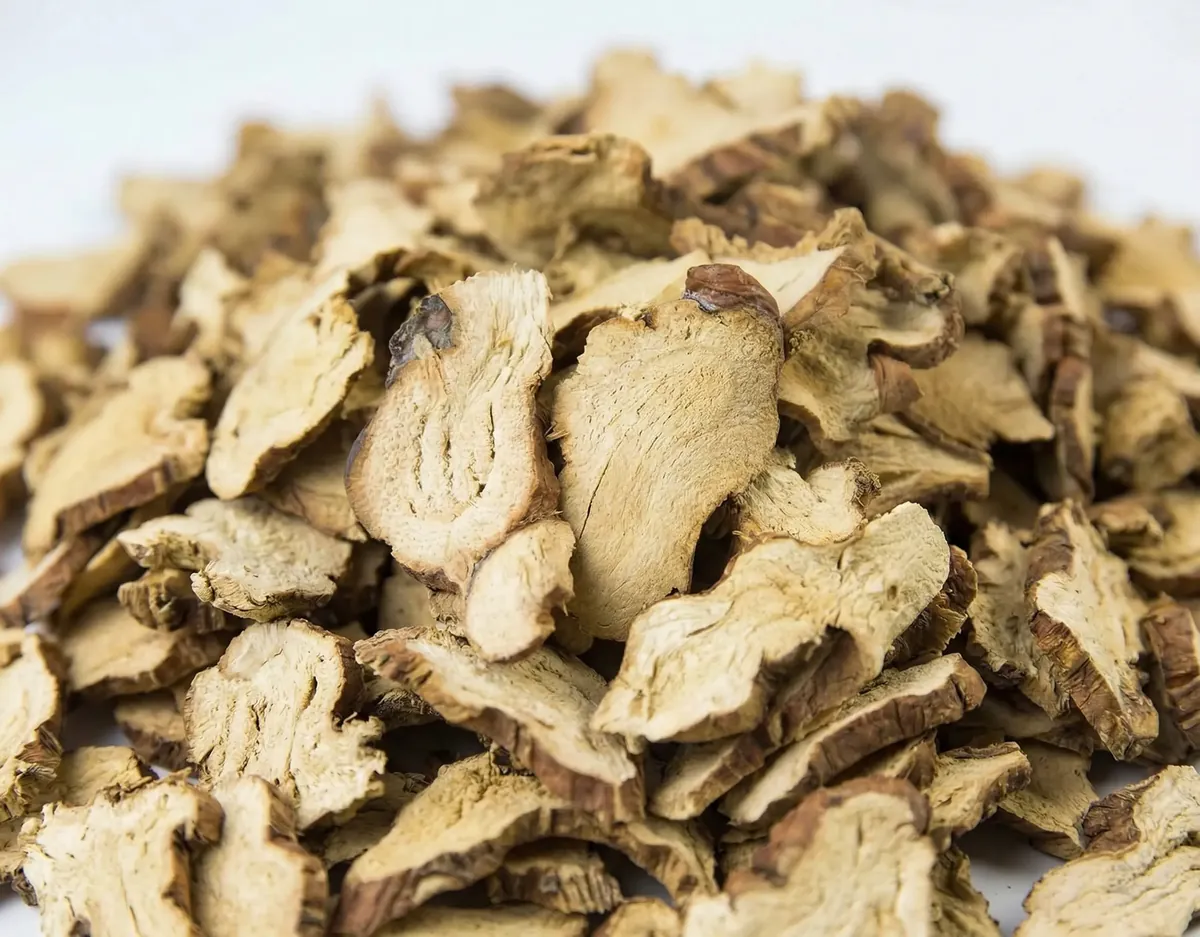
Dried galangal slices Lead Buyer-defined cut, sample-led Importers and manufacturers buying a familiar ingredient in modest, regular quantities.
Dried galangal whole & chunk On request Written piece definition Repackers and the wholesale trade where material is reduced closer to use.

Part loads are the normal case here. Tell us the quantity you actually need rather than rounding up — how it ships changes the packing brief.

Both products in detail

What changes when the container is not all ours

Taint is the risk nobody quotes for

Dried spice takes up odour from what is around it. In a full container that is a question about our own packing; in a shared one it is a question about cargo we did not choose, cannot inspect, and will not be told about in advance. It is the single most likely way a lot arrives technically within specification and commercially unusable.

What we can do about it is specific rather than reassuring: seal at the inner pack rather than relying on the outer, specify a barrier appropriate to a shared hold, and ask your forwarder whether the consolidator separates foodstuffs from non-food cargo. A supplier who does not raise this on a groupage booking has either not thought about it or is hoping.

Someone else's paperwork can hold your goods

In a consolidated container, a customs question about any consignment inside it can delay the whole box. Our documents being in order protects us from being the cause; it does not protect the cargo from being the effect. That is a real limit on what any supplier can promise about arrival dates on this route.

We would rather state that limit than quote a date as though we controlled it. What we can control is not being the consignment that causes the hold — which is why the description on our documents matches the goods exactly and the marks reconcile without anyone having to ask.

Packing has to survive a warehouse that does not know what it is

A part load is handled more times than a full one: into a consolidation warehouse, stowed against other cargo, unstuffed at destination, and separated before delivery. The people doing that handling are working from marks on the outside, not from a specification.

So the outer is specified for handling rather than for stacking economics, and lot identity is marked on inner packs as well as outers. On a full container that is good practice. Here it is what keeps a part load identifiable after it has been separated from everything it travelled with.

Import control

Imported food is subject to national food safety control and plant material travels with a phytosanitary certificate, with conditions confirmed per consignment. The requirements applying to dried rhizome of Indonesian origin are for your broker to confirm for that combination before the first booking.

Why a small regular order suits this route better than a large occasional one

Because part loads are normal, there is no penalty here for ordering to actual consumption rather than to container economics. A buyer who takes a modest quantity regularly holds less stock, carries less risk on a product that is sensitive to storage conditions, and gets material that has spent less time in a warehouse.

The trade-off is that each shipment carries the shared-container risks above rather than spreading them across one large arrival. That is worth deciding deliberately rather than by default, and it is a conversation better had at enquiry than after the second shipment.

Route and packing to Port Louis

Port of discharge

Port Louis serves the island. Most consolidated cargo from this region routes through a transhipment hub rather than sailing direct, so the number of transfers matters more here than the port choice does.

Transit

Tanjung Priok to Port Louis, stated in the quotation for the booking offered. For a part load we quote the consolidation cut-off as well as the sailing, because the two together decide the date rather than the sailing alone.

Sealing against a shared hold

Barrier and seal are specified at the inner pack rather than left to the outer, because in a shared container the outer is not the last line of defence. This is agreed before production rather than added at the packing stage.

Marks that survive separation

Lot identity appears on inner packs as well as outers, and the description on the documents matches the marks exactly. A part load is separated from everything it travelled with before it reaches you, and anything not written on the pack is gone by then.

Moisture on a warm, multi-transfer route

The routing is warm throughout and a consolidated box spends time stationary at transfer points. Liner and ventilation are agreed against the routing actually booked, and the arrival figure is specified rather than assumed.

Terminology and commercial norms

Enquiries arrive in English and French and the ingredient is referred to by names already in local use, so a description rarely needs explaining. Where precision matters the botanical name Alpinia galanga settles it — useful here mainly because documents may be read by a consolidator and a broker before they reach the buyer.

Commercially, expect part-load terms and a preference for regular modest shipments over occasional large ones. What is worth raising at enquiry is how the goods will be consolidated, because that decides the packing brief — and unlike the specification, it cannot be adjusted once the material is made.

How a first order into Mauritius is de-risked

  1. Sample first

    Approve a physical sample before any container commitment. The approved sample becomes the acceptance reference.

  2. Written specification

    Format, tolerances, packing, and documents recorded before production. No verbal promises.

  3. Start small

    Trial quantities and mixed loads are reviewed before quotation — you are not forced into full-container risk.

Questions from Mauritian buyers

Our order will not fill a container. Is that a problem?

No, it is the normal case here and there is no penalty for ordering to actual consumption. What changes is the packing brief rather than the specification, so tell us the quantity you actually need instead of rounding up to a container.

Can our goods pick up odour from other cargo in the container?

It is the most likely way a lot arrives within specification and still unusable, and it is why we seal at the inner pack rather than relying on the outer. Ask your forwarder whether the consolidator separates foodstuffs from non-food cargo — that answer changes what barrier we specify.

Can you commit to an arrival date on a part load?

We can commit to production and to the consolidation cut-off. We cannot commit to what happens if another consignment in the same container attracts a customs question, because that delays the whole box and neither of us controls it. We would rather say so than quote a date as though we did.

How do you make sure our lot stays identifiable?

Lot identity is marked on inner packs as well as outers and the document description matches the marks exactly. A part load is separated from everything it travelled with before it reaches you, so anything not written on the pack itself is gone by that point.

Is it better to order small and often, or larger and less often?

Small and regular suits this route and means less stock held on a product sensitive to storage. The trade-off is that each shipment carries the shared-container risks rather than spreading them across one arrival — worth deciding deliberately at enquiry rather than by default.

Request a quotation basis for Mauritius

Destination is pre-filled. Tell us the quantity you actually need and how you consolidate — on this route both change the packing brief more than the specification does.

Complete briefs receive a substantive reply from the export desk — not an autoresponder. Incomplete enquiries receive clarifying questions the same day.

Opens WhatsApp with your brief filled in. Nothing is stored on this site.

WhatsApp