Market notes

Indonesia Galangal Dried Supplier for Mexico

The requirement that actually binds this material is often written by a regulator your buyer does not answer to. Two plants in the same city can need very different specifications, and the difference is where the finished product goes.

Short answer: An answerable galangal brief for Mexico includes application, preferred format, physical tolerance, moisture, packing, order size, destination, documents, and Incoterm. The requirement that binds the material is often written by a regulator the buyer does not answer to. Two plants in one city can need very different specifications.

Who buys what, and why it differs here

Mexico has a substantial food manufacturing base, and a significant part of what it makes is sold across the northern border rather than at home. For an ingredient supplier that produces a split that matters more than any regional preference: a plant producing for domestic consumption and a plant producing for export are, in practice, two different customers with two different compliance worlds.

The export-facing plant carries obligations that originate outside Mexico. Its customer, or its own import programme, will hold it to requirements set by another country's regulator — and those requirements reach backwards down the supply chain to the ingredient. Nothing about that is visible at the Mexican border. It surfaces later, in an audit or a customer questionnaire, which is precisely why it should be surfaced at enquiry instead.

Alongside both sits a domestic trade buying dried spice for the retail and food service channel, asking the questions any distributor asks. Three buyer shapes, one country — and the specification we would propose is genuinely different for each.

Product fit for this market

Relevance by product — Mexico
Product Relevance here Suggested grade / format Note
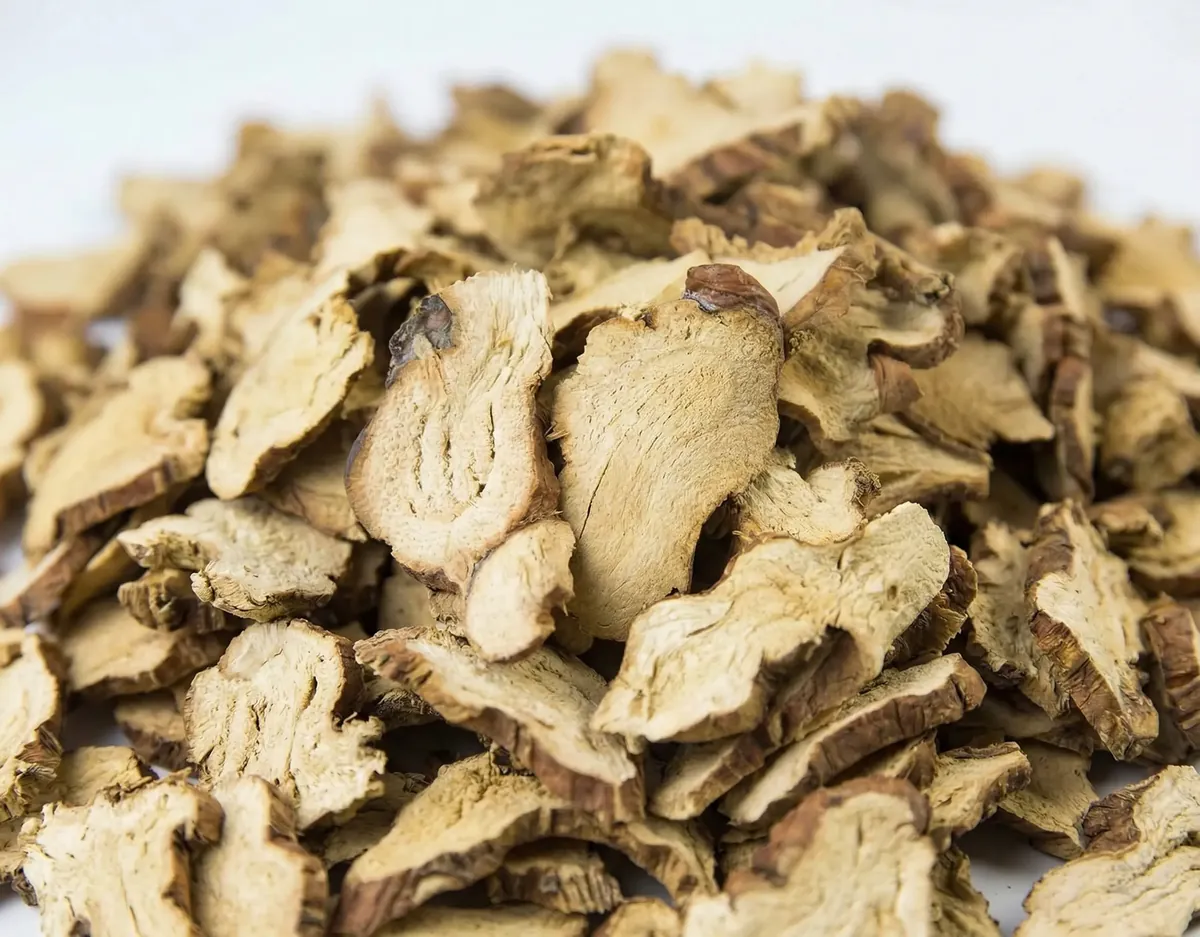
Dried galangal slices Lead Buyer-defined cut, sample-led Bought by manufacturers producing Asian-style sauces and seasonings, where a defined cut feeds a process step.
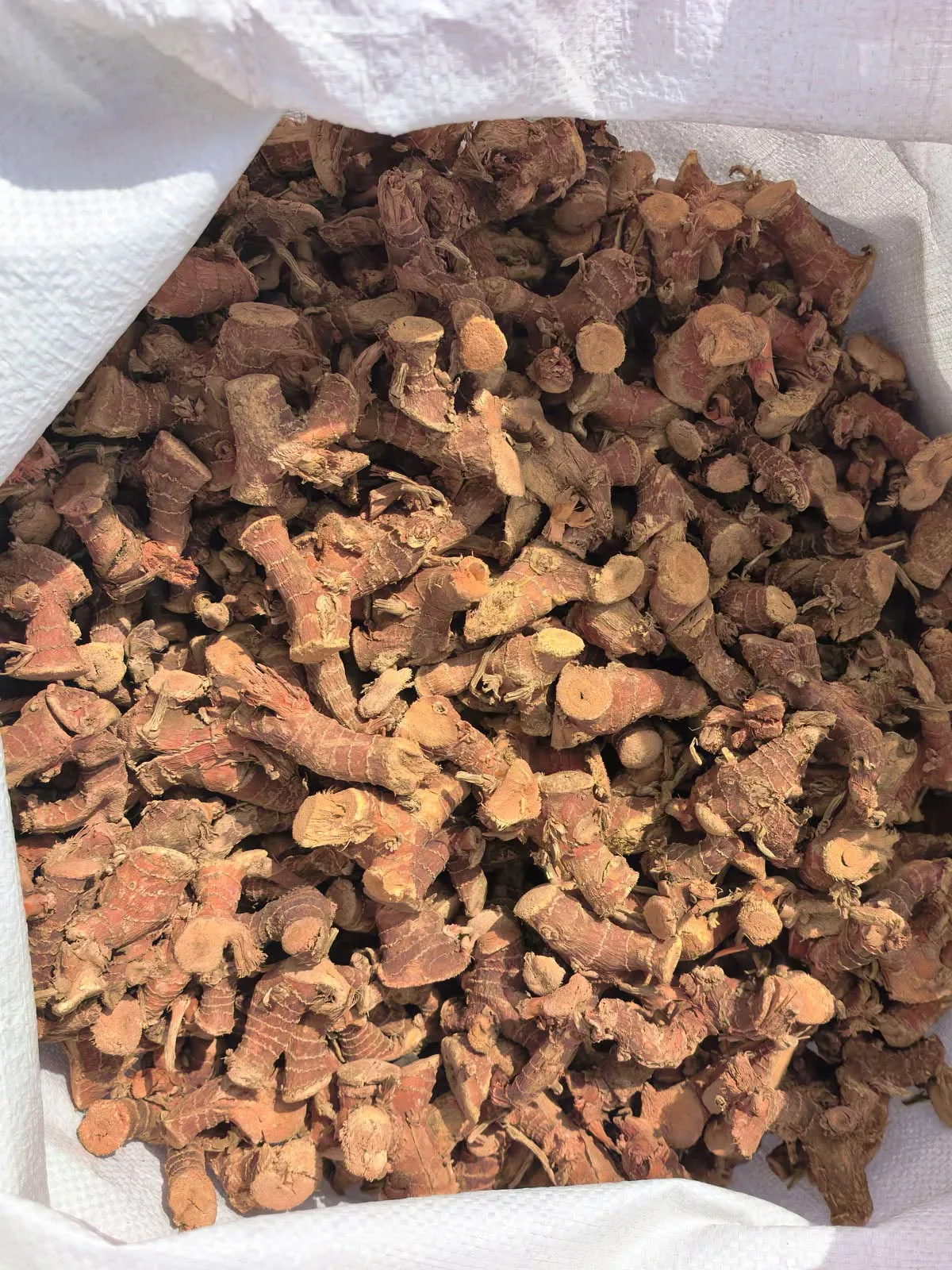
Dried galangal whole & chunk On request Written piece definition For plants milling in-house, where controlling particle size is part of the finished product they sell on.

Format matters less here than destination. Tell us where the finished product goes and the specification follows from that.

Both products in detail

The requirement that arrives from another country

Entry into Mexico

Sanitary control and a phytosanitary certificate per consignment apply in the ordinary way. The one procedural difference worth knowing is that requirements are looked up for a given commodity and origin rather than published as a fixed list, so the conditions for dried galangal from Indonesia are something your broker retrieves for that exact combination. Neither of us should be assuming them.

The requirement that is not Mexican

This is the part that separates buyers here. If the finished product is exported, the importing country's food safety regime reaches back to the ingredients that went into it, and your customer will expect you to be able to evidence what you bought and from whom. The ingredient supplier is not the party filing anything — but the ingredient supplier is the only party who can produce the evidence.

In practice that means the enquiry should say where the finished product is sold. If it crosses a border, the laboratory scope and the document set are built to satisfy the strictest requirement in the chain rather than the one at the Mexican port. Doing it in that order costs nothing extra. Doing it in the other order means re-testing a lot that has already been consumed.

Complying with a rule we are not subject to

There is an oddity in this arrangement worth naming. The obligation that shapes the specification belongs to your customer in another country. We are not subject to it, your consignment is not assessed against it at the Mexican border, and no authority will ever ask us about it directly. It binds anyway, because the finished product it ends up in is assessed against it.

The failure mode this creates is specific: a lot that is entirely compliant for import into Mexico and still unusable for its intended purpose. That is not a border problem and it will not be caught by a border document. It is caught by asking, at enquiry, where the finished product goes — which is why we ask.

Documents that have to answer a question asked later

An audit question about an ingredient usually arrives long after the lot was used. A certificate of analysis tied to a traceable lot, a specification it was measured against, and an origin document that names the material unambiguously are what make that question answerable without coming back to us. Issued once at shipment, they cost nothing. Reconstructed two years later, they may not exist.

Route and packing to Manzanillo

Port of discharge

Manzanillo for most shipments from Asia, and Lázaro Cárdenas where a buyer's inland position favours it. Veracruz serves plants on the Gulf side but is normally reached from Asia by a longer routing.

Transit

Tanjung Priok to Manzanillo, sailing schedule and transit stated in the quotation for the booking offered.

Inland leg

Much of the manufacturing base sits inland rather than at the coast, so the delivered cost is a sea leg plus a substantial haul. Tell us the plant location rather than only the port and the quotation reflects what you will actually pay.

Labelling for a product that is exported again

Where the finished product leaves Mexico, the ingredient description on your documents may be read by someone in a third country. Names that are unambiguous in Spanish, English, and botanically are worth agreeing before production rather than explaining afterwards.

Terminology and commercial norms

Enquiries arrive in Spanish and English, and the trade name used here is galanga. Because a good deal of documentation is read on both sides of the northern border, carrying the botanical name Alpinia galanga alongside the trade name is more useful here than in a single-language market — it is what makes the description survive being read by a party who was not in the original transaction.

The commercial rhythm is set by a manufacturing plan with a committed downstream date, which is why lead time tends to be discussed alongside price here rather than after it. The sea leg from Asia is long and the inland leg from the port is not trivial, so the date a lot is needed on the line is the number that shapes the booking. Tell us whether you are planning steady lots or a small number of larger drops; both work, and they produce different packing briefs.

How a first order into Mexico is de-risked

  1. Sample first

    Approve a physical sample before any container commitment. The approved sample becomes the acceptance reference.

  2. Written specification

    Format, tolerances, packing, and documents recorded before production. No verbal promises.

  3. Start small

    Trial quantities and mixed loads are reviewed before quotation — you are not forced into full-container risk.

Questions from Mexican buyers

We export most of our finished product. Should we specify to Mexican rules or our customer's?

To whichever is stricter, and it is usually not the Mexican one. Tell us where the finished product is sold and the laboratory scope is set against that requirement before shipment. Scoping to the border alone satisfies the entry and leaves you exposed to a question that arrives much later.

Our plant sells only domestically. Does any of that apply to us?

Much less of it, and you should not pay for scope you do not need. Say so at enquiry and the specification is built for the market you actually serve rather than for the strictest one on the list.

An auditor asked us about an ingredient lot from two years ago. Can you help?

Only if the evidence was issued at the time, which is the argument for doing it properly on the first shipment. Certificates tied to a traceable lot and the specification they were measured against can be filed and produced later; a description in an email cannot be reconstructed into one.

Our plant is inland. Which port should we route through?

Tell us the plant location and we will quote against delivered cost rather than the shortest sea leg. Manzanillo is usually the shorter crossing from Asia, but the inland haul can outweigh it depending on where you sit.

Is the material the same as what you ship to your United States customers?

The material is the same; what differs is the scope agreed around it. We do not keep a separate grade for one market — we agree a specification per customer and test against it. If your requirement matches what a US buyer asks for, the answer is that it will be scoped the same way.

Request a quotation basis for Mexico

Destination is pre-filled. Tell us the product, the plant location, and where the finished product is sold — the last one decides which requirement we scope against.

Complete briefs receive a substantive reply from the export desk — not an autoresponder. Incomplete enquiries receive clarifying questions the same day.

Opens WhatsApp with your brief filled in. Nothing is stored on this site.

WhatsApp