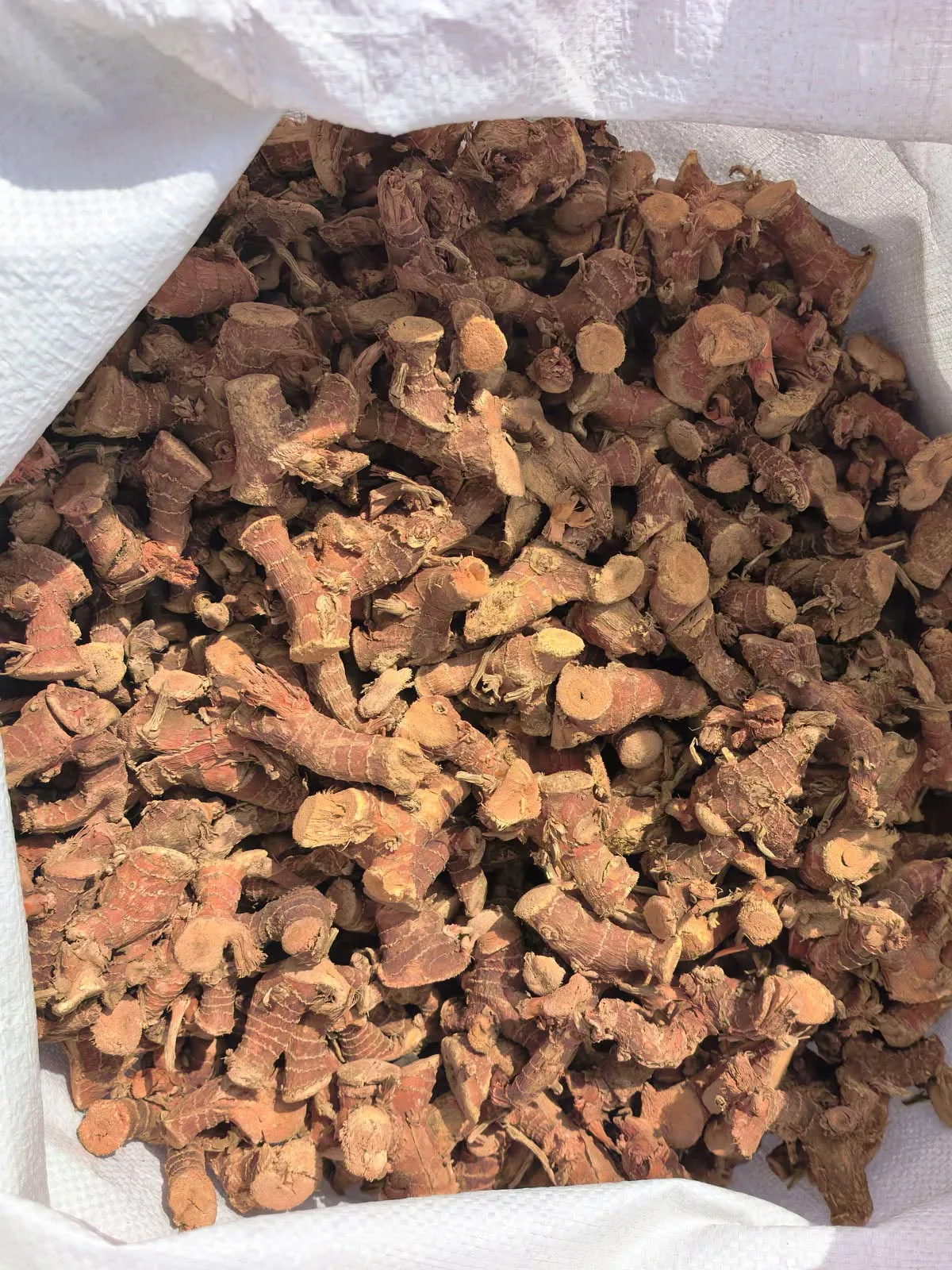
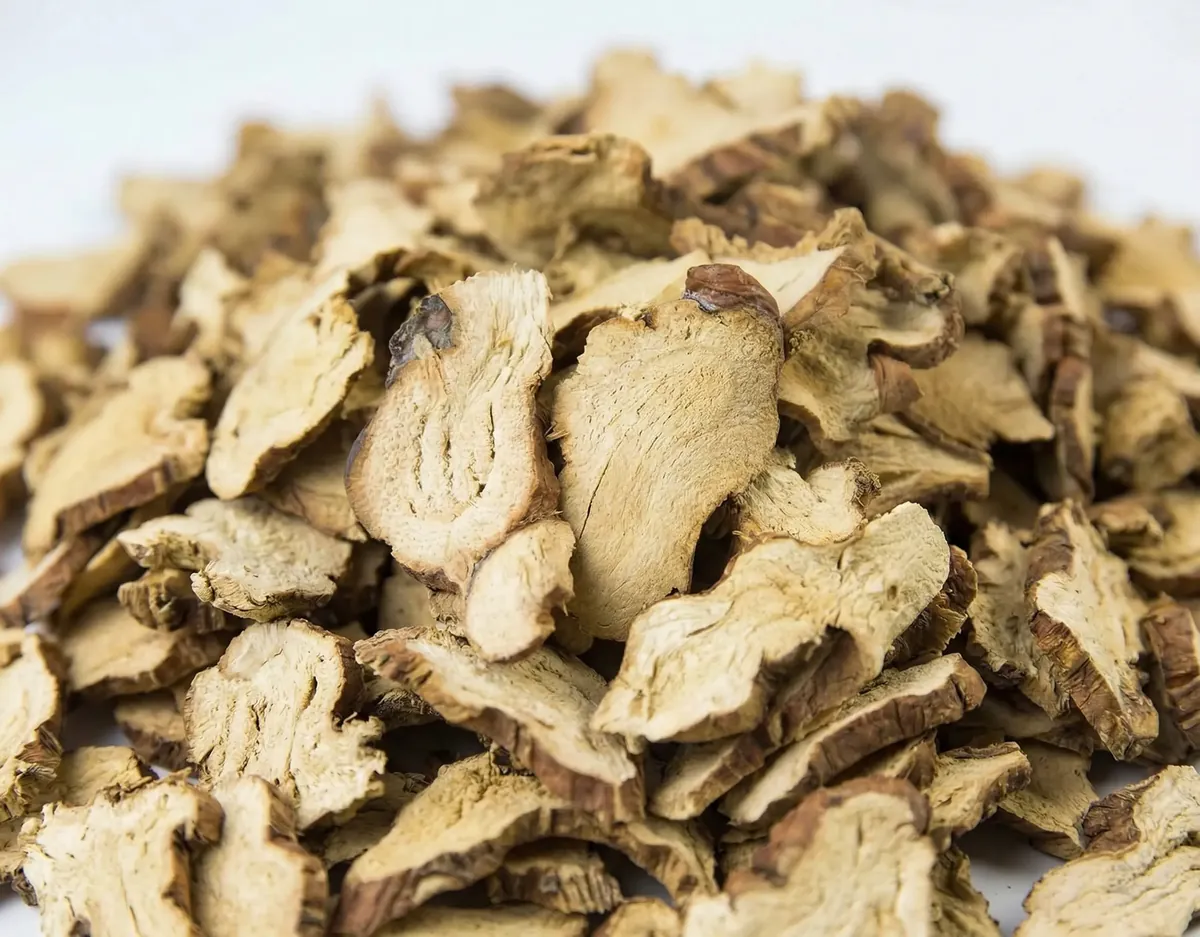
Dried galangal slices
- Cut
- Buyer-defined
- Basis
- Approved sample
Market notes
A market where the assessment that decides things is not made at the border. Manufacturers producing for European retail are audited by their customers, and that scrutiny reaches back to the people who supply their ingredients.
Short answer: A galangal enquiry for Morocco should state use, slices or whole/chunk, cut or piece tolerance, moisture, packing, volume, destination, documents, and trade term. The audit that decides things is a customer audit, not a border inspection, and it can arrive unannounced.
A large part of the food manufacturing here produces for export rather than for the domestic shelf, and much of that export goes to European retail and food service. The buyer for an ingredient like this is therefore usually a processor with a customer who is considerably larger than they are, and whose requirements arrive as a system rather than as a specification.
The rest of the demand comes from the domestic spice trade and from blenders serving it. That side behaves like an ordinary import trade. The export-facing side is where this market is its own case, and it changes what a supplier is being assessed on.
In most markets on this list we are judged on consignments: does the material match, do the documents clear, did it arrive when it should. Here we may also be judged as a supplier — as an entry in somebody's approved list, supported by a file that is reviewed by a party we have never dealt with, on a timetable we do not set.
| Product | Relevance here | Suggested grade / format | Note |
|---|---|---|---|
| Dried galangal slices | Lead | Buyer-defined cut, sample-led | Processors producing for export, where the specification is written to survive a customer review. |
| Dried galangal whole & chunk | On request | Written piece definition | The domestic spice trade and blenders reducing in-house. |
Say at enquiry whether the finished product is for export or for the domestic market. The material can be the same; what has to be documented is not.
Both products in detail
Imported food is subject to national food safety control and plant material travels with a phytosanitary certificate, with conditions confirmed per consignment. That is the ordinary position and your broker confirms the detail for this commodity and origin. It is not what this page is about.
A regulation sets a limit that either is or is not met, and a consignment that meets it goes through. A customer standard is different in kind: it is a set of expectations about how a supplier operates, applied by a commercial party who is free to stop buying for any reason they find sufficient. There is no appeal and no threshold to point at.
That asymmetry is why we would rather be told early which system binds your customer than work it out from what they ask for. We do not print the names of certification schemes on this page, because naming one would imply we know which applies to you, and that is a guess. Tell us the scheme and the requirement stops being abstract.
We do not hold third-party retail or manufacturing standard certification. That is the position as it stands, not a process in progress, and stating it clearly is worth more to you than an encouraging answer. If your customer's approval system requires a certified supplier, we are not that supplier today.
What we can supply is the substance such a system asks for: a written specification, the documents that accompany each lot, per-lot figures rather than typical ones, and straight answers to a supplier questionnaire including where the answer is no. Whether that is sufficient is your customer's decision rather than ours, and it is better tested early than assumed.
An audit that arrives on a known date can be prepared for. One that can arrive at any time cannot, and the practical consequence is that records have to be usable as they stand rather than assembled when asked. That is a discipline about the ordinary week, not about the audit.
For a supplier at our end of the chain the version that matters is modest and concrete: documents issued at shipment rather than reconstructed later, figures tied to the lot they describe, and retained samples kept against lots actually sent. None of it is difficult. All of it is impossible to produce afterwards.
Where a processor serves both the export line and the domestic trade, the same consignment may feed both. The material does not change; the evidence expected of it does, and the more demanding of the two sets the standard for everything if the lots are not kept separate.
It is worth deciding at enquiry which case applies rather than after the container is allocated. Documenting to the stricter requirement from the start costs us very little and removes a question that is expensive to answer once a lot has been split.
Casablanca serves the industrial belt around it; Tanger Med is the practical choice where a buyer sits in the north or where the finished product ships onward to Europe from there. The two differ enough in inland cost that the choice belongs in the enquiry.
Tanjung Priok to Casablanca and to Tanger Med, stated in the quotation for the booking offered.
Where material feeds an export line, lot identity has to stay legible after the pallet is broken down, because a question raised months later is answered from marks and records rather than from memory. Marking on inner packs rather than only the outer costs nothing at production.
We keep retained samples against lots actually shipped rather than only against the approved sample. On this route that is not a courtesy — it is the only way a question asked during a customer review has a physical answer.
The sea leg is long and crosses a wide temperature range before arrival. Liner and ventilation are agreed against the routing actually booked, and the arrival figure is specified rather than assumed, because on an audited line an unexplained result is a finding even when the material is fine.
Enquiries arrive in French and English, and specifications for the export line are frequently written in the language of the end customer rather than in either. Where a description has to survive translation between three parties, the botanical name Alpinia galanga is what keeps it stable — it is the one term in the document that means the same thing to everyone reading it.
Commercially the pattern follows the buyer's own customer: a processor supplying a retail programme orders against a production plan with a committed downstream date, so lead time is discussed alongside price rather than after it. Say which programme a lot is destined for and the schedule can be built backwards from a date that already exists.
Approve a physical sample before any container commitment. The approved sample becomes the acceptance reference.
Format, tolerances, packing, and documents recorded before production. No verbal promises.
Trial quantities and mixed loads are reviewed before quotation — you are not forced into full-container risk.
No. We do not hold third-party retail or manufacturing standard certification, and that is the position rather than a process under way. If your customer requires a certified supplier we are not that supplier today, and it is better to establish it before a sample round.
A written specification, the documents that accompany each lot, figures for the lot actually shipped rather than typical values, retained samples against lots sent, and straight answers to a questionnaire including where the answer is no. Whether that satisfies your customer is their decision, not ours.
Whichever one binds your customer. We deliberately do not name schemes here, because naming one would imply we know which applies to you. Tell us the scheme and the requirement stops being abstract — and we can say plainly what we can and cannot answer against it.
The material can be the same; the evidence expected of it is not. If lots are not kept separate, the more demanding requirement effectively governs both. Deciding which case applies at enquiry costs nothing; deciding it after a lot has been split is expensive.
If the lot identity survived, yes — that is why we mark inner packs rather than only the outer and keep retained samples against lots shipped. Documents issued at shipment answer that question directly; documents reconstructed afterwards usually cannot.
Destination is pre-filled — change it to Tanger Med if that serves you better. If the finished product is for export, say which customer standard your programme is audited against.
Complete briefs receive a substantive reply from the export desk — not an autoresponder. Incomplete enquiries receive clarifying questions the same day.