Country buyer brief · Southern Africa

Indonesia Galangal Dried Supplier for Namibia

Prepare a readable B2B enquiry for Namibia by aligning application, slices or whole/chunk format, acceptance basis, packing, route handoff, and current importer requirements.

Start with the Namibia buyer scenario

For Namibia, the first commercial decision is who receives the material and what that party will do with it. A processor that mills on arrival and a wholesaler that sells visible slices need different product definitions, even when both ask for “dried galangal.”

Regional context helps a buyer locate Namibia in the library, but it does not prove route availability or admissibility. The current consignment must be checked against the buyer's product use, customs treatment, official instructions, and receiving process.

Page boundary: This is procurement guidance for an enquiry to Namibia. It is not evidence of previous shipments, current inventory, a freight schedule, import eligibility, an official classification, or authority approval.

Choose the product format around the buyer's work

Both formats use Indonesian dried galangal. The difference is which preparation step is completed before shipment and which remains under the buyer's control in Namibia.

Decision matrix for a quotation to Namibia

Use these fields to turn a destination keyword into a clear purchasing request.

Buyer and application

Buyers serving Namibia get a clearer answer when they describe the next processing step before asking for a price. That one detail determines whether cut consistency, whole-piece condition, milling control, extraction preparation, or retail appearance should lead the brief. Record the end user, process step, expected annual or trial volume, and technical approver.

Format and physical specification

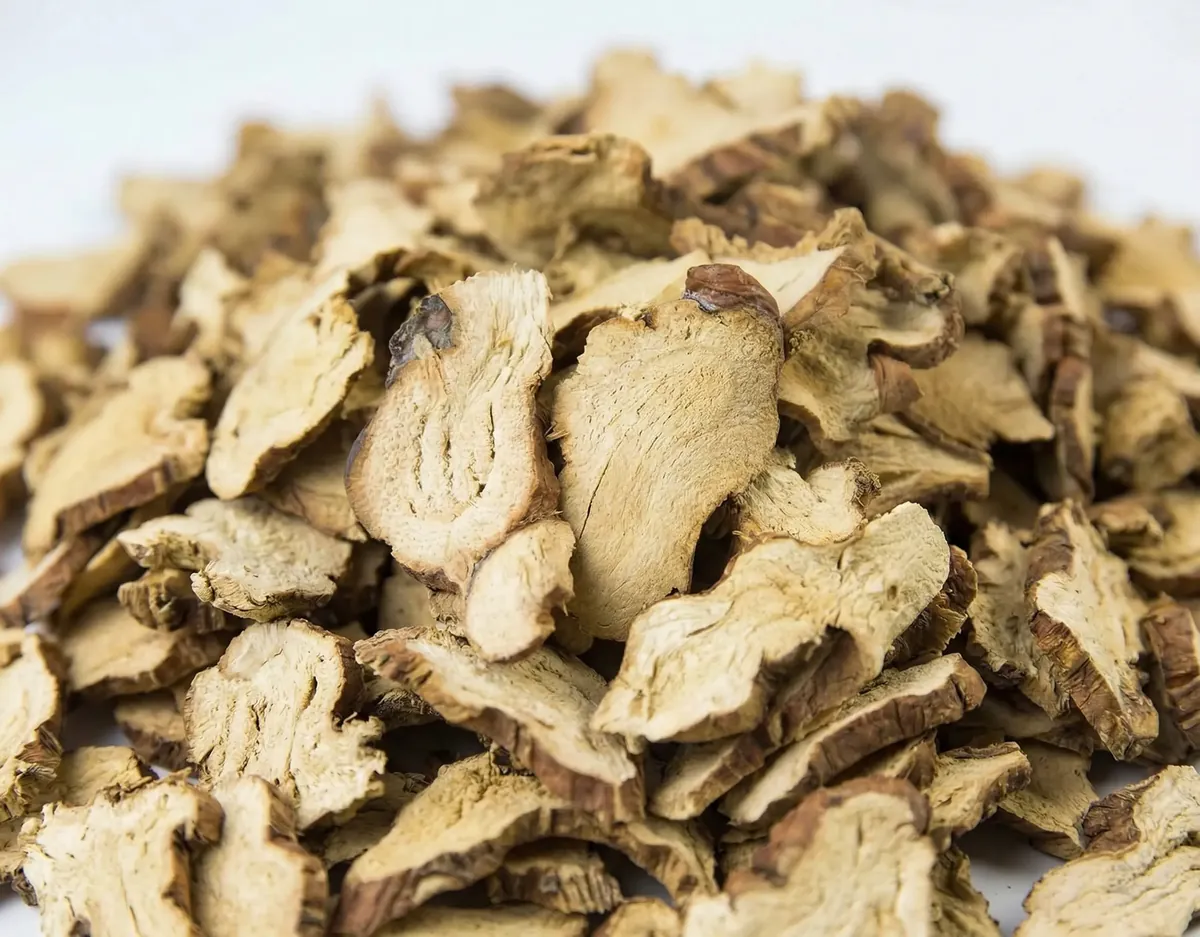
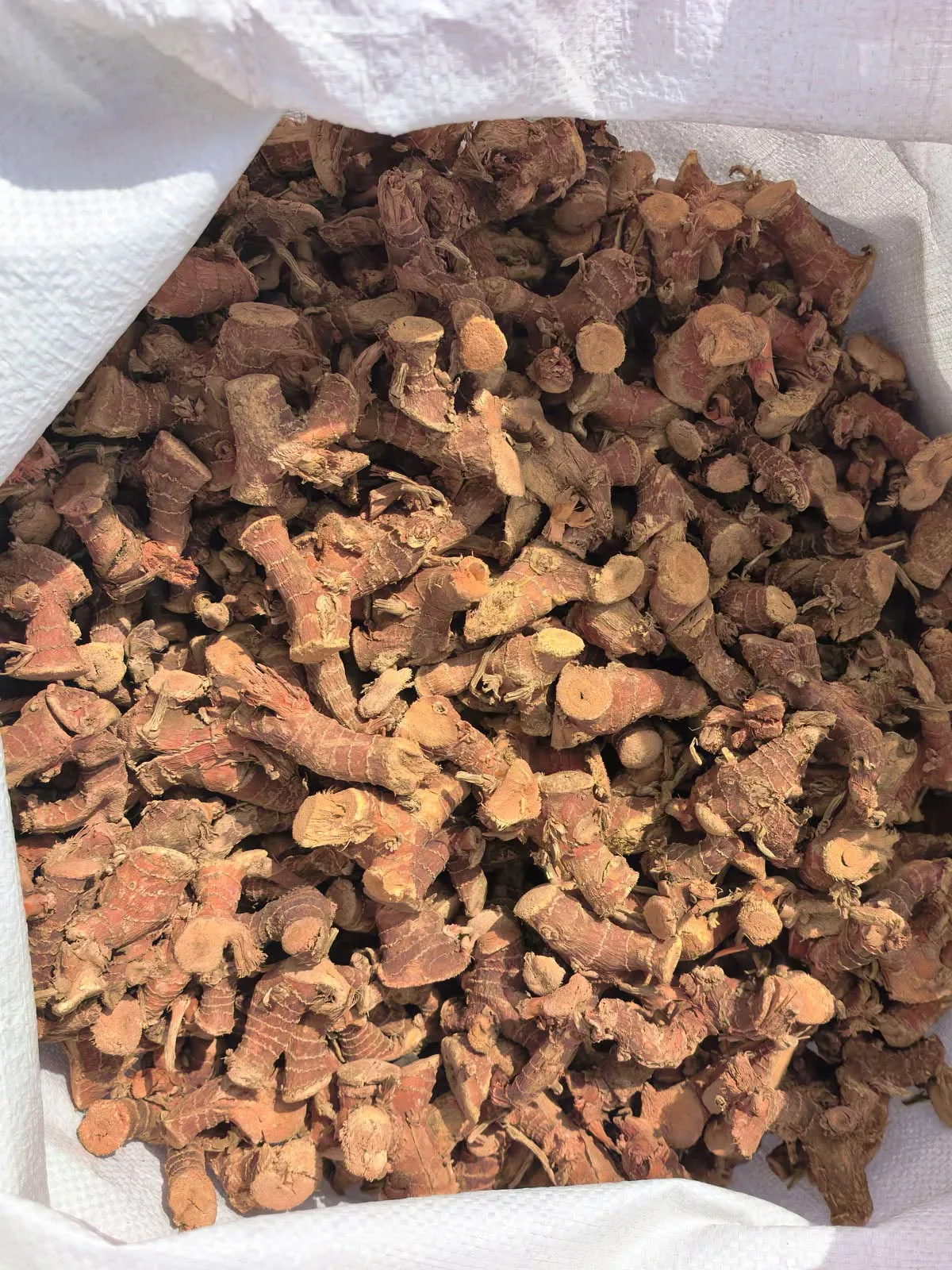
For Namibia, choose slices, whole, chunk, or a mixed order. Write cut or piece language, permitted variation, moisture basis, cleanliness expectation, and any buyer-owned reference sample.

Sample and lot acceptance

A first shipment into Namibia should prove one acceptance sequence: written format, approved sample, representative lot check, arrival inspection, and a clear route for exceptions.

Packing and labels

For Namibia, packing should follow the buyer's warehouse and onward-use plan. Confirm pack weight, liner, closure, marks, language instruction, stacking, and any repacking step.

Route and trade basis

Turn the Namibia handoff into contract fields: The route brief for Namibia should not stop at a country name. It should identify the receiving port, final city, acceptable transshipment basis, pack handling constraints, and the party that releases the container after clearance.

Route, importer, and document handoff

The route brief for Namibia should not stop at a country name. It should identify the receiving port, final city, acceptable transshipment basis, pack handling constraints, and the party that releases the container after clearance.

For Namibia, the importer and broker should confirm the current customs classification, food or plant-health treatment, required certificates, inspection path, label language, and consignee details before booking. The supplier can align available product and export documents to that written request; the website cannot replace the destination authority or importer.

If the cargo will be resold outside Namibia, name the onward market before quotation. A document set suitable for the first border or warehouse may not answer the requirements of the final customer, and repacking can change the label and traceability responsibilities.

How to reduce first-order risk for Namibia

  1. Write the use first. Record the application, processing step, and person who approves the material.
  2. Compare formats. Decide whether an arrival-ready slice or buyer-controlled whole/chunk input removes more work.
  3. Approve a physical reference. Use the sample to settle visual points, then write measurable limits and tolerances.
  4. Confirm the route and current checks. Close the importer, broker, receiving point, documents, Incoterm, and inspection responsibilities before booking.
  5. Inspect the arriving lot consistently. Keep pack and lot identity, sample representatively, and use the agreed acceptance basis rather than a new one at destination.

Questions from buyers preparing an order for Namibia

Can you quote dried galangal for Namibia without a final specification?

We can structure the questions, but a reliable quotation needs the application, format, physical tolerance, packing, quantity, receiving point, and current document responsibility for Namibia. Unknown items remain written clarifications rather than hidden assumptions.

Should a buyer in Namibia choose slices or whole and chunk?

For Namibia, choose slices when an approved arrival-ready cut removes useful work. Choose whole or chunk when the buyer will mill, extract, cut, or repack and wants the reduction step under its own control. A sample can compare both formats.

Are import requirements for Namibia guaranteed on this page?

No. This Namibia page is buyer-preparation guidance, not a permit or clearance promise. The importer and broker must confirm current classification, admissibility, official checks, certificates, labels, and route before booking.

Contact us

Let's talk dried
Galangal business.

Interested in Indonesian dried Galangal? Share your requirements and the export desk will help structure the next product, specification, sample, and destination discussion.

Email us[email protected] WhatsApp+62 813 2725 5570
Contact baseSleman, Daerah Istimewa Yogyakarta, Indonesia

PT Tri Global Export · Indonesia export contact desk

Buyer contact

Send us a message.

This form prepares a WhatsApp message for your review and stores no website data. Do not include sensitive information. Review the Privacy Policy and Website Terms.

WhatsApp