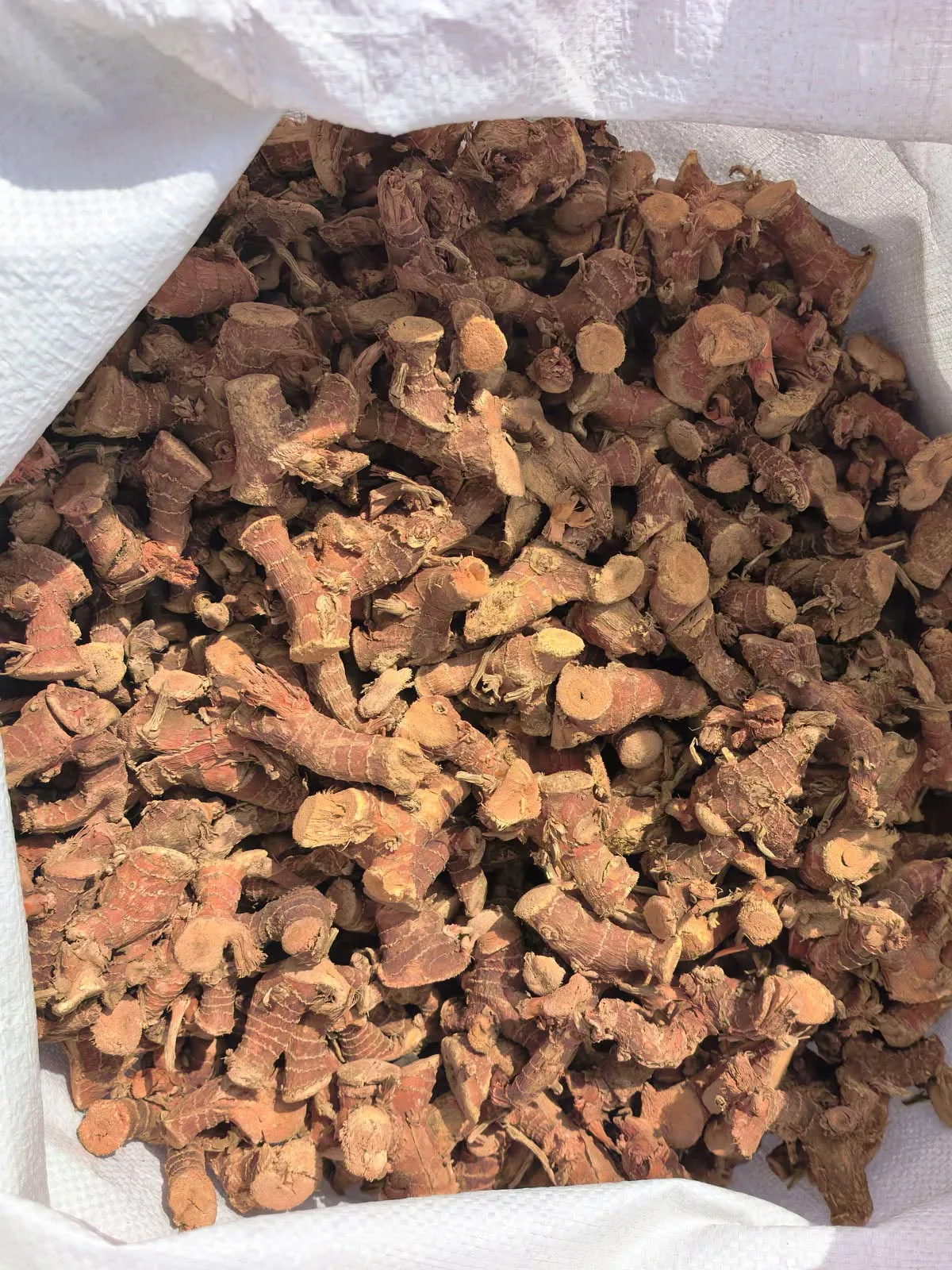
Dried galangal slices
- Cut
- Buyer-defined
- Basis
- Approved sample
Market notes
Here the commercial structure gets settled before the specification does, and that order is deliberate rather than accidental. Nothing can be scheduled until both sides know how the transaction actually works.
Short answer: For dried galangal in Nigeria, define application, format, physical tolerances, moisture, packing, quantity, destination, documents, and Incoterm. The commercial structure gets settled before the specification does, and that order is deliberate rather than accidental.
Nigeria has a large and fast-moving food manufacturing sector and a substantial import trade serving it. Buyers range from established manufacturers producing seasonings and prepared foods to importers supplying wholesale markets, and the technical conversation with them is much the same as anywhere else.
What differs is the order of business. In most destinations a specification is agreed, a price follows, and payment terms are settled last as an administrative step. Here the commercial structure comes first — how payment is arranged, in what currency, against which documents, and at which stage. Experienced buyers raise it in the first message, and they are right to.
That sequence is a rational response to how international transactions actually work here rather than a quirk to be managed around. A supplier who insists on discussing grade before structure is not being rigorous; they are delaying the conversation that determines whether anything can be scheduled. We would rather start where the buyer starts.
| Product | Relevance here | Suggested grade / format | Note |
|---|---|---|---|
| Dried galangal whole & chunk | Lead | Written piece definition | Manufacturers and blenders reduce material themselves, and the larger format also holds condition better through warehousing in a warm climate. |
| Dried galangal slices | On request | Buyer-defined cut, sample-led | Where a defined cut goes straight into a blend or a pack without further reduction. |
Full-container quantities improve the economics here more than in markets buying small lots, which is worth being explicit about early.
Both products in detail
Four things, and they are worth putting in the first exchange rather than the fifth: the payment mechanism and its stages, the documents payment is released against, the Incoterm and therefore who arranges and pays for what, and the timing of each step relative to production and sailing. None of that is unusual in international trade. What is different here is that it comes first.
A supplier who agrees to whatever structure is proposed and works out the details later is not being accommodating; they are deferring a disagreement to the point where goods are already produced. We would rather state plainly what we can work with, hear what you can work with, and find the overlap before a production slot is committed. If there is no overlap, that is a short conversation and an honest one.
Agreeing how a transaction is financed and settled before discussing grade looks like an inversion of the usual order, and buyers who work mostly with local suppliers sometimes read it as caution. It is the opposite: the structure determines what lead time we can commit to and what lot size makes sense, so settling it first means the specification we then write is one we can actually deliver against.
It also avoids the most common way a first enquiry stalls, which is two parties agreeing enthusiastically on a product and discovering weeks later that the mechanics of paying for it do not fit either side. That discovery costs the same amount of time whenever it happens, and it is cheapest at the beginning.
Once the structure is settled the rest is the same as any destination: an agreed written specification, a sample where it helps, analysis for the lot being shipped, and documents issued so they can be presented and filed. None of that changes because of where the goods are going.
Imported food is subject to national regulatory control, and plant material travels with a phytosanitary certificate with conditions confirmed per consignment. Registration or permit requirements may apply on the import side, and those belong to your clearing agent to confirm for this commodity rather than to a supplier to describe generally.
The Lagos terminals for most shipments, with Onne serving buyers in the south-east. The choice usually follows the buyer's inland position and clearing arrangements rather than the specification.
Tanjung Priok to Lagos, sailing schedule and transit stated in the quotation for the booking offered. This route transships, so the transfer point belongs in the quoted transit rather than outside it.
A moisture figure can be agreed at the ship rail or at the point the goods reach you, and on this route those are not the same number. Which one is written into the contract should follow from who carries the risk between them — that is a commercial allocation, and it belongs in the same conversation as terms rather than in a technical annexe.
Outer packaging that stacks safely and a liner that holds condition through storage matter more here than presentation. Tell us how the lot will be stored after clearance and the pack is specified for that period.
Enquiries arrive in English and use the English trade term. Anchoring a written specification to Alpinia galanga is worth the extra line where documents pass between a supplier, a clearing agent, and a bank — three parties reading the same description for different reasons, and the botanical name is the one that means the same thing to all of them.
Commercially, expect the structure conversation early and expect it to be specific. That is a good sign rather than a difficult one: a buyer who is precise about how a transaction will work is usually precise about the rest of it too.
Approve a physical sample before any container commitment. The approved sample becomes the acceptance reference.
Format, tolerances, packing, and documents recorded before production. No verbal promises.
Trial quantities and mixed loads are reviewed before quotation — you are not forced into full-container risk.
Tell us what works at your end and we will tell you plainly whether it works at ours, rather than agreeing in principle and renegotiating after production. If there is no overlap it is a short conversation, and a short honest one is better than a long one that ends at the same place.
You can, but we would suggest the other order and it is not a formality. A production slot committed before the structure is settled is a slot that may have to be released, and releasing one costs both of us more than a slightly longer first conversation.
That is part of the structure and it is worth naming precisely rather than assuming — the document set can be built to match whatever is agreed, but it has to be agreed before shipment rather than assembled to fit afterwards.
Yes, if the lot will spend meaningful time in clearance and inland movement. A figure written for arrival at berth leaves you no margin across that period in a warm climate. Tell us the realistic timeline and both the moisture figure and the packing are written for it.
No, but full containers do improve the unit economics on this route more than on the shorter ones, and we would rather say that plainly than let a small first order look worse than it needs to. Tell us the volume you are planning annually rather than only the first shipment.
Destination is pre-filled. Tell us the product and volume, and also how you would want the transaction structured — starting there saves a round rather than delaying one.
Complete briefs receive a substantive reply from the export desk — not an autoresponder. Incomplete enquiries receive clarifying questions the same day.