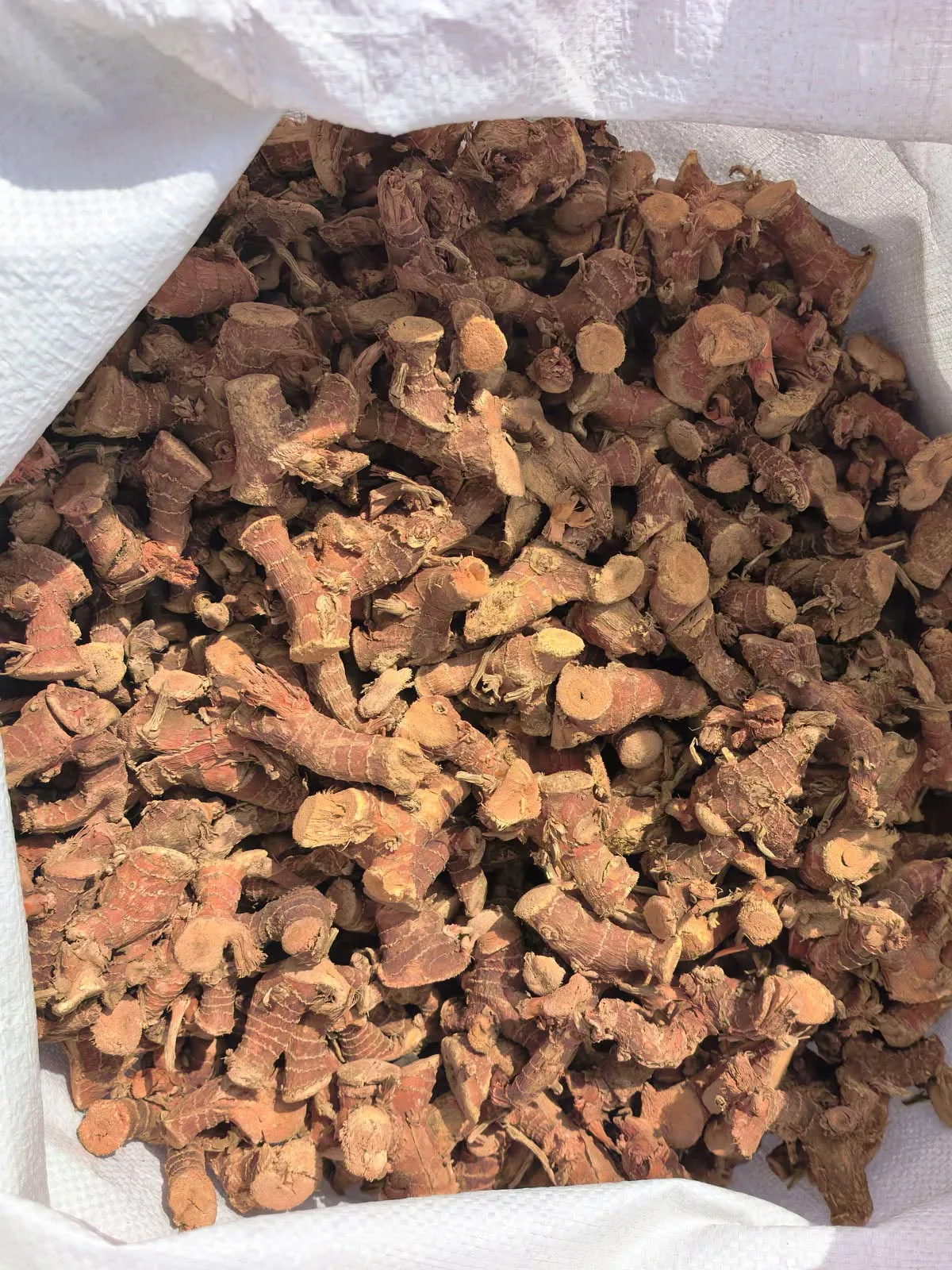
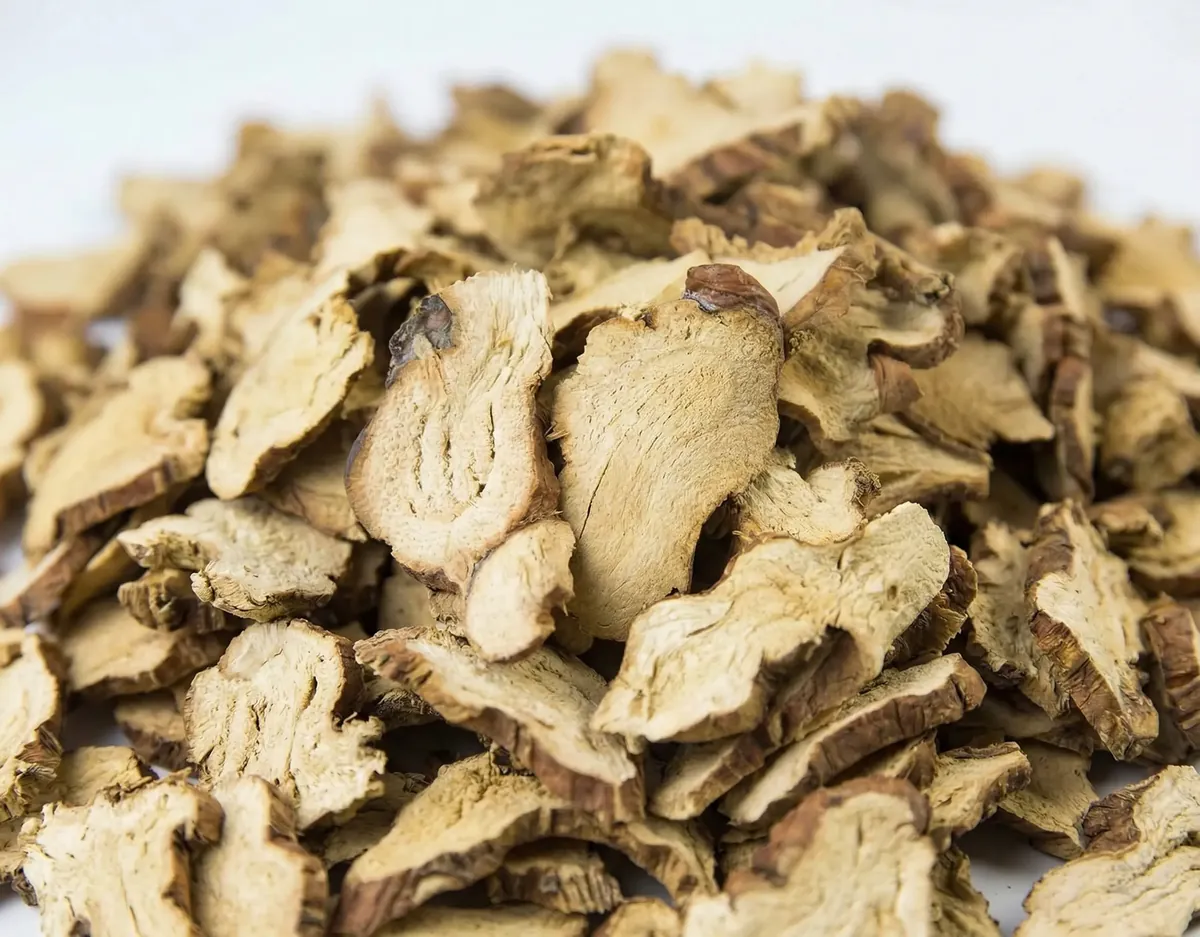
Dried galangal slices
- Cut
- Buyer-defined
- Basis
- Approved sample
Market notes
Part of the demand here feeds kitchens that cannot order again next week. A delivery has to last until the next resupply window, which puts pack integrity and remaining shelf life ahead of price in a way no other destination does.
Short answer: For a galangal quotation to Norway, agree the use, slices or whole/chunk, physical tolerance, moisture, packing, quantity, destination, documents, and trade term. A delivery has to carry to the next resupply window, so pack integrity outranks price in a way it does nowhere else.
Two kinds of buyer matter for an ingredient like this. The first is ordinary and familiar: food manufacturers and importers supplying retail and restaurants, working the way buyers do across northern Europe. The second is not ordinary at all — provisioning operations supplying offshore installations, vessels, and remote sites.
That second channel is what makes this destination its own case. Those kitchens are resupplied on a window set by schedules and weather rather than by when stock runs low. A delivery is not a delivery in the usual sense; it is a period of coverage.
Every other page on this list assumes that if something falls short, a buyer can order again. Here that assumption fails for part of the volume, and the consequences run backwards into how the material is packed and specified.
| Product | Relevance here | Suggested grade / format | Note |
|---|---|---|---|
| Dried galangal slices | Lead | Buyer-defined cut, sample-led | Manufacturers and importers, plus provisioning operations packing for onward supply. |
| Dried galangal whole & chunk | On request | Written piece definition | Where a buyer reduces in-house or repacks for a trade channel. |
Say whether any of the volume goes to a provisioning channel. It changes the pack specification without changing the material.
Both products in detail
A provisioning buyer is not really purchasing a weight; they are purchasing a period during which a kitchen will not run out. That is why a shortfall matters more here than almost anywhere: it cannot be topped up, and the gap is filled by doing without.
We are not going to claim experience of supplying that sector, because we do not have it. What we can do is understand the requirement and answer it in the terms it is actually set in — which begins with being told the coverage period rather than only the tonnage.
In most markets an outer is specified for stacking and cost. Where material is handled onto a vessel or a platform and then stored in a confined space for a period, the relevant questions are different: whether a pack survives being moved in poor conditions, whether it can be opened and reclosed, and whether a damaged unit takes the rest of the consignment with it.
Those are answerable at production and expensive to fix later. A smaller inner unit costs a little more per kilo and removes the failure mode where one compromised pack makes a larger quantity unusable at a site with no alternative.
Where a delivery has to cover a period, what matters is not the shelf life a lot leaves us with but the portion still remaining when it reaches the point of use — after the sea leg, the inland leg, the provisioning warehouse, and the transfer out. Each of those consumes part of it.
So the useful thing to agree is the position at handover rather than at shipment. That is a scheduling conversation as much as a product one, and it is better had before the first booking than after a lot arrives technically fine and practically short.
Food requirements here align closely with the European position set out on our EU pages, while customs is separate — so a consignment cleared into the EU is not thereby cleared here. It is worth stating because buyers routing through a continental hub sometimes assume otherwise, but it is not what makes this market difficult.
For manufacturers and importers supplying retail and restaurants, none of the above applies and the conversation is the same as anywhere in northern Europe: a written specification, an approved sample, per-lot figures, and a phytosanitary certificate per consignment. It is worth saying which half of the market an enquiry belongs to in the first message, because the two produce different pack briefs from identical material.
Oslo for buyers in the south and east. Where a provisioning operation sits on the west coast, a different discharge point may suit better and the inland difference is larger than the sea difference.
Tanjung Priok to Oslo, stated in the quotation for the booking offered. Transhipment through a continental hub is usual, and where it applies we say so because it affects both the date and the customs position.
Where material continues to a provisioning channel, a smaller resealable inner unit is usually worth its cost. Tell us the unit the receiving kitchen works with and the pack is specified to it rather than to warehouse economics.
What is agreed is the position when the material reaches the point of use rather than when it leaves us, because the legs in between consume part of it. Give us the coverage period and it is built into the production schedule.
The routing ends in a considerably colder climate than it starts in, and condensation risk sits at the transition rather than in steady heat. Liner and ventilation are agreed against the routing actually booked.
Enquiries arrive in English and specifications are usually written in it, with the botanical name Alpinia galanga settling any ambiguity where a document passes between a buyer, a provisioning operator, and an end site. That chain is longer here than in most markets, which is precisely why the written description has to stand on its own.
Commercially, lot sizes are modest and planning horizons are longer than the volumes would suggest, because a provisioning cycle is scheduled well in advance. That suits a supplier who would rather quote a date that holds than the earliest one available, and it is worth stating the cycle at enquiry so production can be planned backwards from it.
Approve a physical sample before any container commitment. The approved sample becomes the acceptance reference.
Format, tolerances, packing, and documents recorded before production. No verbal promises.
Trial quantities and mixed loads are reviewed before quotation — you are not forced into full-container risk.
No, and we would rather say so than imply otherwise. What we can do is work to the requirement as it is actually set — coverage period, inner unit, and shelf life at handover — rather than quoting a tonnage and letting you translate it.
Because a compromised pack at a site that cannot reorder takes the rest of the quantity with it in practice. A smaller resealable unit costs a little more per kilo and removes that failure mode. Tell us the unit the receiving kitchen works with.
At handover to the point of use, because the sea leg, the inland leg, and the provisioning warehouse each consume part of it. Agreeing the position at shipment is how a lot arrives technically fine and practically short.
For the food requirements the position aligns closely; for customs it does not, because the customs territory is separate. A consignment cleared into the EU is not thereby cleared here, and buyers routing through a continental hub sometimes assume it is.
No — that half of the market works like anywhere in northern Europe. Say which half your enquiry belongs to in the first message, because the two produce different pack briefs from identical material.
Destination is pre-filled. If any of the volume goes to a provisioning channel, give us the coverage period and the inner unit — those decide the pack brief.
Complete briefs receive a substantive reply from the export desk — not an autoresponder. Incomplete enquiries receive clarifying questions the same day.