Regional notes

Indonesia Galangal Dried Supplier for Pacific islands

Services here run on a rotation rather than continuously. That single fact changes how an order is sized, how much cover a buyer needs, and what a wrong certificate actually costs.

Short answer: For a galangal quotation to The Pacific islands, agree the use, slices or whole/chunk, physical tolerance, moisture, packing, quantity, destination, documents, and trade term. Sailings run on a cycle rather than continuously, so a missed document costs a whole rotation instead of a few days.

Who buys what, and why it differs here

Buyers are importers and wholesalers supplying grocers, hotel kitchens, and catering operations. Fiji and Papua New Guinea carry the larger part of the trade and act as entry points for cargo that continues on to smaller markets.

The commercial profile is unremarkable. What is not unremarkable is the transport: this is the only region we ship to where the constraint is neither the customs regime nor the demand, but simply how often a vessel comes.

Everywhere else a delay is measured in days and absorbed. Here a shipment that misses its window does not arrive late — it arrives on the next rotation, and every decision on this page follows from that arithmetic.

Product fit for this market

Relevance by product — Pacific islands
Product Relevance here Suggested grade / format Note
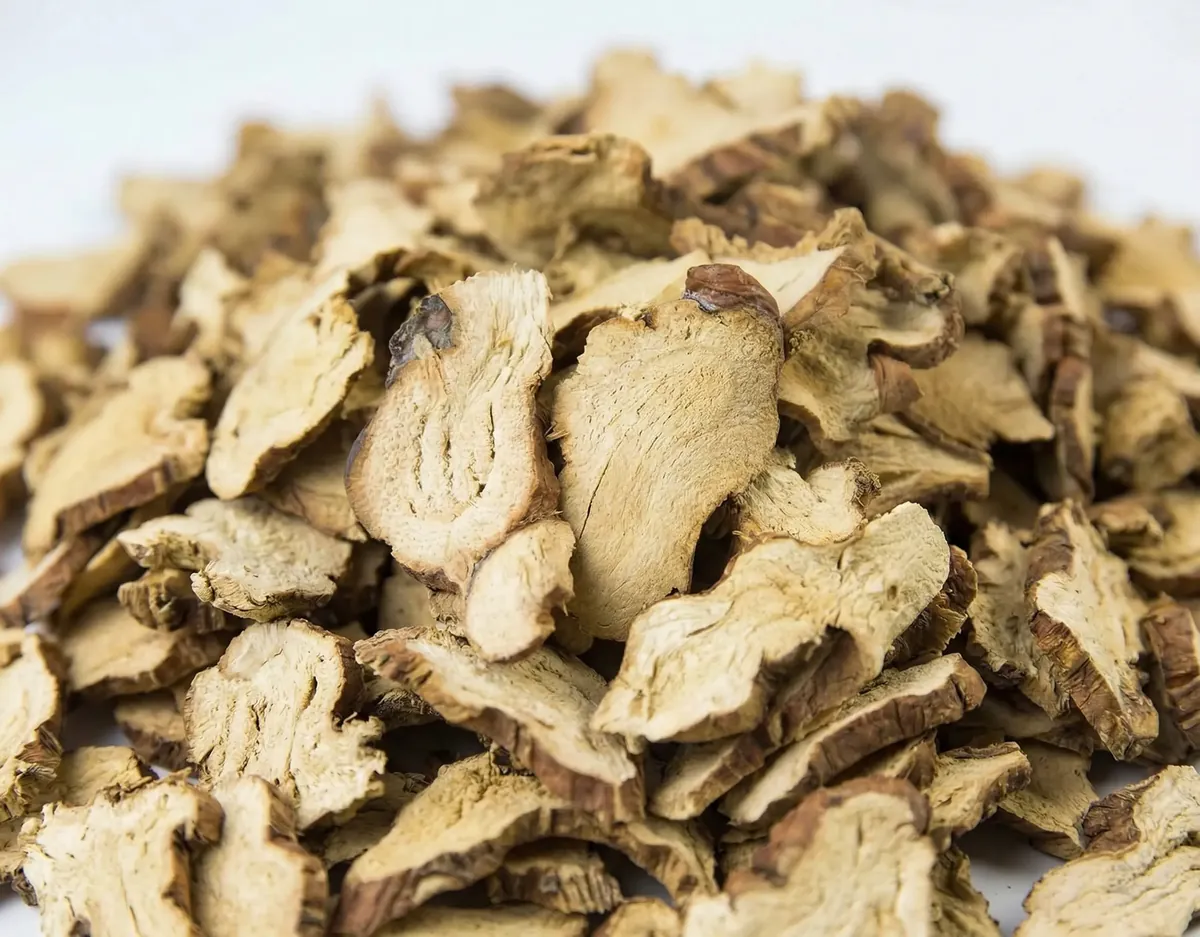
Dried galangal slices Lead Sealed packs sized for slow turnover Grocers, hotel kitchens, and caterers holding cover between sailings.
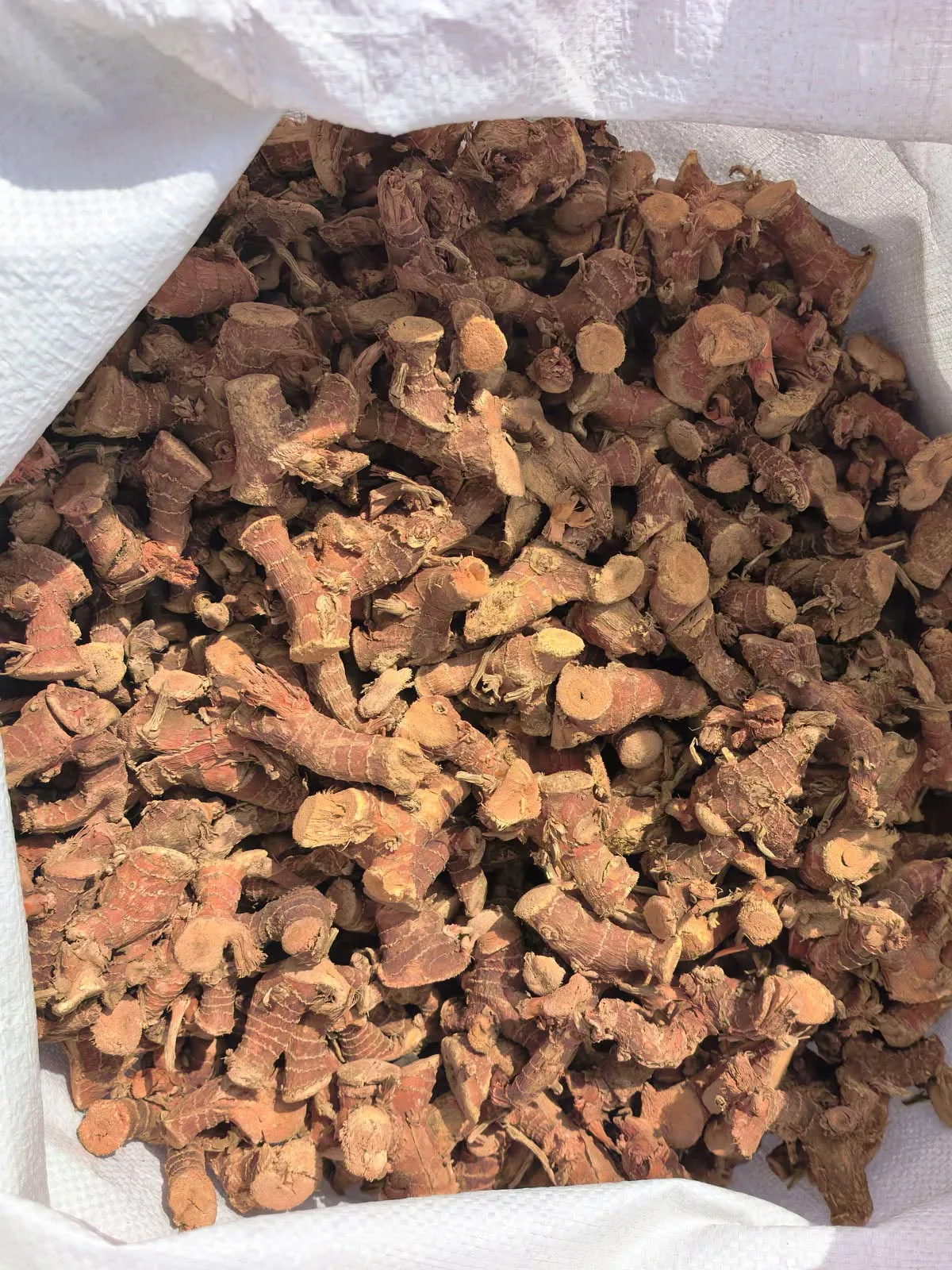
Dried galangal whole & chunk On request Written piece definition Where a wholesaler repacks locally rather than importing retail units.

Pack integrity and remaining shelf life carry more weight here than grade. Material bought to last until the next rotation is stored for longer than the same material would be anywhere else.

Both products in detail

When the transport runs on a cycle

Entry conditions, briefly

Each market sets its own requirements for a dried plant commodity, and they are not uniform across the region — a phytosanitary certificate per consignment is the constant, and the rest belongs to the buyer and their broker.

Order size is set by the calendar, not by demand

A buyer here is not ordering what they expect to sell. They are ordering what they need to hold until the next opportunity to receive anything at all, which is a different calculation and usually a larger one.

That matters to us because it changes what the material has to do. It will sit longer before it is used, in a warm and humid store, and the pack rather than the grade is what determines whether it is still right at the end of that period.

Safety stock is a function of frequency, not of variability

In most markets a buyer holds cover against demand moving unexpectedly. Here they hold cover against the calendar, and the two are sized completely differently. A market with perfectly steady demand still needs a full rotation of cover, because steadiness does not summon a vessel.

A wrong document costs a rotation

This is the part suppliers underestimate. On a weekly service, a certificate raised with the wrong consignee is a nuisance corrected in days. On a rotation, the same mistake means the cargo waits for the next one — and no amount of goodwill on either side shortens it.

So on this route the document set is completed and checked before the booking is confirmed rather than assembled alongside it. Consignee names, description wording, and any permit reference are settled while there is still time for a correction to be free.

What we will not promise

A delivery date at the buyer warehouse. We commit to the shipment and to the documents being right at cut-off, which are the two things within our control. Where a smaller market is reached by a second leg from Fiji or Papua New Guinea, the connection is controlled at the buyer end and we carry it as a range they supply rather than as a figure we invent.

Samoa, the Solomon Islands, and Vanuatu are typically served that way, and the second leg has a rotation of its own. Two cycles in sequence is not two delays; it is a planning problem, and it is best solved by ordering against the slower of them.

Route and packing

Gateway

Usually Fiji or Papua New Guinea, with onward feeder legs to the smaller markets. Which gateway applies is a buyer decision and it changes the whole schedule, not just the last leg.

Sailing frequency

The number that matters most on this route, and the one we will not guess at.

Documents before booking

Consignee, description, and any permit reference confirmed before the booking is taken rather than while the container is being packed. A correction made early is free; the same correction made late costs a rotation.

Pack for a long dwell

Specified for the time the material spends in store after arrival, not for the voyage. Sealed inner packaging and remaining shelf life at handover are agreed as figures rather than assumed.

Shared and part loads

Common at these volumes. Stated at quotation so marking and handling are planned for it, and so the buyer knows a delay may originate with cargo that is not theirs.

Terminology and commercial norms

Correspondence is in English throughout the region, which removes one source of friction. We still anchor the specification to Alpinia galanga, because a document raised in Indonesia may be read at a gateway and again at a second port by people with no contact with each other.

Commercially the terms are ordinary. The planning difference is that the whole relationship runs on a longer clock: fewer, larger, better-prepared shipments rather than frequent small corrections. A supplier who is organised in advance is worth more here than one who is merely quick, because speed has nowhere to be spent.

How a first order into the Pacific islands is de-risked

  1. Sample first

    Approve a physical sample before any container commitment. The approved sample becomes the acceptance reference.

  2. Written specification

    Format, tolerances, packing, and documents recorded before production. No verbal promises.

  3. Start small

    Trial quantities and mixed loads are reviewed before quotation — you are not forced into full-container risk.

Questions from Pacific island buyers

If we miss a sailing, how far back does that put us?

A full rotation, which is why we treat the cut-off as the deadline rather than the vessel. We commit to the shipment being ready and the documents being correct before it, because those are the two things that decide whether the cargo makes the window at all.

Why do you want the documents settled before the booking rather than with it?

Because a mistake found late does not cost days here, it costs a rotation. Confirming the consignee, the description, and any permit reference early makes a correction free instead of expensive.

We order larger quantities than our sales would suggest. Is that a problem?

It is the correct behaviour on this route, and we plan for it. What it changes is the packing rather than the price: material bought to last until the next sailing is stored longer, so we specify the pack and the remaining shelf life against the holding period.

Our demand is very steady. Can we hold less stock?

Steady demand does not help here, which surprises most suppliers. Cover is sized against how often a vessel comes rather than against how much demand moves, so the calendar sets the minimum regardless.

We are not in Fiji or Papua New Guinea. Does that change anything?

It adds a second leg with a rotation of its own, and the two do not usually line up. Tell us the final destination at enquiry rather than the gateway, and we plan the order against the slower of the two cycles.

Request a quotation basis for the Pacific islands

Destination is pre-filled. Name the final market rather than the gateway, and tell us how often a service reaches you — that figure shapes the order size and the packing more than the quantity does.

Complete briefs receive a substantive reply from the export desk — not an autoresponder. Incomplete enquiries receive clarifying questions the same day.

Opens WhatsApp with your brief filled in. Nothing is stored on this site.

WhatsApp