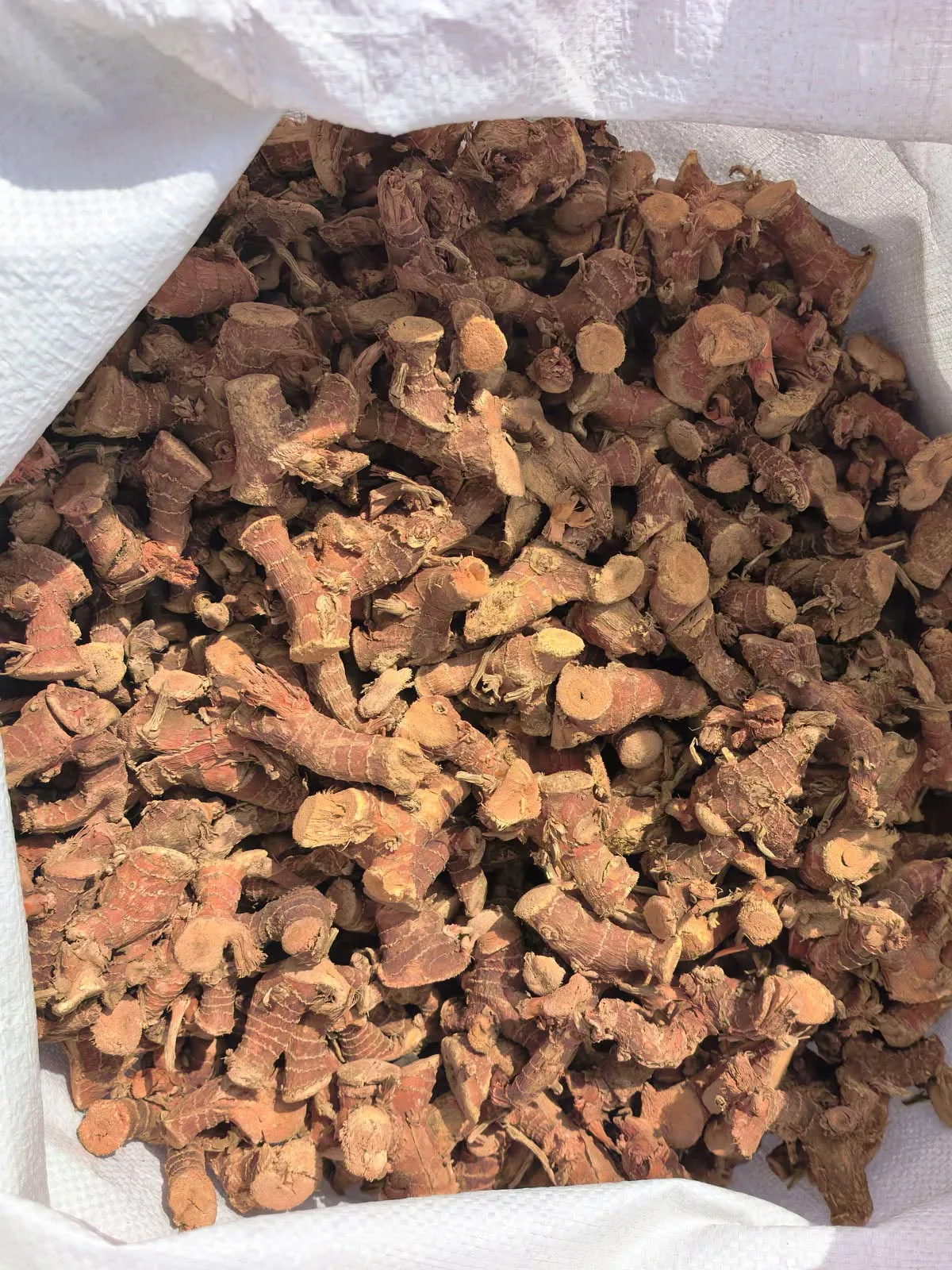
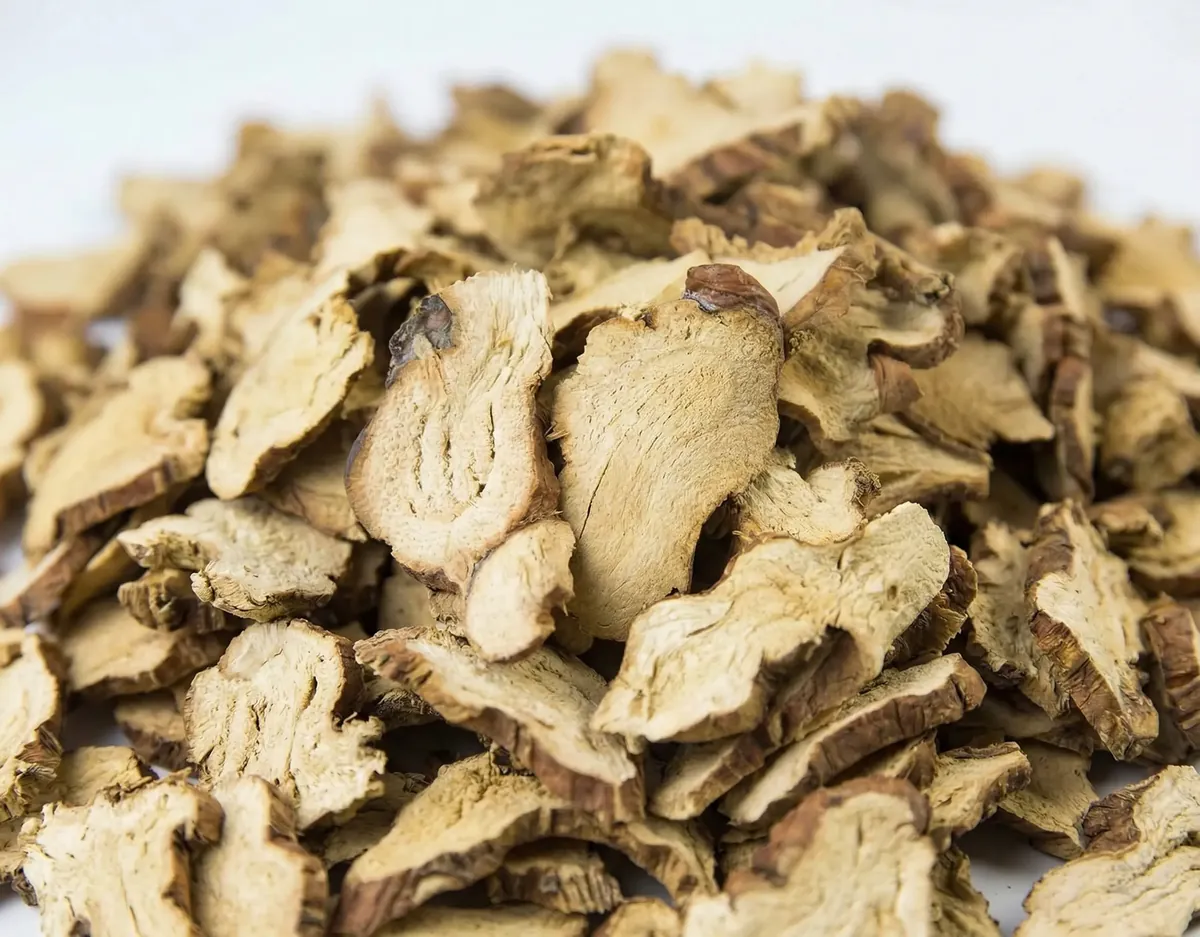
Dried galangal slices
- Cut
- Buyer-defined
- Basis
- Approved sample
Market notes
Asian ingredients here stopped being foreign a long time ago. That means the buyer is a mainstream food manufacturer working to a retail label, and that authenticity is not the thing being bought.
Short answer: For a galangal quotation to Peru, agree the use, slices or whole/chunk, physical tolerance, moisture, packing, quantity, destination, documents, and trade term. The ingredient arrived generations ago and became local. The buyer is a national manufacturer, not an importer of specialities.
Asian cooking arrived here through migration generations ago and did not stay in a separate lane. It merged into the national kitchen, which means the ingredients that came with it are now bought by mainstream food manufacturers producing for ordinary retail rather than by specialist importers serving a defined community.
That is the opposite of how most destinations on this list work. Elsewhere an ingredient like this reaches a shelf through a channel that identifies it as foreign. Here it reaches a shelf inside a product that nobody thinks of as foreign at all.
The commercial consequence is direct: a manufacturer buying for a retail label is governed by a production plan, a specification, and a traceability requirement — not by whether the material is authentic. We do not sell origin as a story in this market, because it is not what is being bought.
| Product | Relevance here | Suggested grade / format | Note |
|---|---|---|---|
| Dried galangal slices | Lead | Buyer-defined cut, sample-led | Manufacturers producing sauces, pastes, and prepared foods for mainstream retail. |
| Dried galangal whole & chunk | On request | Written piece definition | Where a buyer reduces in-house or supplies the food service trade. |
Expect the specification conversation to be a manufacturing one rather than a sourcing one. What the material is called matters less than what it does.
Both products in detail
A specialist importer asks whether the material is right. A manufacturer producing for retail asks something narrower and harder: whether it will behave the same way in twelve consecutive production runs, and whether the paperwork will still answer a question raised by a retailer eighteen months later.
Those are different tests and only the second one is difficult. It is answered by a written specification, per-lot figures rather than typical ones, and retained samples against lots actually shipped — the same discipline this desk applies elsewhere, but here it is the whole basis of the relationship rather than a reassurance on top of it.
In markets where an ingredient is still identified as foreign, origin carries weight and buyers ask about it. Here the finished product is a local product, and a supplier leading with heritage is telling a manufacturer something that has no place in their specification.
What does carry weight is that we can describe exactly what we ship, hold it, and evidence it. Origin appears on our documents because it belongs there, not because it is the argument.
Where our material ends up inside a packaged product on a general retail shelf, the obligations attaching to that pack are the buyer's rather than ours. They still reach back: a declaration on a label has to be supportable by what the manufacturer knows about every input, and an ingredient that cannot be described precisely becomes an awkward line in someone else's file.
So the useful thing to establish at enquiry is not the recipe but the declaration — what the buyer has to be able to say about this input, and whether our documentation lets them say it.
Imported food is subject to national food safety control and plant material travels with a phytosanitary certificate, with conditions confirmed per consignment. The requirements applying to dried rhizome of Indonesian origin are for your broker to confirm for that combination before the first booking.
This is one of the longer routings we quote, so a lot that drifts is not corrected quickly — the replacement is a full round trip away. For a manufacturer running consecutive production batches that turns consistency from a preference into the main commercial requirement, and it is why we would rather agree a tolerance we hold every time than a tighter one we meet occasionally.
Callao handles the great majority of containerised import and serves the industrial belt around the capital. Where a buyer's plant sits elsewhere the inland leg is significant enough to name at booking.
Tanjung Priok to Callao, stated in the quotation for the booking offered. This is a long routing with transhipment as the usual case, so we quote the one actually booked rather than a typical figure.
Where material feeds consecutive production runs, the useful commitment is a tolerance that repeats rather than a best figure. Per-lot results are supplied with each delivery so a buyer can verify against the same agreed basis every time.
Lot identity is marked on inner packs as well as outers and retained samples are kept against lots shipped, because a retail question about a finished product arrives long after the ingredient was used.
The routing is warm throughout with time stationary at transfer ports. Liner and ventilation are agreed against the routing actually booked, and the arrival figure is specified rather than assumed.
Enquiries arrive in Spanish and English and the trade name used here is galanga. The botanical name Alpinia galanga is what a manufacturer will want on the specification, because it is the term that survives being copied into a supplier file and read by someone who was not part of the conversation.
Commercially the rhythm follows a production plan rather than a season, which favours regular lots over a single large annual shipment. Say which pattern you are planning at enquiry — on a route this long it changes the booking sequence more than it changes the unit price.
Approve a physical sample before any container commitment. The approved sample becomes the acceptance reference.
Format, tolerances, packing, and documents recorded before production. No verbal promises.
Trial quantities and mixed loads are reviewed before quotation — you are not forced into full-container risk.
Probably not in the way a supplier would like it to. The finished product here is a local product, so origin belongs on the documents rather than in the pitch. What matters is that we can describe exactly what we ship, hold it, and evidence it.
A tolerance that repeats rather than a best figure, with per-lot results supplied at each delivery. On a route this long a lot that drifts cannot be replaced quickly, which makes consistency the main commercial requirement rather than a preference.
If the lot identity survived, yes. We mark inner packs rather than only outers and keep retained samples against lots shipped, so a question raised months later has a physical answer rather than a recollection.
The declaration you have to be able to make about this input, and the reduction step it goes through. Those two decide the cut and the tolerances more than any description of the material would.
Regular lots suit a production plan and reduce the amount of stock held on a product sensitive to storage. Say which pattern you are planning at enquiry — on this routing it changes the booking sequence more than the unit price.
Destination is pre-filled. Tell us the declaration you need to support and the reduction step this input goes through — both shape the specification more than a description of the material would.
Complete briefs receive a substantive reply from the export desk — not an autoresponder. Incomplete enquiries receive clarifying questions the same day.