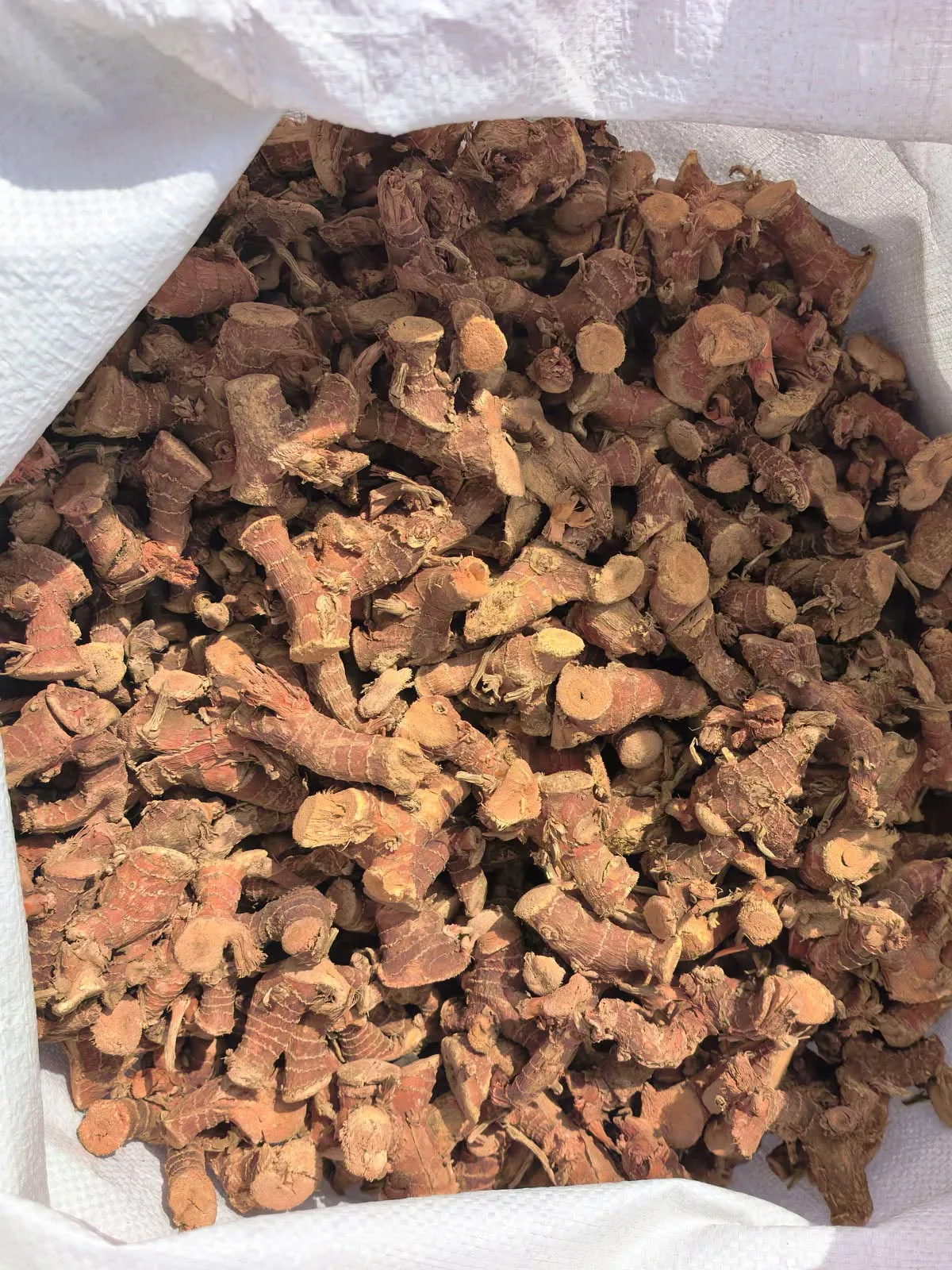
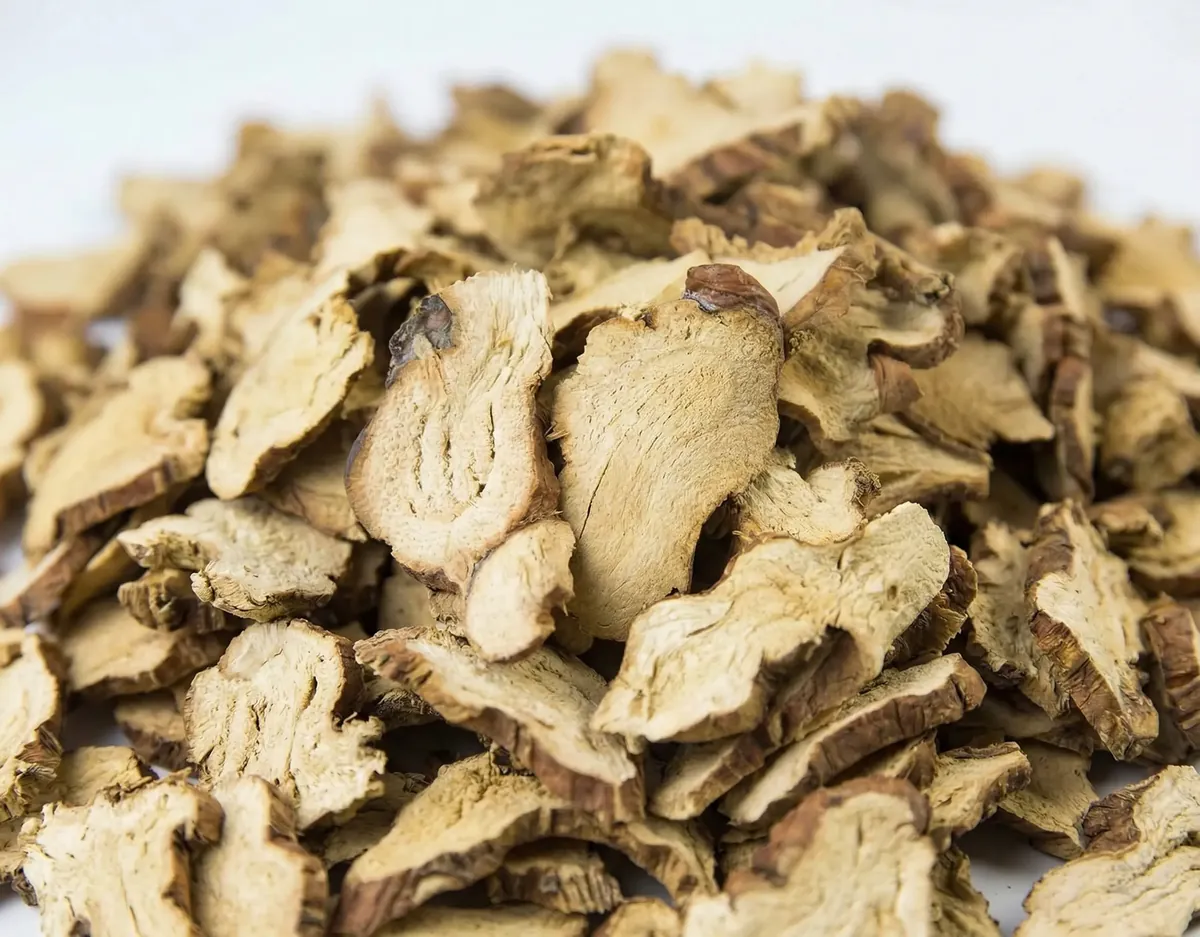
Dried galangal slices
- Cut
- Buyer-defined
- Basis
- Approved sample
Market notes
Nobody here needs the material explained. What does need explaining is that arriving at the port is only half the journey — most of what lands gets on another boat before it reaches the customer.
Short answer: Before quoting galangal for Philippines, align application, format, physical tolerances, moisture, packing, quantity, arrival point, documents, and Incoterm. The product needs no explaining; the logistics do. Arriving at the port is only half the journey when the domestic leg is also a voyage.
Galangal is familiar here. It belongs to the same regional cooking tradition it comes from, buyers know what it should look and smell like, and the trade does not need a supplier to explain the commodity. In that respect this market resembles the shorter routes in Southeast Asia rather than the distant ones.
What is genuinely different is geography. This is an archipelago, and a distributor supplying customers beyond the port region moves goods by sea again — from Manila to Cebu, to Davao, to the smaller regional ports. That second leg is domestic, so it appears on nobody's import quotation, but it is where a meaningful part of the delivered cost and almost all of the handling damage happens.
Two buyer shapes follow from that. A manufacturer or repacker in the port region behaves like any single-site buyer. A national distributor is running a logistics operation, and the questions they ask about pack size, outer strength, and lot identity are not fussiness — they are the difference between one break-bulk and three.
| Product | Relevance here | Suggested grade / format | Note |
|---|---|---|---|
| Dried galangal slices | Lead | Buyer-defined cut, sample-led | Bought by food manufacturers and by distributors repacking for regional wholesale and retail. |
| Dried galangal whole & chunk | On request | Written piece definition | For processors reducing in-house, and where a larger piece survives repeated handling better. |
Where a lot is redistributed by sea, the pack decision matters more than the format decision. Say which you are before either is settled.
Both products in detail
Food safety control and a phytosanitary certificate per consignment apply as they do almost everywhere, and the requirements for this commodity and origin are for your broker to confirm before the first booking. Entry is the ordinary part of shipping here. The part that decides what condition the material is in when someone finally opens the bag comes after it.
Most destinations on this list present the opposite problem: the logistics are straightforward and the product needs explaining. Here the product needs no introduction — galangal is understood, specified, and used without translation — while the journey to the point of use is among the most demanding we quote.
That inversion is worth stating because it changes where the effort goes. Very little of a first enquiry here needs to be spent on what the material is. Most of it should be spent on where it is going after the port, and who handles it in between.
Once cleared, a national distributor may put the same goods on a coastal vessel, unload them at a regional port, break the pallet, and move part of it again. Each of those steps is a handling event, and dried spice in packaging specified only for a container crossing does not necessarily survive three of them in the condition it arrived in.
This is worth designing for rather than absorbing. Outer packaging rated for repeated handling, pack sizes chosen so a lot is broken down once rather than twice, and lot identity printed on the inner pack rather than only the outer all cost nothing at production and cannot be retrofitted after the first transfer.
The climate here is not gentle to dried material, and a lot that waits at a regional port or sits in an unconditioned warehouse between legs is exposed for longer than the import route alone suggests. A moisture figure agreed for arrival is not the same as one that has to hold through domestic distribution — tell us which one you need and it is specified accordingly.
Manila for most shipments. Cebu and Davao are used where a buyer's operation sits in the Visayas or Mindanao and discharging closer avoids a domestic sea leg entirely — which is frequently the cheaper answer even if the international freight is slightly higher.
Tanjung Priok to Manila, sailing schedule and transit stated in the quotation for the booking offered. This is one of the shorter routes on our destination list.
If your customers are concentrated outside Luzon, ask about discharging at the nearer port rather than routing everything through Manila. Fewer handling events usually beats a marginally cheaper ocean rate, and the arithmetic is worth doing before the first booking rather than after the first damaged pallet.
Tell us how many times the lot will be moved after it clears. Packaging specified for one journey and packaging specified for three are not the same thing, and the difference is decided at production rather than at the warehouse.
Enquiries arrive in English and the trade uses the English term alongside regional names. Because several related rhizomes are used in the same cooking traditions here, anchoring a written specification to Alpinia galanga is worth doing even where both parties are confident they mean the same thing — the confusion is easy to make and expensive to discover after a production run.
Commercially, expect regular smaller lots rather than one large annual shipment, because the short route makes frequency economic and because inventory sitting in this climate is a cost rather than a buffer. Say what frequency suits your distribution and the packing brief and lead time are built around it.
Approve a physical sample before any container commitment. The approved sample becomes the acceptance reference.
Format, tolerances, packing, and documents recorded before production. No verbal promises.
Trial quantities and mixed loads are reviewed before quotation — you are not forced into full-container risk.
Not necessarily, and it is worth checking rather than assuming. If a large share of your customers sit in the Visayas or Mindanao, discharging closer can remove a domestic sea leg entirely — which usually beats a slightly cheaper ocean rate once handling and damage are counted. Tell us where the goods actually end up.
Tell us how many times the lot gets moved after it clears and we specify backwards from that. Outer strength, pack size chosen so you break bulk once rather than twice, and lot identity on the inner pack rather than only the outer — none of which can be added after the first transfer.
Say which and it will be written accordingly, because they are different numbers. A figure agreed for arrival gives you no margin if the lot then spends weeks moving through this climate. It is cheaper to specify the harder one than to discover the gap at a regional warehouse.
Yes, and it usually makes sense here for the same reason it does elsewhere in the region: short crossings keep smaller lots economic, and inventory in this climate is a cost rather than a buffer. Tell us the frequency your distribution needs rather than one sized to fill a container.
Because knowing it well is exactly what makes a written figure useful rather than decorative — you can check it. The specification is not there to explain the commodity to you; it is there so that a lot which drifts is a documented problem rather than an argument.
Destination is pre-filled. Tell us the product, the volume, and where the goods actually end up — if that is not Luzon, the routing answer may be different from the one you expected.
Complete briefs receive a substantive reply from the export desk — not an autoresponder. Incomplete enquiries receive clarifying questions the same day.