Market notes

Indonesia Galangal Dried Supplier for Poland

Most of what arrives here leaves again as something else. That makes the binding specification the one your customer sets in another country, and it is the reason a Polish enquiry often reads stricter than the market it is written from.

Short answer: For a galangal quotation to Poland, agree the use, slices or whole/chunk, physical tolerance, moisture, packing, quantity, destination, documents, and trade term. The ingredient leaves again inside a finished product, so the binding specification is often set in another country.

Who buys what, and why it differs here

Poland is one of Europe's larger food-processing bases, and a substantial share of what its factories make is sold outside Poland. For an ingredient supplier that changes the meaning of the enquiry in front of you. The buyer is not describing what Polish consumers want; the buyer is describing what a German retailer, a Scandinavian brand, or a private-label contract already demanded of them.

The practical effect is that specifications arrive tighter than the market alone would explain, and they arrive with clauses that look unusual until you know where they came from — a residue scope belonging to a retailer programme, a packaging constraint set by a downstream line, a document format that has to survive being passed on. None of that is negotiable by us, and pushing back on it misreads who is actually asking.

There is a second buyer here that is easier to serve and easy to overlook: importers supplying the Asian food channel in Poland's larger cities, buying to resell rather than to process. They ask a different set of questions — presentation, pack size, shelf life on the retail shelf — and they are not the ones whose specification came from somewhere else.

Product fit for this market

Relevance by product — Poland
Product Relevance here Suggested grade / format Note
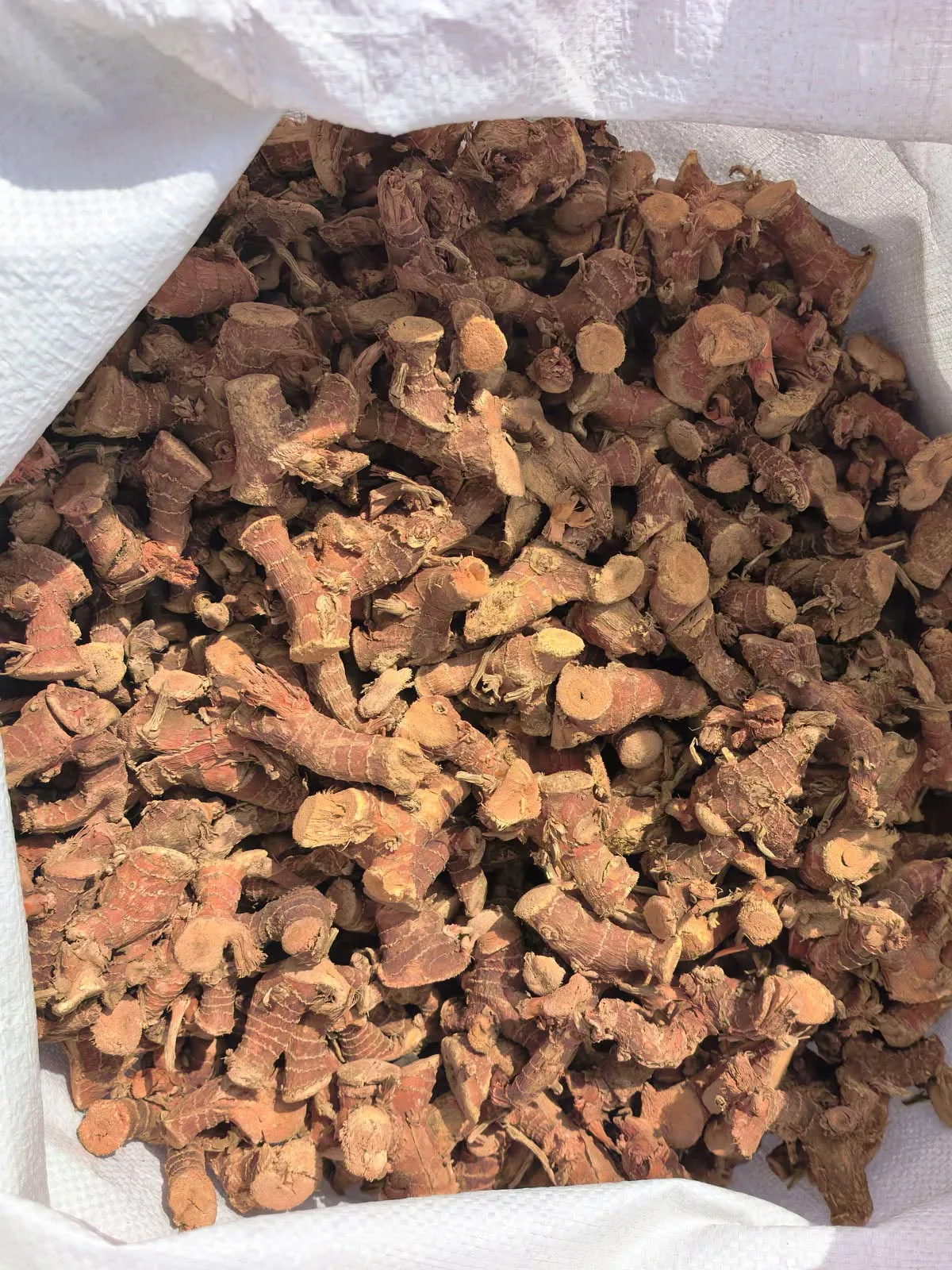
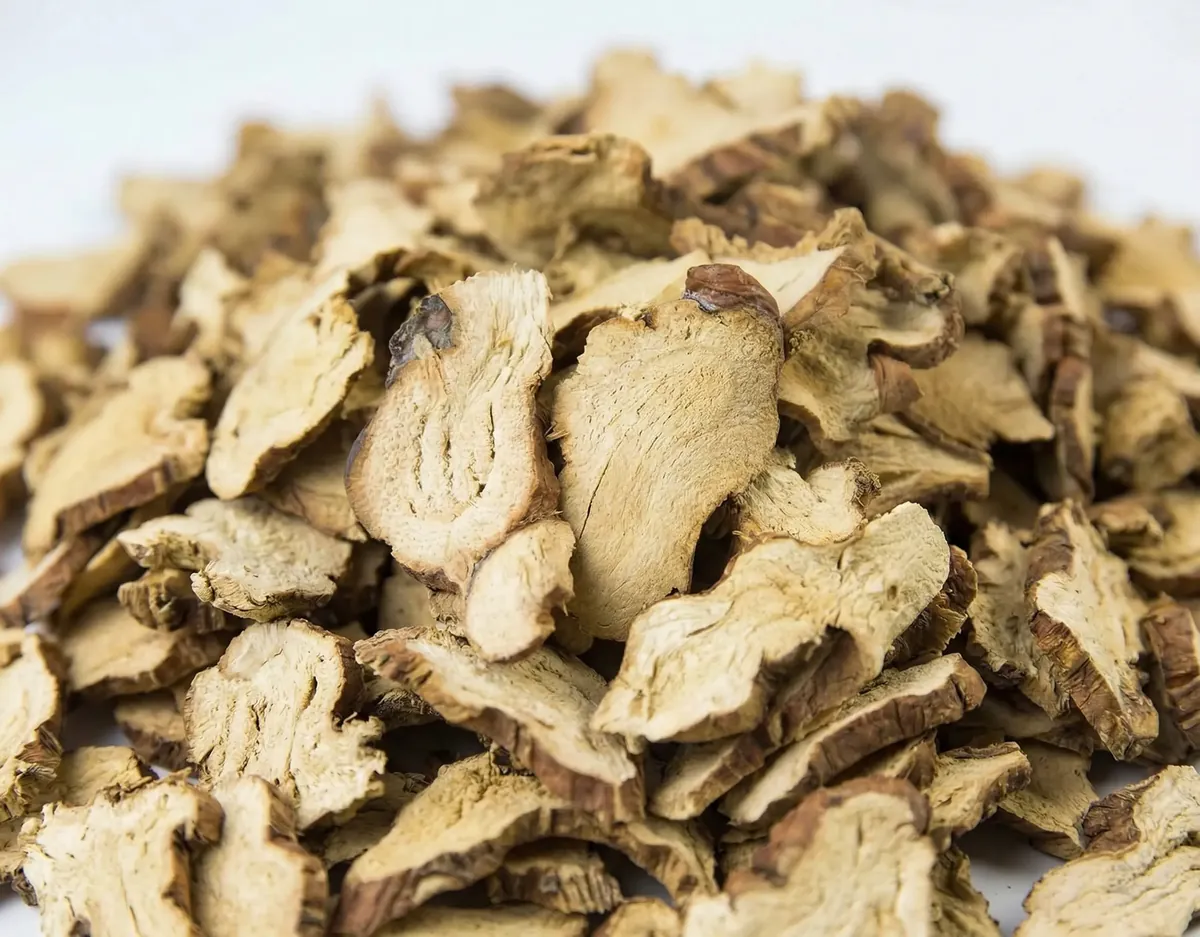
Dried galangal slices Lead Buyer-defined cut, sample-led Bought by seasoning and sauce manufacturers feeding a defined process step, and by importers repacking for the Asian grocery channel.
Dried galangal whole & chunk On request Written piece definition For processors milling or extracting in-house, where controlling particle size is part of the product they sell on.

Relevance reflects the enquiries this market actually sends. Both formats ship to Poland.

Both products in detail

The specification that binds is usually written in another country

The regime is the European one, and it is the least interesting part

Entry conditions are the EU ones, enforced by the Polish sanitary inspection service, with a phytosanitary certificate issued per consignment rather than carried over. That position is set out on our other European pages and is not what makes an enquiry from this market behave differently. What follows is.

The specification that actually binds may not be Polish

This is the part that catches suppliers out. Meeting the EU requirement gets the cargo in. Meeting the customer's requirement is what keeps the account, and where the finished product is exported onward, that customer's programme can be stricter than the regulation on more than one parameter. A supplier who tests to the legal minimum and stops has satisfied the border and failed the buyer.

So the useful question at enquiry is not "what does Poland require" but "whose specification does this lot ultimately have to satisfy". Tell us that and the laboratory scope is set once, against the strictest requirement in the chain, rather than revised after a downstream audit finds a gap.

What "stricter" usually turns out to mean

In practice the extra demand is rarely a lower legal limit. It is more often a wider scope — parameters that no regulation requires but a customer's own programme lists — or a demand for the same parameter to be evidenced per lot rather than periodically. Both are answerable. Neither is answerable cheaply if the request arrives after the lot has already shipped against a narrower certificate.

There is a second version of the same problem that shows up later: a customer whose requirement changes mid-contract because their own customer changed. A supply arrangement written with room to widen the test scope without renegotiating the price absorbs that. One written to a fixed certificate does not.

Why the buyer often cannot tell you the answer yet

It is worth saying plainly that a Polish processor is sometimes in the same position we are: quoting for a finished product whose end market is not yet fixed. Asking whose specification binds is not a demand for information they are withholding. It is the question that decides whether we quote against the widest plausible requirement now, or against a narrow one and revisit it later — and the answer to that is a commercial choice, not a technical one.

Documents that have to survive being passed on

Where material is processed and re-exported, your buyer's own customers may ask for evidence of origin and analysis further down the line — sometimes long after the lot was consumed. Documents issued so they can be forwarded intact, rather than reassembled from records months later, are worth more here than in a market where the material is used and the paperwork is filed.

Routing: the port is not always Polish

Direct routing

Gdansk, where a direct or single-transhipment service suits the volume and the buyer's inland position.

Western-port routing

Part of Poland's inbound sea freight arrives through Rotterdam or Hamburg and continues overland. It is a legitimate option and sometimes the faster one, but it moves where the goods are presented and cleared — which is a question for your broker before booking, not after.

Transit

Tanjung Priok to Gdansk, sailing schedule and transit stated in the quotation for the booking offered.

Moisture on a long route

The cargo crosses several climate zones before it arrives, and dried spice is at risk from condensation across that swing. Liner and ventilation choices are agreed before production rather than left to the packer.

Pallet and pack brief

Processing sites here handle Euro pallets and often feed material directly into a line. Tell us the pallet footprint, stack height, and the pack size your line opens — specifying it before production costs nothing and retrofitting it after arrival costs handling.

Terminology and commercial norms

Written specifications here are usually in English and use either the botanical name or the English trade term, because the material is an imported ingredient rather than one with a settled Polish vernacular. Where a Polish name appears it is generally alongside the English one rather than instead of it, so the risk of a naming mismatch is lower here than in markets with a strong local trade name.

Commercially, EU trade tends to run on T/T rather than letters of credit, and delivered terms are asked for more often than FOB. Processing buyers order against a production plan, which favours regular lots over one large annual shipment — say which pattern you are planning at enquiry, because it changes the packing brief and the lead time more than it changes the unit price.

How a first order into Poland is de-risked

  1. Sample first

    Approve a physical sample before any container commitment. The approved sample becomes the acceptance reference.

  2. Written specification

    Format, tolerances, packing, and documents recorded before production. No verbal promises.

  3. Start small

    Trial quantities and mixed loads are reviewed before quotation — you are not forced into full-container risk.

Questions from Polish buyers

We re-export the finished product. Should we specify to EU limits or to our customer's?

To whichever is stricter, and tell us which that is at enquiry. Testing to the legal minimum satisfies the border and can still fail a downstream audit. Setting the scope once against the strictest requirement in the chain is cheaper than discovering the gap after a customer programme review.

Our cargo usually clears in Rotterdam and comes overland. Does that change anything for you?

Not the material or the specification, but it changes who presents the consignment and where, so your broker should confirm the arrangement before the booking rather than after. From our side the documents are issued to suit the route you actually use — tell us which one that is.

Can our customer request the analysis certificate months after we used the lot?

They can, and in a re-export chain they often do. That is why the document set is issued in a form that can be forwarded intact rather than reconstructed. Keep the originals with the lot record and you can answer that request without coming back to us.

Is the testing scope the same as for our German or Dutch suppliers?

The regime is — Poland applies the same EU rules. What may differ is your own customer programme, which is not an EU matter at all. Send us the panel you are held to and the scope is agreed against it before shipment.

We supply the Asian grocery channel rather than a factory. Does that simplify things?

It changes what matters rather than reducing it. Presentation, pack size, and shelf life carry more weight than process tolerances, and the material is judged by how it looks on a shelf rather than how it behaves in a line. Tell us which of the two you are, because the sample we would send is different.

Request a quotation basis for Poland

Destination is pre-filled. Tell us the product, the volume pattern, and whether the material is processed for onward export — the last one decides which specification we scope against.

Complete briefs receive a substantive reply from the export desk — not an autoresponder. Incomplete enquiries receive clarifying questions the same day.

Opens WhatsApp with your brief filled in. Nothing is stored on this site.

WhatsApp