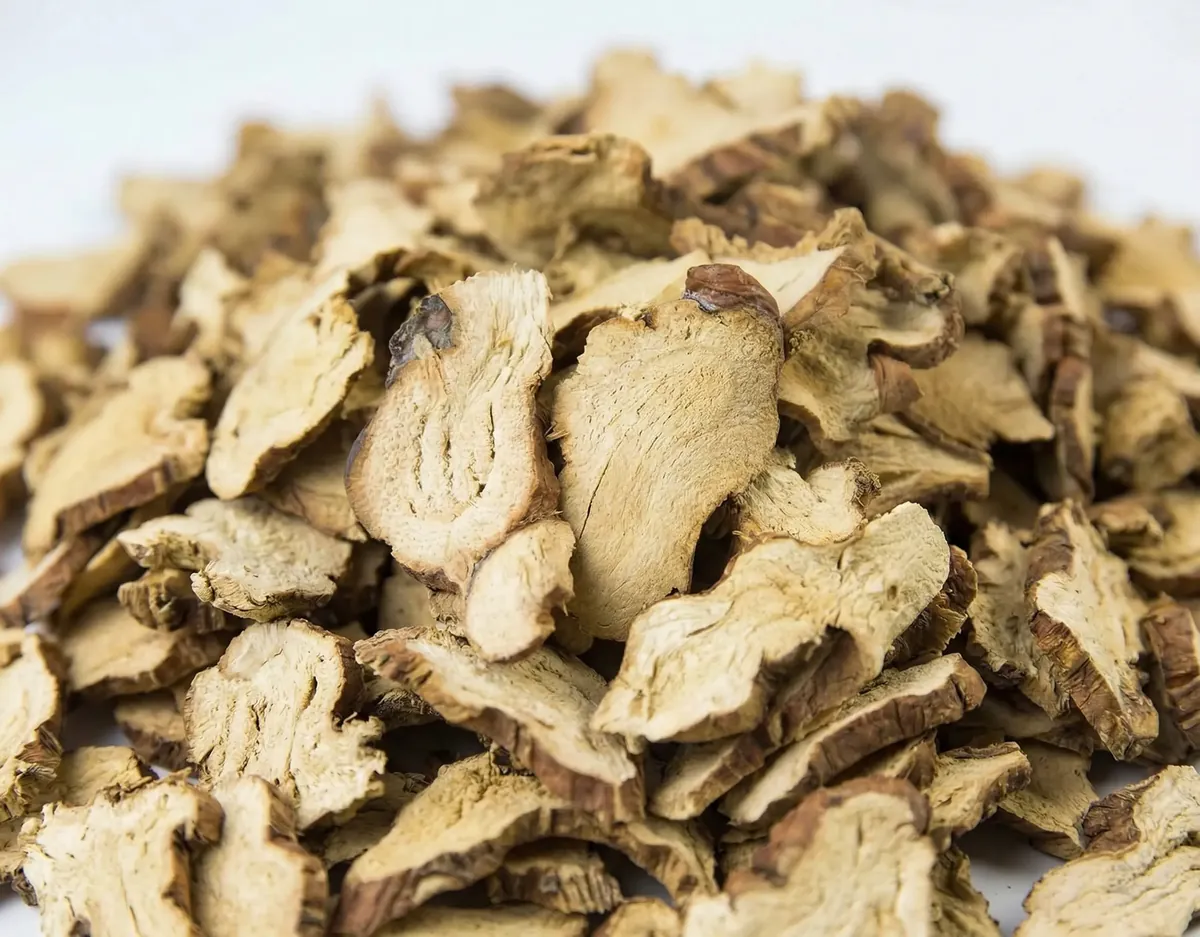
Dried galangal slices
- Cut
- Buyer-defined
- Basis
- Approved sample
Market notes
More than one corridor reaches these markets, run through different countries by different operators. Which one is working best is not a settled question, and a supplier who treats it as one quotes last year's schedule.
Short answer: A galangal enquiry for Inland Southern Africa should state use, slices or whole/chunk, cut or piece tolerance, moisture, packing, volume, destination, documents, and trade term. Several competing corridors reach the same markets, and which one is best changes — so the routing is a live decision, not a setting.
Buyers are food manufacturers producing seasonings and prepared foods, importers supplying retail and wholesale, and distributors serving more than one market from a single base. Zambia, Zimbabwe, Botswana, and Malawi are the main destinations, each modest on its own.
None of them has a coastline. That is true of several markets on this list and it is not, by itself, what makes this region its own case. What is distinctive is that there is genuinely more than one way in — different ports, in different countries, feeding different road and rail corridors.
Having options sounds like an advantage and mostly is. The consequence for a supplier is less comfortable: the sensible routing is not a fixed fact about the destination, so a transit figure that was accurate for one shipment can be wrong for the next without anything about the goods having changed.
| Product | Relevance here | Suggested grade / format | Note |
|---|---|---|---|
| Dried galangal slices | Lead | Buyer-defined cut, sample-led | Manufacturers and importers supplying retail and the wholesale trade. |
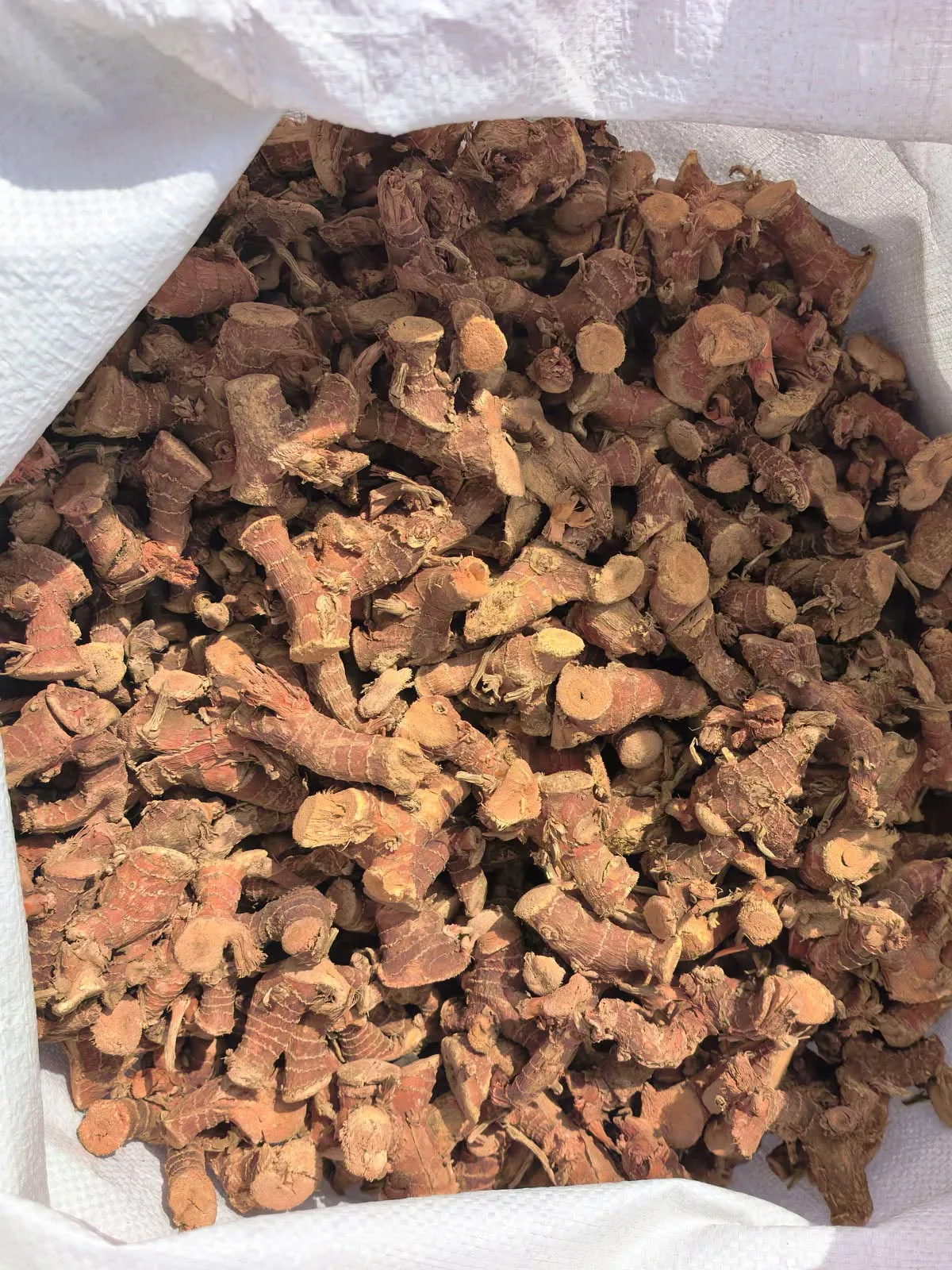
| Dried galangal whole & chunk | On request | Written piece definition | Where a buyer grinds in-house or repacks for the trade. |
Name the corridor your forwarder is using rather than only the destination. On this route it decides the schedule and the transit documents.
Both products in detail
A quotation to a landlocked market is really a quotation to a sea leg plus an overland leg, and here the overland leg differs substantially depending on which gateway is used. Two shipments to the same warehouse can involve different ports, different transit jurisdictions, and different paperwork.
So we ask which corridor before we quote, and we quote against that rather than against a regional average. A single figure for the region would be arithmetic rather than information.
We will not recommend a corridor. Capacity, congestion, and inland conditions shift, the people who track them properly are freight forwarders operating in the region, and a supplier ten thousand kilometres away offering an opinion on it is guessing with somebody else's money.
What we can do is make the choice cheap to change: documents prepared for the corridor actually named, described so they can be reissued for a different one without renegotiating the specification, and a production date that does not assume a particular gateway.
Whichever corridor is used, the consignment is examined by parties who have no relationship with either of us and no reason to interpret anything generously. The discipline is the same as on any transit route and worth stating: the commodity described identically everywhere, quantities and marks that reconcile without arithmetic, and nothing that needs a conversation to make sense.
Food safety requirements and plant health conditions belong to the destination country rather than to the corridor, and they differ between these markets. A phytosanitary certificate accompanies the goods with conditions confirmed per consignment; the rest is for your own broker to confirm for the specific destination.
The inland portion is a meaningful share of this journey on every corridor, with more handling and more transfers than a port-to-door movement. Outer packaging is specified for the whole trip rather than for container stacking, and the temperature swing on land matters more than the humidity at sea.
That is one of the few things on this page that does not change with the routing, which makes it the sensible place to be conservative. A pack specified for the harder corridor works on the easier one; the reverse does not.
Several coastal gateways serve these markets and the choice belongs to your forwarder. We prepare documents for the one named at booking rather than assuming a default.
Quoted as the sea leg we control plus an overland portion relayed from your forwarder as a range. The two are never added into a single door-to-door figure, because the second half is arranged by parties we do not appoint.
Prepared for the corridor named, and described so a change of gateway does not require renegotiating the specification. Changing route should cost paperwork, not a new agreement.
Consolidated and part-container shipments are normal for these volumes. Tell us the quantity each destination actually needs rather than rounding up to fill a box.
The overland leg runs through a wide daily temperature swing on every corridor. Liner and ventilation are specified for the whole journey and for the harder routing rather than the expected one.
Enquiries arrive in English and use the English trade term, and the botanical name Alpinia galanga keeps a description stable across the several readers a consignment acquires between the gateway and the buyer.
Commercially the pattern follows established import trade practice. What is worth raising in the first message is the corridor rather than the terms, because it is the one input that changes the schedule most and the one neither of us should be assuming.
Approve a physical sample before any container commitment. The approved sample becomes the acceptance reference.
Format, tolerances, packing, and documents recorded before production. No verbal promises.
Trial quantities and mixed loads are reviewed before quotation — you are not forced into full-container risk.
We will not recommend one. Capacity and inland conditions shift, the people who track that properly are forwarders operating in the region, and a supplier ten thousand kilometres away offering an opinion is guessing with your money. Name the corridor and we quote against it.
No, and a regional average would mislead you. Two shipments to the same warehouse can use different ports and different transit jurisdictions. We quote the sea leg as a commitment and the overland leg as a range from your forwarder.
Paperwork changes; the agreement should not. Documents are described so they can be reissued for a different gateway without renegotiating the specification, and the production date does not assume a particular route.
Not directly. Food safety and plant health conditions belong to each destination country and differ between them, so experience with one is useful background rather than a shortcut. What does carry across is the document discipline — the same set, described the same way, satisfies more readers than a set assembled per shipment.
Specify for the harder one. The overland leg is a meaningful share of every corridor and the temperature swing on land matters more than the humidity at sea — and a pack built for the harder routing works on the easier one, while the reverse does not.
Destination is pre-filled — change it to the market you are importing into. Name the corridor your forwarder uses; on this route it decides the schedule more than the specification does.
Complete briefs receive a substantive reply from the export desk — not an autoresponder. Incomplete enquiries receive clarifying questions the same day.