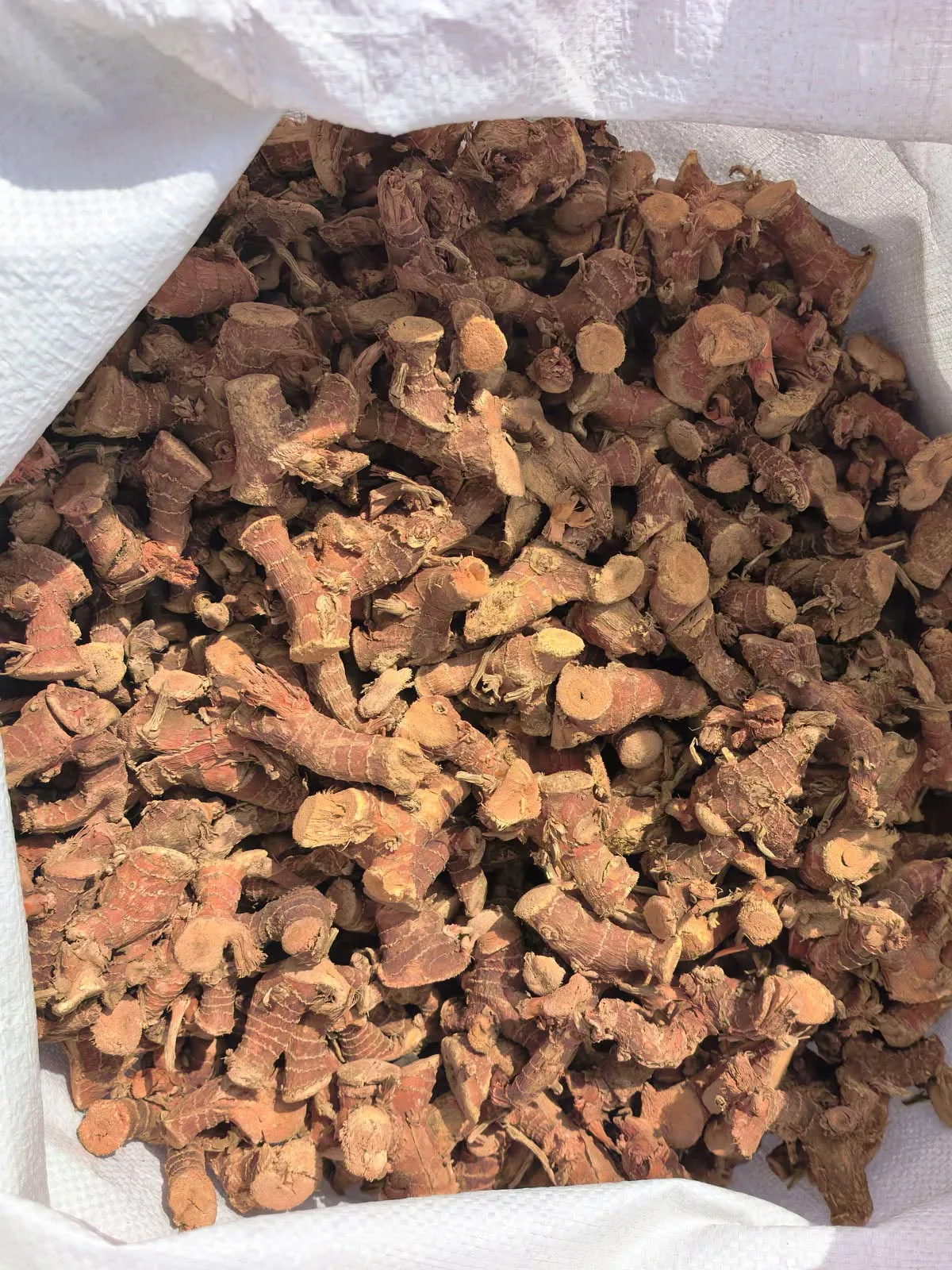
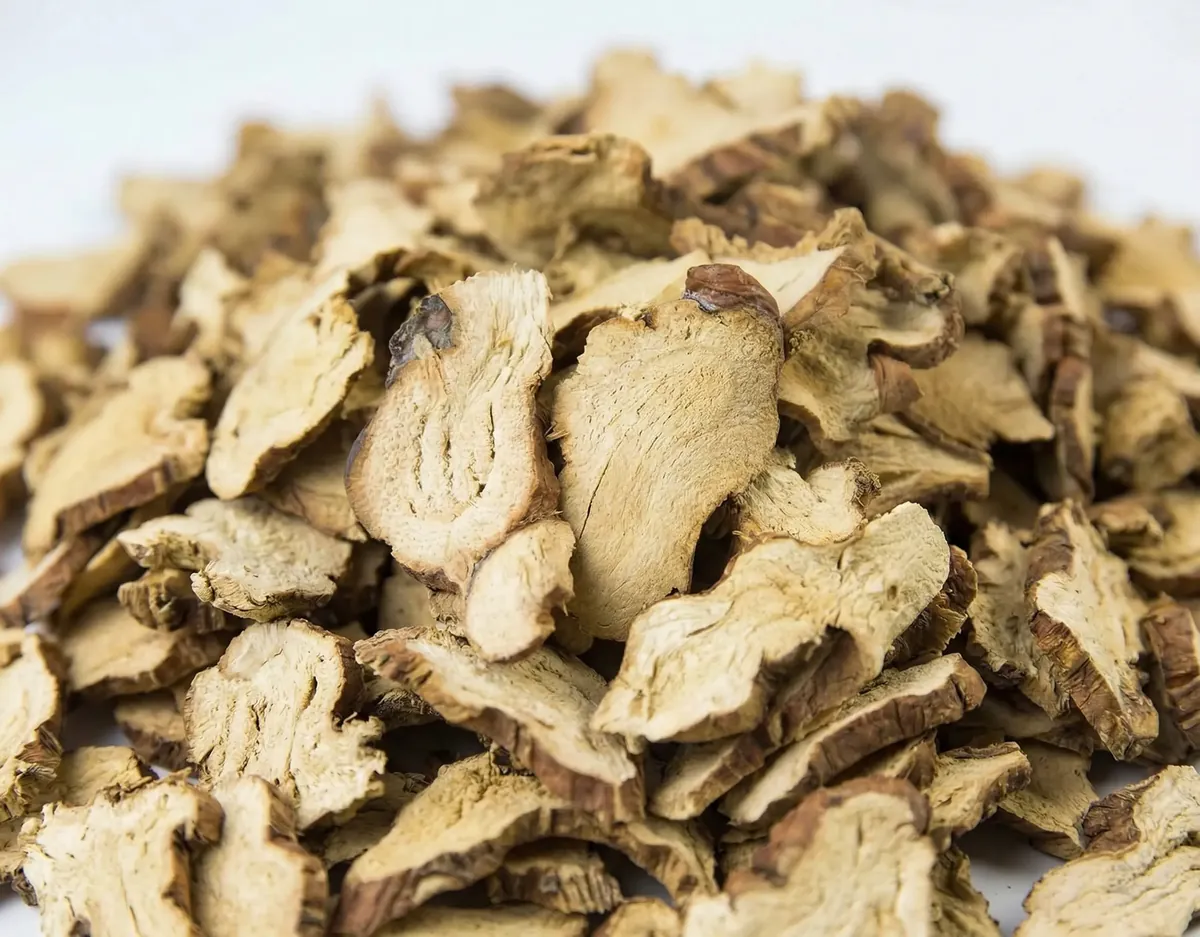
Dried galangal slices
- Cut
- Buyer-defined
- Basis
- Approved sample
Market notes
Buyers here process spice themselves, which means they are not judging how the material looks — they are judging what will be left after they sort it. That is a harder question, and a fairer one.
Short answer: For dried galangal in Spain, define application, format, physical tolerances, moisture, packing, quantity, destination, documents, and Incoterm. Judged the way a processor judges: not how it looks, but what survives their own screening — and whether that repeats.
Spain has a long-established spice processing industry, and the habits that come with it shape how an enquiry from here reads. Buyers are frequently equipped to dry, mill, sieve, and grade on their own lines, and they are used to receiving raw material and making it into something saleable rather than receiving something already finished.
That changes the question being asked of a supplier. A distributor asks whether the material can be sold as it arrives. A processor asks what fraction survives their own screening, and — more importantly — whether that fraction is the same next time. A lot that grades well but unpredictably is worse for this buyer than a lot that grades moderately and consistently, because the second one can be planned around and the first one cannot.
There is a second buyer here that should not be lumped in with the first: importers supplying the restaurant and Asian grocery trade in the larger cities, who buy to resell in the condition it arrives. They ask the questions a distributor asks. Both are legitimate; the sample we would send is not the same, which is why the enquiry should say which one you are.
| Product | Relevance here | Suggested grade / format | Note |
|---|---|---|---|
| Dried galangal whole & chunk | Lead | Written piece definition | Processors reducing on their own equipment want control of particle size themselves, and buying a finished cut removes a step they are set up to do. |
| Dried galangal slices | On request | Buyer-defined cut, sample-led | For importers reselling in arrival condition, and for processors who do not want to reduce in-house on a given line. |
Note the order: this is one of the few markets on this list where the larger format leads, because the buyer often prefers to cut it themselves.
Both products in detail
Entry conditions are the EU ones, enforced by the Spanish authorities at the border facilities serving the port, and each consignment carries its own phytosanitary certificate. That position applies at any European port and is set out on our other EU pages. It matters here mainly because of what a processing buyer adds on top of it.
A processing buyer will meet the legal requirement and then apply their own. Where material is milled, contaminants concentrate rather than disperse, and a figure that passes comfortably on whole pieces can sit differently in a ground product. Buyers who mill know this; suppliers who only ship whole material sometimes do not.
So the useful conversation here is about what happens to the material after it leaves us. Tell us the reduction step and the finished form, and the specification is scoped against that rather than against the border alone.
A processor does not really buy a grade; it buys a yield. Two lots that look alike on a certificate can behave differently once they are sorted, and the one that leaves less behind is cheaper even at a higher unit price. This is the arithmetic a trading buyer never has to do and a processing buyer does on every lot.
It follows that the most useful thing you can tell us is not a tighter number but what you are removing and why. If a fraction is being pulled out because of size, we can often address it in the cut. If it is being pulled out because of colour or piece integrity, that is a drying and handling question upstream. They are different problems and only one of them is solved by tightening a tolerance.
For a processor, the valuable commitment is not a single impressive figure — it is a figure that repeats. We would rather agree a tolerance we can hold on every lot than quote a best case we met once, because the second one costs you a production plan the first time it is missed.
Valencia for most shipments. Barcelona and Algeciras are used where a buyer's inland position or onward routing favours them, and the choice changes nothing in the specification.
Tanjung Priok to Valencia, sailing schedule and transit stated in the quotation for the booking offered.
A processing buyer opens the pack into equipment rather than onto a shelf, so the useful questions are bag weight against the hopper, liner behaviour when cut, and whether the outer is stackable in your intake area. Tell us the intake and the pack is specified to it.
For a buyer who mills, arrival moisture is not a cosmetic question but a mechanical one: material that has picked up moisture in transit smears rather than fractures, and the mill tells you before the laboratory does. Liner and ventilation are therefore agreed against your reduction step, not against a general standard.
The Spanish trade name is galanga, close enough to the English term that confusion is rare, and written specifications here are usually in Spanish and English side by side. Where precision matters — and with a processor it usually does — the botanical name Alpinia galanga settles it, because it distinguishes this rhizome from the smaller related species that share a common name in several languages.
The commercial rhythm follows the mill, not the harvest. A processor books raw material against a production plan that is already committed downstream, which means the date a lot is needed is fixed long before the price is agreed — and a supplier who can hold that date is worth more than one who is a little cheaper and arrives in the wrong week. Say at enquiry whether you are planning steady monthly lots or a small number of larger drops; it changes the packing brief and the lead time far more than it changes the unit price.
Approve a physical sample before any container commitment. The approved sample becomes the acceptance reference.
Format, tolerances, packing, and documents recorded before production. No verbal promises.
Trial quantities and mixed loads are reviewed before quotation — you are not forced into full-container risk.
The tolerance you need to hold after your own screening, not the one that looks best on paper before it. Tell us what your screen removes and roughly what fraction you expect to lose, and we will agree a figure that survives that step rather than one that only describes the lot as loaded.
It changes where it matters. Reduction concentrates rather than disperses, so a result that is comfortable on whole pieces can read differently in a ground product. Tell us the reduction step and the finished form and the testing scope is set against that, not against the border requirement alone.
Because buyers here are frequently equipped to cut it themselves, and buying a finished cut removes a step they are set up to do — usually at a cost they would rather not pay. If your line takes a defined cut instead, slices are available on the same basis; the order in that table is a starting assumption, not a rule.
It moves, and any supplier who says otherwise is describing a wish. What we can do is agree a tolerance we are confident of holding across that movement and state it in writing, so your plan is built on the band rather than on a single good lot.
Usually yes, and it is cheaper to say so at enquiry than to discover it later. Material judged by a screening line and material judged on a shelf are assessed on different things, and splitting the brief lets each part be specified honestly instead of one compromise covering neither well.
Destination is pre-filled. Tell us whether you process the material yourself or resell it as it arrives — that single answer changes which format and which tolerances we would put in front of you.
Complete briefs receive a substantive reply from the export desk — not an autoresponder. Incomplete enquiries receive clarifying questions the same day.