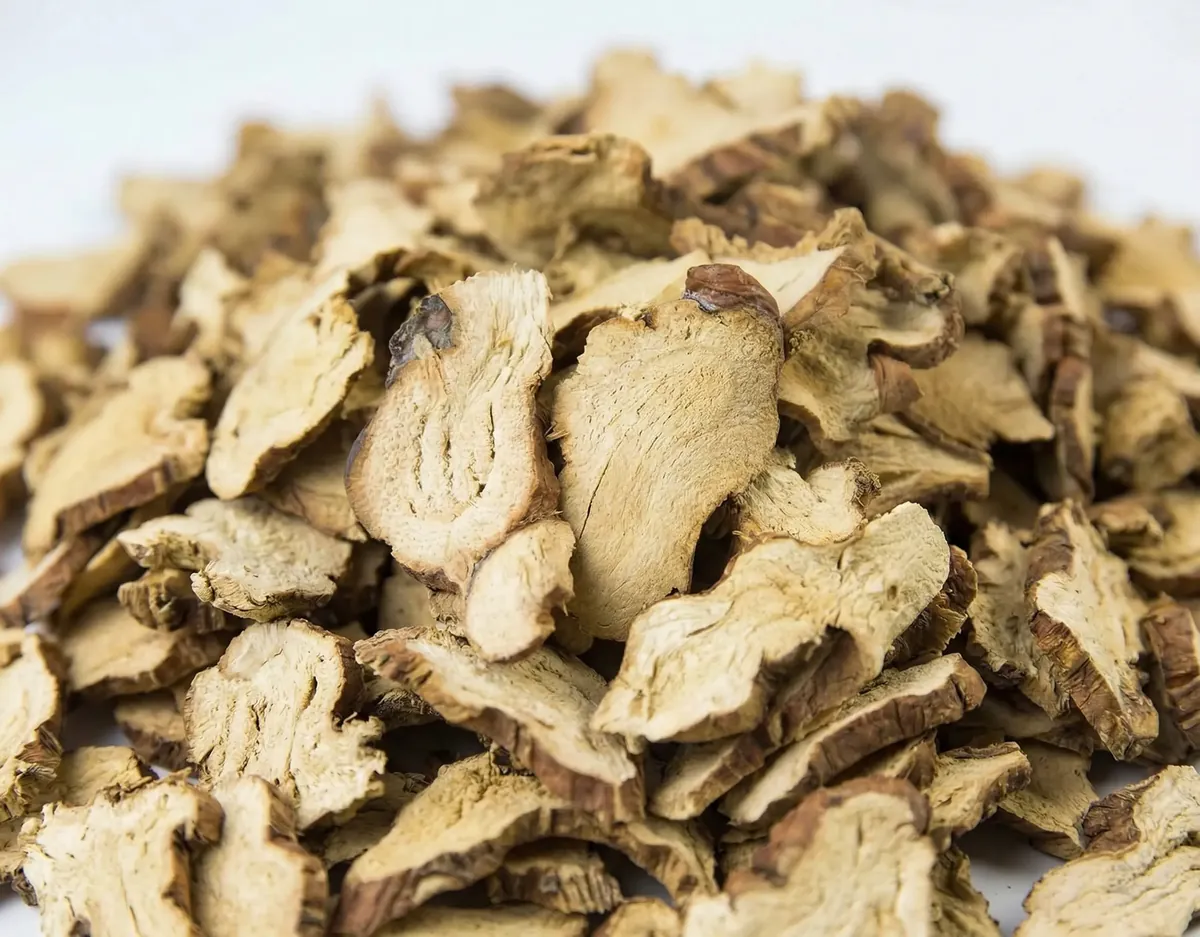
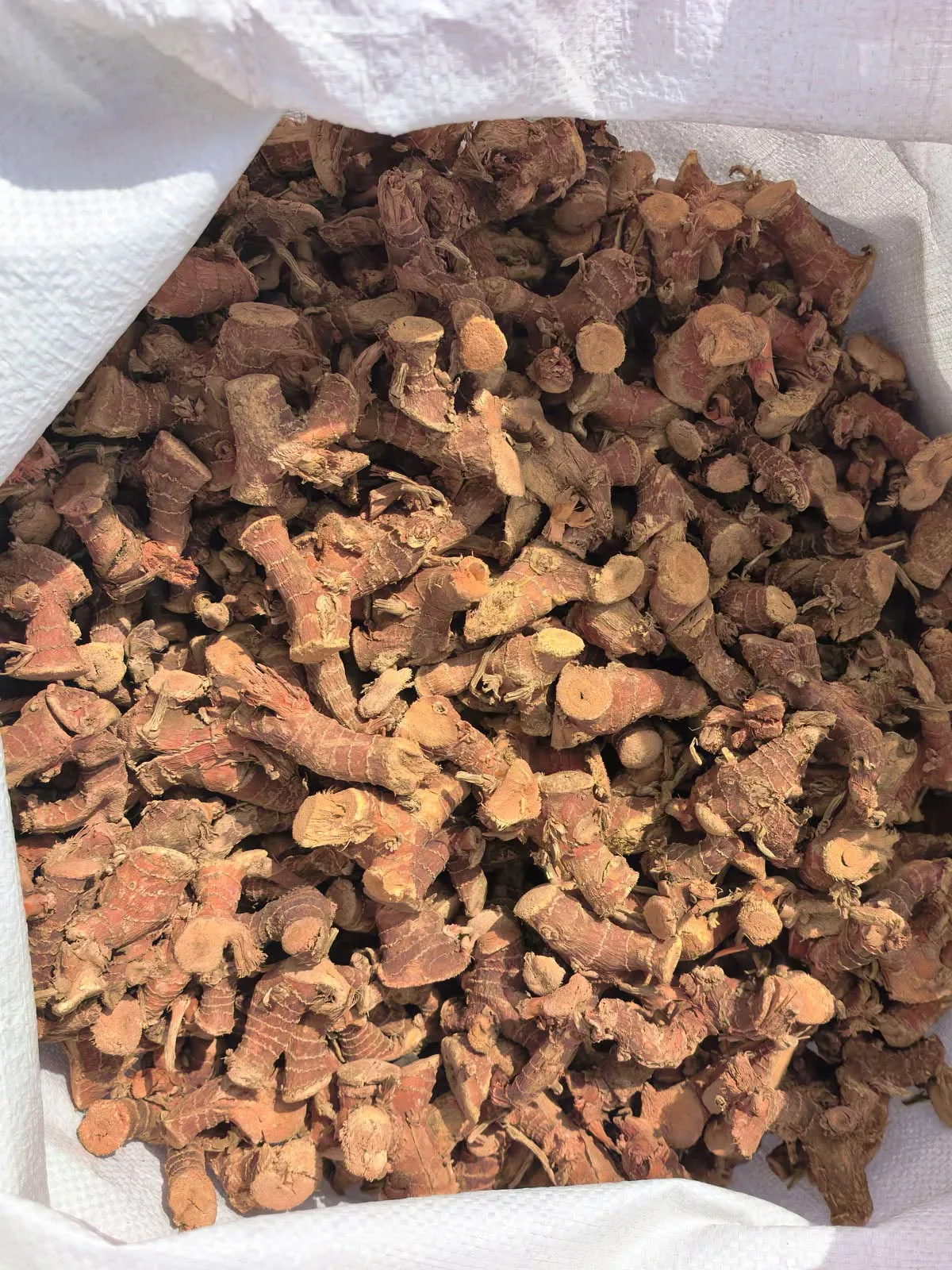
Dried galangal slices
- Cut
- Buyer-defined
- Basis
- Approved sample
Market notes
Buyers here ask for a kind of evidence no laboratory can produce: where the material came from and under what conditions it was grown and handled. That is a harder question than a certificate of analysis, and we would rather answer it honestly than impressively.
Short answer: For a galangal quotation to Sweden, agree the use, slices or whole/chunk, physical tolerance, moisture, packing, quantity, destination, documents, and trade term. Buyers ask for evidence no laboratory can produce: where it came from and under what conditions. A harder question than a certificate of analysis.
The Swedish food trade buys in modest volumes and asks a wide set of questions. Manufacturers producing Asian-style products and importers supplying grocery and food service make up most of the demand, and both sit downstream of a retail sector that has made sourcing conduct part of how it competes.
What that means for an ingredient supplier is specific. Alongside the ordinary questions about specification and analysis, a buyer here will often ask things a laboratory cannot answer: where the crop was grown, how far back the chain can be traced, what is known about labour conditions, and whether any of it has been checked by somebody other than us. These arrive as a supplier questionnaire rather than as a negotiation, and they are frequently a condition of listing rather than a preference.
A supplier who treats those questions as a formality answers them badly. A supplier who cannot answer them at all should say so early, because in this market that is a real constraint rather than a detail to be worked around later.
| Product | Relevance here | Suggested grade / format | Note |
|---|---|---|---|
| Dried galangal slices | Lead | Buyer-defined cut, sample-led | Bought by manufacturers producing Asian-style products and by importers supplying grocery and food service. |
| Dried galangal whole & chunk | On request | Written piece definition | For the smaller number of buyers reducing in-house rather than buying a finished cut. |
Volumes are modest and consolidated shipments are normal. The documentation conversation is usually longer than the specification one.
Both products in detail
We do not currently hold a third-party sustainability or social compliance certification, and we would rather put that in the first line than let it surface after a questionnaire arrives. Saying so does not end the conversation in every case, but it should shape it honestly from the beginning.
What we can do is describe our chain accurately: where material is grown and collected, how far back a given lot can be traced, and who handles it between the field and the container. What we will not do is answer a questionnaire with aspirations written in the present tense, because that is the one failure this market is specifically built to detect.
Tracing a lot back to a collection area is a different exercise from tracing it to a named farm, and the two are often conflated in a questionnaire. It is worth being precise about which one is being asked for, because the honest answer differs and a vague answer will be read as the weaker one. Tell us the level your programme requires and we will tell you what we can actually evidence today.
Sweden is in the European Union, so residue and contaminant rules are EU-level and apply to dried galangal as a dried spice, with a phytosanitary certificate for plant health and enforcement by the national authority. That part of the picture is the same as it is for any EU destination and it is not what makes this market distinct — the paragraph above is.
Gothenburg for most shipments. Consignments also arrive via the larger continental hubs and continue overland or by feeder, which is a routing decision for your forwarder rather than a specification one.
Tanjung Priok to Gothenburg, sailing schedule and transit stated in the quotation for the booking offered. Feeder legs and transhipment are common on this route and belong in the quoted transit rather than outside it.
Normal rather than exceptional. Tell us what you actually need — a realistic quantity is easier to schedule and easier to document properly than one sized to fill a container.
In this market the packing brief is sometimes assessed alongside the material — recyclability, material declarations, and whether a component can be separated at disposal. Tell us if your programme covers packaging and it is specified with that in mind rather than revised after a listing review.
Enquiries arrive in English and specifications are written in it, so naming is rarely the problem here that it is in markets with a strong local trade term. Carrying Alpinia galanga is still worth doing where a document will be read by an auditor rather than a buyer, because an auditor is checking that descriptions match rather than that a product is understood.
Commercially, expect a slow and thorough first engagement, a documentation exchange that is longer than the price discussion, and a buyer who does not switch supplier casually once satisfied. On this route the reward for answering hard questions honestly is a relationship that outlasts the first disappointing quarter.
Approve a physical sample before any container commitment. The approved sample becomes the acceptance reference.
Format, tolerances, packing, and documents recorded before production. No verbal promises.
Trial quantities and mixed loads are reviewed before quotation — you are not forced into full-container risk.
No, and we will not present something else as an equivalent. If your listing requires one, that is a real constraint and it is better established now than after a questionnaire. If your programme accepts a documented supply chain description instead, tell us the format and we will answer it accurately.
Tell us the level your programme requires — collection area and named farm are different questions and the honest answers differ. We will describe what we can actually evidence for the lot you would receive rather than what the chain looks like in general.
By describing what we know and being explicit about what we have not independently verified. An answer that claims assurance we have not obtained is worse than an incomplete one, because this market audits and a claim that fails is harder to recover from than a gap that was declared.
Tell us what they are and we will specify to them where we can. Packaging is usually the most adjustable part of an offer, but it has to be decided before production rather than after a listing review — retrofitting a pack specification is not possible once a lot is made.
Because the regulatory position here is the same EU one described elsewhere, and repeating it would add length without adding information. What is genuinely different about this market is the evidence asked for alongside it, which is what the rest of this page is about.
Destination is pre-filled. Tell us the product, the volume, and — most usefully — the supplier questionnaire or programme you are held to, so the first answer addresses it rather than avoiding it.
Complete briefs receive a substantive reply from the export desk — not an autoresponder. Incomplete enquiries receive clarifying questions the same day.