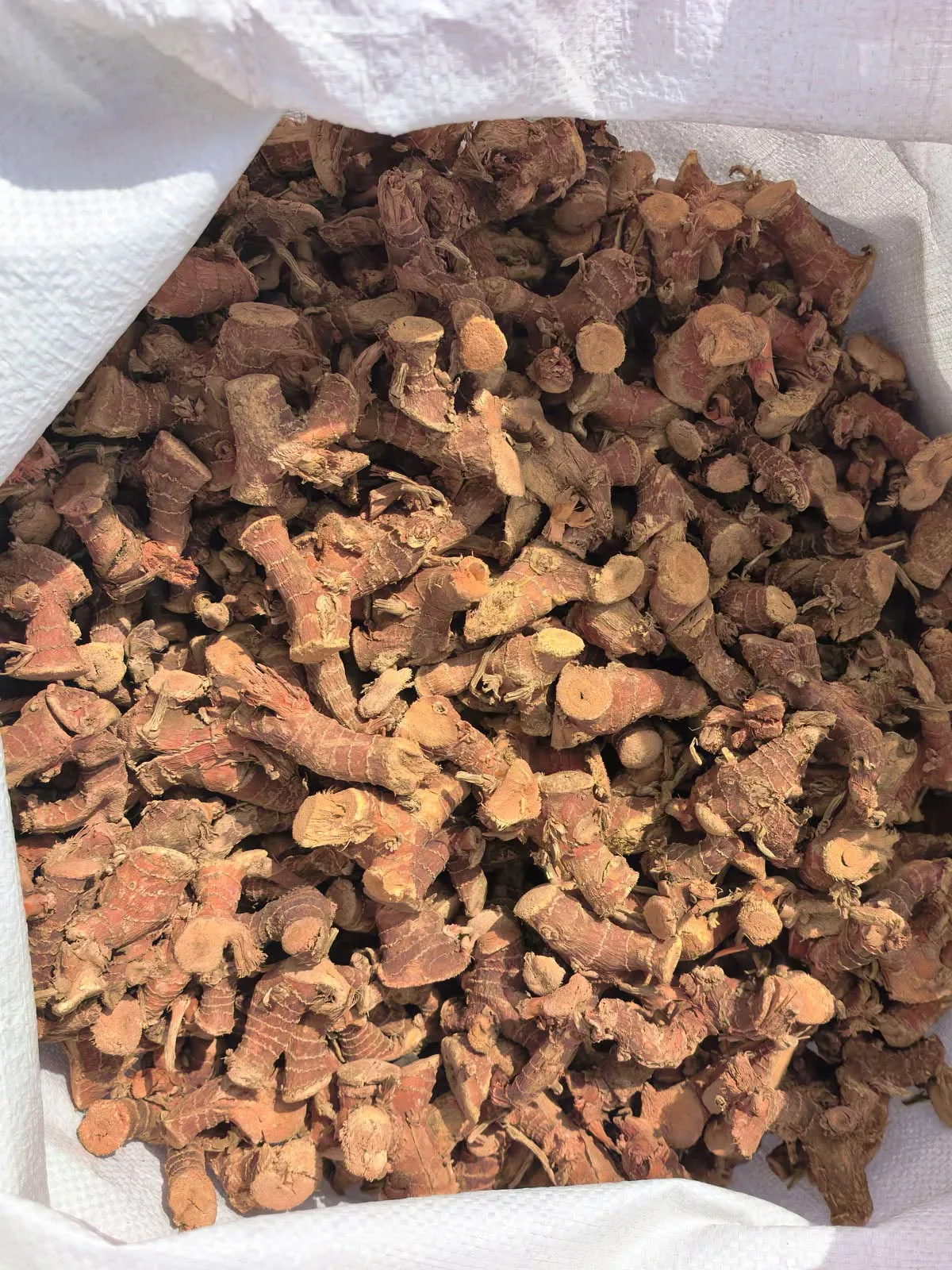
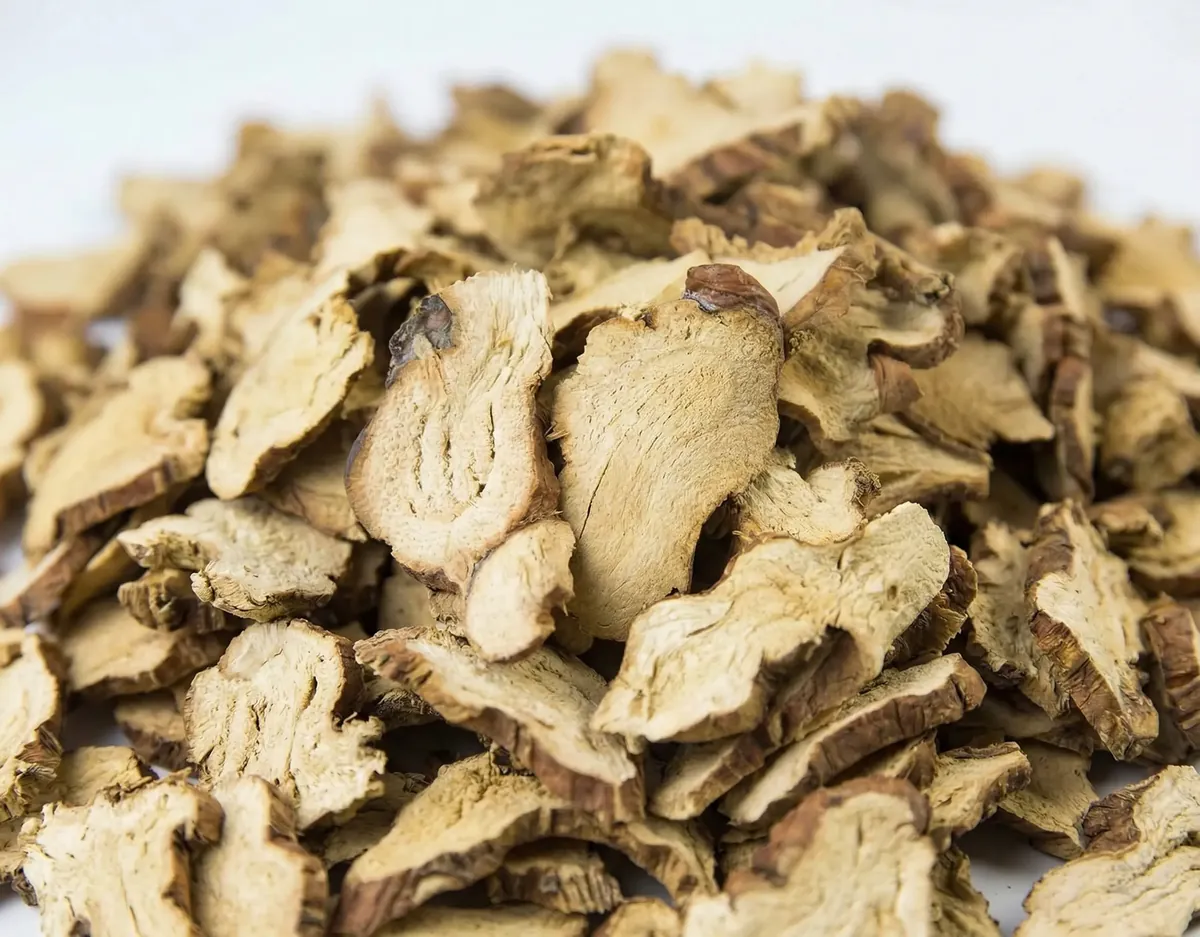
Dried galangal slices
- Cut
- Buyer-defined
- Basis
- Approved sample
Market notes
This is the one market where Indonesian origin is not something we have to argue for. A large share of the demand comes from Indonesians living here — so the question is not why Indonesia, but whether it really is.
Short answer: A galangal enquiry for Taiwan should state use, slices or whole/chunk, cut or piece tolerance, moisture, packing, volume, destination, documents, and trade term. The one market where Indonesian origin is the requirement rather than the pitch.
Taiwan hosts a large Indonesian population working on fixed-term contracts, and it is the single biggest migrant group in the country. That has built a retail and food-service channel that did not exist a generation ago: convenience chains now stock Southeast Asian sections, and Indonesian grocery operators run their own stores. Demand here follows people rather than cuisine trends.
What that does to a sourcing conversation is unusual. In most markets a supplier spends the first exchange explaining why Indonesian origin is worth having. Here the buyer's customers already know the product from home and will notice immediately if it is not what they expect. Origin stops being a selling point and becomes a specification item — one you should expect to be asked to evidence rather than assert.
There is a second, quieter channel worth naming: food manufacturers and the herbal trade, where galangal is known under its Chinese name rather than as a Southeast Asian ingredient. Those buyers ask different questions — identity and consistency rather than familiarity — and they rarely share a purchasing team with the retail channel, so it is worth saying at enquiry which one you are.
| Product | Relevance here | Suggested grade / format | Note |
|---|---|---|---|
| Dried galangal slices | Lead | Buyer-defined cut, sample-led | Retail repacking for the Indonesian community, plus food service cooking to home recipes. |
| Dried galangal whole & chunk | Secondary | Written piece definition | Grinders and the herbal trade, where the material is processed rather than cooked. |
Say which channel you serve. Retail repacking and herbal processing want almost opposite things from the same rhizome.
Both products in detail
Border inspection applies to food consignments, with the registration and documentation obligations sitting largely on the importer rather than on us, and a phytosanitary certificate accompanies the goods under conditions confirmed for the booking. The division of labour is worth noting: most of what has to be arranged here is arranged by you, which makes your readiness the earliest date in the schedule.
A large part of the demand this page is written for comes from buyers supplying Indonesian workers living in Taiwan for a fixed period. That is a different kind of market from a settled community: the population turns over, so preferences do not drift towards local substitutes over a generation the way they do elsewhere. What was familiar at home stays the reference point.
The commercial consequence is that Indonesian origin is not a differentiator we are offering. It is the specification. A buyer here is not weighing our origin against another one; they are checking whether we can supply the thing their customers already expect, consistently, at a price that works in a value-conscious retail channel.
Where the end customer is buying something familiar, a lot that is noticeably different from the last one is a problem even if it is objectively better. An unusually pale or unusually large cut invites the question of whether the product changed, and that question costs a buyer more to answer than any quality gain is worth to them.
So the useful commitment on this route is repeatability rather than a best case. If a lot is going to differ visibly from the previous one, we would rather say so before it ships than let a buyer discover it at the shelf.
Because the end customer knows the product from home, origin documentation carries more weight here than in markets where galangal is a generic imported spice. A certificate of origin is ordinary paperwork everywhere; in this market it is also the thing your retail customer may be asked about directly.
We supply it as standard rather than on request, and we will not blend origins into a consignment sold as Indonesian. That is not a moral position — it is that a buyer serving this community would find out, and would be right to stop buying.
Kaohsiung for most shipments; Taipei-area routing through Keelung where the buyer's distribution sits in the north. The island is small enough that inland cost rarely decides the choice, which is unusual on this list.
Tanjung Priok to Kaohsiung, stated in the quotation for the booking offered.
Material bound for grocery shelves is repacked small. Where you know the retail pack weight, say it — bulk packing that has to be broken down twice costs more than packing specified once for the end format.
Origin and destination share a humid subtropical climate, so condensation across climate zones is less of a driver here than on northern routes. Storage conditions after arrival matter more than the passage itself.
Two vocabularies run in parallel and rarely meet. The Indonesian channel uses lengkuas exactly as it is used at origin. The Chinese-language trade uses its own name, and buyers there approach the material as a dried aromatic rather than as a cooking ingredient from somewhere else. A supplier who recognises which vocabulary an enquiry is written in already knows which channel it came from.
Commercially, T/T is standard and order sizes are moderate rather than large — this is a market of steady repeat volume rather than occasional big containers. Short sea legs from Indonesia make that pattern workable instead of marginal.
Approve a physical sample before any container commitment. The approved sample becomes the acceptance reference.
Format, tolerances, packing, and documents recorded before production. No verbal promises.
Trial quantities and mixed loads are reviewed before quotation — you are not forced into full-container risk.
Yes, and we treat it as a standing requirement rather than a request. A certificate of origin accompanies the consignment, and we do not blend origins into a shipment sold as Indonesian. Your customers would notice before you did.
It changes what matters most. Retail repacking rewards consistent piece appearance and predictable pack weight; a manufacturer would care about neither. Tell us the retail format at enquiry and the bulk packing is specified so it breaks down cleanly rather than twice.
A different one entirely. Identity confirmation and consistency move to the front, appearance moves back, and whole or chunk is usually the better format because you are milling it yourself. The two channels here rarely share a buyer, so we quote them separately.
Destination is pre-filled. Say which channel you serve — retail repacking or processing — and the retail pack size if you already have one.
Complete briefs receive a substantive reply from the export desk — not an autoresponder. Incomplete enquiries receive clarifying questions the same day.