Market notes

Indonesia Galangal Dried Supplier for Uzbekistan

There is no routing here that crosses only one foreign border. That is not a complication to be managed around — it is the shape of the problem, and it decides what a delivery date can honestly mean.

Short answer: For a galangal quotation to Uzbekistan, agree the use, slices or whole/chunk, physical tolerance, moisture, packing, quantity, destination, documents, and trade term. Every routing crosses at least two foreign customs territories, so the choice is between sets of borders rather than between ports.

Who buys what, and why it differs here

Demand comes from food manufacturers producing seasonings and prepared foods, importers supplying a restaurant sector concentrated in the larger cities, and distributors serving the wider region from here. Volumes are modest and there is no reason to present them otherwise.

What makes this destination its own case is geography rather than demand. The country has no coast, and neither do the countries around it in most directions — so a consignment arriving by sea lands somewhere else entirely and then crosses at least two foreign customs territories before it reaches the buyer.

Every other page on this list treats the routing question as a choice between ports. Here it is a choice between sets of borders, and the ports are almost a consequence of that rather than the starting point.

Product fit for this market

Relevance by product — Uzbekistan
Product Relevance here Suggested grade / format Note
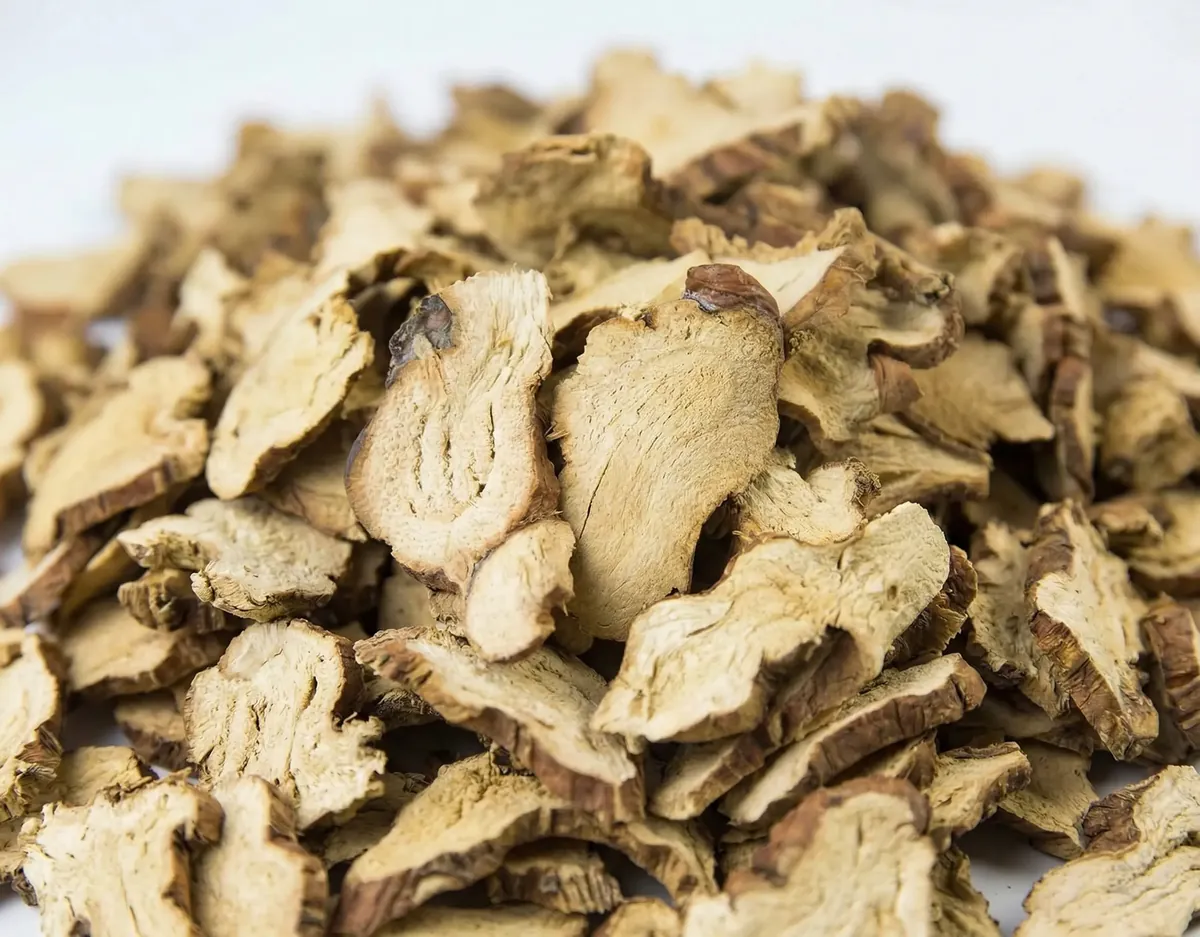
Dried galangal slices Lead Buyer-defined cut, sample-led Manufacturers and importers supplying the restaurant and specialist retail channel.
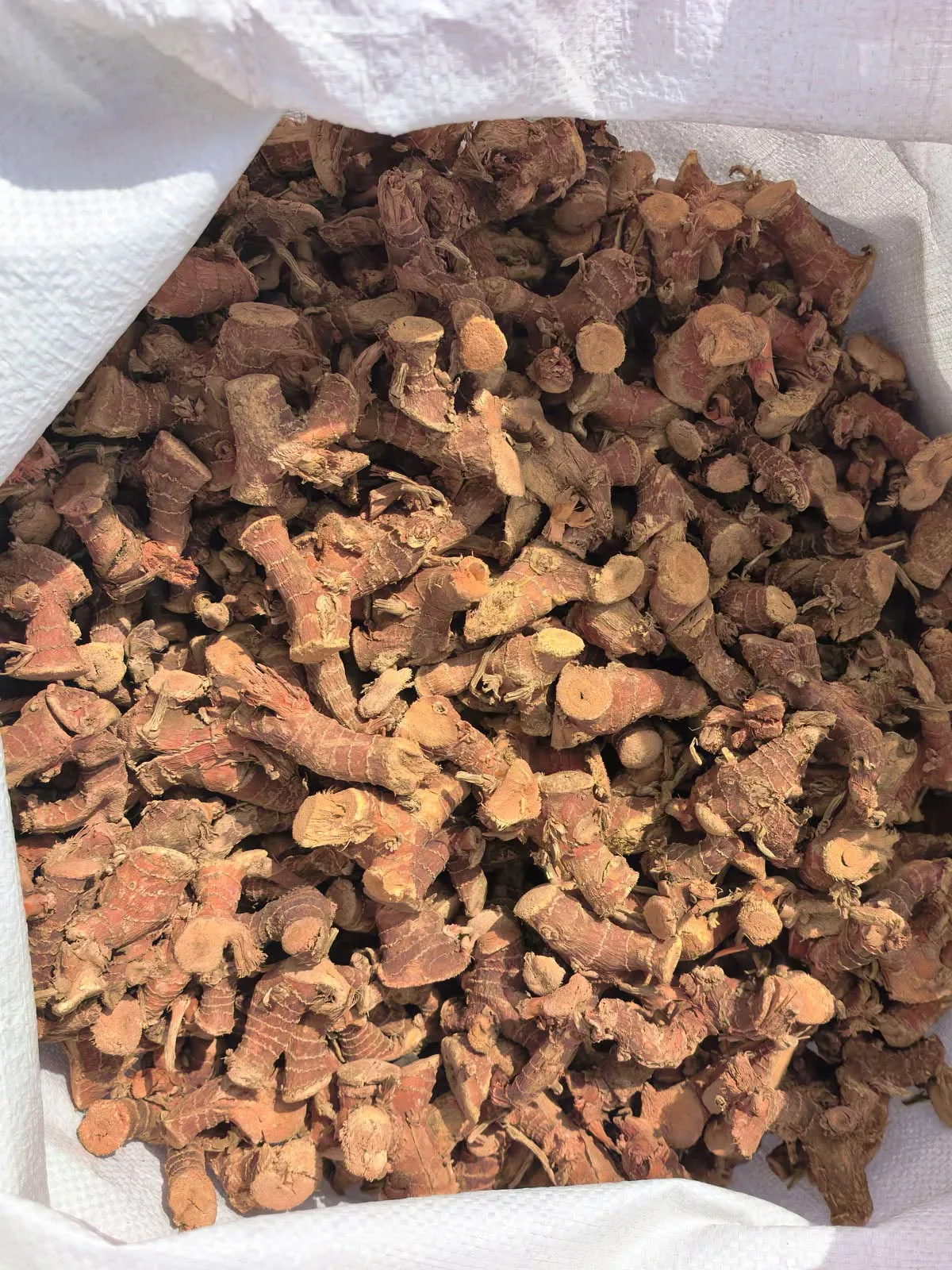
Dried galangal whole & chunk On request Written piece definition Where a buyer grinds in-house or repacks for a trade channel.

Part-container and consolidated shipments are the normal case. Order sizes follow a modest market rather than any hesitancy about the product.

Both products in detail

A choice between sets of borders, not between ports

What each additional frontier actually adds

A border is not principally a delay; it is a place where a consignment can be stopped for a reason that has nothing to do with the goods. Documentation for the destination has to satisfy each transit jurisdiction it passes through as well, and a paper that is correct for the final entry is not automatically sufficient for the crossings before it.

The arithmetic is unglamorous and it holds regardless of which route is chosen: more crossings means more independent opportunities for a hold, each one outside our control and outside yours. We would rather state that than describe a door-to-door figure as though it were a single commitment.

How we split a commitment we cannot make whole

The honest structure is two commitments rather than one. The sea leg to the port of entry is ours: a production date, a booking, and a transit we quote and stand behind. The land leg beyond it belongs to your side and to carriers we do not appoint, and we quote it as a range supplied by your forwarder rather than as a promise.

That is less satisfying than a single date and considerably more useful. When the schedule moves — and on a routing like this it does — it is immediately clear which part moved and who is placed to act on it.

Documents built to be presented more than once

Where goods cross several jurisdictions, the document set is read by parties who never dealt with us and have no reason to interpret anything generously. That argues for the same discipline this desk applies on other transit routes, applied harder: the commodity described identically everywhere, quantities and marks that reconcile without arithmetic, and nothing that needs a conversation to make sense.

None of that is difficult at issue. All of it is difficult to reconstruct once a consignment is sitting at a frontier several countries away from either of us.

Temperature on land, not humidity at sea

The overland portion of this journey runs through a continental climate where the daily temperature swing is wide and the seasonal one wider. That is a different risk from the steady humidity of a sea leg, and it is the one that decides the arrival figure here. Liner and ventilation are specified for the whole journey rather than for the ship.

Import control

Imported food is subject to national food safety control and plant material travels with a phytosanitary certificate, with conditions confirmed per consignment. The requirements applying to dried rhizome of Indonesian origin are for your broker to confirm for that combination — and on this route, so are the transit requirements.

Route and packing

Port of entry

The sea leg ends at a port in another country and the consignment continues overland from there. Which port is a decision your forwarder makes on the basis of the land routing rather than the other way round.

Transit

Stated as two separate figures for the reason set out above, and never added together into a single door-to-door number. The second figure is relayed from your forwarder and marked as a range so nobody mistakes it for something we control.

Packing for road and rail, not only for sea

The overland portion involves more handling and more transfers than a port-to-door movement. Outer packaging is specified for that rather than for container stacking alone, because a pack that survives the ship can still fail the part of the journey nobody quoted for.

Part loads

Consolidated and part-container shipments are normal on this corridor. Tell us the quantity you actually need rather than rounding up — the packing brief changes with the load type and a rounded-up first order is a slower way to test a specification.

Marks that survive several inspections

Lot identity is marked on inner packs as well as outers, because the parties opening or examining a consignment in transit are not the party who placed the order and are working from what is written on the goods.

Terminology and commercial norms

Enquiries arrive in Russian and English, and documentation for transit is frequently required in more than one language. The botanical name Alpinia galanga is what keeps a description stable across translations and across the several readers a consignment acquires on this route.

Commercially, the pattern is shaped by the corridor rather than by the market: smaller lots, longer planning horizons, and a preference for arrangements that survive a change of routing without being renegotiated. Say at enquiry which corridor your forwarder normally uses, because the document set is built for it.

How a first order into Uzbekistan is de-risked

  1. Sample first

    Approve a physical sample before any container commitment. The approved sample becomes the acceptance reference.

  2. Written specification

    Format, tolerances, packing, and documents recorded before production. No verbal promises.

  3. Start small

    Trial quantities and mixed loads are reviewed before quotation — you are not forced into full-container risk.

Questions from Uzbek buyers

Can you quote one door-to-door delivery date?

We can quote the sea leg as a commitment and the overland leg as a range from your forwarder. Presenting the two as a single figure would imply we control a portion of the journey that we do not — and when it moves, you would not know which part moved.

Do the transit countries need their own documents?

Assume so and confirm it with your forwarder. A document set that satisfies the final import is not automatically sufficient for the crossings before it, and that is the most common reason a consignment sits somewhere neither of us can reach it.

Which routing should we use?

That is your forwarder to decide, and the honest framing is that you are choosing between sets of borders rather than between ports. We build the document set for the corridor you name — tell us which one before booking rather than after.

Is moisture or temperature the bigger risk on this route?

Temperature. The overland portion runs through a continental climate with a wide daily swing, which is a different problem from steady humidity at sea. Liner and ventilation are specified for the whole journey rather than for the ship.

Will you take a part-container order?

Yes, and it is the normal case on this corridor. Tell us the quantity you actually need — rounding up to a container to look conventional just makes a first order slower to assess and more expensive to be wrong about.

Request a quotation basis for Uzbekistan

Destination is pre-filled. Tell us which corridor your forwarder uses — on this route the document set is built for the borders crossed, not for the port of entry.

Complete briefs receive a substantive reply from the export desk — not an autoresponder. Incomplete enquiries receive clarifying questions the same day.

Opens WhatsApp with your brief filled in. Nothing is stored on this site.

WhatsApp