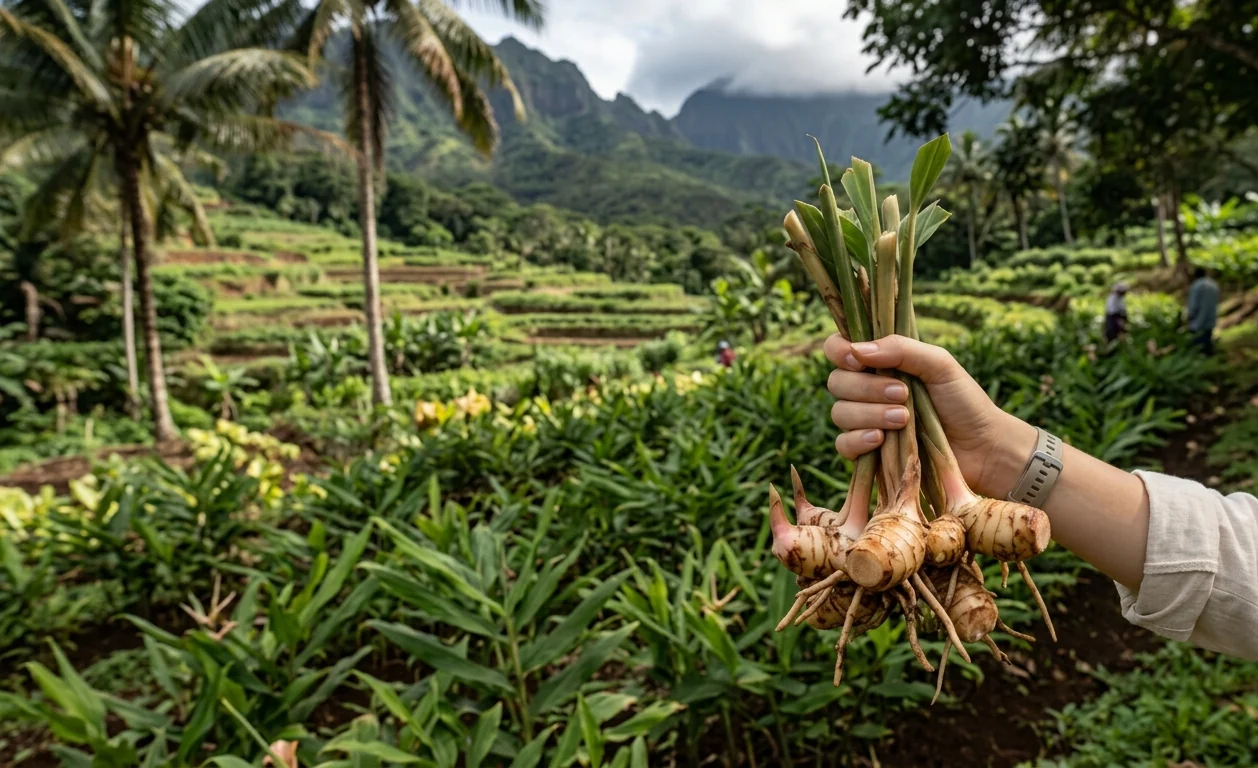
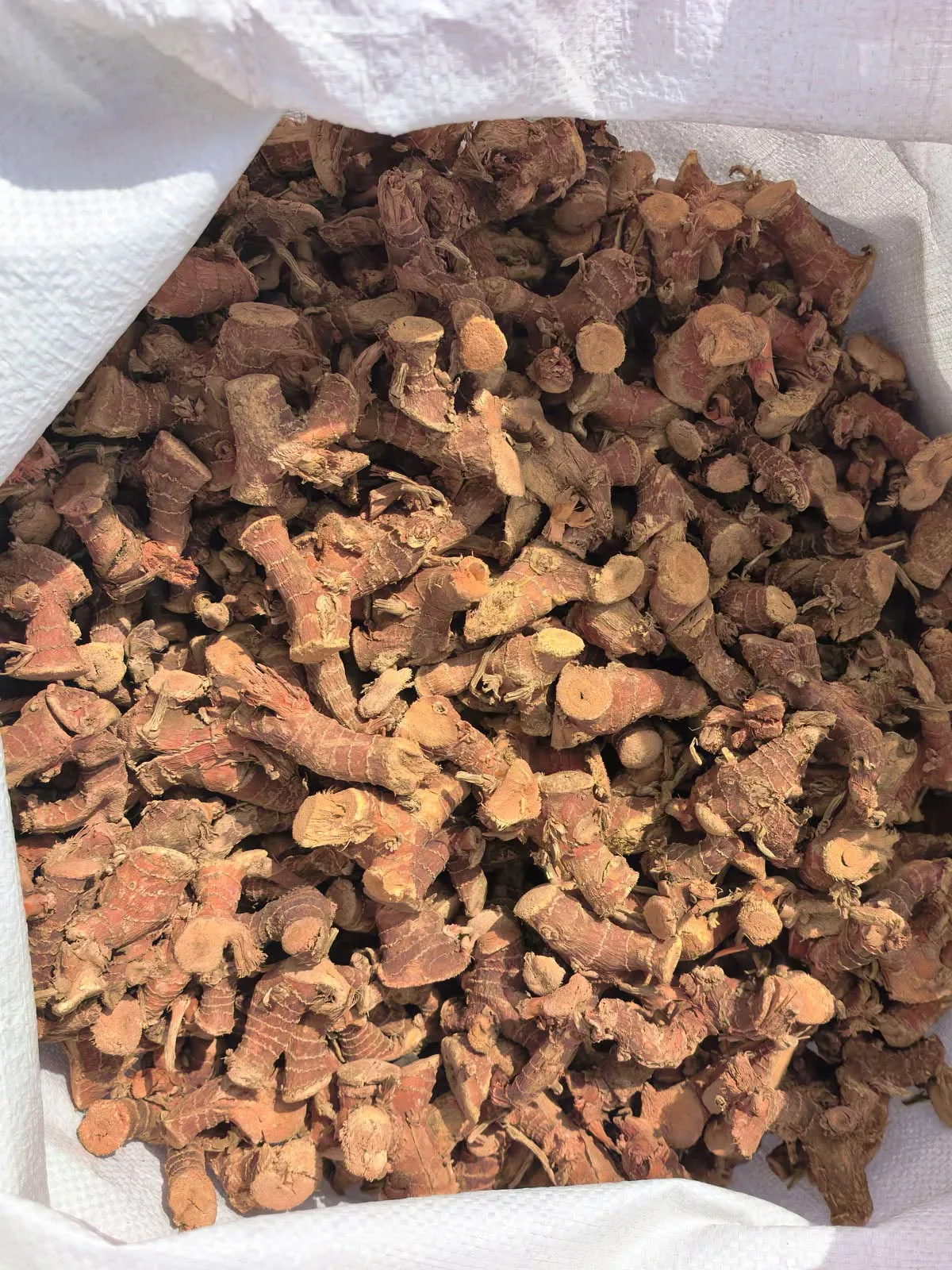
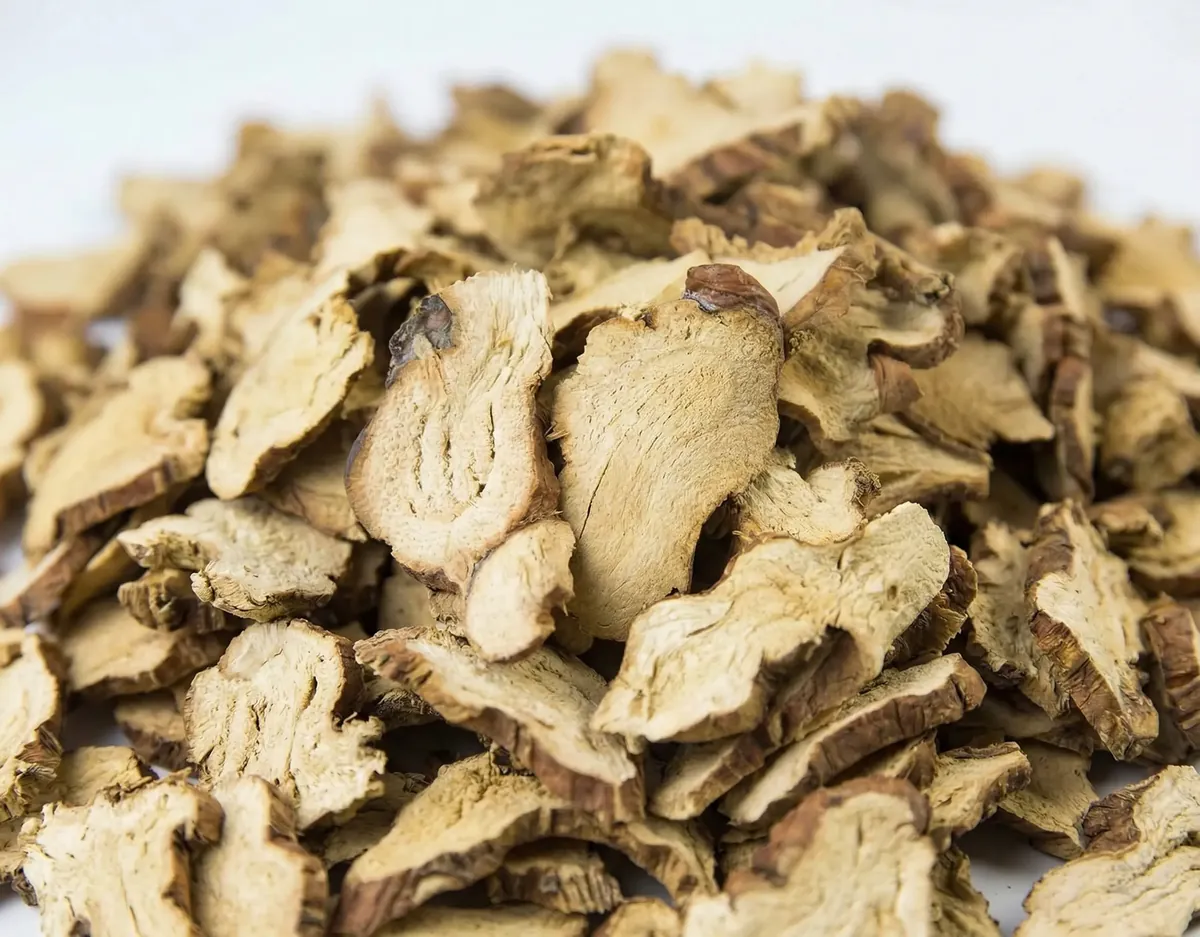
Dried galangal slices
- Cut
- Buyer-defined
- Basis
- Approved sample
Market notes
Across much of this region the duty position is set for the union rather than for the country, so the question is not which market you are in but which common tariff applies to it.
Short answer: Galangal buyers serving Francophone West Africa should confirm use, format, cut or piece range, moisture, packing, volume, destination, documents, and trade term. The tariff position is regional rather than national, and the documents are read in French.
Buyers are import houses supplying the wholesale and retail trade, food manufacturers producing seasonings and prepared foods, and distributors serving neighbouring markets from a coastal base — most often Senegal or Cote d Ivoire, the two entry points that handle the bulk of containerised trade for the region. Volumes are modest and growing, and the trade is well organised.
Two things set the region apart from its anglophone neighbours. The first is administrative and easy to underestimate: the working language of the documents is French, which affects how a description travels rather than whether it is understood.
The second matters more commercially. Several of these markets sit inside a customs union with a common external tariff, which means the duty treatment of an import is decided at the level of the union rather than by the individual country. A buyer in one member faces the same external position as a buyer in another.
| Product | Relevance here | Suggested grade / format | Note |
|---|---|---|---|
| Dried galangal slices | Lead | Buyer-defined cut, sample-led | Import houses and manufacturers supplying the wholesale and retail trade. |
| Dried galangal whole & chunk | On request | Written piece definition | Where a buyer grinds in-house or repacks for the trade. |
Tell us the tariff position your broker gives you rather than only the country. In this region they are not the same question.
Both products in detail
Where a common external tariff applies, the classification of the goods and the rate attaching to it are set regionally. For a supplier that simplifies one thing and complicates another: the same answer serves several markets, but it is an answer we cannot look up on a buyer's behalf, because it depends on the position in force at the time and on how the commodity is classified.
So the useful thing to send us is not the country but the classification your broker works to. With that, the description on our documents can be written to match it rather than to be reconciled against it later — which is the difference between a routine clearance and a query.
The trade operates in French and so do the customs documents. That is not a barrier — our documents are issued in English and that is normal for international trade — but it does mean a description is read, translated, and read again before it reaches the authority that acts on it.
Each of those steps is a chance for a term to shift. It is the reason we lead with the botanical name rather than a trade name in this region: Alpinia galanga is the one part of a description that survives translation unchanged, and a customs reader recognises it without needing the commercial vocabulary around it.
Some consignments landing here are destined for markets further inland rather than for use at the port of entry. Where that applies the onward requirement governs, so it is worth saying at enquiry — but within a common tariff area the step is considerably less disruptive than the equivalent movement elsewhere, and it is not the main thing this page is about.
Alongside the tariff position, imported food is subject to national food safety control and plant material travels with a phytosanitary certificate, with conditions confirmed per consignment. Those are national rather than regional, so confirm them for the specific market even where the duty position is shared.
We do not state a duty position for any consignment and would treat a supplier who does with some caution — classification is a broker's judgement and the figures change. What we control is that the goods are described identically on every document in the set, so whatever classification your broker settles on is supported rather than contradicted by one of the papers.
Dakar in Senegal and Abidjan in Cote d Ivoire handle most containerised import for the region, and both serve markets behind them. The choice follows the buyer base and the inland leg rather than the tariff position, which is the same either way within a union.
Tanjung Priok to the named discharge port, stated in the quotation for the booking offered. Transhipment is usual on this routing, so we quote the one actually booked rather than a typical figure.
The commodity is described identically on the invoice, packing list, certificate of origin, and analysis, with the botanical name carried on each. A description that shifts between documents is harder to resolve once translation is involved.
Part-container shipments are common and there is no penalty for them. Tell us where consolidation happens and the packing is specified for a shared load rather than a dedicated one.
The routing is warm throughout and material often waits in ambient storage before use. Liner and ventilation are agreed against the routing actually booked, and the figure that matters is the one at the point of use rather than at the rail.
Enquiries arrive in French and English. Where a trade name is used it varies, which is precisely why the botanical name does the work on documents intended for a customs reader. On the commercial side English is normal and specifications are written in it without difficulty.
Commercially the pattern follows established import trade practice and letters of credit are common. What is worth raising early is the tariff classification rather than the terms, because in this region it is the answer that determines the landed cost and it is the one neither of us should be guessing at.
Approve a physical sample before any container commitment. The approved sample becomes the acceptance reference.
Format, tolerances, packing, and documents recorded before production. No verbal promises.
Trial quantities and mixed loads are reviewed before quotation — you are not forced into full-container risk.
Within a common external tariff area, largely not — the position is set for the union rather than the member. That is your broker to confirm, and what helps us is the classification they work to rather than the country name.
No, and we would be cautious about a supplier who did. Classification is a broker judgement and the figures change. What we control is describing the goods identically on every document so whatever classification is used is supported rather than contradicted.
Not a problem, but it means a description is read, translated, and read again before the authority acts on it. That is why we lead with the botanical name — it is the part that survives translation unchanged and a customs reader recognises it directly.
Say so at enquiry, because the onward requirement governs. Within a common tariff area the step is much less disruptive than the equivalent movement elsewhere, but the food safety requirements are national rather than regional and should be confirmed for the actual destination.
Because the thing worth explaining — a duty position decided regionally and a document chain that runs through French — is shared. Where one of these markets develops a requirement genuinely its own, it gets its own page rather than a share of this one.
Destination is pre-filled — change it to Abidjan or the port you use. Send the tariff classification your broker works to; it is more useful to us than the country name.
Complete briefs receive a substantive reply from the export desk — not an autoresponder. Incomplete enquiries receive clarifying questions the same day.