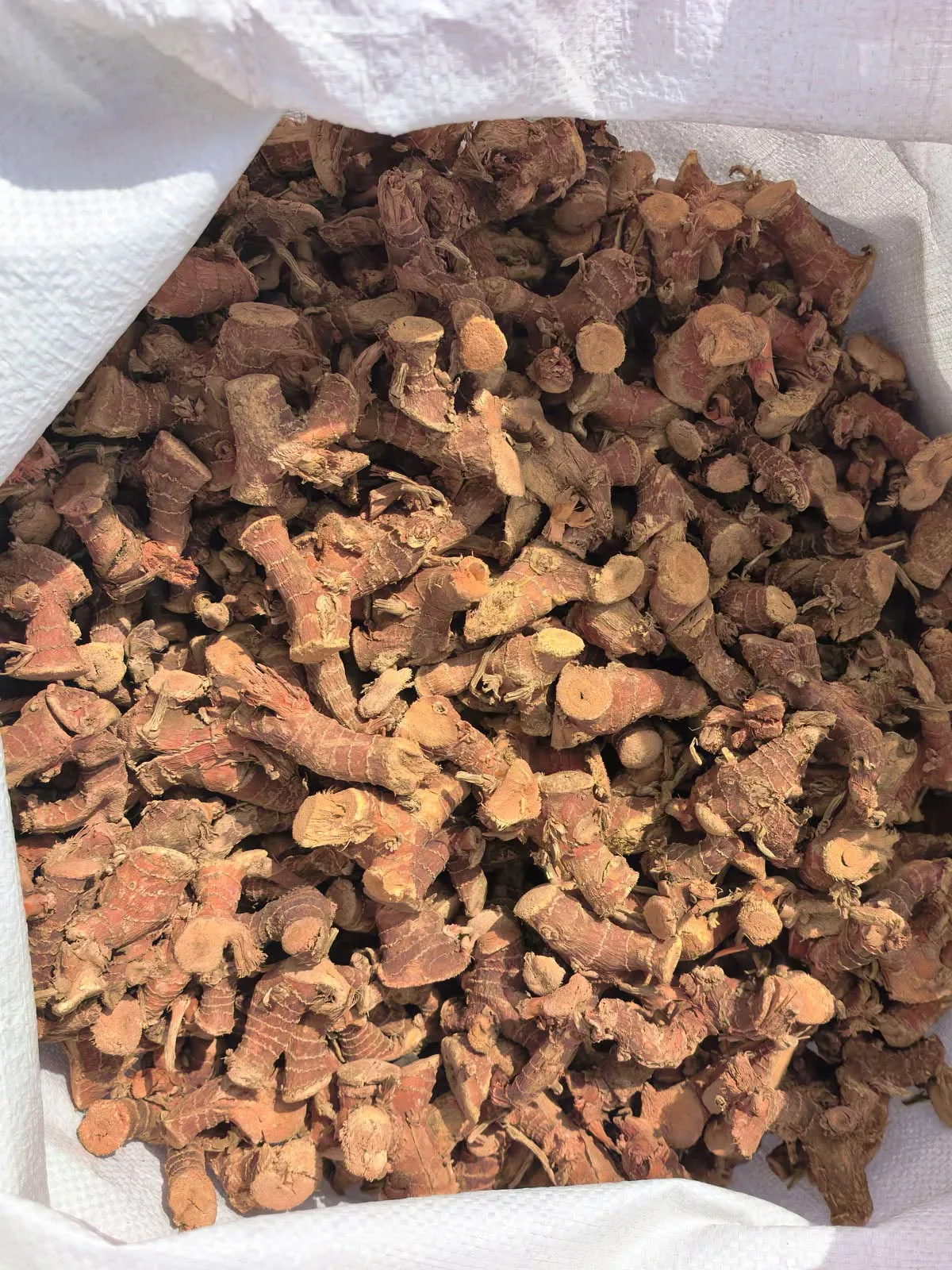
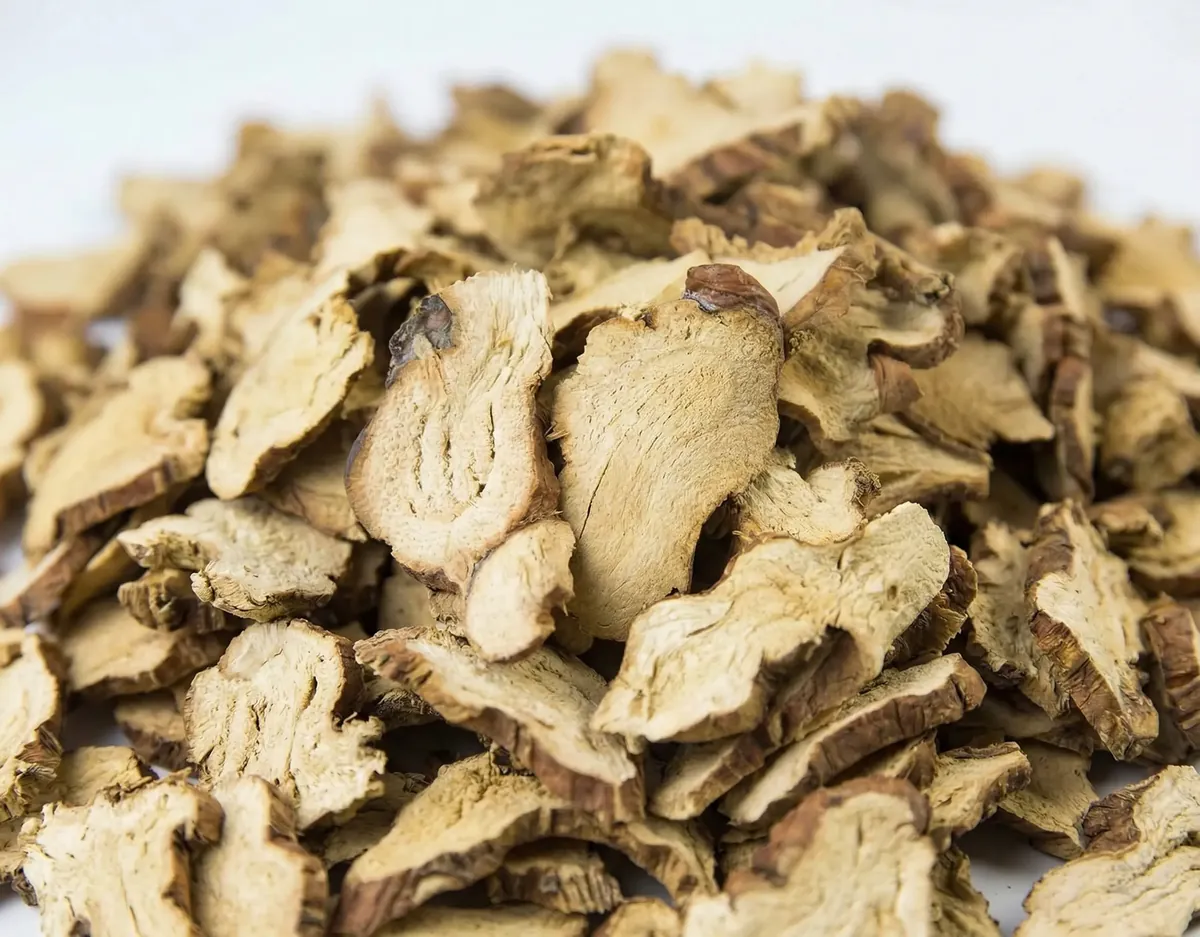
Dried galangal slices
- Cut
- Buyer-defined
- Basis
- Approved sample
Market notes
Order sizes here are modest. The paperwork expected with them is not — it is calibrated to a much larger trade next door, and a supplier who scales effort to tonnage reads this market wrong.
Short answer: Before quoting galangal for Austria, align application, format, physical tolerances, moisture, packing, quantity, arrival point, documents, and Incoterm. The documentation expected here is calibrated to the German-speaking retail trade, not to the size of the order in front of you.
The buyer side is the usual European mix and does not need much describing. What is worth knowing before an enquiry is the shape of the demand rather than its composition: prosperous, quality-led, and by volume decidedly modest.
What is not modest is the standard of documentation expected with an order. Products made here compete on shelves against products from a much larger German-speaking trade, and the retail customers on both sides of that competition apply the same expectations to their suppliers.
For us that produces a specific mismatch. The tonnage says small account; the supplier file says major one. Both are correct, and a supplier who calibrates effort to the first loses on the second.
| Product | Relevance here | Suggested grade / format | Note |
|---|---|---|---|
| Dried galangal slices | Lead | Buyer-defined cut, sample-led | Manufacturers and importers whose retail customers apply full supplier documentation. |
| Dried galangal whole & chunk | On request | Written piece definition | Where a buyer grinds in-house or repacks for a trade channel. |
Expect the documentation conversation to be longer than the quantity would suggest. That is the market working normally, not a buyer being difficult.
Both products in detail
Entry conditions are the EU ones with a phytosanitary certificate per consignment, set out at length on our other European pages. Being landlocked inside the customs union means cargo enters free circulation at a port elsewhere and arrives overland with no further formality — the consequences of that are on our Czechia page and they apply here unchanged.
It is not written into any regulation and it is not the buyer being cautious. Retail and manufacturing here operate inside a German-speaking trade whose documentation conventions were set by much larger players, and a company selling into that trade adopts those conventions whether or not their own volumes justify the overhead.
Recognising that changes how we respond. A request for a full supplier file against a modest first order is not a negotiating position or an obstacle course; it is the entry condition of the shelf your buyer is trying to reach.
A written specification with tolerances rather than typical values, per-lot figures supplied with each delivery, the ordinary document set issued at shipment, retained samples kept against lots actually sent, and straight answers to a supplier questionnaire — including where the answer is no.
None of that is unusual for us and all of it is faster to hand over than to assemble under time pressure. On this route it is also the difference between a first order that leads somewhere and one that stalls in an approval queue.
We do not hold third-party certification to any retail or manufacturing standard, and we do not hold organic certification. Where a buyer's channel requires either, we are not the right supplier for that line today, and saying so at enquiry is worth more than an encouraging answer that fails at the approval stage.
Because the file is reusable and the relationship is not a single order. A supplier who clears an approval process once tends to stay in it, and the work is front-loaded rather than repeated per shipment. That makes a modest Austrian account worth more over time than its first purchase order suggests — which is the honest commercial reason we treat it as we do, rather than a claim about how thorough we are.
Chosen by your forwarder, and unusually the choice runs in two directions here: northern European or Adriatic. Which suits depends on the inland leg rather than on the sea freight.
Two figures, never one. The reasoning is the same as on our Czechia page and it is not repeated here; what matters for a booking is that you name the entry point early enough for the documents to be issued against it.
The full set travels with the first consignment rather than being requested afterwards. Assembling it later is slower and reads, fairly, as a supplier who did not expect to be asked.
Kept against lots actually shipped rather than only against the approved sample, so a question raised during a customer review has a physical answer.
Standard for a European arrival with an inland leg. Liner and ventilation are agreed against the routing actually booked, and the arrival figure is specified rather than assumed.
Enquiries arrive in German and English, and specifications are frequently written in German for internal use even where the correspondence is in English. The botanical name Alpinia galanga is what survives that translation into a supplier file read by somebody who was not part of the conversation.
Commercially the pattern is European and unremarkable. What is worth planning for is the approval cycle rather than the negotiation: it runs longer than the order size predicts, and a specification that stays stable through it is worth more than a fast first quotation.
Approve a physical sample before any container commitment. The approved sample becomes the acceptance reference.
Format, tolerances, packing, and documents recorded before production. No verbal promises.
Trial quantities and mixed loads are reviewed before quotation — you are not forced into full-container risk.
Yes, and we would rather do it before being asked. The file is reusable and the relationship is not a single order, so the work is front-loaded rather than repeated — which makes it worth doing properly at any order size.
Because it is not set by the order. Products made here compete against a much larger German-speaking trade whose documentation conventions the retail customers apply on both sides. That is the entry condition of the shelf, not a buyer being difficult.
No to both, and that is the position rather than something in progress. Where your channel requires either we are not the right supplier for that line today — better established at enquiry than at the approval stage.
The written specification with tolerances, per-lot figures for the lot actually shipped, the ordinary document set issued at shipment, and retained samples held against it. Assembling that afterwards is slower and reads as a supplier who did not expect the question.
Your forwarder decides — northern European or Adriatic, depending on the service and the inland leg. Name it at booking and documents are issued against it. What that means in practice is set out on our Czechia page, which covers the same landlocked position.
Destination is pre-filled. Tell us which supplier questionnaire or approval process applies — we would rather answer it up front than discover it at the approval stage.
Complete briefs receive a substantive reply from the export desk — not an autoresponder. Incomplete enquiries receive clarifying questions the same day.