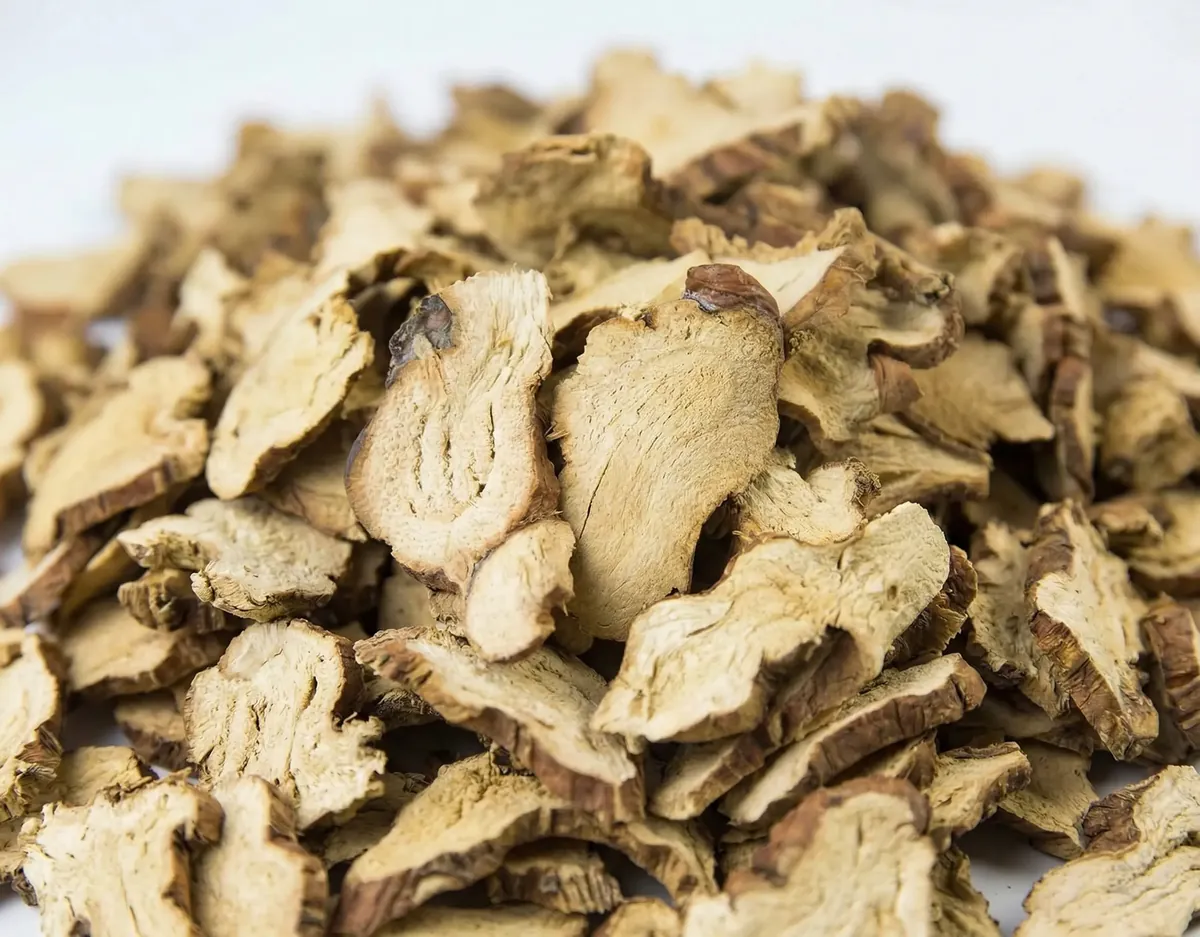
Dried galangal slices
- Cut
- Buyer-defined
- Basis
- Approved sample
Market notes
A shipment sold here does not have to be imported here. Inside a customs union and joined to a much larger market by road, the first thing to settle is which entity clears the goods — everything on our side follows from that.
Short answer: An answerable galangal brief for Bahrain includes application, preferred format, physical tolerance, moisture, packing, order size, destination, documents, and Incoterm. Inside a customs union and joined to a much larger neighbour by road, so the first question is which entity imports, not which port.
The buyer side is a compact mix of importers, repackers, and foodservice suppliers, and the material is already familiar in the cooking of the resident communities. None of that needs much explaining, and none of it is what makes the route distinctive.
What makes it distinctive is that the market sits inside a regional customs union and is connected to a far larger neighbouring market by a road link. Goods can therefore arrive at the local port, or be cleared in a neighbouring member state and come in overland.
Which of the two applies is not a logistics preference. It follows from how the buying company is structured, and it is decided long before a container is booked — usually by people who will never be part of our correspondence.
| Product | Relevance here | Suggested grade / format | Note |
|---|---|---|---|
| Dried galangal slices | Lead | Buyer-defined cut | Importers and foodservice suppliers serving established household demand. |
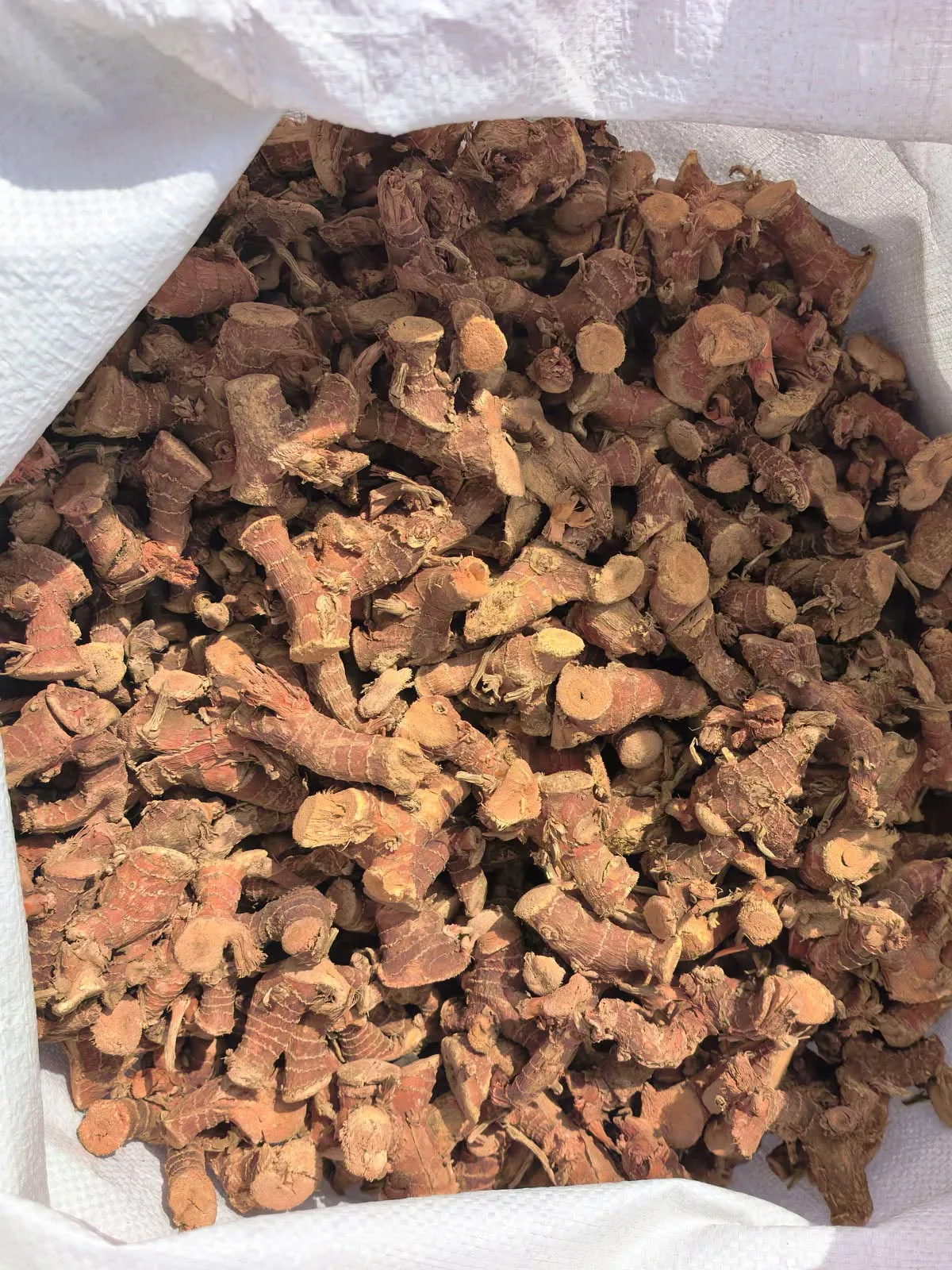
| Dried galangal whole & chunk | Secondary | Written piece definition | Repackers preparing their own labels, sometimes for the wider regional market. |
Grade is the straightforward part of this route. The item that decides whether the paperwork works is the name of the importing entity, and it belongs in the enquiry rather than at booking.
Both products in detail
Food enforcement across the Gulf and what stricter application looks like in practice are set out on our Saudi Arabia page. That description holds here and is not repeated. A phytosanitary certificate is raised for each consignment in the usual way; what this page adds is the question of which country that certificate has to be addressed into.
Certificates are issued to a named consignee. Where the entity that clears is not the entity that sells, naming the wrong one is not a correction — it is a re-issue, and on documents raised in the country of origin a re-issue costs time measured against a vessel that has already sailed.
So the first question from us is which company will be shown as importer, and in which country. It is a duller question than grade or price and it is the one most likely to decide whether a first shipment clears cleanly.
Group structures are reorganised, and a buyer who cleared through one arrangement last season may clear through another this one. We confirm it per shipment rather than carry it forward, which occasionally reads as pedantic and is cheaper than the alternative.
Where the goods enter and where they are sold can sit in different member states, and the labelling expectations that attach are not always the ones the selling market would suggest. We do not guess at this from our side.
Instead we ask the buyer to state which requirement they are working to and we specify the print to it. Where their answer changes, the pack specification changes with it rather than the artwork being adjusted after arrival.
We will not advise which clearing arrangement is better. It depends on the buyer group, its registrations, and its tax and commercial position, none of which we see — and a supplier offering an opinion on it would be guessing with somebody else's money. What we do is issue documents that match the answer exactly.
We do not currently hold Halal certification. With a dried rhizome the issue is never the ingredient; it is segregation and handling upstream of it. What is particular to this route is that the requirement may attach in the clearing country rather than the selling one, so the answer depends on the same structural question as everything else on this page.
Where the certificate is a listing condition at any point along that path, that line is not one we can serve today. One sentence at enquiry settles it.
Khalifa Bin Salman serves the market directly. Where the buyer clears elsewhere in the union, discharge may be at a neighbouring port with an overland leg after it, and the booking is made against whichever applies.
Confirmed in writing before documents are raised, and confirmed again for each shipment rather than carried over from the last one.
One figure if the goods discharge locally, two if an overland leg follows.
Where a road move follows, the outers are handled again by people working from the markings alone. The reference has to be legible and complete without the shipping file beside it.
The sailing is short. Where an overland leg follows, the cargo sees a second warm handling cycle, and the liner and pack are specified for the longer of the two paths rather than the shorter.
English and Arabic are both used, and documents frequently pass between parties in two countries before anyone opens a carton. The botanical name Alpinia galanga is what keeps a description stable across that handover, which matters more here than on routes where one company sees the paperwork from start to finish.
Commercially the terms are Gulf norms. The planning difference is that the commercial conversation and the customs conversation can involve different companies in the same group, so we would rather have both named at enquiry than discover the second one when a certificate is already printed.
Approve a physical sample before any container commitment. The approved sample becomes the acceptance reference.
Format, tolerances, packing, and documents recorded before production. No verbal promises.
Trial quantities and mixed loads are reviewed before quotation — you are not forced into full-container risk.
Because certificates are issued to a named consignee and the entity that clears is not always the one that sells. Naming the wrong one means re-issuing documents raised in Indonesia, against a vessel that has already sailed. It is the cheapest question on the list to answer early.
Not at all, and it is common. We need to know it before documents are raised so the consignee, the labelling, and the packing are all specified for the path the goods actually take, including the second handling on the road leg.
None — we will not offer an opinion on that. It depends on your group structure, registrations, and commercial position, none of which we see. What we can do is issue documents that match your answer exactly.
We ask each time rather than carrying it forward. Group arrangements get reorganised between seasons, and a stale consignee name is the kind of error that only shows up once the paperwork is already printed.
That follows from where the goods enter rather than from where they sell, and the two are not always the same here. Tell us which requirement you are working to and we specify the print to it rather than guessing from the destination.
Destination is pre-filled. Tell us which company will be named as importer and in which country it clears — that single answer shapes the documents, the labelling, and the packing.
Complete briefs receive a substantive reply from the export desk — not an autoresponder. Incomplete enquiries receive clarifying questions the same day.