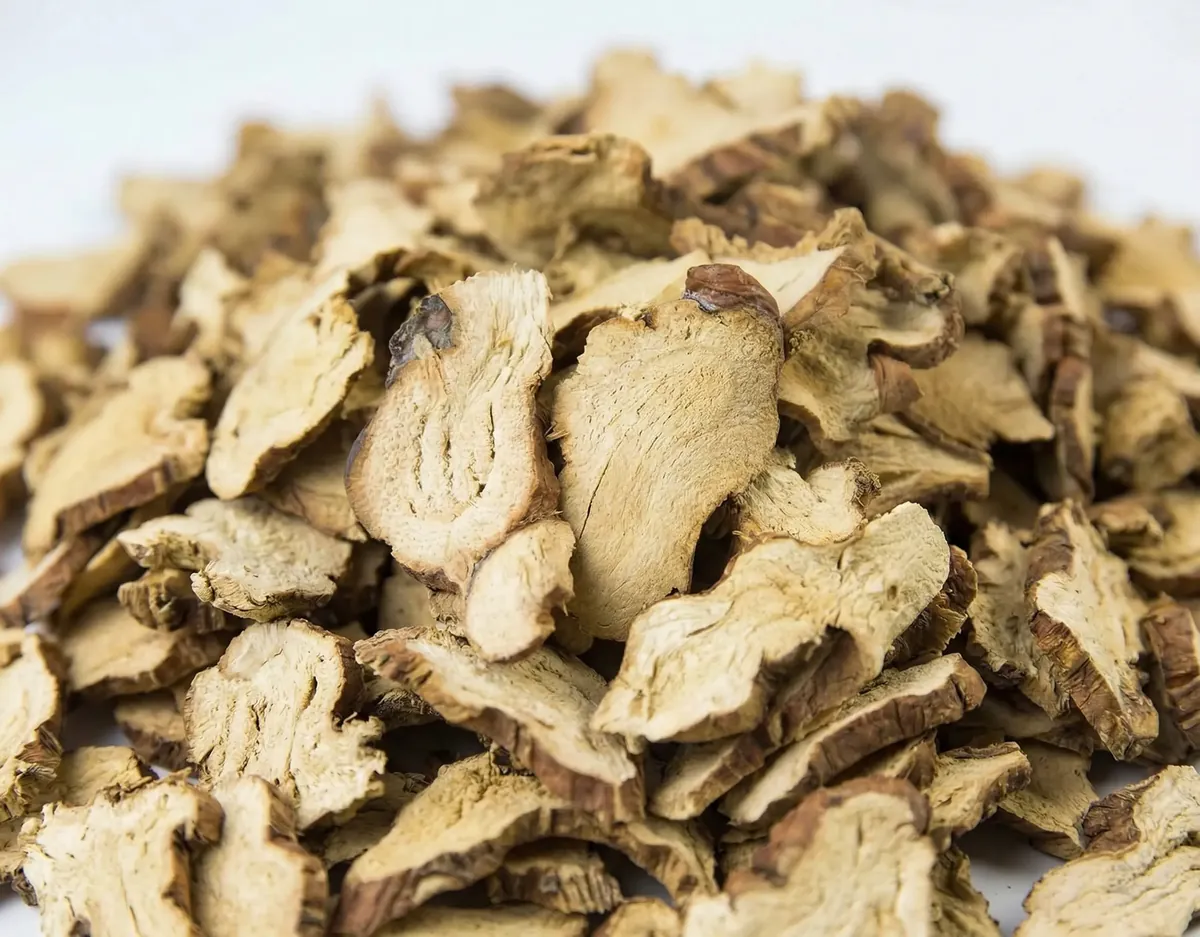
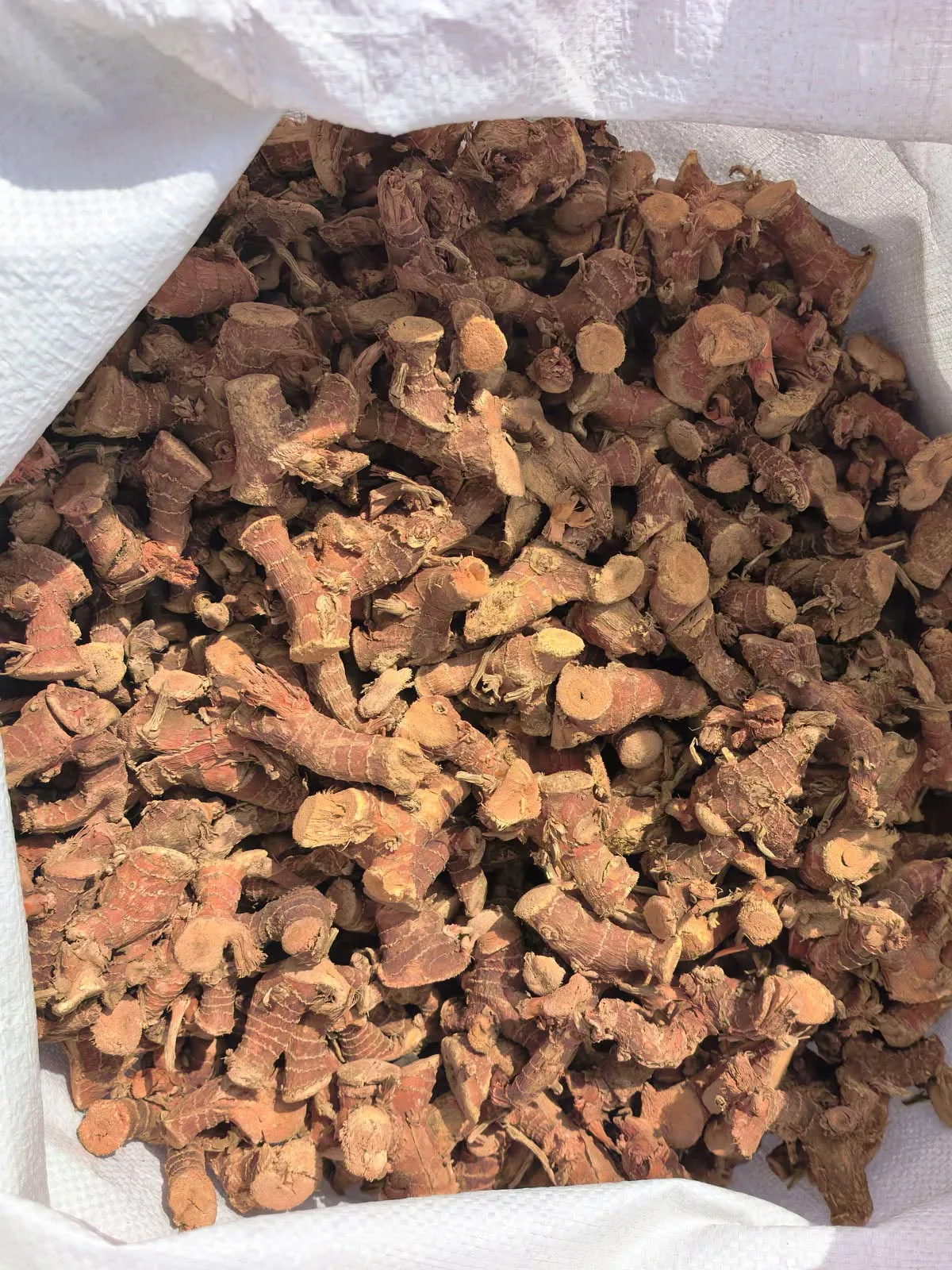
Dried galangal slices
- Cut
- Buyer-defined
- Basis
- Approved sample
Market notes
This is a final destination, not a transhipment point, and the food regime is enforced harder here than anywhere else we ship in the Gulf. A consignment that clears elsewhere in the region does not automatically clear here.
Short answer: Before quoting galangal for Saudi Arabia, align application, format, physical tolerances, moisture, packing, quantity, arrival point, documents, and Incoterm. SFDA enforcement is stricter than several neighbouring markets, and Halal is commonly expected.
Galangal reaches this market through food importers and the manufacturing trade rather than through a culinary tradition that uses it natively. Volumes are modest against the Gulf's transhipment flows, and a good share of what arrives is destined for the expatriate food channel and for manufacturers producing Southeast and South Asian products.
What makes the market demanding is not volume but enforcement. The food regime here is applied more strictly than in several neighbouring states, and the practical consequence is worth stating without softening: a consignment and a document set that clear in a neighbouring Gulf market do not automatically clear here. Suppliers who learn that by having cargo held usually learn it once.
Certification sits on top of that. Halal is commonly expected regardless of the argument that a plant-derived product raises no substantive question, and in this market that expectation functions as a gate rather than a preference. It is the single most decisive item on this page, and we would rather you weigh it before a sample round than after one.
| Product | Relevance here | Suggested grade / format | Note |
|---|---|---|---|
| Dried galangal slices | Lead | Buyer-defined cut, sample-led | The main line here. Expect the certification question before the specification question. |
| Dried galangal whole & chunk | On request | Written piece definition | Repackers serving the regional food trade. |
Certification is the gate in this market, not grade. Say whether your channel requires certified Halal before we discuss anything else.
Both products in detail
Food entering Saudi Arabia falls under the Saudi Food and Drug Authority, with documentation, labelling, and conformity expectations confirmed per consignment. Requirements here are enforced more strictly than in several neighbouring markets, and a consignment that would clear elsewhere in the Gulf does not automatically clear here — which is precisely why re-export routing through a third country needs the final destination declared up front.
Enforcement being stricter does not mean the requirements are exotic. It means the margin for a document that is nearly right is smaller. A description that differs between the invoice and the certificate, a quantity that needs an explanation to reconcile, a label that is complete in substance but not in form — these are the things that hold a consignment here and pass unremarked elsewhere in the region.
That is a supplier problem more than a buyer problem, and we would rather own it. It argues for settling the exact wording of every document before the first shipment, not because the wording is difficult but because agreeing it once removes the most common reason a first container sits.
Buyers who already import into neighbouring markets sometimes expect an arrangement that worked there to carry across. It does not follow. A consignment that clears comfortably in one Gulf market is not thereby cleared here, and building a schedule on that assumption produces a delay that looks inexplicable from outside.
The same reasoning applies to a supplier reference. That we ship to another Gulf market is not evidence that we can meet the requirement here, and we would rather not present it as though it were. What transfers between the two is our own document discipline; what does not transfer is any assumption about how it will be received.
We do not currently hold Halal certification. For dried galangal — a plant-derived product — certification concerns handling and cross-contamination controls rather than the material itself, but in this market the certificate is commonly expected regardless of that distinction.
Treat this as unresolved until we say otherwise. It is the one question in this market where an optimistic answer costs a buyer more than a blunt one.
A phytosanitary certificate accompanies the goods with conditions confirmed per consignment. Where a buyer takes repeat deliveries it is worth agreeing the documentation pattern once and repeating it exactly, rather than treating each container as a fresh case. In a market that reads documents closely, a set that looks the same every time is easier to clear than one that is correct but differently arranged each shipment.
Jeddah on the Red Sea for western and central projects; Dammam on the Gulf for the Eastern Province. The two serve different inland regions and the choice affects both transit and onward trucking cost.
Tanjung Priok to Jeddah and to Dammam, stated in the quotation for the booking offered.
Where a buyer releases against a programme rather than in one shipment, that is workable and the specification stays constant across phases — but it changes pricing and booking, so raise it at enquiry rather than after the first container.
Material frequently waits in storage before use, at ambient temperatures well above what a temperate packing specification assumes. That raises the cost of any residual moisture — tell us the expected storage window and it is factored into the moisture target rather than discovered later.
Trade runs in English using international terms, and Arabic-language documentation appears at the customs stage. What is worth attention is not vocabulary but certification language: the terms in which a buyer describes their Halal requirement tell you whether it is a preference or a condition of purchase, and it is worth asking directly rather than inferring.
Letters of credit are common and CIF quotations are the norm. Approval cycles run longer than in most markets on this list because compliance sign-off sits inside them, which means the useful thing a supplier can offer early is not a fast quote but a specification stable enough to survive a slow review unchanged.
Approve a physical sample before any container commitment. The approved sample becomes the acceptance reference.
Format, tolerances, packing, and documents recorded before production. No verbal promises.
Trial quantities and mixed loads are reviewed before quotation — you are not forced into full-container risk.
That is what a written specification is for. Format, tolerances, packing, and the document set are agreed once and repeated across phases, with current-lot figures supplied per delivery so you can verify each release against the same agreed basis.
No, and treating it as enough is the most common way consignments get held in this market. Requirements are set nationally and enforced more strictly than in several neighbouring states. We scope the document set against Saudi requirements specifically rather than reusing one that worked next door.
Not a problem, but declare it early. Saudi requirements govern the final entry regardless of the transit route, and documents assembled for UAE entry may not satisfy them. Certificates generally cannot be added retrospectively once cargo has moved.
Destination is pre-filled — change it to Dammam if that serves your site better. For project purchasing, include the delivery phasing you need.
Complete briefs receive a substantive reply from the export desk — not an autoresponder. Incomplete enquiries receive clarifying questions the same day.