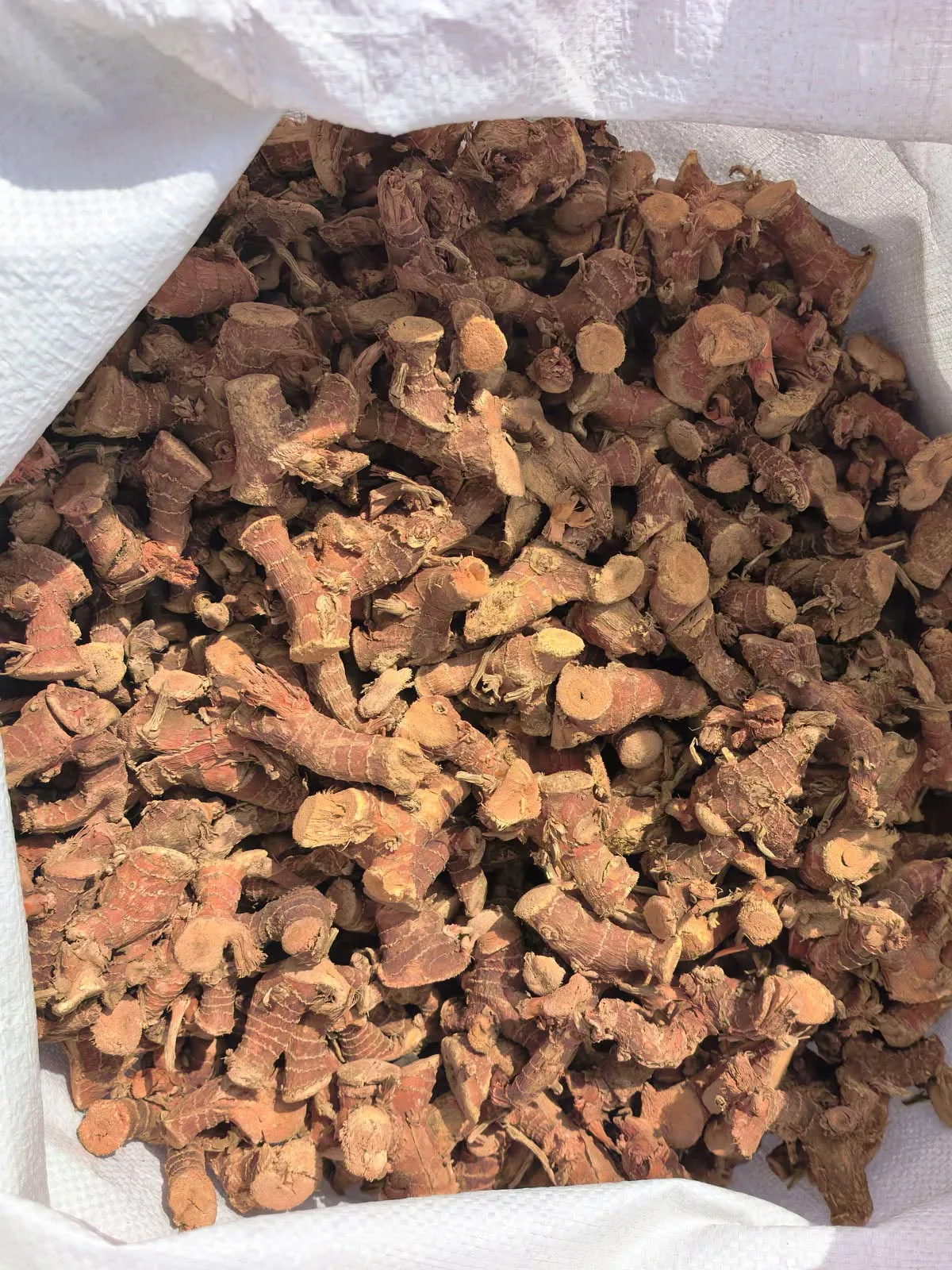
Dried galangal slices
- Cut
- Buyer-defined
- Basis
- Approved sample
Market notes
Georgia, Armenia, and Azerbaijan sit next to each other and are often assumed to work as one area. They do not. Each is its own customs territory, so stock landed in one cannot simply be moved to the others.
Short answer: A galangal enquiry for The Caucasus should state use, slices or whole/chunk, cut or piece tolerance, moisture, packing, volume, destination, documents, and trade term. Three neighbouring markets that cannot be served from one stock point, because each is its own customs territory.
Demand comes from food manufacturers producing seasonings and prepared foods, importers supplying a restaurant sector in the capitals, and distributors serving a growing specialist retail channel. Each market is modest, and the technical conversation is unremarkable.
What is easy to get wrong is the shape of the supply arrangement. Three small neighbouring markets look like a region to be served from one warehouse — that is exactly how the Baltic states work, and the instinct transfers badly here.
These three are separate customs territories. Goods imported into one are domestic goods there and imported goods everywhere else, so a distributor covering the area is running three import operations rather than one with three delivery addresses.
| Product | Relevance here | Suggested grade / format | Note |
|---|---|---|---|
| Dried galangal slices | Lead | Buyer-defined cut, sample-led | Importers and manufacturers supplying restaurants and specialist retail in the capitals. |
| Dried galangal whole & chunk | On request | Written piece definition | Where a buyer grinds in-house or repacks for a trade channel. |
Quantities are small and part loads are normal. Tell us which of the three markets an order is for — it is not interchangeable here.
Both products in detail
The practical test is simple: if material cleared in one of these markets has to be imported again to reach the next, then holding regional stock saves nothing and costs a second set of formalities. That is the position here, and it is the single most useful thing to establish before an order is sized.
For a supplier the consequence is that we quote per destination rather than per region, and that a buyer covering all three is placing three orders that happen to be similar rather than one order with three drops.
Cargo reaches this region by more than one path, and geography decides which. Georgia has its own Black Sea coast; Azerbaijan sits on the Caspian; Armenia is landlocked and reached overland from whichever side the forwarder chooses. The differences are large enough that a transit figure quoted for one of the three tells you very little about another.
We do not have a view on which approach is best and would not offer one — capacity and conditions shift, and we are not positioned to judge them. What we do is quote against the routing your forwarder actually books, and issue documents for the crossings that routing involves rather than for the destination alone.
Because the area cannot be consolidated into one import, order sizes stay close to what a single market actually consumes. Part-container and consolidated shipments are the ordinary way to ship here rather than a concession, and there is no penalty for ordering to real consumption.
The same specification work goes into a small consignment as into a full one. A small lot held for a documentary question is held just as long, and the cost of that delay falls on fewer kilos — so getting the entry conditions right matters more, not less, when the quantity is modest.
The destination market, the routing your forwarder uses, and whether the material stays where it lands. Those three answers decide the document set and most of the schedule. What we do not need is a regional forecast — it is not something we can act on when each market is imported separately.
Whichever approach is used, a meaningful part of the journey happens overland through a continental climate with a wide temperature swing. That is a different risk from the steady humidity of a long sea leg, and it is the one that decides the arrival figure. Liner and ventilation are specified for the whole journey rather than for the ship.
Varies by destination and by forwarder rather than by preference. Name the entry point at enquiry and the documents are prepared for it, including the crossings between it and the buyer.
Quoted as the sea leg we control plus an overland portion relayed from your forwarder as a range. We do not combine the two into one door-to-door figure, because the second half is arranged by parties we do not appoint.
Each destination is quoted and documented on its own, and pricing follows the individual quantity rather than a combined regional volume. That is the arithmetic consequence of the point above, and it is better known before an order is sized.
Consolidated and part-container shipments are the ordinary case. Tell us the quantity each market actually needs — rounding up to fill a container is a slower and more expensive way to test a specification.
Lot identity is marked on inner packs as well as outers, because a consignment on this route may be examined by parties who never saw the order and are working from what is printed on the goods.
Enquiries arrive in Russian and English, and documentation for transit may be required in more than one language. The botanical name Alpinia galanga is what keeps a description stable across translations and across the several readers a consignment acquires before it arrives.
Commercially, expect modest lot sizes and longer planning horizons than the volumes suggest, because a separate import for each market takes its own time. That favours agreeing a specification once and repeating it across the three rather than negotiating each one — the paperwork differs, but the material does not have to.
Approve a physical sample before any container commitment. The approved sample becomes the acceptance reference.
Format, tolerances, packing, and documents recorded before production. No verbal promises.
Trial quantities and mixed loads are reviewed before quotation — you are not forced into full-container risk.
Not without importing again. Each of the three is its own customs territory, so goods cleared in one are imported goods in the others. Regional stock saves nothing here and adds a second set of formalities.
As three similar orders rather than one with three drops. We quote and document per destination, and the specification can stay identical across them — it is the paperwork that differs, not the material.
Your forwarder decides that, and we would not offer a view — the approaches differ by destination and conditions shift. Name the routing and we quote against it and issue documents for the crossings it involves rather than for the destination alone.
No. Part loads are the ordinary case here precisely because the area cannot be consolidated. A small lot gets the same specification work — a small consignment held for a documentary question is held just as long, and the delay costs more per kilo.
Temperature. A meaningful part of the journey is overland through a continental climate with a wide daily swing, which is a different problem from steady humidity at sea. Liner and ventilation are specified for the whole journey rather than for the ship.
Destination is pre-filled — change it to the market you are actually importing into. If you cover more than one, say so and we quote them separately rather than as a region.
Complete briefs receive a substantive reply from the export desk — not an autoresponder. Incomplete enquiries receive clarifying questions the same day.