Market notes

Indonesia Galangal Dried Supplier for Greece

The buyer here usually cannot judge this material, and their customers can judge it precisely. That asymmetry decides how the sample round works and how a complaint has to be handled.

Short answer: For dried galangal in Greece, define application, format, physical tolerances, moisture, packing, quantity, destination, documents, and Incoterm. The ingredient has no local reference point, but the professional cooks it is sold to have a very precise one — so the buyer is caught between the two.

Who buys what, and why it differs here

Enquiries come from importers and foodservice distributors rather than from manufacturers. They supply restaurant kitchens and specialist grocers, and this is one line among many hundreds they carry.

The ingredient is not part of the local cooking tradition, so the person placing the order has no working reference for what a good lot looks like. Their customers do. The cooks buying it use it several times a week and were trained on it, and they will form a judgement the first time they open a pack.

That asymmetry is the whole of this page. It does not make the buyer difficult to deal with — it makes them dependent on us in a specific way, and pretending otherwise leads to a sample round that proves nothing.

Product fit for this market

Relevance by product — Greece
Product Relevance here Suggested grade / format Note
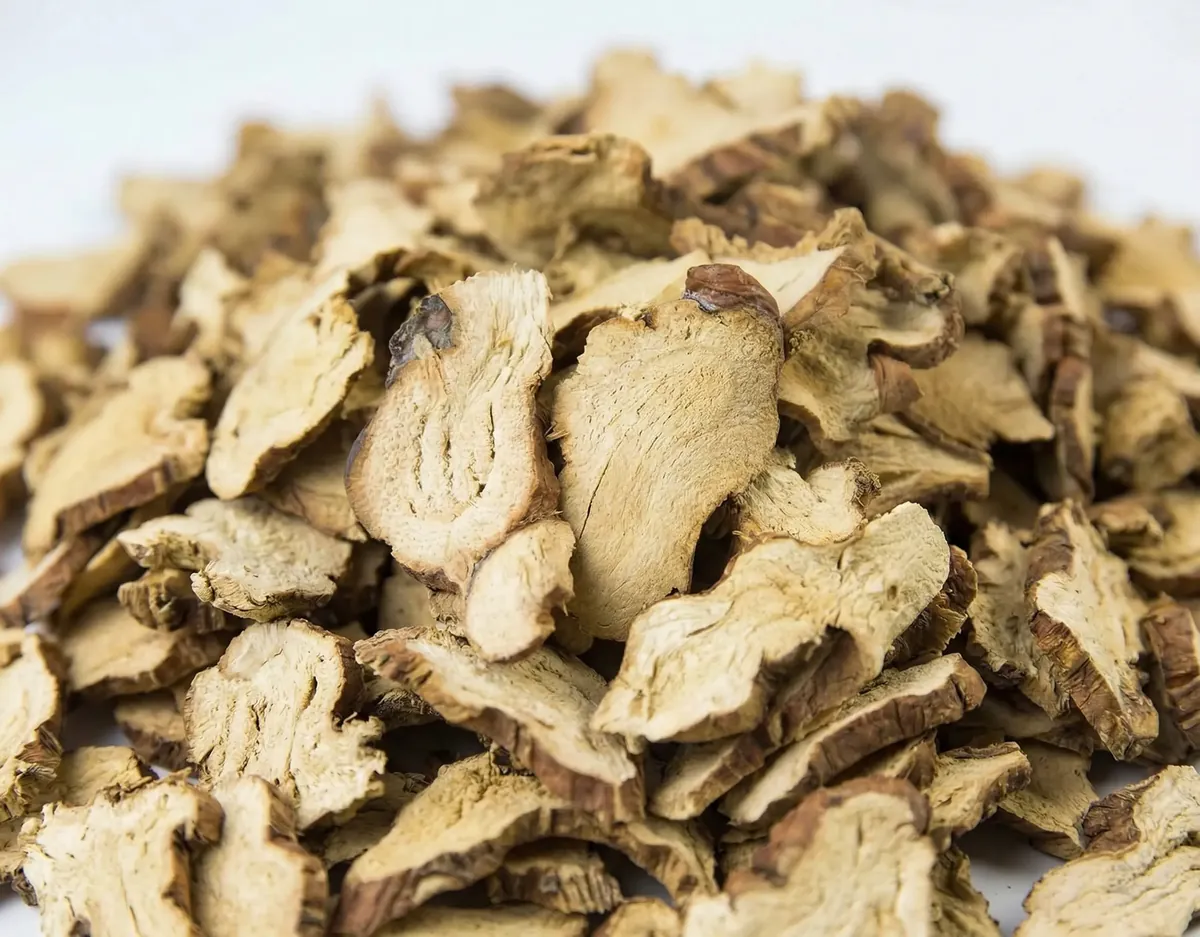
Dried galangal slices Lead Representative sample, catering pack Distributors supplying restaurant kitchens and specialist grocers.
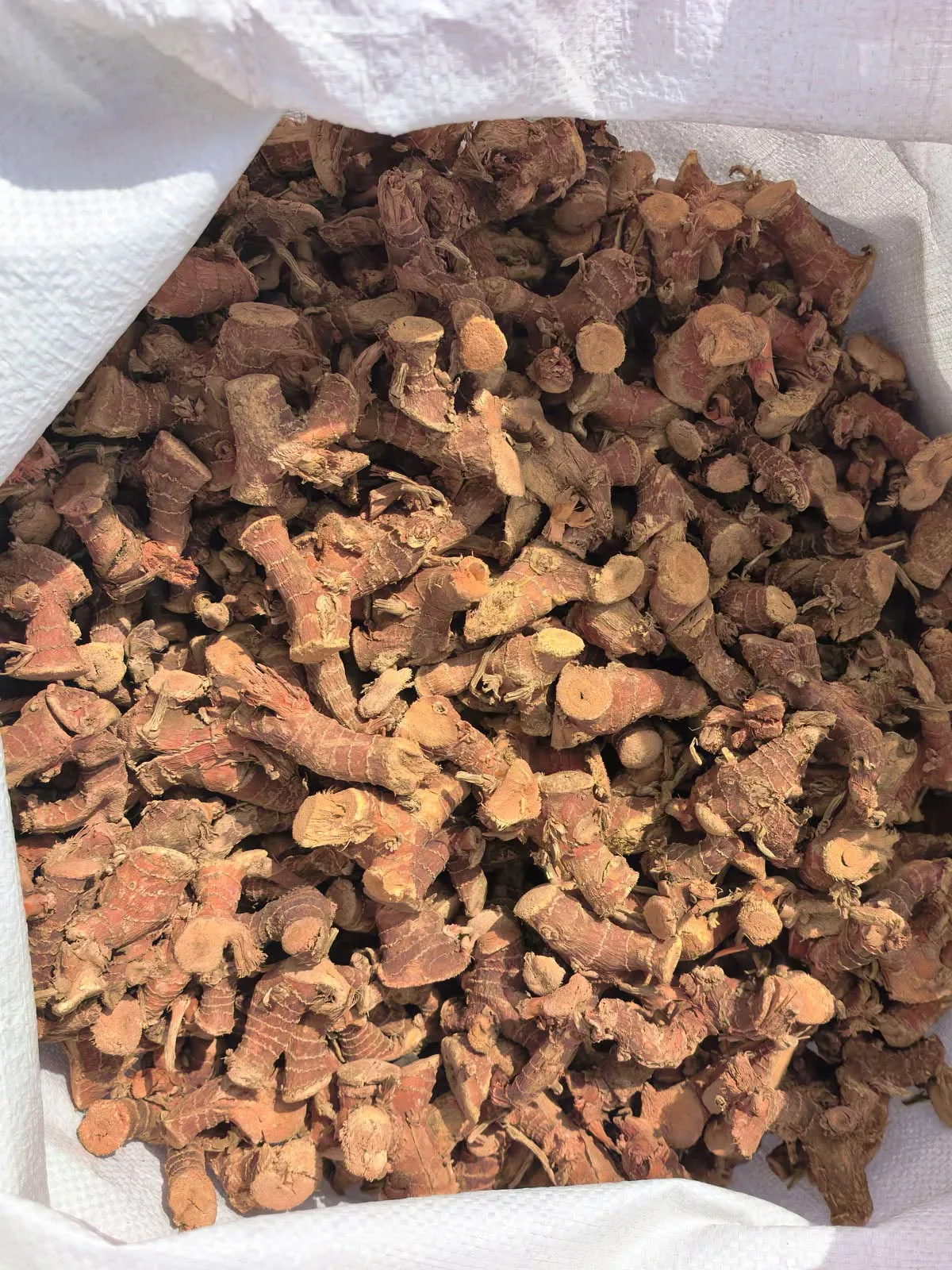
Dried galangal whole & chunk On request Written piece definition Where a kitchen or grocer prefers to cut it themselves.

The grade that matters here is the one an experienced cook would recognise, not the one that photographs best. Those are not always the same choice.

Both products in detail

Selling to a buyer whose customers know more than they do

Entry conditions, briefly

The bloc-wide conditions apply with a phytosanitary certificate per consignment. Testing expectations and the way arrival checks work in this regime are described on our Netherlands page and hold here, so they are not restated.

Why the approved sample must be an ordinary one

On most routes a supplier is tempted to send the best material available for approval. Here that is actively harmful. The buyer cannot see the difference between an excellent lot and an ordinary one, so they will approve whatever arrives — and the first shipment that is merely ordinary will be judged, correctly, as a change.

So we send a sample drawn from normal production and say so plainly. If that is not good enough to win the business, the answer is to improve the specification rather than to improve the sample.

How a complaint arrives, and what we do with it

Not as a test report. It arrives as a message relayed from a kitchen: the material is too woody, too pale, too soft, not fragrant enough. Those are real observations made by people who know the ingredient, and they are also not measurable as written.

Our part is to translate rather than to dispute. Each of those phrases maps to something we can specify — piece thickness and fibre content, colour range, moisture, the age of the material at shipment. We take the comment, name the parameter behind it, and put a figure on it in the specification so the same complaint cannot recur unnoticed.

Retained samples matter more here than almost anywhere

Because nobody in the chain between the kitchen and us can settle a disagreement by looking at the goods. We keep retained samples against the lots actually shipped, so a complaint three weeks after delivery can be checked against a physical reference rather than against two recollections.

What we will not do

We will not tell a buyer their customer is mistaken. A cook who has used this ingredient for twenty years is a better judge of it than we are of their kitchen, and a supplier who argues that point wins the exchange and loses the account.

Route and packing via Piraeus

Port of entry

Piraeus for most cargo, with the Mediterranean approach behaving as described on our Italy page rather than being restated here.

Transit

Quoted for the service booked.

Pack for a foodservice chain

Sized for a distributor breaking bulk to restaurant orders rather than for a production line. The pack a kitchen receives is the one being judged.

Retained samples

Held against every lot shipped. On this route they are not a formality — they are the only physical reference either side has when a complaint is relayed second-hand.

Consistency between lots

Worth more here than a better lot. A visible change invites a question the buyer cannot answer on their own, and answering it costs them standing with their customer.

Terminology and commercial norms

Correspondence runs in Greek and English, and the product will be listed under a trade name chosen by the distributor. We anchor the specification to Alpinia galanga so that a description written for one listing survives being read by a kitchen, a grocer, and a customs broker who each call it something different.

Commercially the terms are ordinary European ones and orders are modest and frequent. The planning point is that the feedback loop is longer than it looks: an order ships, sits in a distributor warehouse, reaches a kitchen weeks later, and only then is judged — so a problem introduced in one shipment can be repeated twice before anyone reports it.

How a first order into Greece is de-risked

  1. Sample first

    Approve a physical sample before any container commitment. The approved sample becomes the acceptance reference.

  2. Written specification

    Format, tolerances, packing, and documents recorded before production. No verbal promises.

  3. Start small

    Trial quantities and mixed loads are reviewed before quotation — you are not forced into full-container risk.

Questions from Greek buyers

We cannot assess this material ourselves. How do we know the sample is representative?

Because we draw it from normal production and tell you that is what it is. Sending our best material would win an approval and lose the second shipment, since your customers will notice a difference you cannot.

Our chef says the last delivery was wrong but cannot say why. What do we do?

Send us the words they used. Too woody, too pale, not fragrant enough — each maps onto something we can specify, and our job is to name the parameter and put a figure on it rather than to argue with the observation.

Will you tell us our customer is wrong if the lot met specification?

No. A cook who uses this ingredient every week is a better judge of it than we are, and if a lot met specification and still disappointed them, the specification was incomplete. That is our problem to fix, not yours to relay.

Why do you keep retained samples for our orders?

Because on this route nobody between the kitchen and us can settle a disagreement by looking at the goods. A physical reference for the lot actually shipped turns a dispute about memory into a question with an answer.

Is a smaller, more frequent order acceptable?

Yes, and it suits this route. The material reaches a kitchen weeks after it reaches you, so smaller and more frequent shortens the loop between a problem being introduced and anyone noticing it.

Request a quotation basis for Greece

Destination is pre-filled. Tell us what kind of kitchen or grocer this is going to and, if you can, what they said about the material they buy now — that is more useful to us than a target price.

Complete briefs receive a substantive reply from the export desk — not an autoresponder. Incomplete enquiries receive clarifying questions the same day.

Opens WhatsApp with your brief filled in. Nothing is stored on this site.

WhatsApp