Market notes

Indonesia Galangal Dried Supplier for Hong Kong

The dried-goods trade here has been buying aromatics out of Southeast Asia since the nineteenth century. It will open your cargo, smell it, and form a view long before it reads your certificate.

Short answer: A galangal enquiry for Hong Kong should state use, slices or whole/chunk, cut or piece tolerance, moisture, packing, volume, destination, documents, and trade term. Buyers judge by eye and aroma before paper, and their own customers trust that filter.

Who buys what, and why it differs here

A cluster of trading houses in Sheung Wan has dealt in dried goods, medicinal plants, and Southeast Asian produce for well over a century. The streets are still there and so is the trade. Buying decisions in that channel are made by people whose families have handled dried aromatics for generations, and they are made quickly — by appearance, aroma, and moisture felt by hand.

That is a genuinely different sale from the one this site is otherwise built around. Everywhere else our argument is that a written specification protects you better than a supplier's adjectives. Here the buyer's own judgement is faster and often sharper than any document we could produce, and pretending otherwise would read as naive. The specification still matters — but it follows the material rather than leading it.

The second thing shaping this market is where the goods go next. A significant share moves onward into the mainland, and part of the reason buyers there source through Hong Kong at all is that they place more confidence in the quality filter applied here. That makes your buyer a gatekeeper by profession, not just by preference.

Product fit for this market

Relevance by product — Hong Kong
Product Relevance here Suggested grade / format Note
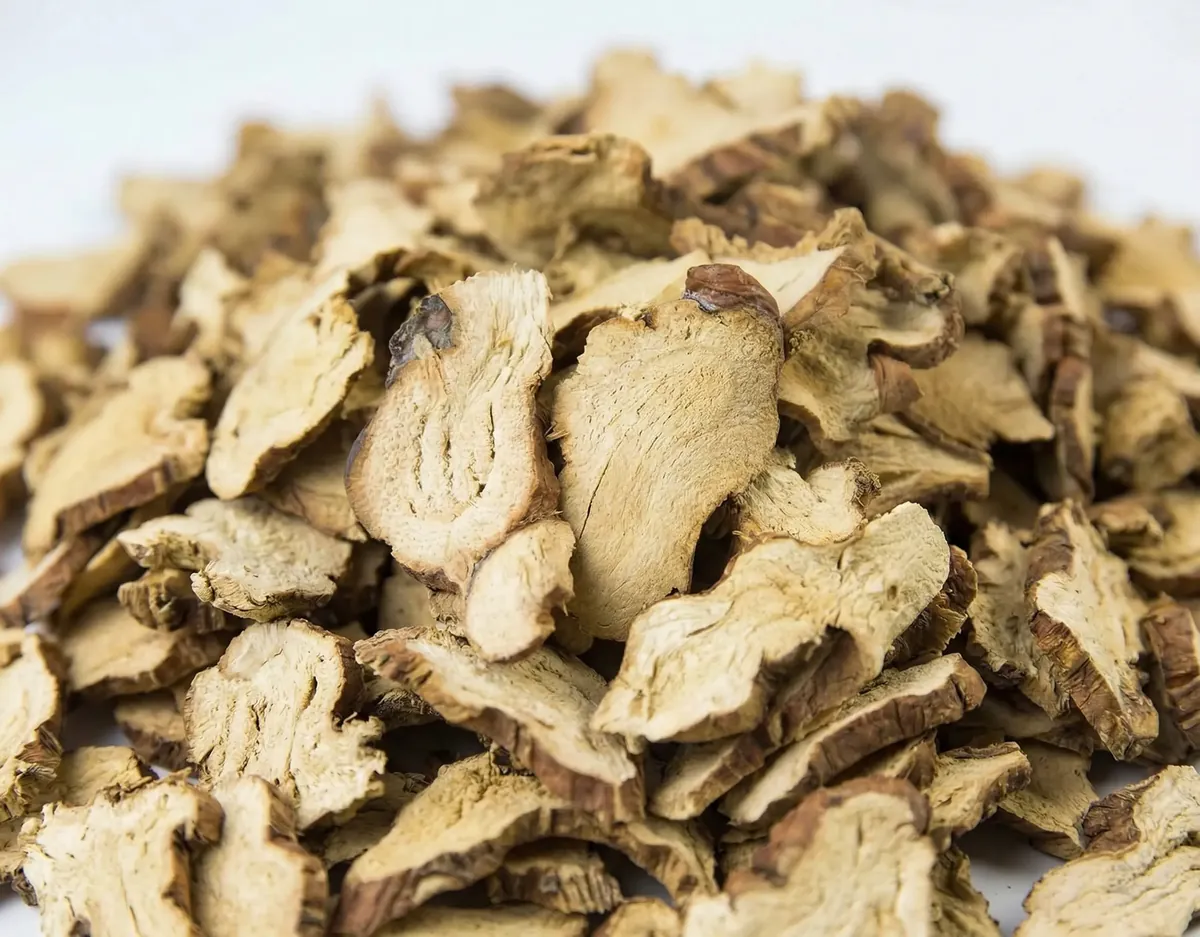
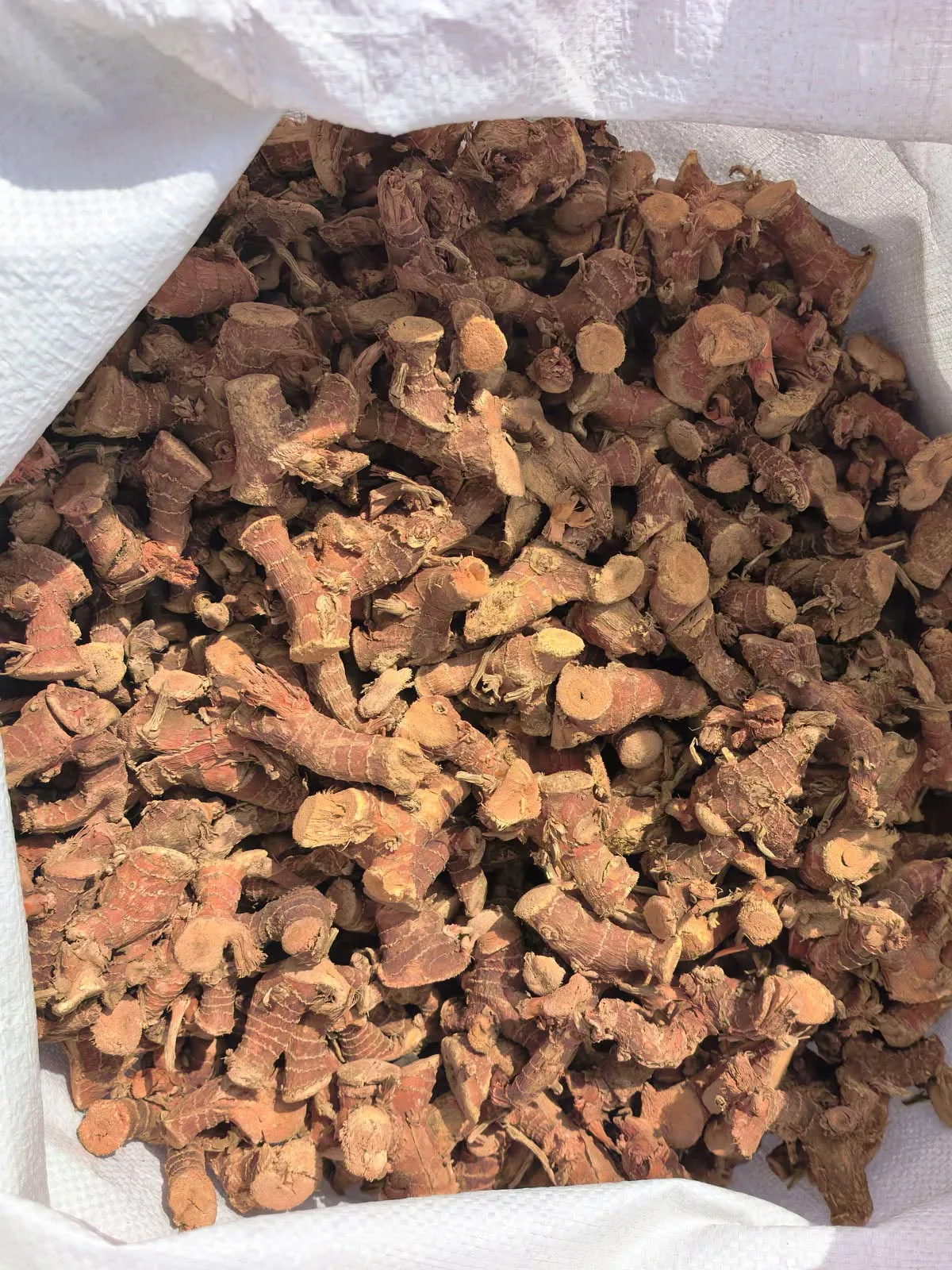
Dried galangal whole & chunk Lead Written piece definition The dried-goods trade prefers material it can inspect, sort, and grade itself.
Dried galangal slices Secondary Buyer-defined cut, sample-led Food manufacturing and the restaurant supply trade, where the cut is already decided.

This is one of the few markets where whole leads and slices follow. Send a sample early — it will be assessed faster than any specification.

Both products in detail

A trade that judges the goods before it reads the papers

Entry requirements

Food consignments are subject to Hong Kong's food import regime, with documentation and any registration obligations confirmed per consignment. Entry here is generally lighter than in the markets further north on this list, which is part of why the entrepôt trade settled here in the first place.

Where the goods continue into the mainland

Material moving on into mainland China enters under that market's rules, and those are materially heavier than Hong Kong's own. If any share of your volume is destined to cross, say so at enquiry: the documentation is scoped for the eventual destination rather than for the port of first entry, and it cannot be added afterwards.

Selling to someone who assesses before they read

In most markets a written specification arrives first and the material is checked against it. Here the order is reversed: an experienced trader forms a judgement from the goods themselves, and the paperwork is consulted afterwards to confirm what the assessment already suggested. A supplier who leads with documentation is answering a question that has not been asked yet.

What follows from that is simple and slightly uncomfortable: the sample matters more here than almost anywhere, and it has to be genuinely representative rather than selected. A flattering sample will win the first order and lose everything after it, because the discrepancy is noticed immediately and by someone whose business is noticing it.

Why this is a demanding market to be consistent in

A trade that grades by hand is a trade that detects variation early, without waiting for a laboratory result and without needing to justify the observation. That makes it an unforgiving place to be inconsistent and a useful place to find out whether you are.

We would rather be told plainly that a lot differs from the last one than have it discovered on arrival, and on this route that preference is not politeness — it is the only version of the relationship that survives a second shipment.

What we do not claim here

We will not tell a Sheung Wan buyer that our documentation substitutes for their inspection. It does not, and they would know. What the paperwork does is make the second and third shipments predictable once the first has been judged acceptable — which is the part their own method cannot do on its own.

Route and packing

Port of discharge

Hong Kong. One of the shorter routes we run, and one of the few where the port and the buyer's warehouse can be within the same day's movement.

Transit

Tanjung Priok to Hong Kong, stated in the quotation for the booking offered.

Packed to be opened

Cargo here is inspected and frequently re-sorted rather than moved on sealed. Packing that survives being opened, sampled, and closed again is worth more than packing optimised purely for the sea leg. Tell us if the load will be broken down on arrival.

Aroma carries

A trade that assesses by smell notices anything the cargo has been stored beside. Container selection and liner choice matter here for a reason they do not elsewhere, and we specify them rather than leaving them to the packer.

Terminology and commercial norms

Trade runs in Cantonese and English, and the material is known by its Chinese name rather than by a Southeast Asian one — a buyer here is not thinking of it as an Indonesian ingredient but as a dried aromatic with a long trading history. Written correspondence is usually in English; the assessment that decides the order is not written down at all.

Commercially, relationships run long and terms are settled quickly once trust exists — but the first order is the hard one, and it is decided on the material rather than on the pitch. Expect to send a sample before anything else, and expect it to be judged in minutes.

How a first order into Hong Kong is de-risked

  1. Sample first

    Approve a physical sample before any container commitment. The approved sample becomes the acceptance reference.

  2. Written specification

    Format, tolerances, packing, and documents recorded before production. No verbal promises.

  3. Start small

    Trial quantities and mixed loads are reviewed before quotation — you are not forced into full-container risk.

Questions from Hong Kong buyers

We judge material ourselves. What does your specification add?

Nothing to the first assessment — that is yours and it is faster than ours. What it adds is the second shipment matching the first. Once you have approved a sample, we write down what you approved so it can be repeated rather than re-judged every time.

Part of our volume moves into the mainland. What should we tell you?

That it does, and roughly what share. Mainland requirements are heavier than Hong Kong entry, and the documentation is scoped for the eventual destination rather than the first port. Certificates generally cannot be added after the container has sailed.

Why is whole and chunk your lead here rather than slices?

Because this trade prefers to sort and grade material itself, and a cut decided at origin removes that option. If you are supplying a manufacturer who has already fixed the cut, slices are the better line — the two are quoted separately.

Request a quotation basis for Hong Kong

Destination is pre-filled. Say whether the goods stay in Hong Kong or continue into the mainland, and whether the load is broken down on arrival.

Complete briefs receive a substantive reply from the export desk — not an autoresponder. Incomplete enquiries receive clarifying questions the same day.

Opens WhatsApp with your brief filled in. Nothing is stored on this site.

WhatsApp