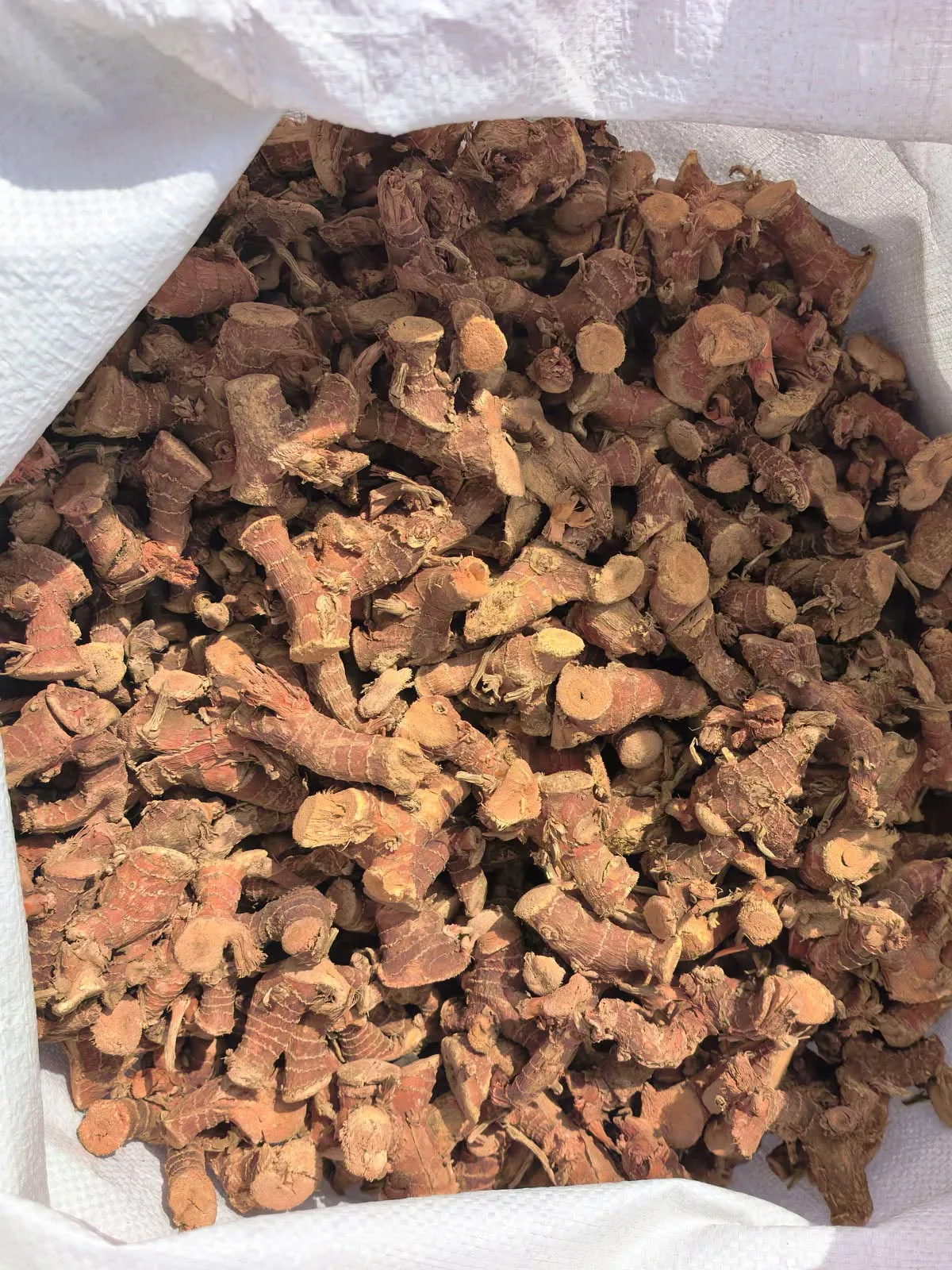
Dried galangal slices
- Cut
- Buyer-defined
- Basis
- Approved sample
Market notes
Almost every market on this list is written for a buyer worried about running short. Here the expensive mistake runs the other way: a lot sized for a normal order can outlast the demand that justified it.
Short answer: A galangal enquiry for Iceland should state use, slices or whole/chunk, cut or piece tolerance, moisture, packing, volume, destination, documents, and trade term. One shipment can be months of national supply, so over-committing costs more than running short — the reverse of almost every market on this list.
Buyers are food importers and distributors supplying restaurants, a specialist retail channel, and a small manufacturing base. Nearly all food arrives from somewhere else, so importing is ordinary rather than exceptional and the trade is well organised around it.
The market is very small and we are not going to dress that up. For an ingredient like this the consequence is arithmetic rather than commercial: a quantity that would be a routine first order almost anywhere else can represent a long stretch of national consumption.
That inverts the risk this desk usually manages. Everywhere else we are helping a buyer avoid running short. Here the more likely failure is a lot that is still sitting in a store long after the enthusiasm that ordered it has moved on.
| Product | Relevance here | Suggested grade / format | Note |
|---|---|---|---|
| Dried galangal slices | Lead | Buyer-defined cut, sample-led | Importers supplying restaurants and specialist retail, in quantities sized to actual turnover. |
| Dried galangal whole & chunk | On request | Written piece definition | Where a buyer repacks for a trade channel or reduces closer to use. |
Order to turnover rather than to freight economics. A larger lot is cheaper per kilo and usually the wrong answer here.
Both products in detail
Freight cost per kilo falls as the lot grows, and that is the argument a supplier naturally makes. It is the wrong argument here. If the larger lot takes twice as long to turn over, the saving on freight is spent on capital tied up, storage, and the risk that the tail of the consignment is no longer what the buyer wants to sell.
So we will price a small lot without treating it as an inconvenience, and we will say when we think a proposed quantity is larger than the turnover supports. A supplier who only ever encourages a bigger order is optimising their own shipment, not your stock.
Dried spice held properly does not spoil in any dramatic sense. What it does is drift — slowly, and in ways that show up as a customer noticing a difference rather than as a test failure. That is the real cost of an oversized lot: not a write-off, but a gradual decline in what the last third of the consignment is worth to the people buying it.
The obvious answer is to order less and more frequently, and the obvious objection is that each shipment carries its own freight and handling. Both are true. What makes the pattern workable is consolidation: a modest quantity moving with other cargo rather than as a dedicated booking.
Tell us how you consolidate and we specify the packing for a shared load rather than a dedicated one. That is the difference between small orders being viable and small orders being expensive.
A smaller inner unit costs more per kilo and protects the part of the consignment that has not been opened yet. In a market where stock turns slowly, that is not a refinement — it is the main thing standing between a well-bought lot and a tail nobody wants.
The position is the northern-European one — food requirements closely aligned with the European rules, a customs territory of its own, and a phytosanitary certificate per consignment. Our Norway page sets out what that combination means in practice and it applies here too; repeating it would add length without adding anything.
It would be easy to treat an order this size as not worth the paperwork. The opposite is true: where a single consignment covers a long period, a specification that turns out wrong is wrong for that whole period, and there is no second lot arriving next month to correct it.
Reykjavik handles the great majority of containerised import. Cargo from this region arrives via a continental or northern European hub rather than on a direct call, so the transfer is part of the schedule rather than an exception.
Tanjung Priok to Reykjavik, stated in the quotation for the booking offered, including the feeder leg. We quote the routing actually booked rather than a typical figure for the port pair.
Tell us the rate you actually sell at rather than the quantity that prices best. We would rather quote a lot you turn over cleanly than one that looks efficient on the freight line and sits in your store.
As set out above, this is what makes the small-and-frequent pattern affordable rather than merely sensible. Name the consolidation point at enquiry — it cannot be arranged once a booking is confirmed.
A smaller resealable inner unit protects the unopened portion of a consignment that will be drawn down over a long period. It costs more per kilo and is usually the cheaper decision here.
Enquiries arrive in English and specifications are written in it. The botanical name Alpinia galanga settles a description that may pass through a consolidator and a feeder operator before it reaches the buyer.
Commercially the pattern is northern European and unremarkable apart from scale. What is worth raising in the first message is your turnover rate rather than a target quantity, because on this route the two point in opposite directions and only one of them is a good basis for an order.
Approve a physical sample before any container commitment. The approved sample becomes the acceptance reference.
Format, tolerances, packing, and documents recorded before production. No verbal promises.
Trial quantities and mixed loads are reviewed before quotation — you are not forced into full-container risk.
Because the saving on freight is spent on capital tied up, storage, and the risk that the tail of the consignment is no longer what you want to sell. If the larger lot takes twice as long to turn over, it is not cheaper — it is just accounted for differently.
Not spoilage in any dramatic sense. It drifts, slowly, and it shows up as a customer noticing a difference rather than as a test failure. The cost is a gradual decline in what the last third of the consignment is worth to the people buying it.
Yes, when they consolidate with other cargo rather than move as dedicated bookings. Tell us how you consolidate and we specify the packing for a shared load — that is the difference between small orders being workable and being expensive.
More so, not less. Where one consignment covers a long period, a specification that turns out wrong is wrong for that whole period, and there is no second lot next month to correct it.
Not for customs. The food position aligns closely with the European one, but the customs territory is its own — so a supplier who has only ever delivered into the bloc has done part of the work, not all of it. Because cargo here routes through a continental hub anyway, the distinction is easy to miss until it holds a consignment.
Destination is pre-filled. Tell us the rate you actually sell at rather than a target quantity — on this route those two point in different directions.
Complete briefs receive a substantive reply from the export desk — not an autoresponder. Incomplete enquiries receive clarifying questions the same day.